
Industry Trends and the Imperative of Advanced Valve Technology
The industrial landscape, particularly within sectors such as petrochemical, power generation, and metallurgy, continues to push the boundaries of operational efficiency and safety. This relentless pursuit often involves processes operating under extreme conditions, demanding highly specialized components capable of withstanding severe temperatures, pressures, and corrosive media. Traditional valve designs frequently fall short in these demanding environments, leading to increased maintenance costs, reduced uptime, and potential safety hazards. The evolving regulatory frameworks, coupled with a global emphasis on environmental protection and energy conservation, further necessitate the adoption of advanced flow control solutions. This context underscores the critical role of robust and reliable valve technologies that can perform consistently while minimizing fugitive emissions and optimizing system performance.
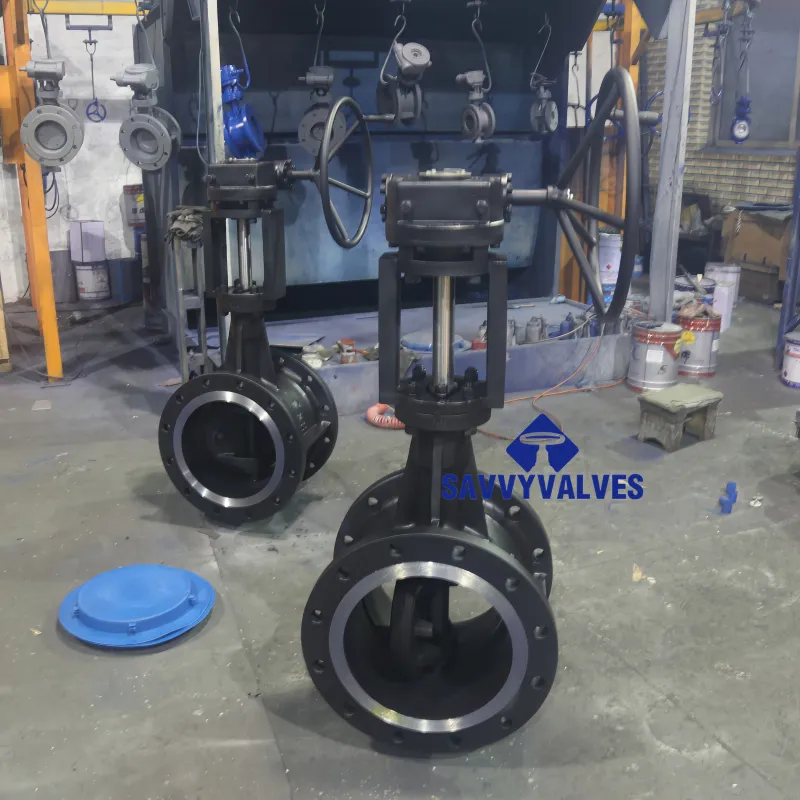
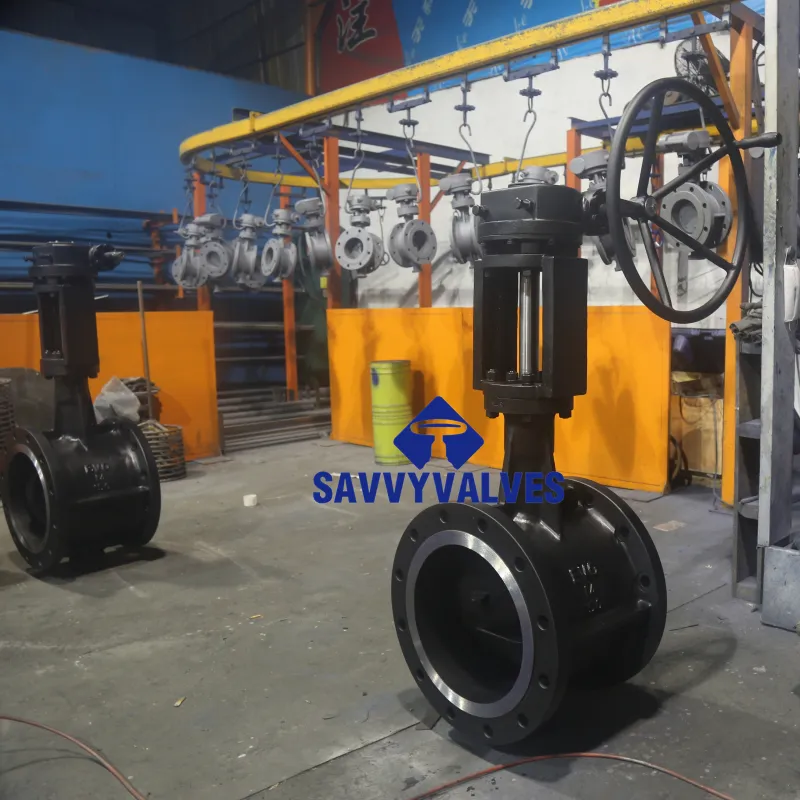
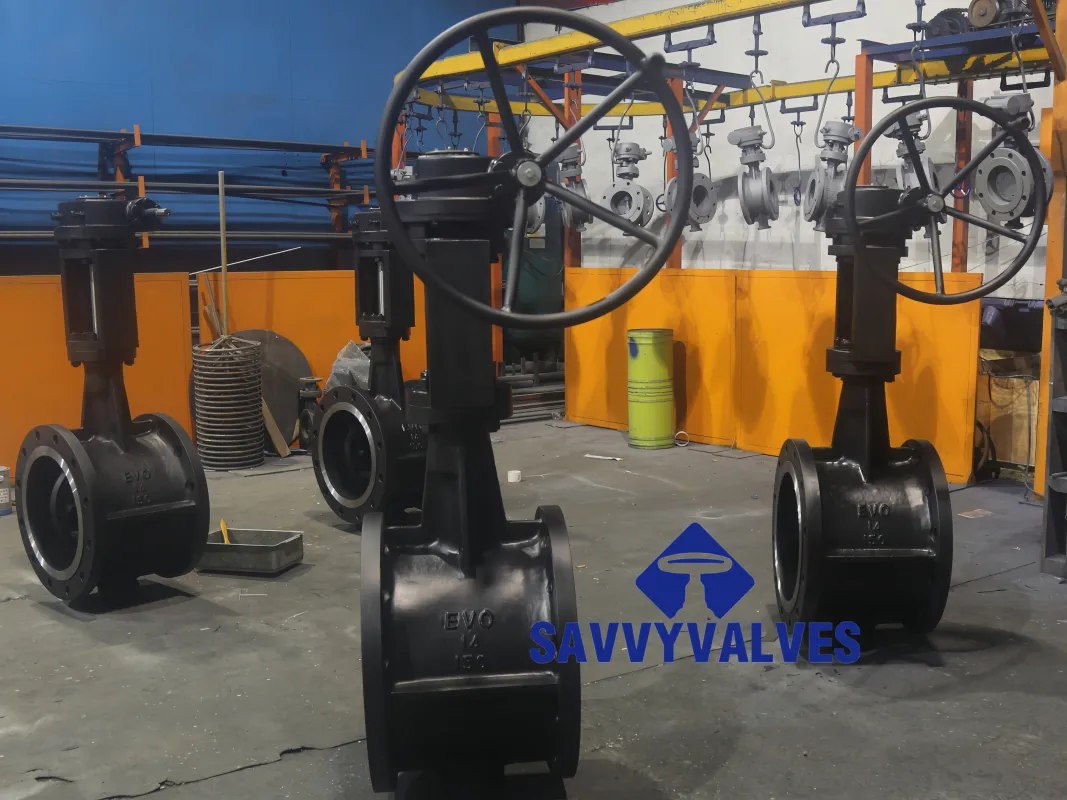
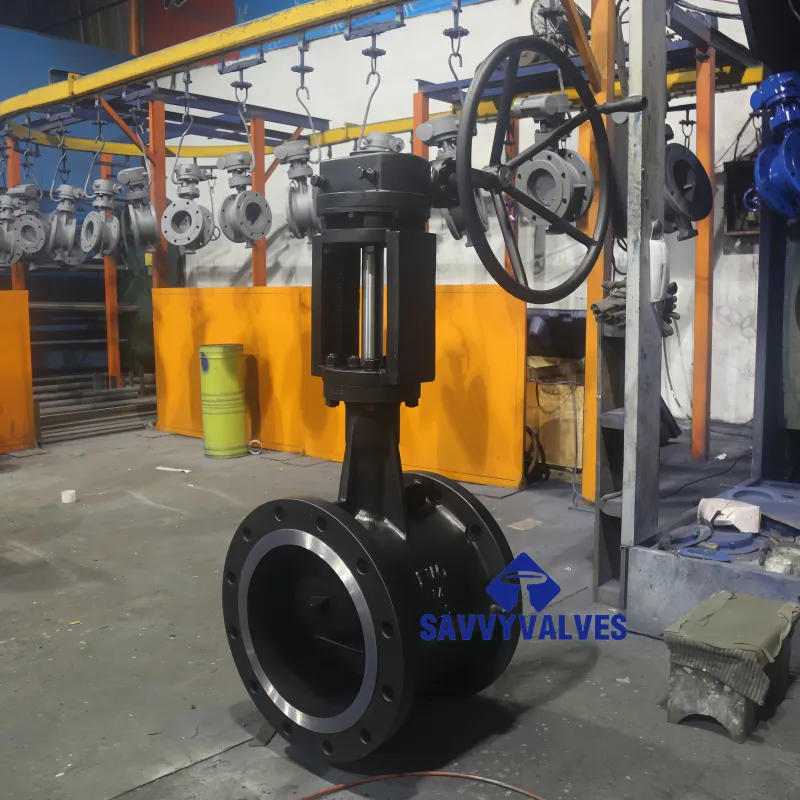
A key innovation addressing these challenges is the High-Temperature Triple Offset Butterfly Valve. This sophisticated valve design represents a significant leap forward in severe service applications, offering superior shut-off capabilities and extended service life compared to conventional alternatives. Its unique geometry and robust material construction are engineered to overcome the limitations of standard butterfly valves, which typically struggle with high-temperature applications due to seal degradation and friction-induced wear. As industries strive for greater sustainability and operational excellence, the demand for valves that can endure extreme conditions while maintaining precise control and tight shut-off is rapidly accelerating. This trend drives continuous innovation in valve engineering, focusing on enhanced material science, advanced manufacturing processes, and rigorous testing protocols to meet the stringent demands of modern industrial processes.
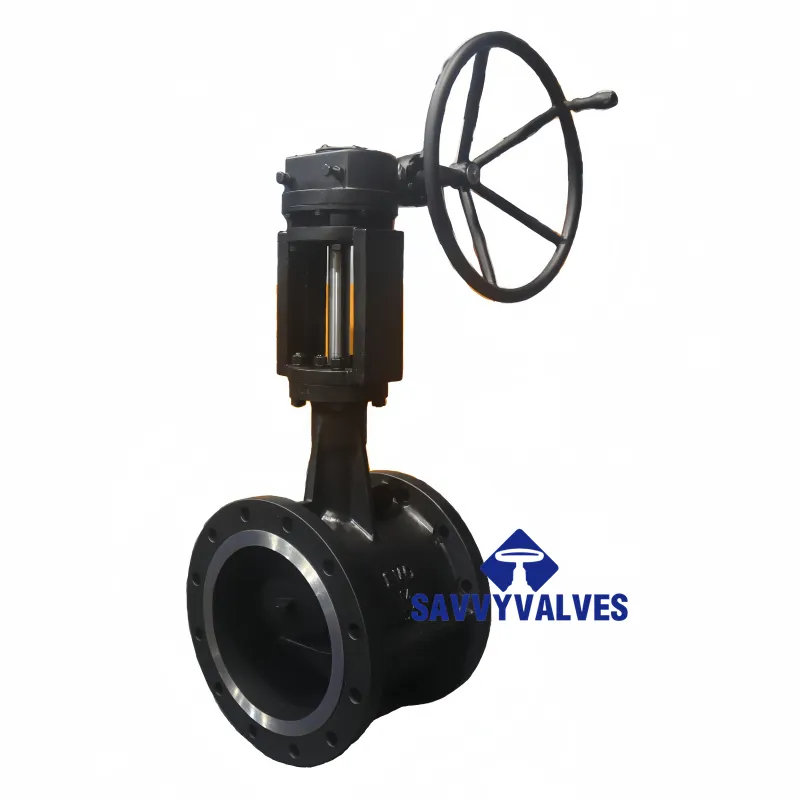
Unpacking the Technology: The Triple Offset Design
The core innovation of the triple offset butterfly valve lies in its unique geometric design, which eliminates friction between the disc and seat during operation, particularly during the final degrees of closure. Unlike conventional butterfly valves that rely on resilient seats, the triple offset design features a metallic seating arrangement. The "triple offset" refers to three distinct offsets:
- First Offset: The shaft is offset from the center of the pipe and bore.
- Second Offset: The shaft is offset from the center of the seal surface.
- Third Offset: This is the most crucial, involving a conical sealing surface on the body and disc, creating a right-angle cone shape. This specific geometry ensures that the disc cams into and out of the seat without any rubbing or friction during the valve's operation, particularly in the critical 0-10 degrees of closure and opening.
This camming action is fundamental to achieving bubble-tight shut-off, a standard typically associated with globe or gate valves, but now achievable with the compact, quarter-turn efficiency of a butterfly valve. The absence of friction significantly reduces wear on the seat and seal, extending the valve's service life, especially in high-cycle or abrasive applications. Furthermore, this design inherently supports the use of robust metal-to-metal seating, making it ideally suited for high-temperature and high-pressure applications where resilient seals would fail. The precision engineering involved ensures reliable sealing performance even under thermal expansion and contraction cycles typical of high-temperature processes.
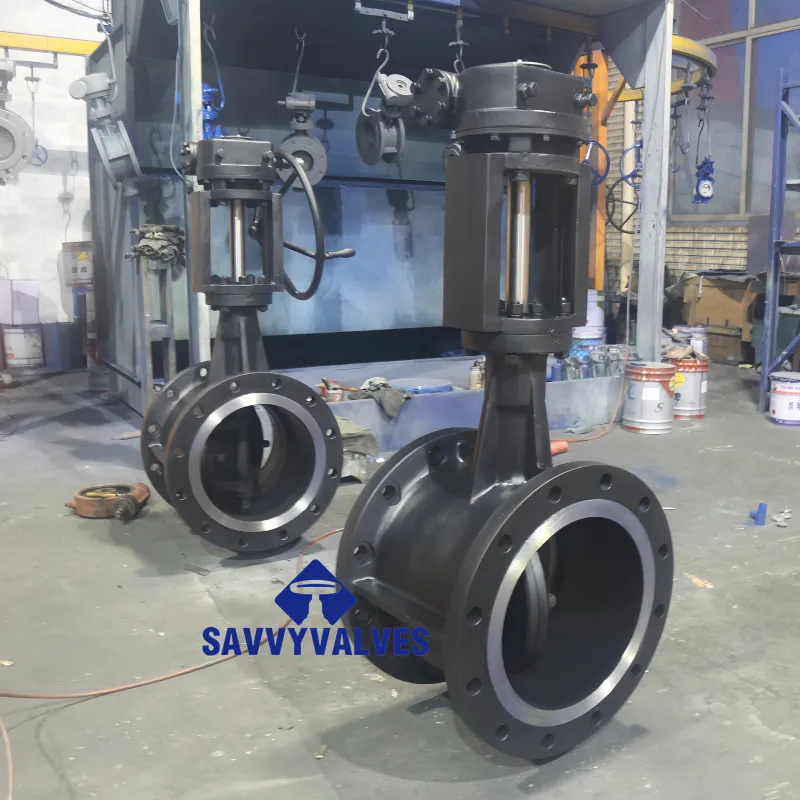
Materials and Manufacturing Excellence
The performance and longevity of a High-Temperature Triple Offset Butterfly Valve are intrinsically linked to the quality of its materials and the precision of its manufacturing process. For high-temperature applications, material selection is paramount. Common body materials include carbon steel (ASTM A216 WCB), stainless steel (ASTM A351 CF8M, CF3M), duplex stainless steel (ASTM A995 4A, 5A), and specialized alloys like Inconel or Hastelloy for extremely corrosive or high-temperature environments. The disc and seat materials are often selected for their hardness, wear resistance, and thermal stability, frequently incorporating stellite overlays or hardened stainless steels.
Manufacturing Process Breakdown:
- Casting/Forging: Valve bodies and discs are typically manufactured through precise casting or forging processes to ensure structural integrity and optimal metallurgical properties. Forging often provides superior strength and grain structure, preferred for high-pressure ratings.
- CNC Machining: Critical components like the disc, body seat, and shaft undergo advanced CNC (Computer Numerical Control) machining. This ensures the geometric precision required for the triple offset design to function flawlessly, achieving the exact angles and tolerances for bubble-tight shut-off.
- Welding: For certain applications or specialized materials, welding processes (e.g., automated orbital welding) are employed for robust assembly or applying hard-facing materials like Stellite to sealing surfaces.
- Assembly and Testing: Meticulous assembly is followed by rigorous testing. Each valve undergoes hydrostatic testing (e.g., per API 598 or ISO 5208) to verify pressure boundary integrity and low-pressure air seat testing for bubble-tight shut-off. Fugitive emission testing (e.g., ISO 15848-1 or API 622) is conducted for critical applications to ensure minimal leakage to the atmosphere.
Quality and Compliance Standards:
Adherence to international standards is non-negotiable for high-performance valves. Key standards include ISO 9001 for quality management systems, API 609 for butterfly valves, ANSI B16.34 for valves—flanged, threaded, and welding end, and PED (Pressure Equipment Directive) for European markets. These certifications assure customers of consistent product quality, reliability, and safety. A commitment to these standards ensures a service life often exceeding 20 years, even in challenging environments, leading to significant reductions in total cost of ownership for industries like petrochemical, metallurgy, and water/wastewater management. The design's ability to minimize friction and wear also contributes to reduced maintenance requirements and enhanced operational efficiency, leading to tangible energy savings and superior corrosion resistance in aggressive media.
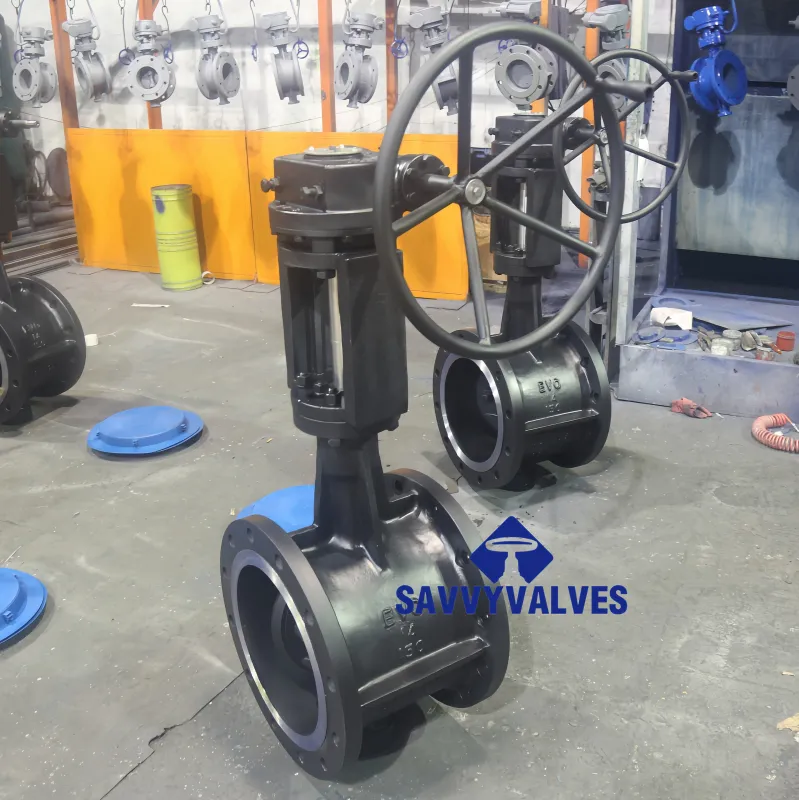
Key Technical Parameters and Performance Data
When specifying a High-Temperature Triple Offset Butterfly Valve, understanding its technical parameters is crucial for ensuring optimal performance and compatibility with specific process requirements. These parameters define the operational boundaries and performance characteristics of the valve. The following table provides a typical range of specifications that a robust HT-TOBV can offer, reflecting capabilities for severe service applications.
| Parameter | Typical Range / Value | Notes on Performance |
|---|---|---|
| Nominal Diameter (DN/NPS) | DN50 - DN2000 (NPS 2" - 80") | Wide range to suit various pipeline sizes. |
| Pressure Rating (PN/Class) | PN10 - PN420 (Class 150 - Class 2500) | Designed for high-pressure systems. Exceeds standard butterfly valve limits. |
| Temperature Range | -196°C to +800°C (-320°F to +1472°F) | Specific range depends on material selection (e.g., cryogenic to extreme high temp). |
| Body Materials | WCB, LCB, CF8M, CF3M, Duplex, Super Duplex, Alloy 20, Monel, Hastelloy, Inconel | Selected based on temperature, pressure, and media compatibility. |
| Seat Leakage Class | API 598 (Zero Leakage / Bubble-Tight), EN 12266-1 (Rate A) | Achieves bi-directional bubble-tight shut-off. |
| End Connections | Flanged (RF, RTJ), Wafer, Lug, Butt-Weld | Versatile connection options for various piping systems. |
| Actuation | Manual (Lever/Gear), Pneumatic, Electric, Hydraulic | Options for integration into automated control systems. |
| Design Standards | API 609, ANSI B16.34, ASME B16.5, ISO 5208, ISO 15848-1 | Compliance with major international design and testing standards. |
These specifications highlight the robust design and engineering precision inherent in a quality High-Temperature Triple Offset Butterfly Valve. The ability to handle such a wide range of temperatures, pressures, and media types, combined with stringent leakage class compliance, makes it an indispensable component in critical industrial processes. Its superior performance translates directly into enhanced process efficiency, reduced operational risks, and a longer operational lifespan, providing a strong return on investment.
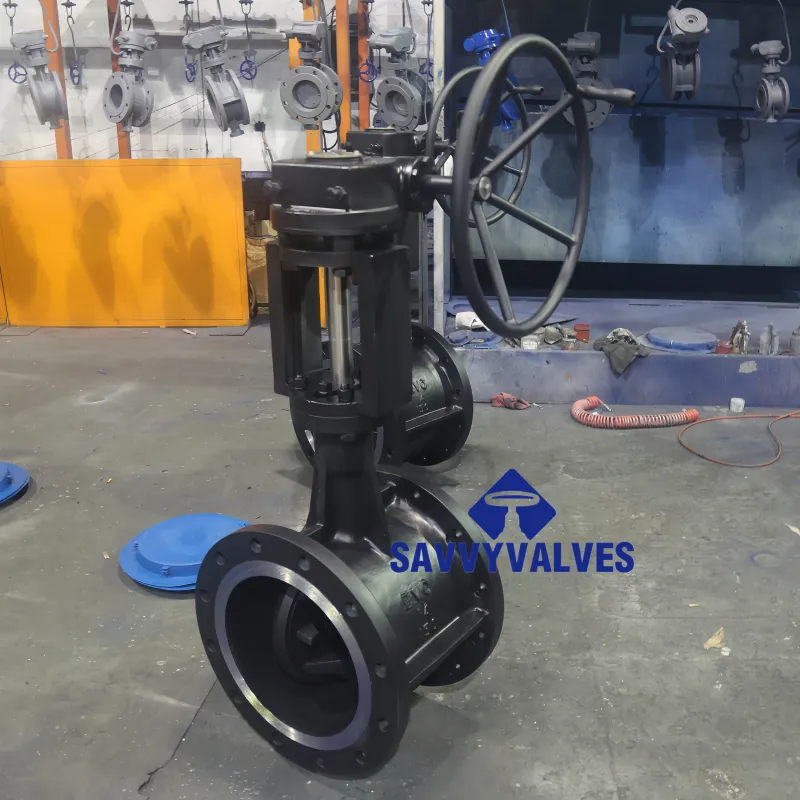
Diverse Applications and Operational Advantages
The robust design and exceptional performance characteristics of the High-Temperature Triple Offset Butterfly Valve make it an ideal choice for a multitude of severe service applications across various industries. Its capability to provide reliable, bubble-tight shut-off under extreme conditions sets it apart from conventional valve types, offering significant operational advantages.
Applicable Industries:
- Petrochemical & Oil & Gas: Ideal for critical applications involving high-temperature hydrocarbons, steam, and corrosive chemicals in refineries, offshore platforms, and pipelines. Used in catalytic cracking, coking units, and high-pressure steam lines.
- Power Generation: Essential in thermal power plants for steam isolation, turbine bypass, and condenser cooling, where high temperatures and pressures are standard.
- Metallurgy & Steel: Handling hot gases, molten metal lines, and high-temperature slag, where resistance to extreme heat and abrasive media is crucial.
- Chemical Processing: Suitable for corrosive and high-temperature chemical media, ensuring safe and precise flow control in demanding chemical synthesis and processing plants.
- HVAC & District Heating: Efficiently managing high-temperature hot water and steam distribution systems in large-scale commercial and industrial heating networks.
- Water Treatment & Desalination: While less common for extreme high temp, specialized variants are used for high-pressure and moderately high-temperature processes, benefiting from their robust design and long service life.
Operational Advantages:
- Energy Efficiency: The quarter-turn operation and low torque requirements contribute to reduced energy consumption, especially when operated by actuators. The tight shut-off prevents energy loss through leakage.
- Corrosion Resistance: Available in a wide array of exotic alloys, these valves offer superior resistance to highly corrosive media, significantly extending their operational lifespan in aggressive chemical environments.
- Reduced Maintenance: The friction-free design minimizes wear on seating surfaces, leading to less frequent maintenance interventions and lower overall lifetime costs. This contrasts sharply with soft-seated valves that require regular seat replacements in high-temperature settings.
- Extended Service Life: Engineered for durability, the High-Temperature Triple Offset Butterfly Valve provides reliable service for decades, even in continuous severe-service operation, contributing to higher plant uptime and reliability.
- Enhanced Safety: With proven bubble-tight shut-off and robust construction, these valves significantly reduce the risk of hazardous fluid leakage, aligning with stringent safety protocols in sensitive industries.
Manufacturer Comparison and Value Proposition
The market for High-Temperature Triple Offset Butterfly Valve is competitive, with numerous manufacturers offering various designs and specifications. For B2B decision-makers, choosing the right supplier goes beyond initial purchase price; it involves evaluating long-term value, reliability, and support. A comprehensive assessment should consider not just the product's technical merits, but also the manufacturer's expertise, track record, and ability to provide tailored solutions.
Key Differentiators in Manufacturer Selection:
| Feature | Typical Manufacturer Offerings | SavvyValvetech Value Proposition (Example) |
|---|---|---|
| Material Range | Standard alloys (CS, SS) | Extensive exotic alloys (e.g., Inconel, Hastelloy, Duplex) for ultimate corrosion/temp resistance. |
| Customization | Limited options for specific requirements. | Full engineering support for bespoke designs, unique coatings, and actuation integration. |
| Quality Control | Standard factory tests. | In-house NDT, extensive performance verification (fugitive emission, cryogenic testing), API/ISO certifications. |
| Technical Support | Basic pre-sales and post-sales support. | Dedicated application engineers, 24/7 technical assistance, on-site commissioning support. |
| Warranty & Service Life | Standard 12-18 month warranty. | Extended warranty options, guaranteed service life in defined parameters, readily available spare parts. |
| Delivery Time | Standard lead times, potential delays for custom orders. | Optimized supply chain, expedited options for urgent projects, transparent communication on lead times. |
Choosing a partner with a deep understanding of severe service applications and a commitment to engineering excellence ensures that your investment in a High-Temperature Triple Offset Butterfly Valve yields maximum long-term benefits. This approach translates into reduced total cost of ownership (TCO) through superior reliability, lower maintenance, and extended operational life, all underpinned by robust technical support and a transparent commitment to customer success.
Custom Engineering Solutions and Application Case Studies
While standard configurations of High-Temperature Triple Offset Butterfly Valve are suitable for many applications, complex industrial processes often demand bespoke solutions. Leading manufacturers understand that specific operating conditions—such as highly abrasive media, fluctuating temperatures, or unique space constraints—necessitate tailored designs. This includes specialized material selection, unique seating arrangements, or custom actuation packages. The ability to provide robust custom engineering demonstrates a manufacturer's deep expertise and commitment to meeting precise client needs, ensuring optimal performance and maximum asset utilization.
Case Study: High-Temperature Steam Isolation in a Combined Cycle Power Plant
A major power utility faced significant challenges with unreliable steam isolation valves in their combined cycle power plant. Their existing valves, conventional gate valves, were experiencing frequent seat leakage and stem packing failures due to the high-temperature (up to 550°C) and high-pressure (150 bar) steam service. This led to unscheduled downtime for maintenance, substantial energy losses, and increased operational costs.
Solution Implemented: After a thorough engineering consultation, custom-designed High-Temperature Triple Offset Butterfly Valve units were specified and installed. These valves featured a body made of ASTM A217 WC9 (9% Chrome, 1% Moly alloy steel) for enhanced creep strength at high temperatures, and a Stellite 6 hard-faced disc and seat for superior wear and erosion resistance. The valves were equipped with a specialized high-temperature packing system (graphite-based) to ensure compliance with ISO 15848-1 fugitive emission standards, even under thermal cycling.
Results Achieved: Post-installation, the power plant experienced a dramatic reduction in steam leakage, leading to an estimated 3% improvement in overall plant thermal efficiency and substantial fuel savings. The robust design and material selection eliminated the previous issues of seat damage and packing failures, extending the valve's service interval by over 500% compared to the previous solution. This resulted in significant cost savings from reduced maintenance and increased operational uptime, validating the investment in a specialized, high-performance valve solution.
Trustworthiness and Customer Support
Beyond technical specifications, the trustworthiness of a valve manufacturer is built on transparency, reliability, and robust customer support. For high-value, critical components like the High-Temperature Triple Offset Butterfly Valve, assurances regarding quality, delivery, and post-sales service are paramount for B2B clients. A reputable supplier prioritizes clear communication, adherence to industry standards, and comprehensive support throughout the entire product lifecycle.
Frequently Asked Questions (FAQ):
- Q: What is the typical lead time for a custom High-Temperature Triple Offset Butterfly Valve?
A: Lead times vary based on complexity and material availability, but standard valves typically ship within 8-12 weeks. Custom orders or exotic materials may require 14-20 weeks. Expedited options are often available for urgent project requirements. - Q: What kind of warranty is offered?
A: We provide a comprehensive 12-month warranty from installation or 18 months from shipment, whichever comes first, covering defects in materials and workmanship. Extended warranty options are available upon request. - Q: Can these valves be repaired or serviced on-site?
A: Yes, the design of our triple offset valves facilitates in-line repairs for most components, significantly reducing downtime. We offer field service teams and provide detailed service manuals and training for client personnel. - Q: How do you ensure compliance with specific industry standards?
A: Our manufacturing processes are ISO 9001 certified, and our valves comply with major international standards such as API 609, ANSI B16.34, ISO 15848-1 for fugitive emissions, and PED. All relevant certifications and test reports are provided with each valve.
Our Commitment to Trust:
- Transparent Delivery Timelines: We provide realistic and regularly updated delivery schedules, ensuring project managers can plan with confidence.
- Comprehensive Quality Assurance: Every valve undergoes stringent testing, including hydrostatic, pneumatic, and specialized performance tests, with detailed test certificates accompanying each shipment. Our facilities are regularly audited by third-party certification bodies.
- Dedicated Customer Support: From initial consultation and valve selection to after-sales service and spare parts management, our team of experienced engineers and customer service professionals is available to provide expert assistance. We offer 24/7 support for critical operational issues.
- Partnerships and Certifications: Our long-standing relationships with industry leaders and adherence to global standards (e.g., API, ISO, CE) underscore our authority and reliability in the valve manufacturing sector.
Conclusion: The Future of Flow Control in Extreme Environments
The increasing demands for efficiency, safety, and environmental compliance in industrial processes necessitate continuous advancements in valve technology. The High-Temperature Triple Offset Butterfly Valve stands as a testament to this evolution, offering an unparalleled combination of robust performance, extended service life, and reliable shut-off capability in the most challenging applications. Its unique design, coupled with precision manufacturing and advanced material selection, addresses the limitations of traditional valves, providing a cost-effective and highly reliable solution for critical flow control. By minimizing friction and wear, achieving bubble-tight sealing, and excelling in high-temperature and high-pressure conditions, the HT-TOBV contributes significantly to operational stability, reduced maintenance, and improved safety.
As industries continue to push technological boundaries, the adoption of specialized valves like the Triple Offset Butterfly Valve will become even more critical. Investing in such advanced solutions is not merely a purchase; it is a strategic decision that drives long-term operational excellence, enhances sustainability, and ensures compliance with ever-evolving regulatory landscapes. For decision-makers and technical personnel in severe service industries, selecting a reputable manufacturer that provides not only a superior product but also comprehensive technical support and tailored solutions is key to unlocking the full potential of these essential flow control devices.
References
- American Petroleum Institute. API Standard 609: Butterfly Valves: Double-Offset and Triple-Offset Designs.
- American Society of Mechanical Engineers. ASME B16.34: Valves – Flanged, Threaded, and Welding End.
- International Organization for Standardization. ISO 15848-1: Industrial valves – Measurement, test and qualification procedures for fugitive emissions – Part 1: Classification system and qualification procedures for type testing of valves.
- European Committee for Standardization. EN 12266-1: Industrial valves - Testing of valves - Part 1: Pressure tests, procedures for functional tests and leakage test requirements.
- Valve Manufacturers Association of America (VMA) technical papers on high-performance valve design.
- Materials Handbook for Extreme Environments: Selection and Application of Alloys in High Temperature and Corrosive Service.



 English
  Arabic
  Azerbaijani
  Czech
Czech  Dutch
Dutch  French
  German
  Indonesian
  Italian
  Japanese
  Korean
  Malay
Malay  Persian
  Polish
  Portuguese
  Russian
  Spanish
  Thai
Thai  Vietnamese