
High Performance Butterfly Valves: Essentials for Modern Industry
High performance butterfly valves might sound like just another piece of industrial jargon, but frankly, they’re a cornerstone to keeping many of our world’s critical processes flowing smoothly. From water treatment plants and power generation to oil refining and chemical manufacturing, understanding what these valves do—and why they matter—is increasingly vital in today’s interconnected, sustainability-driven market.
With global industrial output expected to grow steadily—something the UN Industrial Development Organization highlights as necessary for economic progress—ensuring reliable, efficient flow control is no small matter. High performance butterfly valves serve that need by offering robustness, precision, and adaptability, helping companies reduce downtime and environmental impact alike.
What Exactly Are High Performance Butterfly Valves?
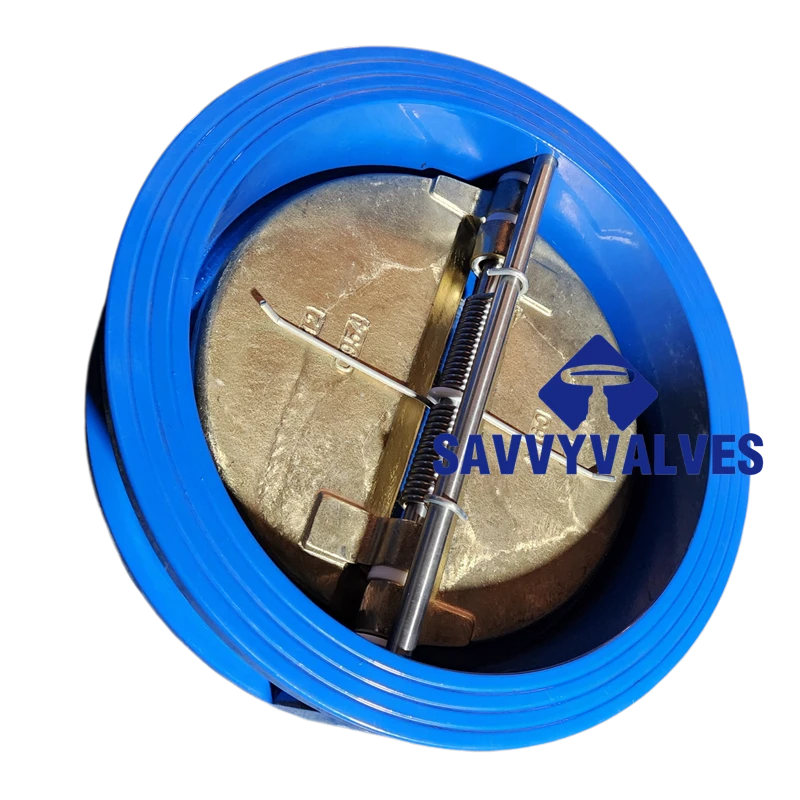
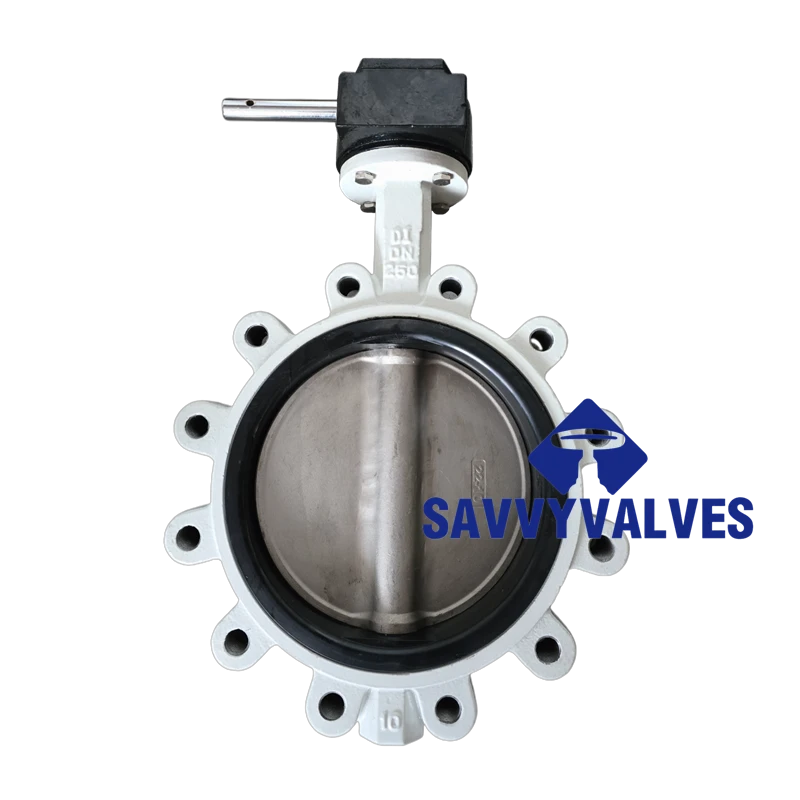
In simplest terms: a butterfly valve is a flow control device. It uses a rotating disc to regulate or block fluid (liquid or gas) passage through a pipe. The high performance versions take this principle and crank it up, offering enhanced materials, better sealing, and tolerance for higher pressures and temperatures.
These valves have evolved from the basic models you might see in residential plumbing to sophisticated mechanical products designed for challenging industrial environments. In humanitarian contexts—like water supply in disaster zones or remote communities—reliable high performance butterfly valves support critical infrastructure, maintaining safety and dignity.
Core Components and Key Aspects
1. Durability
Material choice makes all the difference here—stainless steel, ductile iron, and specialized alloys resist corrosion and mechanical wear. This means valves can endure harsh chemical exposure and extreme temperature variations without failing.
2. Tight Sealing and Leak Prevention
A major selling point. Modern high performance butterfly valves often use resilient or elastomeric seats combined with precision-machined discs to minimize leakage—even under fluctuating pressures.
3. Scalability and Size Range
These valves come in myriad sizes—from a few inches to several feet—making them versatile across sectors, from small service lines to giant pipelines transporting crude oil or natural gas.
4. Cost-Efficiency
Though the upfront cost is higher than standard valves, lifecycle savings on maintenance and operational energy consumption generally justify the investment.
5. Automation Adaptability
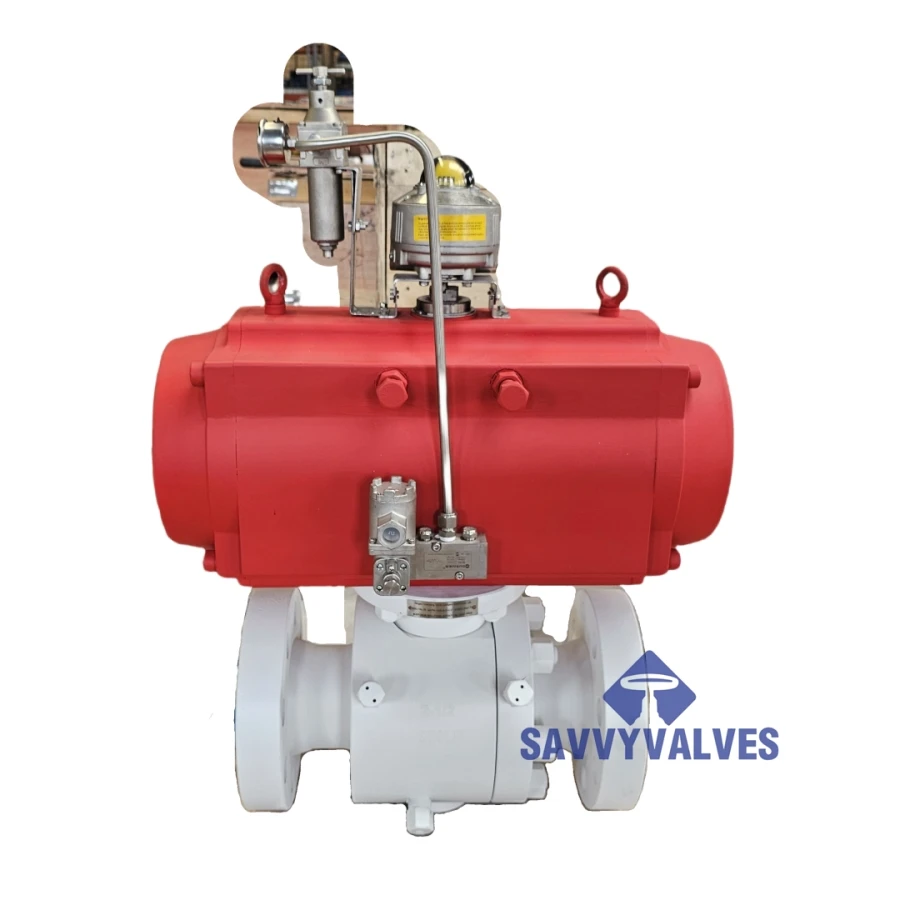
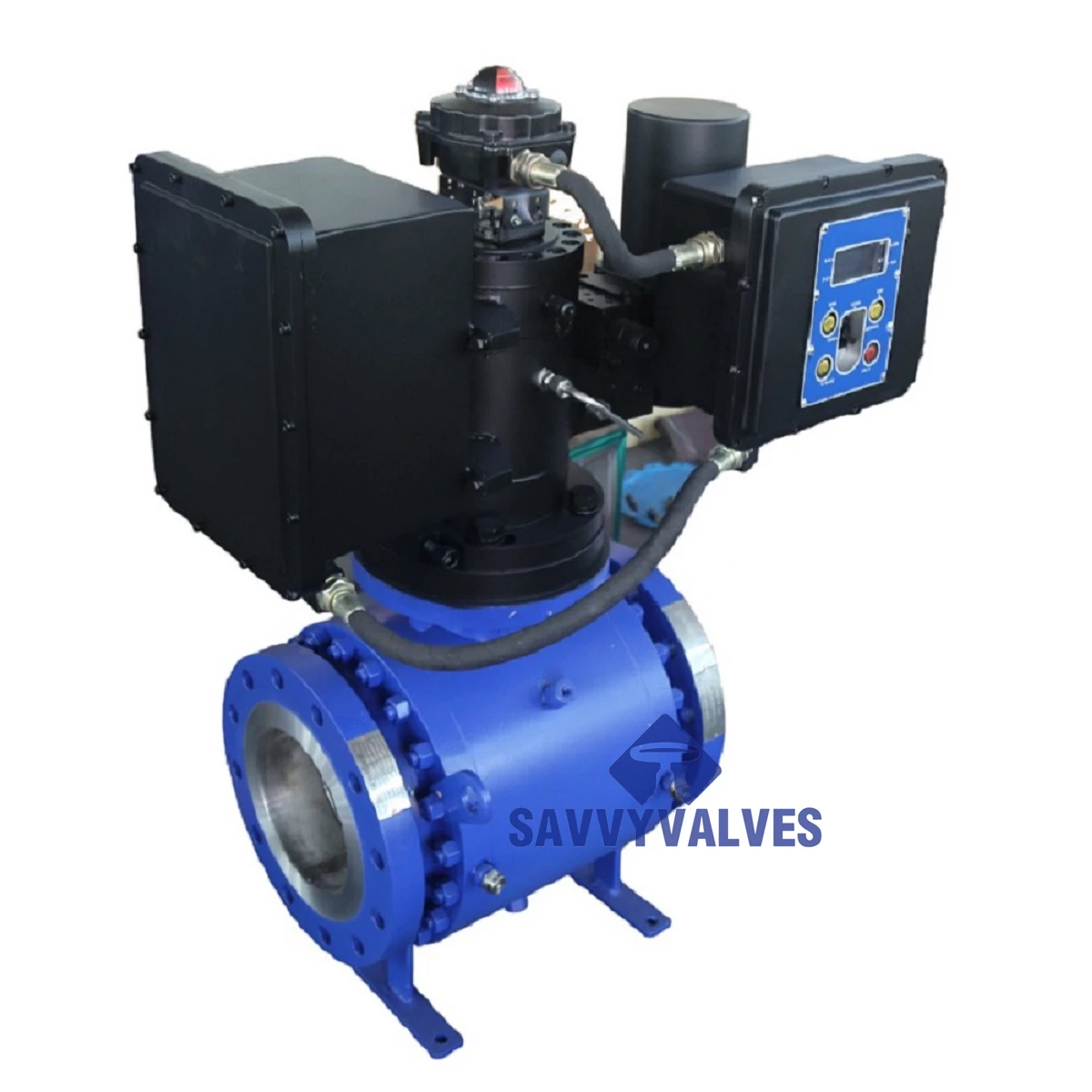
Integration with actuators and smart control systems allows remote operation and real-time adjustment, a feature critical for modern plants aiming to reduce human error and improve safety.
Specifications of a Typical High Performance Butterfly Valve
| Feature | Specification |
|---|---|
| Body Material | Ductile Iron / Stainless Steel |
| Seat Material | EPDM, PTFE, or Viton |
| Pressure Rating | Up to 300 psi (20 bar) |
| Temperature Range | -40°C to 200°C (-40°F to 392°F) |
| Sizes | 2" to 48" (50mm to 1200mm) |
| End Connections | Wafer, Lug, Double Flanged |
Mini takeaway: The high performance butterfly valve is not just a valve; it’s a blend of science and engineering designed to meet demanding conditions across systems, emphasizing longevity and precision.
Global Applications and Real-World Use Cases
Industries worldwide count on these valves, but here are a few standout narratives:
- Water and Wastewater Treatment: Municipal plants in Europe use butterfly valves to manage treated water flows, crucial for health safety and compliance with ISO 22000 standards.
- Oil & Gas Sector: Gulf region refineries demand valves resistant to corrosive hydrocarbons; butterfly valves with advanced sealing options are integral here.
- Energy Generation: Nuclear and thermal plants rely on the valves to modulate steam and coolant flow with high precision, supporting stable power output.
- Humanitarian Aid Projects: NGOs operating in disaster zones in Southeast Asia utilize these valves in rapid-deployment water systems—critical for saving lives and rebuilding infrastructure.
Vendor Comparison: Leading High Performance Butterfly Valves
| Vendor | Pressure Rating | Material Options | Automation Capable | Warranty |
|---|---|---|---|---|
| ValveTech Inc. | Up to 250 psi | Iron, Stainless Steel | Yes | 3 Years |
| FlowControl Solutions | Up to 300 psi | Alloys, PTFE coatings | Yes | 5 Years |
| Global Valve Corp | Up to 200 psi | Carbon Steel | Limited | 2 Years |
The Advantages and Long-Term Value
When you invest in high performance butterfly valves, you’re not just buying a flow control device—you’re buying peace of mind. What’s often overlooked is how these valves contribute on a social and environmental scale, beyond the immediate operational benefits.
Reduced leakages mean fewer environmental hazards. They translate to better worker safety and less downtime, which frankly saves lives and money. Plus, automation-ready valves support the digital transformation goals many industries pursue, improving traceability and operational analytics.
Emerging Trends and Innovations
Looking ahead, the valve industry is riding waves of innovation:
- Smart Valves: Integrated sensors monitor valve position, temperature, and pressure in real time, feeding data into cloud systems for predictive maintenance.
- Advanced Materials: New composites aim to withstand even harsher chemicals and higher temperatures while lowering weight.
- Green Manufacturing: Vendors adopt eco-friendly production processes and recyclable materials, aligning with global sustainability targets.
Challenges and Expert Solutions
No technology is without obstacles, and with high performance butterfly valves it’s no different. Installation complexities and upfront costs can deter some. In extreme conditions, seals may still degrade prematurely.
To tackle these, engineering teams recommend thorough application assessments—matching valve specs to system needs exactly—and ongoing staff training for maintenance best practices. New seal materials and modular designs also help extend service life, reducing total cost of ownership.
FAQ: Common Questions About High Performance Butterfly Valves
- What differentiates a high performance butterfly valve from a standard butterfly valve?
- High performance valves feature enhanced sealing mechanisms, stronger materials, and higher pressure/temperature ratings. This makes them suitable for more demanding industrial applications where reliability and safety are critical.
- Can these valves be used in corrosive environments?
- Yes, many high performance butterfly valves are designed with corrosion-resistant materials like stainless steel or specialized coatings, enabling use in chemical processing or seawater systems.
- How important is automation for these valves?
- Automation facilitates remote operation, which improves safety, precision, and system monitoring. Many modern high performance valves integrate easily with actuators and control networks.
- Are these valves suitable for food and pharmaceutical industries?
- Absolutely. With hygienic materials and designs compliant with ISO standards, some high performance butterfly valves meet strict sanitary requirements for those sectors.
Conclusion
All things considered, investing in high performance butterfly valves offers undeniable long-term benefits: they enhance system reliability, improve safety, and support sustainability goals. For companies striving to navigate today’s complex industrial landscape, staying on top of valve technology could be a real game changer. To learn more or explore your options, visit high performance butterfly valves specialists online.
Oddly enough, a valve might seem just a small cog in huge machines, but its impact can ripple through entire industries, economies, and communities—worthy of deeper appreciation, I think.
References:
1. United Nations Industrial Development Organization (UNIDO) – Industrial Development Report 2023
2. ISO 5208 – Industrial Valves – Pressure Testing of Valves
3. Wikipedia contributors, “Butterfly valve,” Wikipedia, The Free Encyclopedia, https://en.wikipedia.org/wiki/Butterfly_valve



 English
  Arabic
  Azerbaijani
  Czech
Czech  Dutch
Dutch  French
  German
  Indonesian
  Italian
  Japanese
  Korean
  Malay
Malay  Persian
  Polish
  Portuguese
  Russian
  Spanish
  Thai
Thai  Vietnamese