
Gear Operated Butterfly Valves: A Practical Look from the Field
Having spent over a decade around industrial valves—whether on fabrication floors or deep in process plants—I’ve come to appreciate the quiet reliability of gear operated butterfly valves. They aren’t the flashiest components, but they do a crucial job balancing force and finesse. Frankly, they're like the unsung workhorses of flow control.
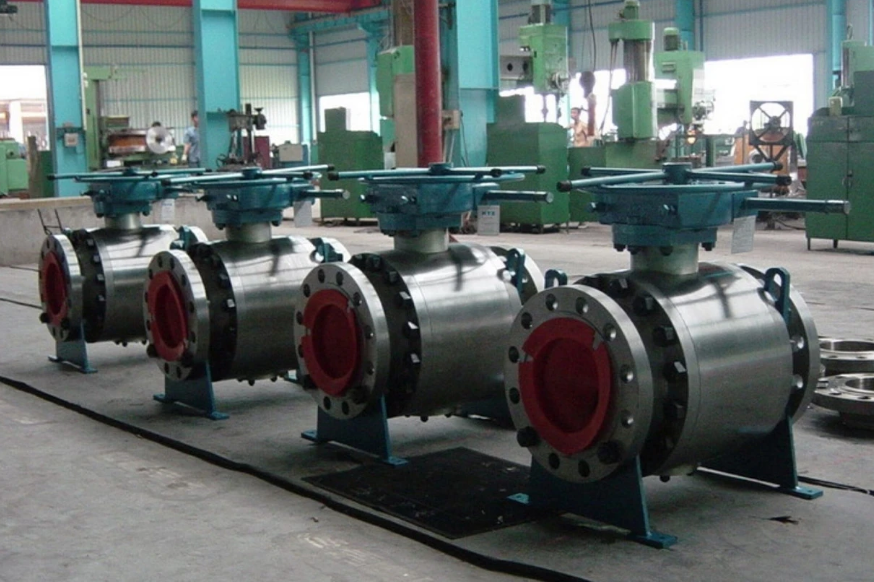
Now, butterfly valves in general have been around ages, but the gear operated variety? They most often show up where you need serious torque to open or close the disc—think bigger pipe diameters or tougher media. In real terms, the gearbox turns manual input into smooth, controlled movement, which can be a godsend especially when you're dealing with heavy-duty industrial environments. I recall a project where a gear operator made all the difference, enabling operators to handle 48-inch valves without breaking a sweat.
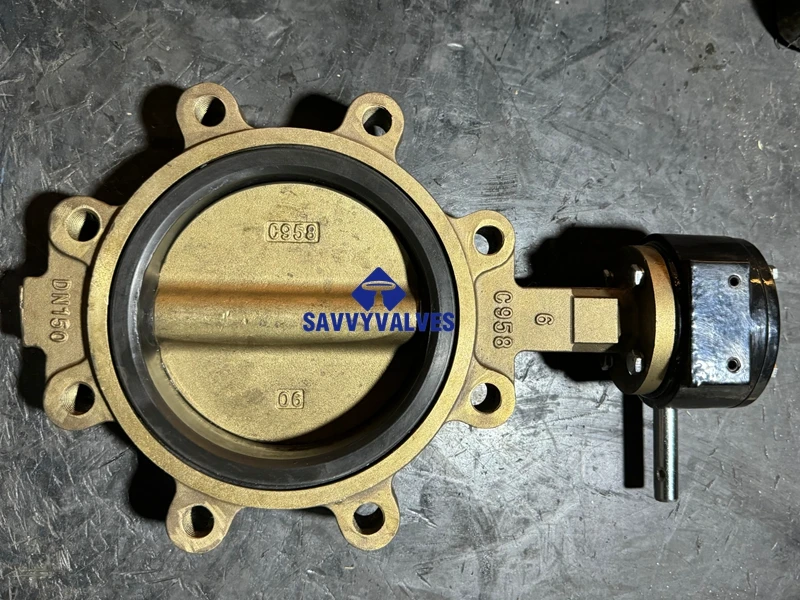
The design is rather elegant in its simplicity. Usually, you’re looking at a circular disc mounted on a shaft. Rotate the shaft 90 degrees and voilà, flow either starts or stops. The gear actuation adds mechanical advantage, letting you operate it manually despite large sizes or high-pressure resistance. Oddly enough, this is also where these valves shine compared to automated electric or pneumatic actuators—less complexity, often fewer maintenance headaches.
Material choice plays a huge role in valve longevity and performance. Most valves I’ve handled have bodies made from cast iron, ductile iron, or stainless steel, depending on the usage environment. Discs can be stainless steel or even lined with resilient materials like PTFE for chemical resistance. Seals usually employ elastomers made for tight shut-off and durability. That said, it’s always a trade-off—you decide what fits your medium and operating conditions.
Speaking of materials and specs, here’s a quick rundown typical for these valves (values may vary by vendor and model):
| Specification | Details |
|---|---|
| Valve Size Range | 2" up to 48" (DN50 - DN1200) |
| Body Material | Ductile Iron, Cast Iron, Carbon Steel, Stainless Steel |
| Disc Material | Stainless Steel, Aluminum Bronze, Coated Carbon Steel |
| Seal Type | EPDM, NBR, PTFE Lined Seats |
| Pressure Rating | Class 150, 300 (PN10-PN40) |
| Gearbox Material | Cast Iron or Stainless Steel Enclosure |
| Operating Temperature | -20°C to 200°C (-4°F to 392°F) |
When it comes to vendors, I’ve worked with a handful, and it’s clear that not all gear operated butterfly valves are created equal. Price can vary widely, but as many engineers say, “you get what you pay for.” I noticed that some suppliers focus heavily on precision-machined components, while others push ease of maintenance or aftermarket support. So, picking the right fit means weighing your priorities.
| Feature | Savvy Valve Tech | Pure Flow Solutions | Industrial Valve Co. |
|---|---|---|---|
| Material Quality | High-grade Stainless & Ductile Iron | Cast Iron Predominant | Wide Range, variable |
| Customization | Extensive, including gear ratios & seals | Limited options | Standard catalog items mostly |
| Lead Times | 4-6 weeks | 2-3 weeks (stock items only) | 6-8 weeks typical |
| Price Range | $$$ (Premium but reliable) | $$ (Budget friendly) | $$$ (Mid-level pricing) |
| After-sales Support | Comprehensive, including field advice | Basic warranty | Limited, mostly phone support |
By the way, when I shared with a client the option for a gear operated butterfly valve from Savvy Valve Tech, they appreciated not only the quality but also how flexible the customization options were. These valves were installed in a chemical processing plant where tight shut-off and corrosion resistance were non-negotiables. This kind of real-world endorsement tends to build my confidence more than any spec sheet alone.
To sum it up, if you’re selecting gear operated butterfly valves, don’t just focus on the price. Think about materials, maintenance, and who you’re buying from. Trust me, years in the field have shown me that dependable gearboxes and well-machined discs keep plants running with fewer surprises. Sometimes, a valve is just a valve, but often it’s the difference between downtime and a smooth shift change.
— John T., Industrial Equipment Specialist
References
- API Standard 609: Butterfly Valves: Double-flanged, Lug- and Wafer-type
- Valve World Americas, 2023 Market Insights on Manual Valve Actuators
- Manufacturer’s Material Data Sheets – Savvy Valve Tech (2024)



 English
  Arabic
  Azerbaijani
  Czech
Czech  Dutch
Dutch  French
  German
  Indonesian
  Italian
  Japanese
  Korean
  Malay
Malay  Persian
  Polish
  Portuguese
  Russian
  Spanish
  Thai
Thai  Vietnamese