
Understanding the Flanged Ball Valve: A Veteran’s Take
Having clocked quite a few years in the industrial equipment trenches, I’ve come to appreciate the nuances of valves — especially the flanged ball valve. They might look deceptively straightforward, but their design and material choices can seriously sway performance on the plant floor.
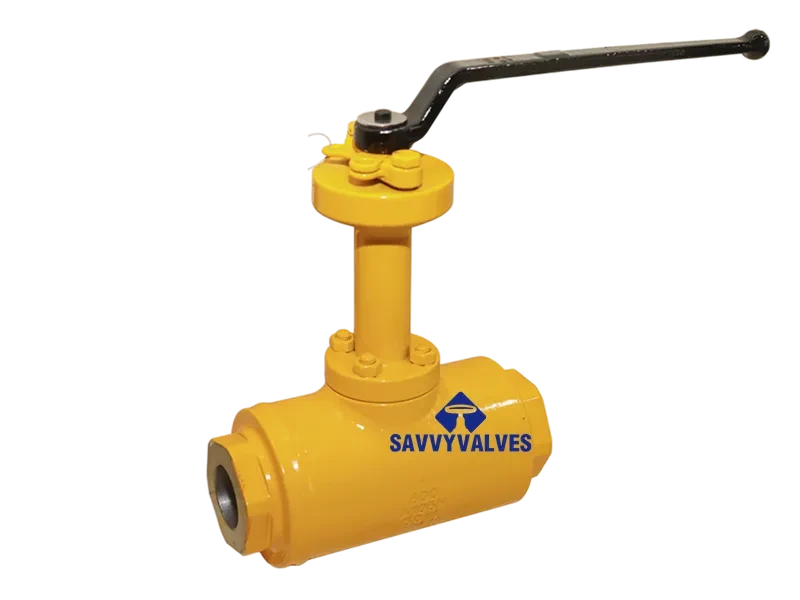
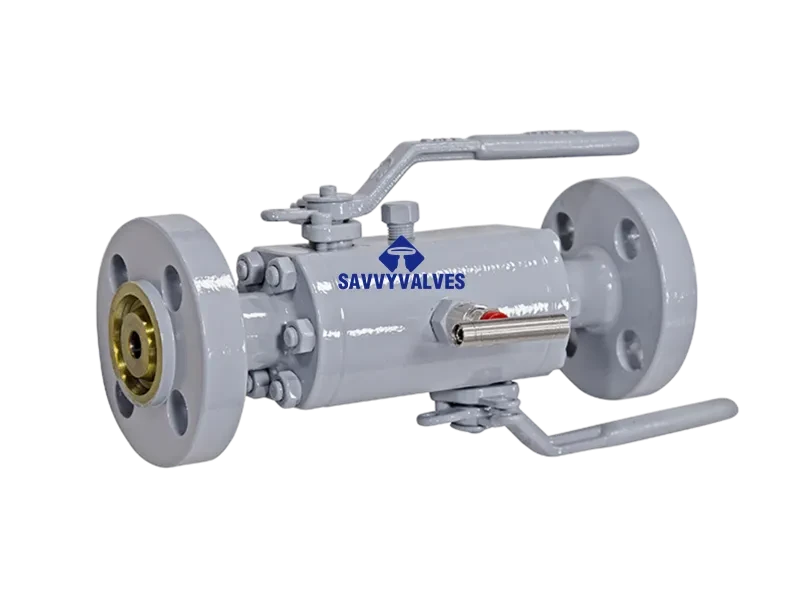
Flanged ball valves have been industry staples for decades, mainly because they combine reliability with ease of maintenance. Oddly enough, their core simplicity – a ball with a bore rotating to open or close flow – belies the engineering finesse hidden beneath the flange-to-pipe connection.
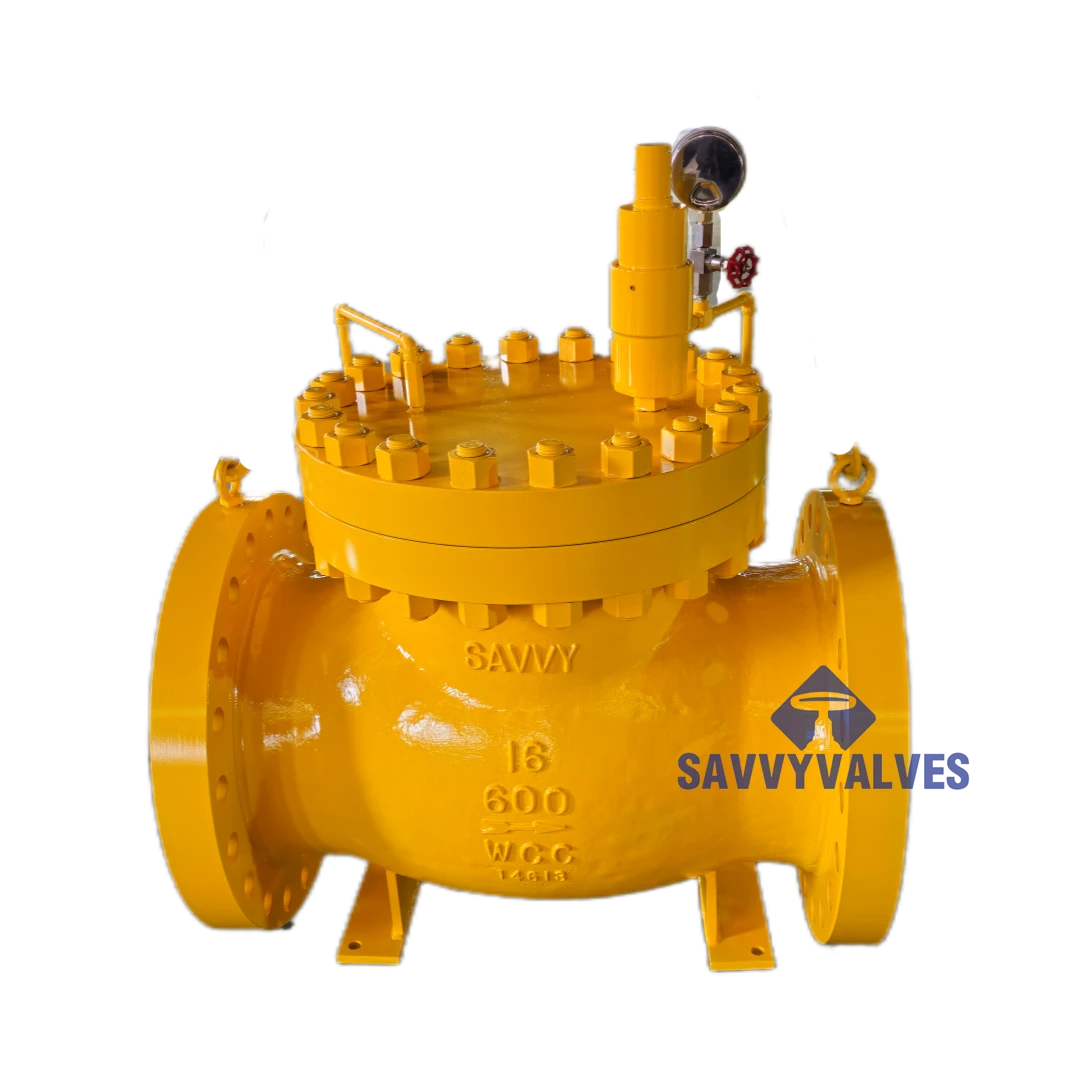
Back when I first started, we saw a lot of threaded valves. But as plants scaled and pressures climbed, flanged designs took over due to superior sealing and structural strength. The flange connection allows the valve to be bolted directly to the pipeline, creating robust joints that limit any wobble or leakage, which frankly can be a nightmare with threaded fittings under high pressure.
Materials matter, and I've noticed the trend shift from standard carbon steel to more corrosion-resistant grades such as stainless steel or even exotic alloys like duplex and super duplex stainless steel depending on the media. Many engineers I’ve worked with swear by the balance between material selection and valve trim – the internal parts – for achieving longevity. For abrasive or corrosive fluids, a coated or hardened ball surface can make a big difference, which has saved several projects from premature valve failure.
Testing is another piece often overlooked outside insider circles. Every serious valve manufacturer runs rigorous pressure and seat leakage tests, often to API 598 or ANSI standards. Personally, I recall a site where a faulty valve passed through unchecked at first, causing downtime and costly remediation. That really underscored for me how critical proper testing and certification are — no shortcuts.
In real terms, flanged ball valves find their sweet spot in systems requiring frequent shutoff or where tight sealing is crucial, like chemical plants or high-pressure steam lines. You also get the advantage of straightforward servicing since unbolting the flange exposes the internals without disturbing piping alignment.
Customization is often key. Some vendors offer metal-seated versions for extreme temperatures, or multi-port configurations for complex flow paths. I remember a mining operation needing a triple-offset flanged ball valve to handle slurry — a perfect example of tailoring valve solutions to harsh environments.
| Parameter | Value / Range |
|---|---|
| Size | 1/2" to 24" (DN15 to DN600) |
| Pressure Rating | Class 150 to Class 600 (PN20 to PN100) |
| Body Material | Carbon Steel, Stainless Steel, Alloy |
| Seat Material | PTFE, RPTFE, Metal Seats |
| Operation | Manual Lever, Gear, Pneumatic, Electric |
To give you a better sense of choices out there, here’s a quick comparison of three typical flanged ball valve vendors I’ve seen at sites large and small:
| Feature | Savvy Valve Tech | ValveCo | IndustroValves |
|---|---|---|---|
| Range of Sizes | ½" – 24" | ¾" – 20" | 1" – 16" |
| Material Options | Carbon, SS, Alloy | Carbon, SS | Carbon, SS, Duplex |
| Lead Time | 4-6 weeks | 6-8 weeks | 8-10 weeks |
| Customization Available | Yes | Limited | Yes |
| Testing & Certification | API 598 / ANSI | API 6D | API 598 |
Truth be told, if you’re selecting a flanged ball valve for critical services, I tend to advise clients toward vendors that can back up their specs with thorough certifications and solid after-sales service. Takes a lot of pressure off your mind when you know the valve’s been stressed and proven before it ever hits your pipeline.
One memorable project: a petrochemical plant needed quick turnaround on a batch of valves with a quirky custom trim to handle sticky polymers. Savvy Valve Tech came through with a tight schedule and flawless delivery. I suppose that’s the sort of real-world partnership you look for beyond just specs on paper.
At the end of the day, the flanged ball valve may never steal the spotlight, but it’s really the unsung hero holding many industrial processes steady. Whether you’re new on the floor or a seasoned engineer, knowing your valve’s story — from flange bolts to seat material — can make all the difference.
In case you want to explore flanged ball valves in more detail, this source offers a solid starting point worth a look.
References:
1. API 598 - Valve Inspection and Testing Standards
2. ANSI B16.5 – Pipe Flanges and Flanged Fittings
3. Various industry whitepapers and field experience notes



 English
  Arabic
  Azerbaijani
  Czech
Czech  Dutch
Dutch  French
  German
  Indonesian
  Italian
  Japanese
  Korean
  Malay
Malay  Persian
  Polish
  Portuguese
  Russian
  Spanish
  Thai
Thai  Vietnamese