
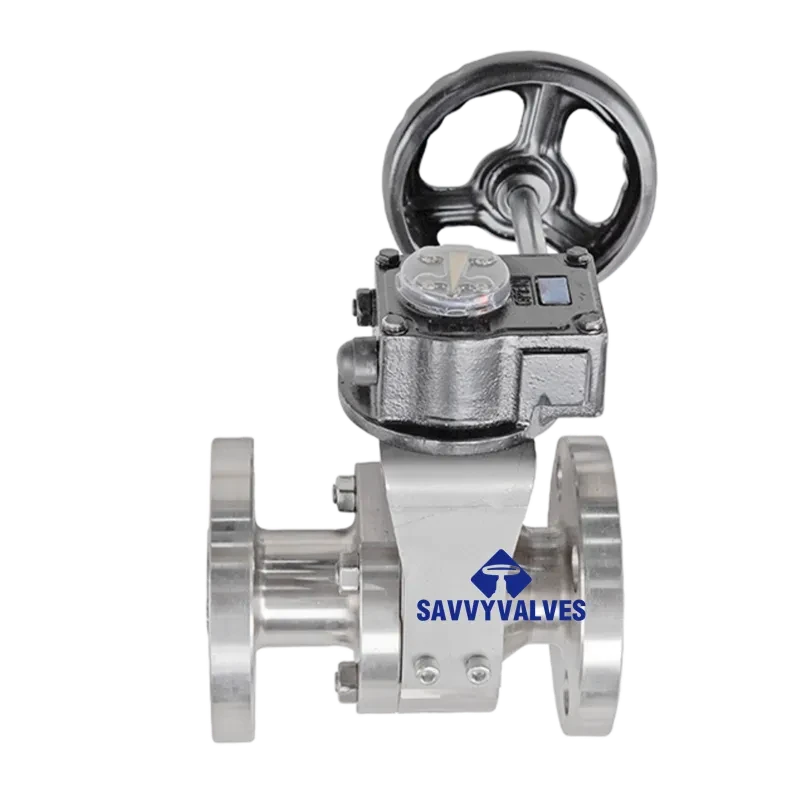
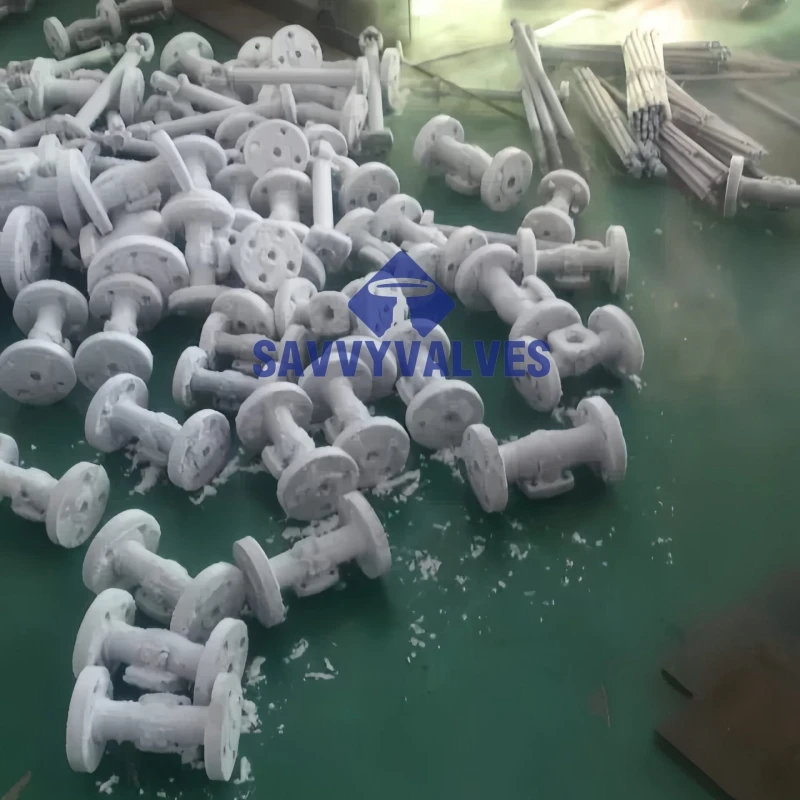
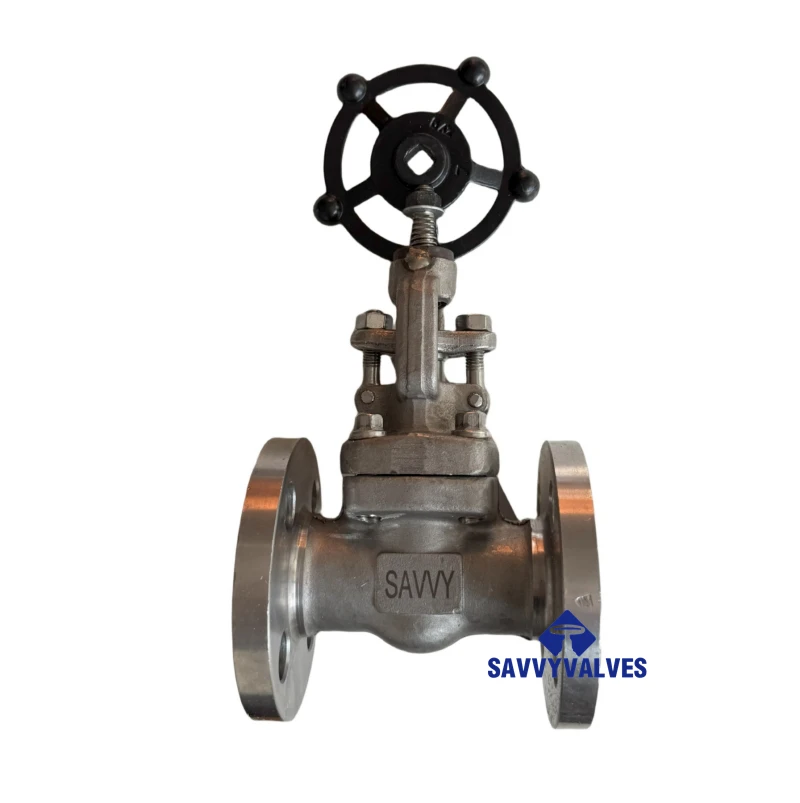
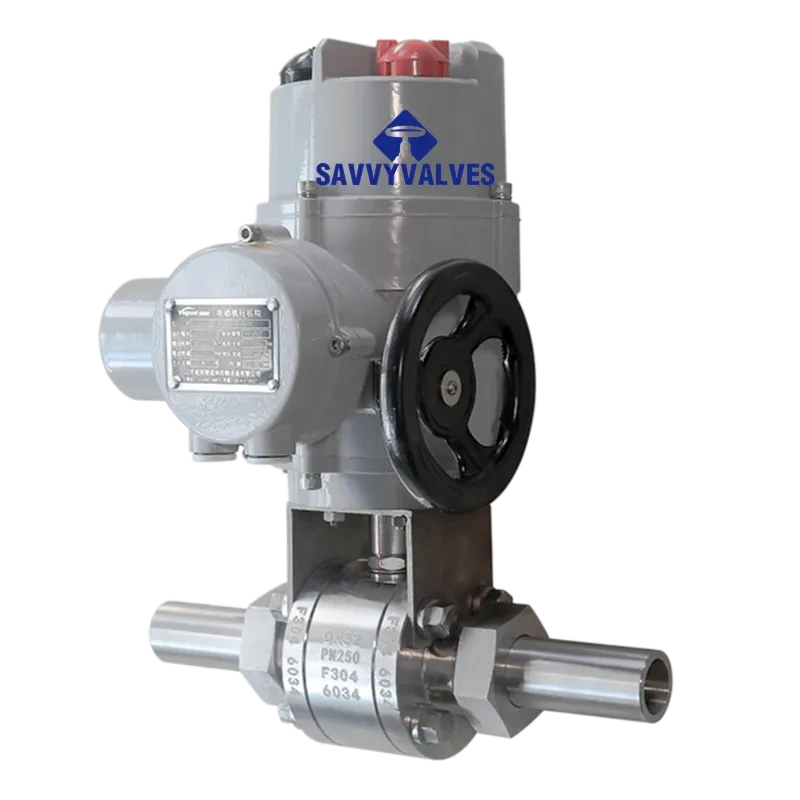
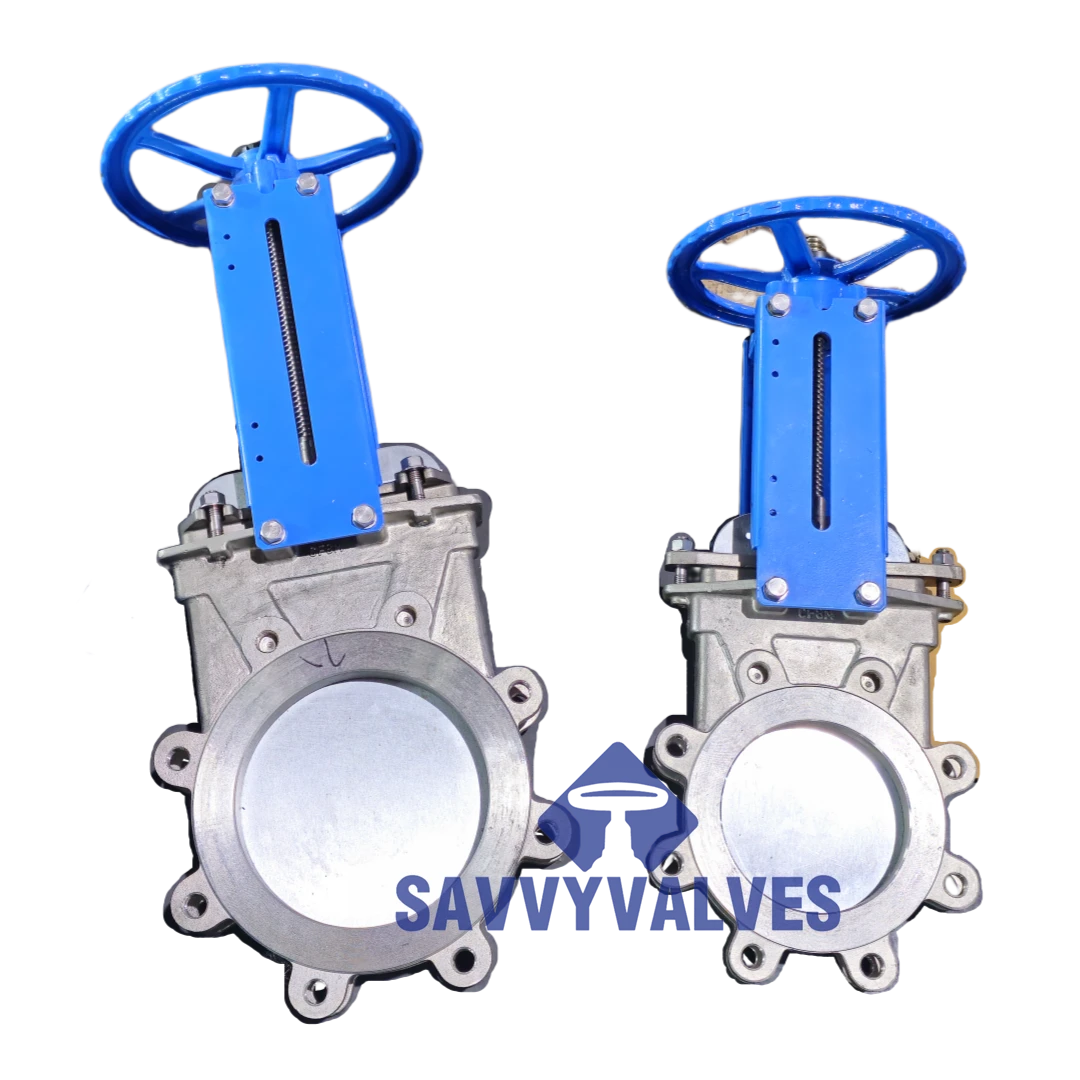
Cryogenic applications, such as liquefied natural gas (LNG) storage and transportation, petrochemical low-temperature processes, and aerospace fuel systems, demand valves that can withstand extreme low temperatures (typically below -150°C) while ensuring absolute safety and reliability. Cryogenic valves, including cryo ball valve and cryo check valve, must comply with stringent safety standards and certifications to mitigate risks of leakage, material brittle fracture, and system failure. SAVVY VALVES CO.,LTD., with decades of engineering expertise, integrates advanced cryogenic technologies into its valve solutions, delivering products that meet and exceed API, ASME, EN, and ISO international standards. Serving key cryogenic sectors like oil & gas and petrochemicals, Savvy Valves offers OEM manufacturing services and a comprehensive range of cryogenic valves tailored for wholesalers and their industrial clients. While specialized valves like knife gate valves excel in handling slurries in auxiliary processes, cryogenic valves with certified safety designs are critical for core low-temperature fluid control. This article explores the core safety standards, certification requirements, and compliance value of cryogenic valves, helping wholesalers highlight the reliability and regulatory compliance of these valves to their clients.
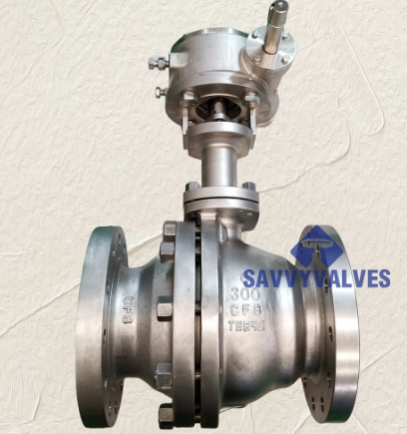
Core International Safety Standards For Cryogenic Valves
- API 602 and API 6D Standards: API 602 (Compact Steel Gate Valves, Globe Valves, and Check Valves for Low-Temperature Service) specifies strict requirements for cryogenic valves materials, design, and testing, ensuring they maintain performance at temperatures as low as -196°C. API 6D (Pipeline Valves) complements this by regulating cryo ball valve and cryo check valve for cryogenic pipeline applications, covering pressure ratings and leakage control.
- ASME B16.34 Standard: This standard focuses on the pressure-temperature rating of cryogenic valves, requiring materials to resist brittle fracture under extreme low temperatures. It also specifies dimensional tolerances for valve components, ensuring compatibility across cryogenic systems. Savvy Valves’ cryogenic valves strictly adhere to ASME B16.34 to meet global industrial application requirements.
- EN 12516 Standard: As a key European standard for cryogenic valves, EN 12516 defines testing methods and performance criteria for valves used in cryogenic fluid systems. It emphasizes tightness testing at cryogenic temperatures, ensuring cryo ball valve and cryo check valve prevent leakage of flammable or toxic cryogens.
Key Certification Requirements For Cryo Ball Valve And Cryo Check Valve
|
Certification Type |
Core Requirements For Cryogenic Valves |
Operational Compliance Value |
Wholesale Guidance Value |
|
Low-Temperature Performance Certification |
Pass pressure testing and tightness testing at designated cryogenic temperatures (e.g., -162°C for LNG applications) |
Ensures valves operate reliably in actual cryogenic working conditions, reducing failure risks |
Helps wholesalers demonstrate product reliability to clients in LNG and petrochemical sectors |
|
Material Quality Certification |
Materials must be certified for cryogenic suitability, with no brittle fracture at low temperatures |
Guarantees valve structural integrity, avoiding catastrophic accidents due to material failure |
Meets clients’ strict material requirements, strengthening trust in product safety |
|
Fire-Safe Certification (API 607/6FA) |
For cryogenic valves in flammable fluid systems, pass fire resistance testing to maintain sealing after fire |
Enhances system safety in high-risk cryogenic applications, complying with environmental and safety regulations |
Expands product applicability to high-risk sectors, increasing wholesalers’ market scope |
Safety Design Compliance Of Cryogenic Valves With Standards
- Thermal Insulation And Anti-Condensation Design: To comply with cryogenic standards, cryogenic valves adopt thermal insulation structures to prevent heat ingress and condensation. This design ensures the valve body maintains low-temperature stability, avoiding performance degradation caused by temperature fluctuations. Savvy Valves’ cryo ball valve integrates advanced insulation materials to meet standard requirements.
- Sealing System Optimization: Standards require cryogenic valves to have reliable sealing performance at low temperatures.Cryo check valve and cryo ball valve use low-temperature-resistant sealing materials (e.g., PTFE composites, metal gaskets) and double-sealing structures, ensuring no leakage of cryogenic fluids. This design strictly complies with API and ASME sealing requirements.
- Pressure Relief Device Integration: Many cryogenic standards mandate pressure relief devices for cryogenic valves to prevent overpressure caused by cryogen vaporization. These devices automatically release excess pressure, protecting the valve and the entire fluid system. Savvy Valves integrates compliant pressure relief structures into its cryogenic valve designs.
Compliance Benefits Of Certified Cryogenic Valves For Wholesalers
- Market Access Expansion: Certifiedcryogenic valves (meeting API, ASME, EN standards) can enter global markets, helping wholesalers expand their business internationally. Savvy Valves’ cryo ball valve andcryo check valve with multi-standard compliance facilitate wholesalers’ global market development.
- Client Trust Enhancement: Compliance with authoritative standards and certifications serves as a strong guarantee of product quality. Wholesalers can use certification documents to demonstrate the reliability of cryogenic valves, enhancing client trust and promoting long-term cooperation.
- Risk Mitigation For Clients: Certified cryogenic valves reduce the risk of system failures and safety accidents for clients, minimizing their operational and legal risks. This value proposition helps wholesalers differentiate their products in the competitive cryogenic valve market.
Cryogenic Valves FAQs
What Are The Core Standards For Cryogenic Valves Used In LNG Applications
The core standards for LNG application cryogenic valves include API 602 (for low-temperature compact valves), API 6D (for pipeline valves), and ASME B16.34 (for pressure-temperature rating). These standards require valves to withstand -162°C (LNG boiling point), maintain tight sealing, and resist material brittle fracture. Savvy Valves’ cryo ball valve and cryo check valve fully comply with these standards for LNG applications.
Why Is Material Certification Critical For Cryogenic Valves
Material certification is critical because common materials become brittle at cryogenic temperatures, leading to structural failure. Certified materials for cryogenic valves are verified to maintain toughness and strength at extreme low temperatures, avoiding brittle fracture and leakage. Without material certification, valves pose significant safety risks in cryogenic applications, failing to meet regulatory and operational requirements.
Do Cryo Check Valve And Cryo Ball Valve Require The Same Certification Standards
They share basic cryogenic standards (e.g., API 602, ASME B16.34) but may have specific requirements based on function. For example, both cryo check valve and cryo ball valve must meet low-temperature performance standards, but cryo ball valve for pipeline applications may also need to comply with API 6D (pipeline valve standard) for flow control performance, while cryo check valve focuses more on backflow prevention certification criteria.
How Can Wholesalers Verify The Authenticity Of Cryogenic Valves Certifications
Wholesalers can verify certification authenticity by checking official certification documents issued by authoritative organizations (e.g., API, ASME, EN certification bodies). They can also verify the certification number through the certifying body’s official website. Savvy Valves provides complete, traceable certification documents for all cryogenic valves, ensuring wholesalers and their clients can easily verify authenticity.
What After Sales Support Does Savvy Valves Offer For Wholesale Certified Cryogenic Valves
For wholesale certified cryogenic valves, Savvy Valves provides comprehensive after-sales support, including certification document provision, technical training on standard compliance and installation, on-site debugging assistance, timely supply of certified spare parts, and professional guidance on maintenance. Our engineering team addresses compliance-related issues, helping wholesalers enhance client satisfaction and maintain long-term cooperation.
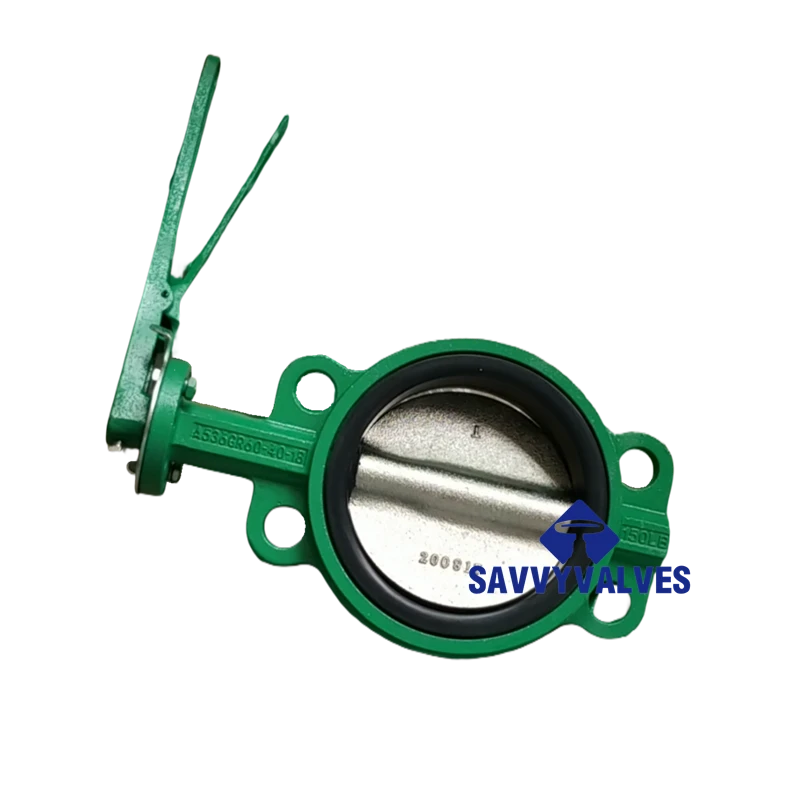
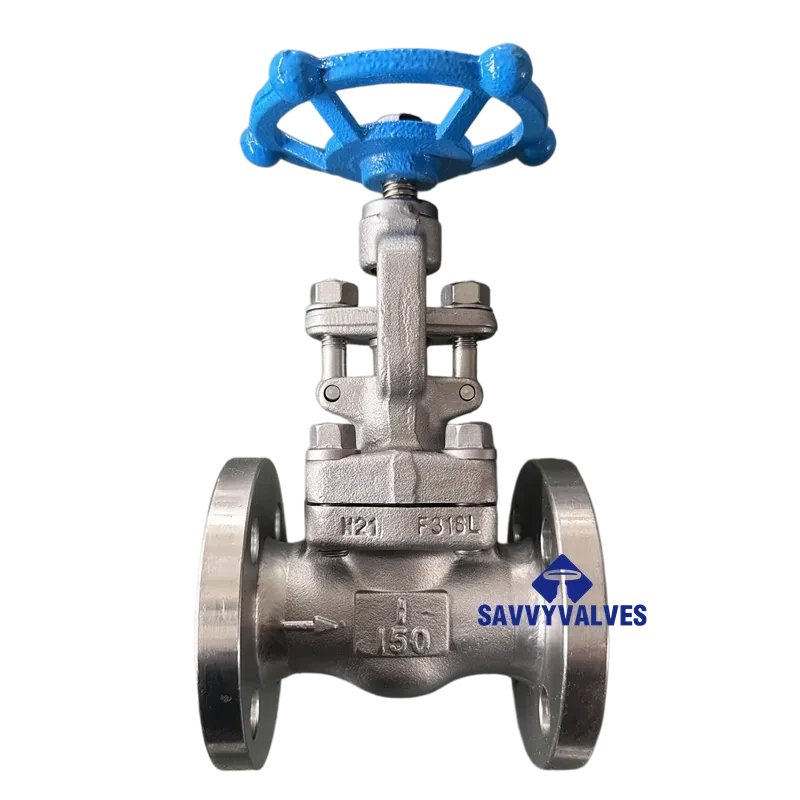
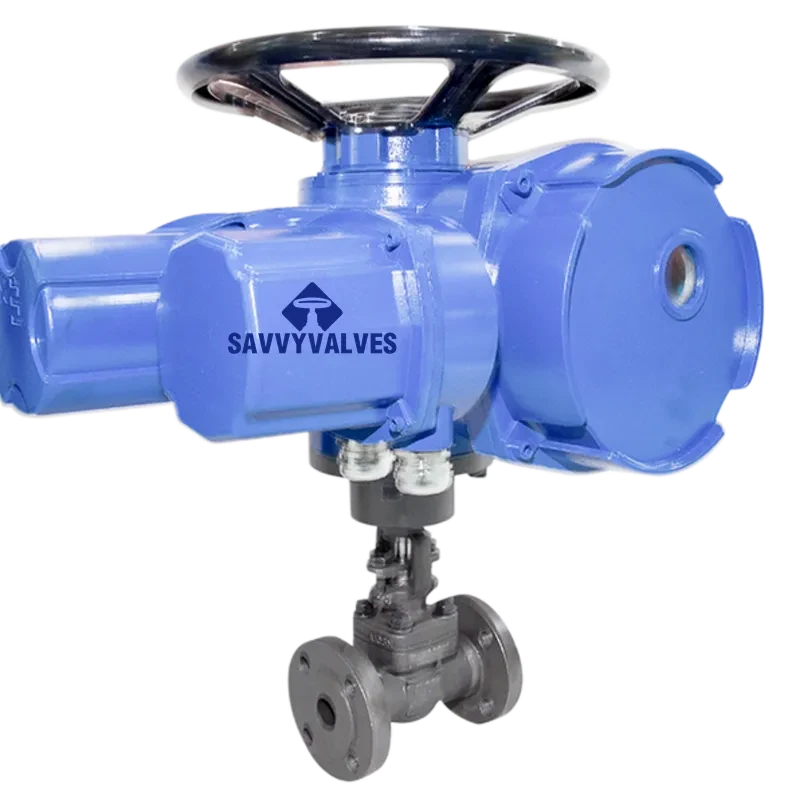


 English
  Arabic
  Azerbaijani
  Czech
Czech  Dutch
Dutch  French
  German
  Indonesian
  Italian
  Japanese
  Korean
  Malay
Malay  Persian
  Polish
  Portuguese
  Russian
  Spanish
  Thai
Thai  Vietnamese