
Understanding the Fire Butterfly Valve: Essential Insights for Global Industries
When you hear the term fire butterfly valve, it might sound like just another industrial component. But frankly, these valves play a crucial role in safeguarding infrastructure and people worldwide. From oil & gas facilities to municipal water networks, understanding this valve’s function and advantages helps organizations stay safe and compliant while optimizing performance.
In a world increasingly focused on safety standards and sustainability, the fire butterfly valve is more relevant than ever. It’s a simple device with a big impact—controlling flow and preventing disaster in some of the toughest environments. So, why not dig a little deeper into what it is, who needs it, and why it truly matters on a global scale?
Global Context & Why Fire Butterfly Valves Matter
Globally, industries face rising demands for safe, reliable flow control solutions. According to the International Organization for Standardization (ISO), over 75% of industrial incidents involving fluid equipment could be traced back to valve failures or malfunctions.[1] That’s no small problem given the scale of critical systems relying on fluid management — from chemical plants in China to petrochemical refineries in the Middle East.
For instance, fire-related accidents in such environments can have catastrophic consequences, both human and environmental. The fire butterfly valve exists as an engineered solution designed to meet strict fire safety standards, including ISO 10497, which defines fire testing for valves.
In short, these valves aren’t just about controlling flow: they’re about mitigating risk, protecting assets, and ultimately saving lives.
What Is a Fire Butterfly Valve?
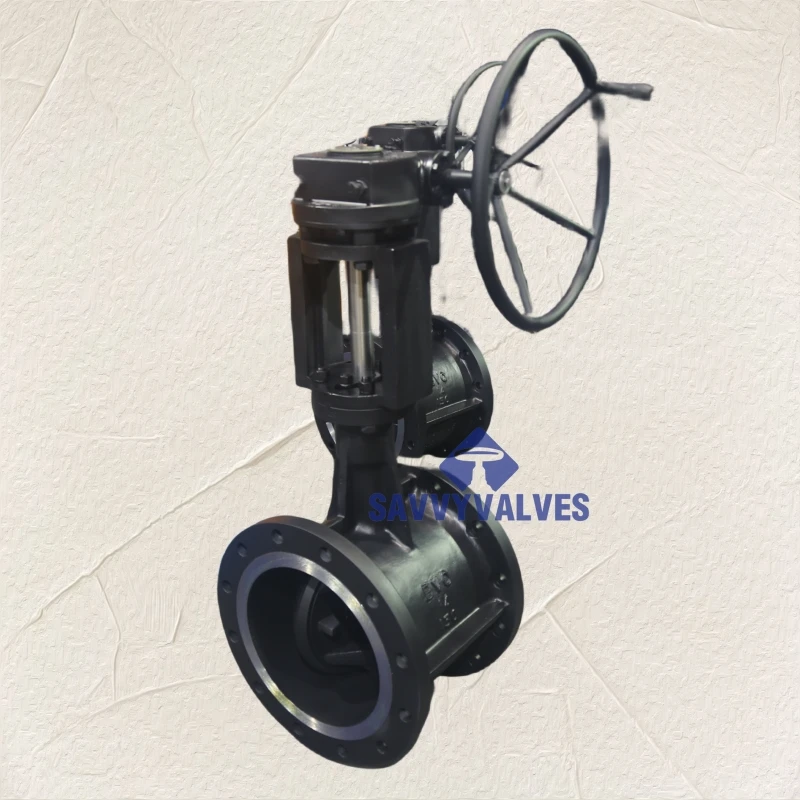
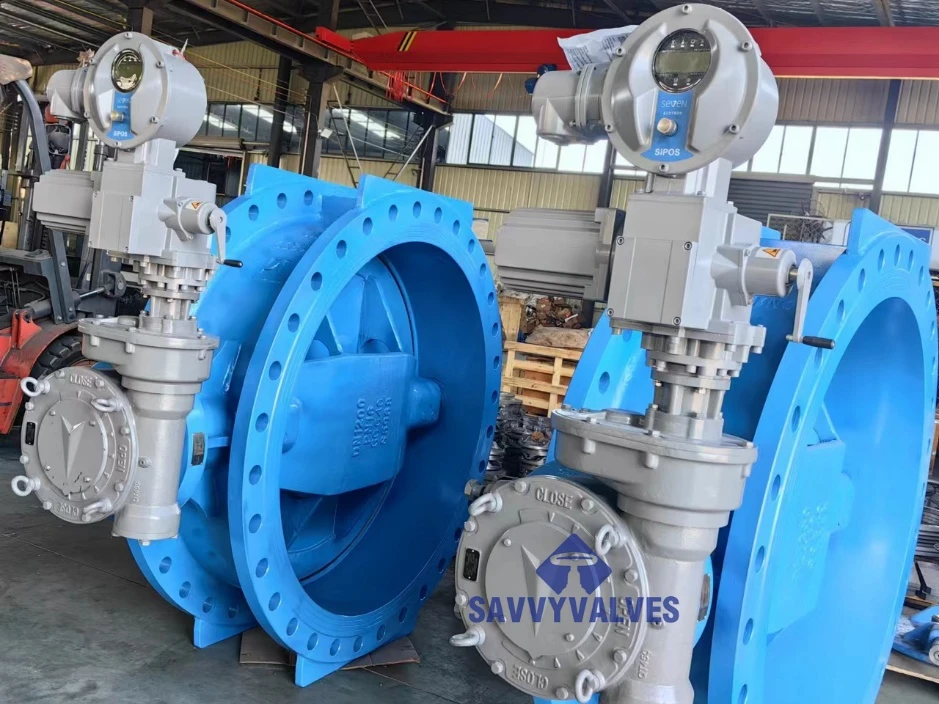
Simply put, a fire butterfly valve is a type of quarter-turn valve used to isolate or regulate fluid flow, specifically designed to withstand and function in high-temperature fire conditions. Imagine a disc mounted on a shaft inside a pipe — turning just 90 degrees opens or closes this disc to start or stop flow.
But unlike standard butterfly valves, fire butterfly valves incorporate fireproof seals and materials engineered to maintain operational integrity during and after exposure to extreme heat. This makes them indispensable in systems where fire safety compliance is mandatory.
In today’s industrial landscape, where fire hazards remain an ever-present threat, this valve type bridges modern technology and safety protocols, offering a dependable line of defense.
Key Features of Fire Butterfly Valves
1. Durability & Fire Resistance
The main criterion: the valve’s ability to maintain leak tightness and operability after exposure to intense heat (usually 800°C or more). Fire resilient seals and metal-to-metal seats are typical, preventing dangerous leaks even in the worst fire scenarios.
2. Material Composition
Most fire butterfly valves use a combination of stainless steel discs and shafts with high-grade, fire-resistant elastomers. These materials are chosen not only for durability but also for corrosion resistance – important in harsh environments like offshore platforms.
3. Quick Operation
The quarter-turn mechanism allows fast on/off control. This speed is critical when isolating hazardous flows during emergencies.
4. Sizes & Pressure Ratings
Available in a wide range of diameters and rated pressures, these valves can fit everything from small instrumentation lines to major pipeline segments.
5. Compliance & Certification
Meeting industry standards like API 607 or ISO 10497 is a given. Certified valves ensure buyers and operators that fire safety requirements are actually met — which is reassuring when compliance audits come knocking.
| Specification | Typical Range | Description |
|---|---|---|
| Size | 2" to 48" | Suitable for small to large pipelines |
| Pressure Rating | 150 to 600 PSI | Handles typical industrial pipeline pressures |
| Operating Temp. | Up to 200°C (normal), Fire tested to 800°C+ | Able to sustain functionality during fires |
| Body Material | Carbon Steel / Stainless Steel | Corrosion-resistant for various environments |
| Standards | API 607, ISO 10497 | Fire performance and safety compliance |
Fire Butterfly Valve Vendors: A Quick Comparison
| Vendor | Fire Certification | Material Options | Price Range |
|---|---|---|---|
| ValveTech Solutions | API 607, ISO 10497 | Carbon steel, Stainless steel | $$$ |
| SafeFlow Inc. | API 607 Certified | Stainless steel only | $$ |
| Global Valve Corp. | ISO 10497 & API 607 | Carbon steel, Alloy steel | $$$$ |
Real-World Applications & Industries Benefiting
Oddly enough, fire butterfly valves find homes in places you might not expect at first glance. Yes, petrochemical refineries and offshore oil rigs are obvious. But they are also critical in power generation plants (especially nuclear or gas turbine facilities) and municipal water treatment plants where fire risk may not be as obvious but still real.
In some post-disaster relief operations, when temporary pipelines are installed to provide emergency water or fuel, installing fire-rated valves like these ensures the makeshift infrastructure doesn’t explode into an even bigger crisis.
Regions prone to wildfires or industrial accidents—think California or parts of the Middle East—have started mandating fire butterfly valves as part of their stringent fire safety codes.
Benefits & Long-Term Value
- Reliability: Maintains performance under extreme fire scenarios, significantly reducing safety risks.
- Cost Efficiency: Although initial costs can be higher, preventing fire damage can save millions in repairs and liability.
- Sustainability: Durable materials mean longer service life, reducing waste and downtime.
- Peace of Mind: Operators and insurers value certified valves that help pass safety inspections and audits.
From an emotional standpoint, knowing your infrastructure won’t fail during a fire builds trust and confidence among workers and communities—something you can’t easily put a price on.
Future Trends & Innovations
Manufacturers are racing ahead with innovations like digital integration—sensors embedded in valves to monitor temperature and integrity in real time. The rise of green energy also calls for valves that perform reliably in new conditions like hydrogen pipelines, where fire properties differ from traditional fuels.
Plus, advanced composite materials and coatings promise lighter, more corrosion-resistant valves that still meet tough fire test standards. It seems obvious that automation and remote monitoring will become standard — especially as Industry 4.0 concepts take hold.
Challenges & How Industry Tackles Them
One persistent challenge is balancing fire resistance with operational ease. Some fire-rated seals can stiffen or degrade faster when cycled frequently under normal conditions, leading to higher maintenance. Experts suggest routine in-service testing and newer seal materials to alleviate this.
Another issue is cost: deploying certified fire butterfly valves system-wide demands upfront investment, sometimes a tough sell in budget-conscious projects. Solution? Lifecycle cost analysis that highlights long-term savings and risk mitigation.
Frequently Asked Questions About Fire Butterfly Valves
- What distinguishes a fire butterfly valve from a standard butterfly valve?
- Fire butterfly valves are specially designed and tested to maintain leak tightness and operation during and after exposure to high temperatures (often 800°C or more). Standard valves typically fail under these extreme conditions due to seal degradation.
- Can fire butterfly valves be used in water pipelines, or are they only for oil and gas?
- They’re definitely used in water pipelines too, especially in municipal or industrial settings where fire safety compliance is required. The key is ensuring the valve materials are compatible with the fluid and meet fire standards.
- How do I ensure the fire butterfly valve I buy is truly certified?
- Always check for certifications such as API 607 or ISO 10497 on product documentation or vendor websites. Third-party testing reports provide additional confidence.
- Are fire butterfly valves customizable or only available in standard sizes?
- Most vendors offer a range of sizes and materials and can customize certain features to fit project-specific needs, from actuator types to flange connections.
- What maintenance is required for these fire-resistant valves?
- Routine inspections for seal wear, lubrication of shafts, and operational testing post-fire exposure (if it occurs) are essential to maintain reliability over time.
Conclusion
The fire butterfly valve stands out as a quiet hero in fluid control systems, combining simplicity, durability, and safety in one versatile package. From meeting strict fire protection regulations to supporting sustainable, reliable operations, it’s a smart, future-ready choice for industries worldwide. If you want to ensure your systems stay resilient against the fire hazards of tomorrow, learning about and investing in these valves is the way forward.
Curious to explore options or need expert advice? Visit our website for detailed tech specs, certifications, and custom solutions tailored to your needs.
Mini takeaway: Fire butterfly valves might seem humble, but they’re vital guardians in industrial safety. Ignoring their importance is costly and risky – investing wisely saves far more in the long run.
References:
1. ISO 10497 - Fire type-testing of valves
2. Butterfly Valve – Wikipedia
3. American Petroleum Institute (API) Standards


 English
  Arabic
  Azerbaijani
  Czech
Czech  Dutch
Dutch  French
  German
  Indonesian
  Italian
  Japanese
  Korean
  Malay
Malay  Persian
  Polish
  Portuguese
  Russian
  Spanish
  Thai
Thai  Vietnamese