
Understanding the Exhaust Butterfly Valve: Why It Matters Globally
At first glance, you might wonder why the humble exhaust butterfly valve plays such a critical role in industries across the world. It’s a deceptively simple device, yet it acts as a vital control point in many systems—especially those handling exhaust gases, making operations safer, more efficient, and often more environmentally friendly.
Globally, with increasing pressure to improve air quality and reduce emissions, exhaust control technologies like butterfly valves are front and center. For instance, according to the International Organization for Standardization (ISO), industries constantly strive to meet strict environmental regulations. Butterfly valves help in regulating flows, enabling better combustion, and controlling exhaust discharge, which aligns directly with those aims.
Key takeaway: Knowing about exhaust butterfly valves isn’t just for engineers—it’s for anyone invested in sustainable industry and environmental stewardship worldwide.
Global Context: Why the Exhaust Butterfly Valve Has Become Indispensable
Industries are operating with a tighter rein on emissions than ever before. In fact, the United Nations Environment Programme highlights that urban and industrial exhaust emissions are a prime source of pollution affecting millions globally. The exhaust butterfly valve is a solution that bridges technological need with environmental responsibility. It allows control over exhaust gas flow rates in engines, power plants, or processing units, making it easier to meet standards like the ISO 14001 environmental management.
Yet, challenges persist: exhaust systems must handle high temperatures, corrosive gases, and fluctuating pressures. A valve failure here isn’t just a mechanical nuisance—it can be a costly environmental risk. Hence the exhaustive focus on valve design, material choice, and reliability.
Defining the Exhaust Butterfly Valve
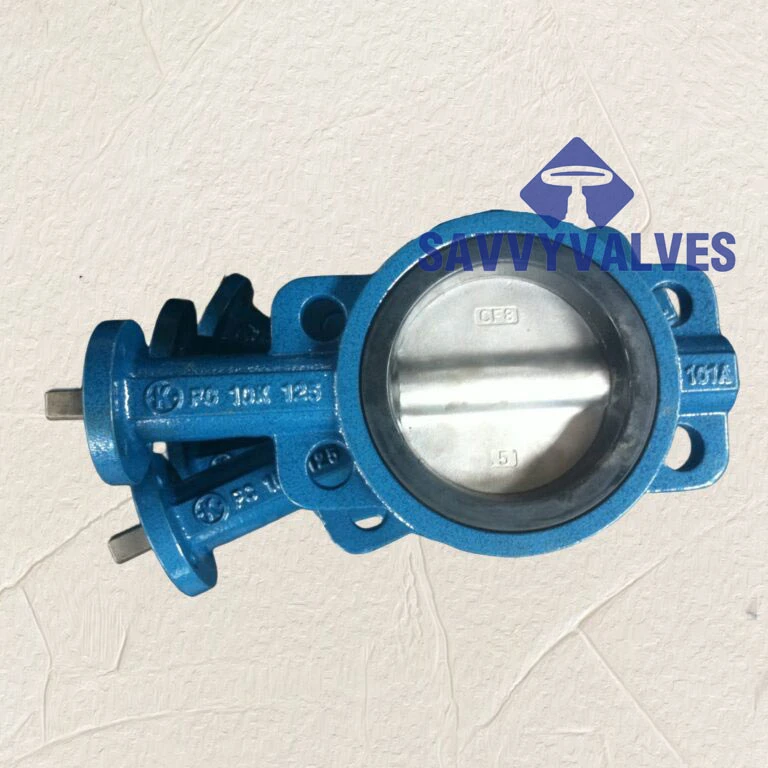
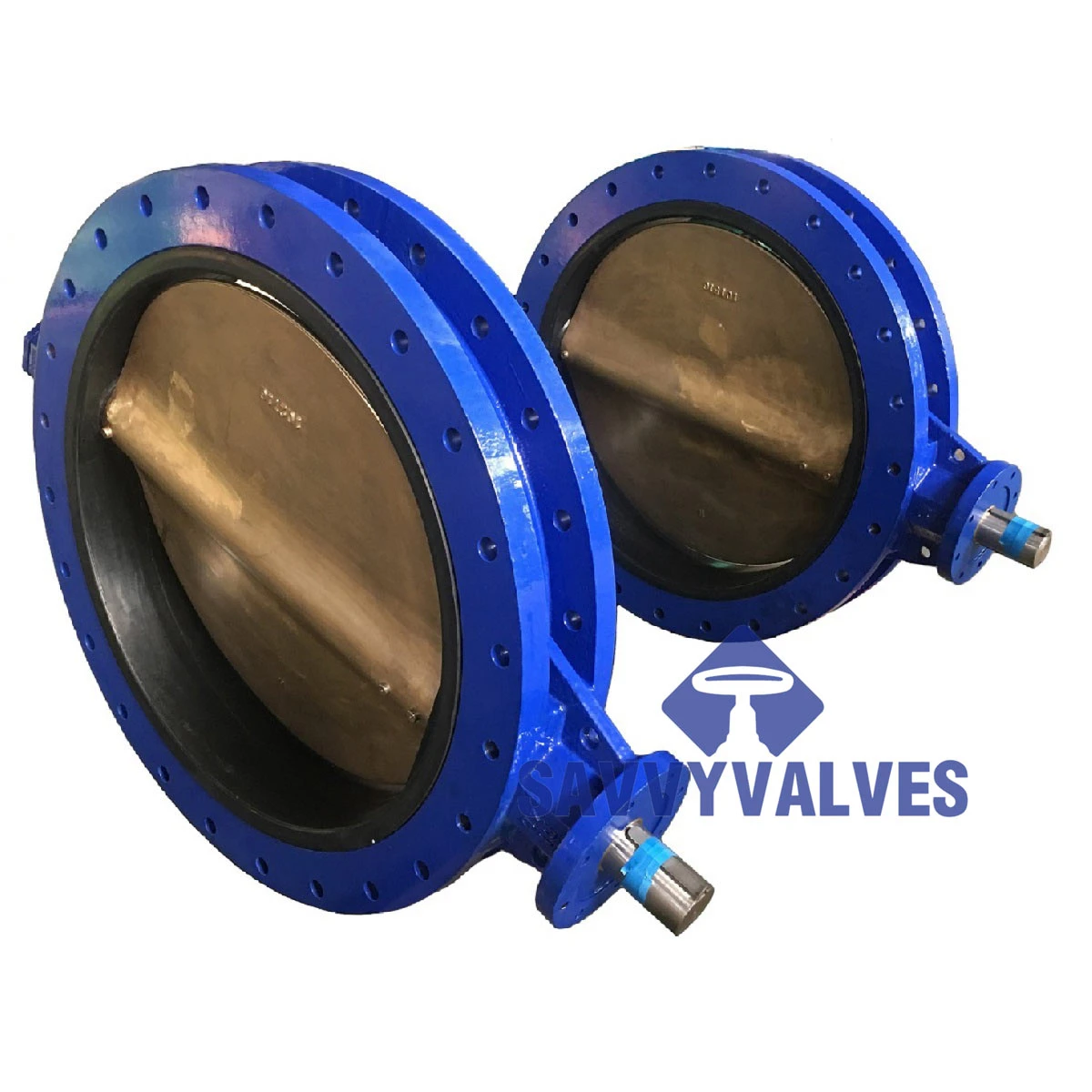
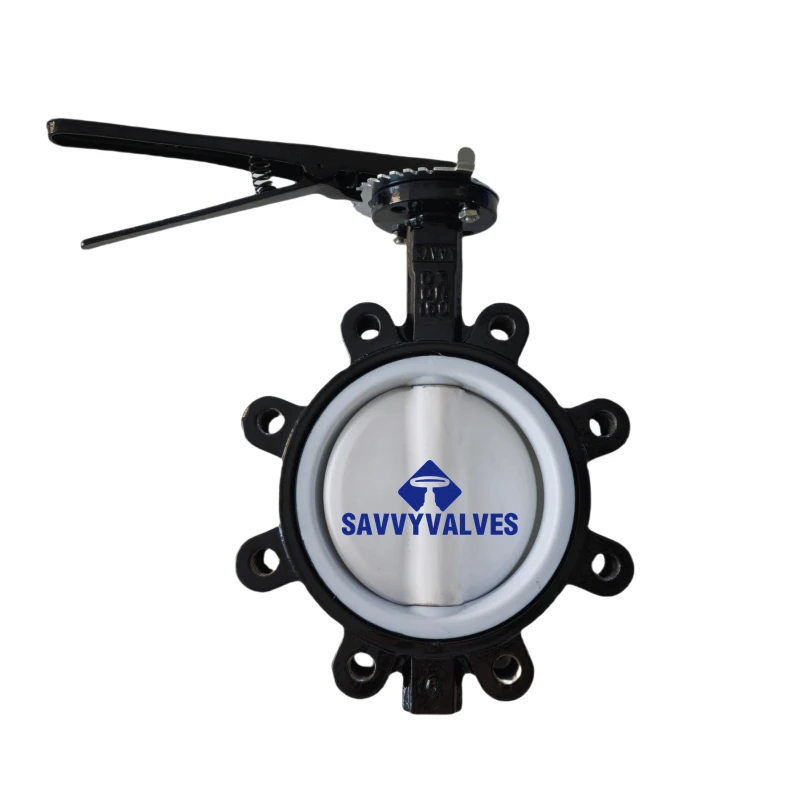
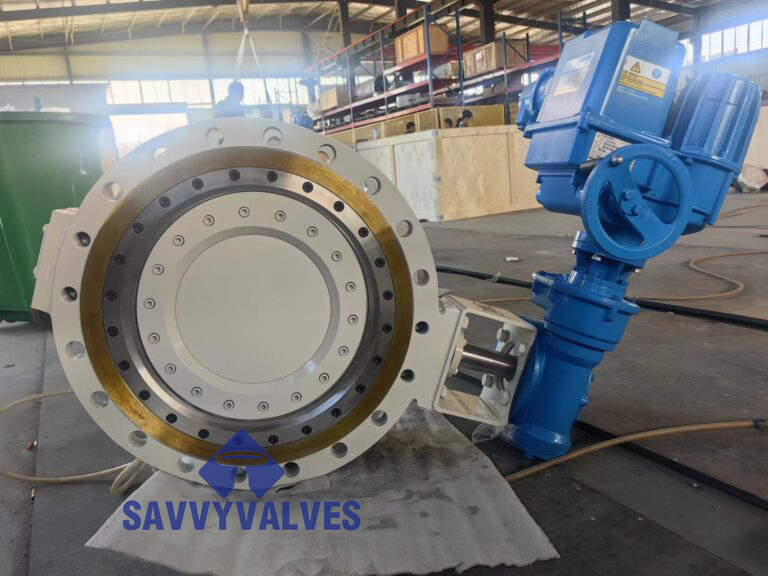
Simply put, an exhaust butterfly valve is a type of quarter-turn valve used to regulate the flow of exhaust gases. Think of it as a circular disc mounted on a shaft, which rotates to open or close flow channels.
Unlike other valves that might open gradually, the butterfly opens quickly and seamlessly, giving operators either full or partial control. Its compactness and relatively low cost make it prevalent in automotive exhaust systems, industrial power plants, and even in some HVAC applications.
It’s not just an industrial tool but also a piece of the sustainability puzzle. It connects mechanical function to broader humanitarian goals like reducing air pollution and improving worker safety.
Core Features of Exhaust Butterfly Valves
- Durability: Operating in hot and corrosive exhaust streams demands materials like stainless steel and high-temperature alloys that resist wear and chemical attack.
- Precision Control: The valve’s ability to modulate flow rates controls emissions and maximizes engine efficiency, critical in today's low-emission zones.
- Compactness: Its slim profile suits confined spaces—important in automotive or retrofitted plants where space is tight.
- Cost Efficiency: Compared to more complex valves, butterfly valves are easier to maintain and often cheaper to produce.
- Automation Compatibility: Many come with actuators for remote or computerized operation, enhancing integration with modern industrial control systems.
Mini takeaway: These features aren’t isolated; they empower industries to meet operational needs while sustaining environmental goals.
Product Specifications of a Typical Exhaust Butterfly Valve
| Specification | Details |
|---|---|
| Material | Stainless Steel (316L), Inconel for high temp |
| Size Range | 2" to 36" diameter |
| Temperature Rating | Up to 700°C (1292°F) |
| Pressure Class | Class 150 to 600 |
| Actuator Type | Manual, Pneumatic, Electric |
| Seal Type | PTFE, Graphite for temperature stability |
Where Are Exhaust Butterfly Valves Used Globally?
They’re everywhere—from automakers in Germany, governing exhaust flows to minimize nitrogen oxide emissions, to power stations in India that need reliable valve solutions for coal-fired plants. In remote industrial zones—say, oil fields in the Middle East—these valves endure harsh environments ensuring safety and uninterrupted operation.
Adding a little specificity: In post-disaster relief or emergency power setups, quick-acting exhaust valves help maintain machinery that powers essential services, reflecting an unexpected humanitarian dimension. And in wastewater treatment plants around urban centers, they manage exhaust gases safely, protecting workers and residents alike.
One noteworthy example is the widespread use of advanced exhaust butterfly valve systems in Japan’s energy sector where sophistication meets dense urban regulations.
Vendor Comparison: Exhaust Butterfly Valve Manufacturers
| Vendor | Material Quality | Price Range | Customization Options | Automation Ready |
|---|---|---|---|---|
| ValvePro Inc. | High-grade stainless steel | $$$ | Full customization | Yes |
| FlowControl Ltd. | Standard grade steel | $$ | Limited | Manual only |
| EcoValve Solutions | Corrosion-resistant alloys | $$$ | Moderate | Pneumatic & Electric |
Advantages & Long-Term Value of Exhaust Butterfly Valves
Beyond their technical specs, these valves bring measurable benefits: reduced downtime, improved emission compliance, and operational safety. There’s also a social dimension — better air quality means healthier communities around industrial hubs. And frankly, engineers I’ve spoken with say reliability here can’t be overstated. A valve failure stops production and risks environmental penalties.
Emotionally, knowing the equipment running a plant has robust controls brings a sense of safety and trust, rarely discussed but deeply felt on the factory floor. Long-term, installing quality butterfly valves contributes to sustainability efforts and cost savings on repairs or replacements.
Future Trends & Innovations in Exhaust Butterfly Valve Technology
Oddly enough, the future isn’t just about stronger metals but smarter valves. Digitalization and IoT integration allow continuous valve condition monitoring and predictive maintenance, minimizing unexpected failures. Meanwhile, new materials like composites promise even lighter, corrosion-proof parts.
The move toward greener energy systems also means valves adapting to biofuel exhaust streams or hybrid engines with stricter control needs. Environmental policies will only tighten, pushing valve manufacturers to innovate rapidly.
Common Challenges and How Experts Address Them
One big challenge is balancing durability with cost — expensive alloys increase lifespan but raise prices. Also, sealing effectiveness under fluctuating temperatures and pressures poses design hurdles. Experts are tackling these with advanced computational fluid dynamics modeling and new sealing materials tailored to specific exhaust chemistries.
For operators, automation integration can be tricky without skilled technicians, so many vendors offer tailored training and support packages today.
FAQ: Your Exhaust Butterfly Valve Questions Answered
- Q: What makes an exhaust butterfly valve better than other valve types for exhaust control?
A: Butterfly valves offer quicker operation, compact size, and lower cost while providing sufficient flow control needed for exhaust gases. Their design suits high-temperature environments better than some alternatives. - Q: How often should exhaust butterfly valves be inspected or replaced?
A: Inspection frequency depends on operating conditions, but a typical recommendation is annual checks with maintenance or replacement every 3–5 years in harsh environments. - Q: Are there eco-friendly exhaust butterfly valve options?
A: Yes, valves built from recycled materials or advanced alloys that improve durability and reduce waste are increasingly available. Plus, smart valves that optimize flow contribute indirectly to eco-friendliness. - Q: Can exhaust butterfly valves be automated for remote monitoring?
A: Absolutely. Many modern valves come with electric or pneumatic actuators suitable for integration into industrial control systems, enabling remote operation and status monitoring.
Conclusion
Overall, the exhaust butterfly valve is both a workhorse and a quiet hero in the quest for cleaner, safer, and more efficient industrial processes worldwide. Its technical attributes and cost-effective nature keep it relevant, while ongoing innovations ensure its future significance.
If you’re looking to deepen your understanding or source quality exhaust butterfly valves, be sure to visit our website for detailed product information and expert advice.
To wrap it up — no matter the scale of your operation, mastering the right valve choice isn’t just smart, it’s essential.
1. ISO Standards: ISO.org | 2. UN Environment: unep.org | 3. Valve Industry Resources: Valve World Magazine


 English
  Arabic
  Azerbaijani
  Czech
Czech  Dutch
Dutch  French
  German
  Indonesian
  Italian
  Japanese
  Korean
  Malay
Malay  Persian
  Polish
  Portuguese
  Russian
  Spanish
  Thai
Thai  Vietnamese