
Erosion is a critical challenge for choke valve in wellhead systems, where high-velocity fluids, abrasive particles, and corrosive media combine to degrade valve components over time. From precision-engineered choke control valve that regulate flow rates to robust choke valve actuator systems that ensure precise operation, even minor erosion can lead to leaks, reduced efficiency, and unplanned downtime—costly consequences for oil & gas, petrochemical, and power generation operations. 2025 SAVVY VALVES CO.,LTD, industrial valve manufacturing with decades of engineering expertise, specializes in high-performance choke valve in wellhead, choke control valve, and choke valve actuator solutions designed to resist erosion and meet international standards (API, ASME, ISO). Their precision-engineered valves, paired with expert erosion mitigation strategies, help wholesalers deliver products that maximize operational reliability and minimize maintenance costs for clients in the world’s most demanding applications. For wholesalers targeting oilfield contractors, wellhead equipment suppliers, or energy companies, partnering with Savvy Valves means accessing erosion-resistant valve solutions backed by professional technical support and reliable service.
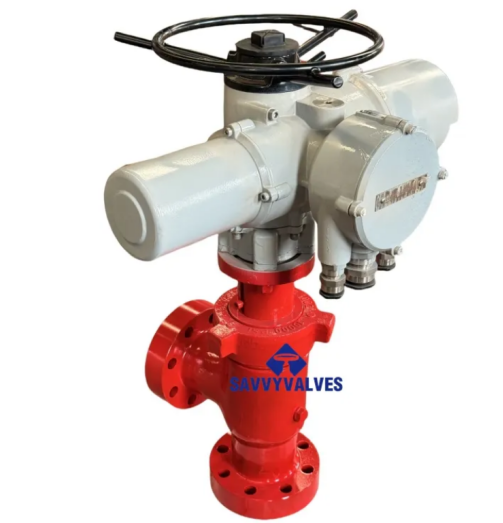
Causes of Erosion in Choke Valve in Wellhead
- High-Velocity Fluid Flow and Abrasive Particle Impact: The primary cause of erosion in choke valve in wellhead is high-velocity fluid flow—when fluids pass through the valve’s restricted orifice, velocity increases dramatically, creating turbulent eddies that carry abrasive particles (sand, scale) at high speeds. These particles impact the valve’s internal surfaces (seat, trim, body), gradually wearing away metal and creating irregularities that worsen erosion over time. A wholesaler supplying offshore oil rigs reported that unmitigated erosion reduced choke control valve lifespan by 50%, leading to frequent replacements and operational disruptions.
- Corrosive Media and Chemical Erosion: In addition to mechanical abrasion, choke valve in wellhead often face chemical erosion from corrosive fluids (e.g., sour crude, brine, or acidic gases) that react with the valve’s metal components. This corrosion weakens the metal’s surface, making it more susceptible to mechanical erosion and accelerating component failure. Savvy Valves’ engineering team notes that the combination of corrosion and abrasion is responsible for 70% of erosion-related choke valve in wellhead failures in harsh oil & gas environments. A wholesaler serving petrochemical refineries noted that corrosive media increased erosion rates by 3x compared to non-corrosive applications.
Erosion-Resistant Design Features of Choke Control Valve
|
Component |
Erosion-Resistant Design Elements |
Savvy Valves Engineering Advantage |
Ideal Applications |
|
Choke Control Valve Trim |
Tungsten carbide coating (60–80 HRC hardness); streamlined flow path; replaceable trim inserts |
Precision-applied thermal spray coating; computer-simulated flow optimization; modular trim design |
High-abrasion wellheads (sand-laden fluids); high-pressure gas wells |
|
Choke Valve Actuator |
Sealed housing with dust/dirt protection; corrosion-resistant alloy components; reinforced linkage |
IP67-rated environmental protection; stainless steel actuator shafts; shock-absorbent mounting |
Offshore wellheads; harsh weather environments; remote operations |
|
Choke Valve in Wellhead Body |
Duplex stainless steel or Inconel construction; thickened wall sections; internal flow liners |
Advanced material selection (tested to 10,000+ hours of erosion resistance); pressure vessel-grade manufacturing |
Sour crude wells; high-temperature/pressure wellheads; corrosive media applications |
Preventive Measures for Choke Valve in Wellhead Erosion
- Proactive Maintenance and Inspection Schedules: Regular inspection and maintenance are critical to preventing severe erosion in choke valve in wellhead—Savvy Valves recommends monthly visual inspections of choke control valve external components, quarterly ultrasonic thickness testing (to detect internal erosion), and semi-annual trim replacement (for high-abrasion applications). The choke valve actuator should be calibrated quarterly to ensure precise flow control, as improper actuator operation can increase flow velocity and accelerate erosion. A wholesaler supplying onshore oilfields reported that clients following Savvy Valves’ preventive maintenance schedule reduced erosion-related failures by 60%, extending valve lifespan by 3–5 years.
- Fluid Conditioning and Particle Removal: Reducing the amount of abrasive particles in wellhead fluids is an effective way to minimize erosion—install pre-filter systems or desanders upstream of the choke valve in wellhead to remove sand, scale, and other solid particles. Savvy Valves also offers choke control valve with integrated particle traps that capture debris before it can impact critical valve components. A wholesaler serving hydraulic fracturing operations noted that fluid conditioning reduced choke valve in wellhead erosion by 45%, significantly lowering maintenance costs for clients.
Erosion Mitigation Solutions for Existing Choke Valve Systems
- Retrofit and Upgrade Options for Choke Control Valve: For existing choke control valve suffering from erosion, Savvy Valves offers retrofit solutions—replacing worn trim with erosion-resistant inserts, applying tungsten carbide coatings to internal surfaces, or upgrading to a streamlined flow path design. These retrofits can be completed on-site with minimal downtime, making them a cost-effective alternative to full valve replacement. A wholesaler supplying mature oilfields reported that retrofitting existing choke control valve with Savvy Valves’ erosion-resistant components saved clients 30–40% compared to replacing entire valves.
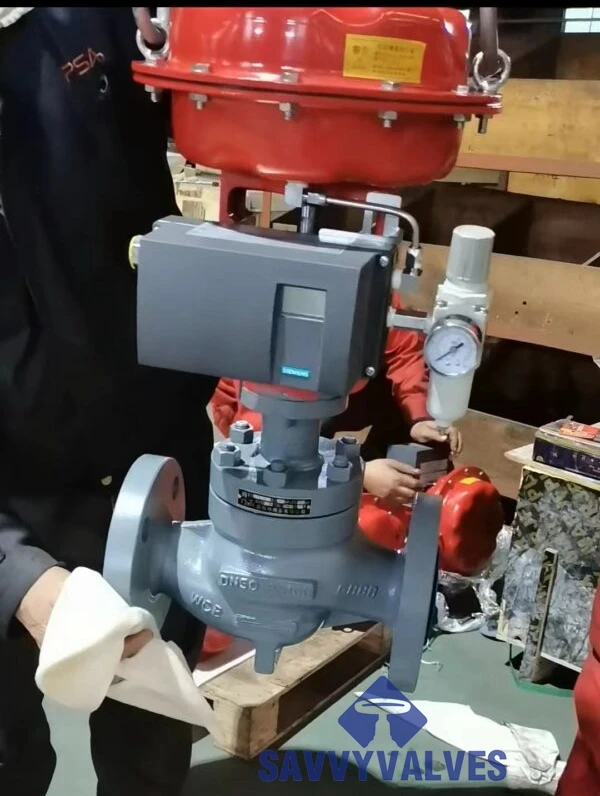
- Choke Valve Actuator Protection and Enhancement: Erosion isn’t limited to valve bodies—choke valve actuator components (linkage, shafts, seals) are also susceptible to environmental erosion (dust, sand, salt spray). Savvy Valves offers actuator retrofit kits that include corrosion-resistant coatings, sealed bearing assemblies, and protective covers to extend actuator lifespan in harsh wellhead environments. A wholesaler serving coastal wellheads noted that actuator retrofits reduced environmental erosion-related failures by 75%, ensuring reliable valve operation even in saltwater-rich conditions.
Choke Valve in Wellhead FAQS
How to Detect Early Signs of Erosion in Choke Control Valve?
Early erosion detection involves three key methods: 1) Ultrasonic thickness testing (measures internal wall thickness of choke control valve body/trim); 2) Pressure drop monitoring (unexpected increases in pressure drop indicate flow path restrictions from erosion); 3) Visual inspection of trim components (wear patterns, pitting, or material loss). Savvy Valves provides wholesalers with portable ultrasonic testing equipment recommendations and training resources to help clients implement effective early detection programs. A wholesaler supplying gas processing plants reported that early erosion detection reduced unplanned downtime by 70%, as clients could schedule maintenance before severe damage occurred.
Can Choke Valve Actuator Erosion Affect Valve Performance?
Yes—choke valve actuator erosion (e.g., corroded linkage, worn shafts, or damaged seals) can lead to imprecise flow control, increased flow velocity, and accelerated erosion of the choke control valve trim. In severe cases, actuator failure can cause the valve to stick in an open or closed position, leading to wellhead shutdowns. Savvy Valves’ choke valve actuator features sealed, erosion-resistant components that maintain performance even in harsh environments. A wholesaler serving remote wellheads noted that using Savvy Valves’ actuators reduced performance-related erosion by 50%, ensuring reliable flow control for extended periods.
What Is the Expected Lifespan of an Erosion-Resistant Choke Valve in Wellhead?
Savvy Valves’ erosion-resistant choke valve in wellhead has an expected lifespan of 5–8 years in high-abrasion applications (sand-laden fluids) and 8–12 years in moderate-duty applications, compared to 2–3 years for standard valves. The lifespan can be further extended with proper maintenance and fluid conditioning. A wholesaler supplying offshore wellheads reported that clients using Savvy Valves’ erosion-resistant valves reduced replacement costs by 60% over a 10-year period, delivering significant return on investment.
Are There Temperature Limitations for Erosion-Resistant Choke Control Valve?
Savvy Valves’ erosion-resistant choke control valve is designed to operate in temperatures ranging from -50°C to 600°C, making them suitable for most wellhead applications (including high-temperature steam injection wells and cryogenic gas wells). The tungsten carbide coatings and high-performance alloys used in these valves maintain their hardness and erosion resistance across this temperature range. A wholesaler serving thermal oil recovery projects noted that the valves performed reliably in 450°C+ wellheads, with no degradation in erosion resistance.
What Bulk Packaging Options Does Savvy Valves Offer for Choke Valve Components?
Savvy Valves provides bulk packaging for choke valve in wellhead components to meet wholesaler needs: replacement trim inserts and actuator parts are packaged in reinforced wooden crates with foam padding; coated components are sealed in anti-corrosion bags; and bulk orders include detailed part catalogs and cross-referencing guides. All packaging is designed to withstand international shipping (including offshore logistics), minimizing damage during transit. A wholesaler supplying global oilfield clients reported that Savvy Valves’ bulk packaging reduced transit damage by 90%, ensuring components arrive in pristine condition ready for installation.



 English
  Arabic
  Azerbaijani
  Czech
Czech  Dutch
Dutch  French
  German
  Indonesian
  Italian
  Japanese
  Korean
  Malay
Malay  Persian
  Polish
  Portuguese
  Russian
  Spanish
  Thai
Thai  Vietnamese