
Understanding the DN600 Butterfly Valve: Why It’s a Global Industrial Asset
When we talk about crucial components in piping systems worldwide, the dn600 butterfly valve might not be the flashiest item, but it’s certainly one of the most important. This valve, with its 600mm nominal diameter (DN600), serves a pivotal role in controlling flow in large-diameter pipelines across many industries. From water treatment plants in Southeast Asia to oil and gas pipelines in the Middle East, these valves regulate, isolate, and optimize fluid movements — tasks that keep many industrial processes running smoothly.
More than just a piece of metal in a pipeline, understanding the dn600 butterfly valve helps engineers and procurement folks worldwide ensure flow control systems are reliable, cost-efficient, and easy to maintain. And when society faces challenges like climate change, infrastructure development, or emergency water supply setups, these valves quietly make it all possible.
The Global Importance of DN600 Butterfly Valves
Globally, pipeline infrastructure is expanding — the UN’s World Water Development Report (2023) highlights that by 2050, the demand for potable and industrial water will rise nearly 40%. Efficient valves like the DN600 butterfly valve help industries adapt to this rising demand with minimal footprint.
In oil and gas, a sector that still powers much of the world, any downtime can mean millions lost every hour. Butterfly valves in the DN600 size range are favored because they balance flow control with simplicity and reduced maintenance. ISO standards also affirm that proper valves are key for pipeline safety — a fact industries don’t take lightly given recent accidents in oil transport.
But what’s really compelling is how these valves solve a tricky problem: managing large-volume flow without sacrificing speed or durability. You know, it’s often a balancing act between size, operational ease, and price — the DN600 butterfly hits the sweet spot in many cases.
What Is a DN600 Butterfly Valve, Anyway?
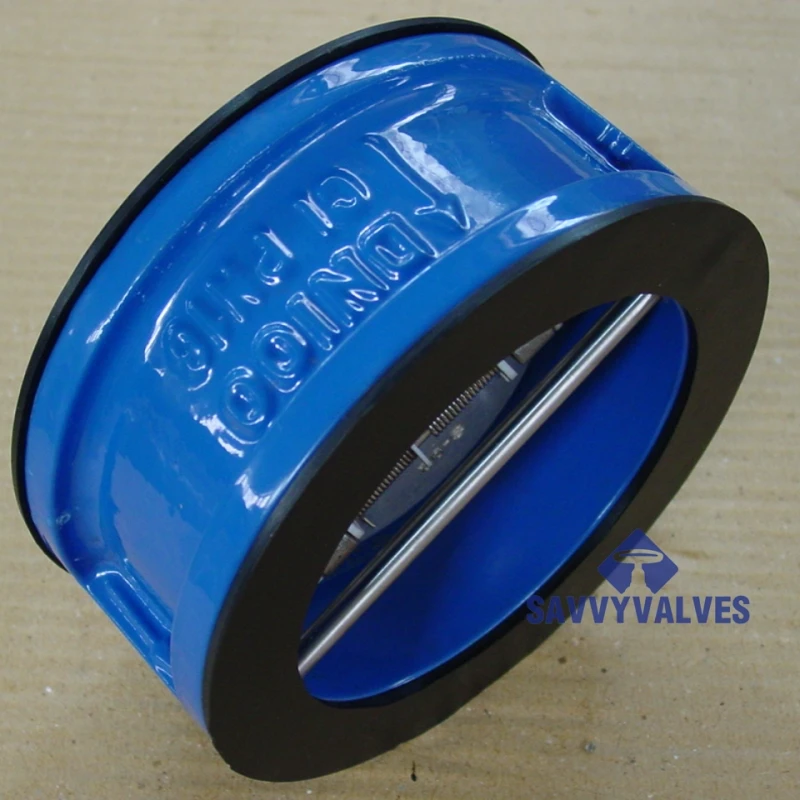
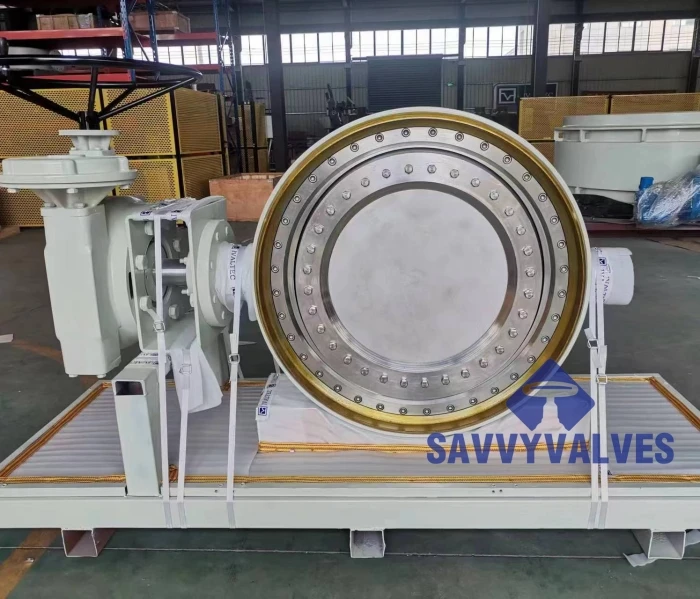
In simplest terms, a butterfly valve consists of a disc mounted on a shaft that rotates to open or close the valve. The “DN600” part simply means it's designed for pipelines with a nominal diameter of 600 millimeters, or about 24 inches. This size is typically used in medium to large systems where big volumes of liquids or gases need controlling.
Unlike gate or ball valves, the butterfly valve’s design is compact and lightweight, making installation and operation much simpler. The disc rotates a quarter-turn (90 degrees) to control flow, which means it can open or close swiftly—a huge benefit in both industrial and emergency settings. Plus, in applications like water treatment and energy generation, managing large volumes efficiently is a must-have.
Key Features of DN600 Butterfly Valves
Durability & Material Composition
Many DN600 butterfly valves are crafted from stainless steel alloys, ductile iron, or sometimes even plastic composites depending on the fluid and conditions. Durability is paramount, especially when handling corrosive substances or extreme temperatures. A valve failure here isn’t just costly — it could be catastrophic.
Precision Flow Control
The butterfly valve excels in modulating flow from fully open to precise throttling positions, with minimal pressure drop. For process engineers, that’s a dream since they can fine-tune operations without switching equipment.
Cost Efficiency & Maintenance
Compared to similar-sized gate valves, DN600 butterfly valves are lighter, cheaper, and require less maintenance—mainly because their quarter-turn operation results in fewer moving parts and simpler stem mechanisms.
Scalability & Versatility
Used in water, wastewater, chemical, energy, and even food sectors, the DN600 butterfly valve’s adaptability in different pressure classes and standards (such as ANSI, DIN, API) means it fits a range of industrial needs without custom modifications.
Easy Automation Compatibility
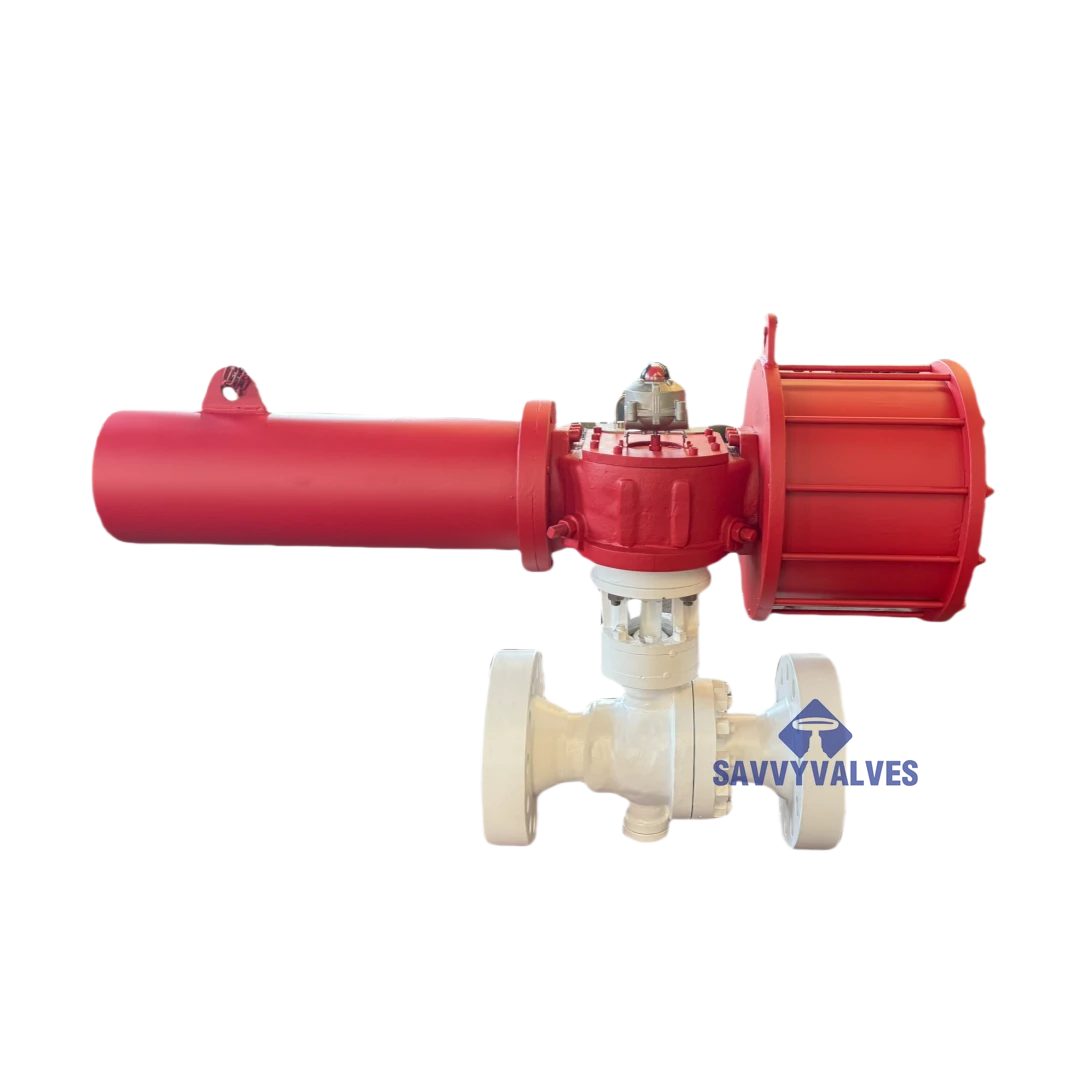
With modern factories trending towards automation, many DN600 valves are fitted with actuators—electric, pneumatic, or hydraulic—making remote operation and integration with control systems practical and efficient.
Compact Installation Footprint
Taking up less space than alternative valves with comparable capacity, the DN600 butterfly valve is perfect for cramped industrial plants or retrofit projects.
Mini takeaway: The DN600 butterfly valve isn’t just a big valve; it’s a smart, efficient, and remarkably flexible solution engineered to meet a variety of industrial challenges.
Specifications Table: Typical DN600 Butterfly Valve
| Parameter | Specification |
|---|---|
| Nominal Diameter | 600 mm (24") |
| Body Material | Ductile Iron / Stainless Steel 316 |
| Disc Material | Stainless Steel / Aluminum Bronze |
| Pressure Rating | PN10 / PN16 / ANSI 150 |
| Operation | Manual / Electric / Pneumatic Actuator |
| Seat Material | EPDM / NBR / PTFE |
| Temperature Range | -20°C to 180°C |
Where the DN600 Butterfly Valve Truly Shines Worldwide
Oddly enough, these valves are as common in large urban water treatment plants as they are in remote mining operations thousands of miles apart. For instance:
- Municipal Water Networks: Countries like India and Brazil rely on DN600 butterfly valves for bulk water flow control, especially as they upgrade aging infrastructure.
- Oil & Gas Pipelines: Major producers in the Middle East deploy these valves to isolate pipeline segments during maintenance or emergencies.
- Hydropower Facilities: In Scandinavia and Canada, valves regulate water feed into turbines, combining flow efficiency with rapid shutoff ability.
- Industrial Plants: Chemical and food processing plants in Europe require sanitary and corrosion-resistant versions to maintain stringent safety.
- Disaster Relief Setups: NGOs sometimes use modular water distribution systems fitted with these valves for quick deployment in disaster zones.
In real terms, you’ll often find the dn600 butterfly valve in critical nodes of pipelines where system safety meets operational efficiency.
Advantages Beyond the Surface
There’s more to the DN600 butterfly valve than just flow control. Here’s why many engineers and plant managers swear by them:
- Cost-Effectiveness: Lower material costs and easier maintenance translate to budget-friendly solutions.
- Energy Saving: Minimal pressure loss means pumps work less hard, cutting energy bills.
- Operational Safety: Quick quarter-turn operation can isolate hazards promptly, protecting workers and environment.
- Sustainability: Long life and reusable materials reduce environmental impact.
- User Trust & Familiarity: Simple design reduces operational errors and boosts confidence.
Apart from the tangible, there’s an emotional comfort too — knowing that a critical part of your system won’t let you down when you need it most.
Emerging Trends in Butterfly Valve Technology
With Industry 4.0 and sustainability front and center, the DN600 butterfly valve is evolving:
- Smart Valves: Embedded sensors for pressure, temperature, and position reporting enable predictive maintenance.
- Eco-Friendly Materials: Research into bio-based polymers and coatings makes valves less environmentally taxing.
- Enhanced Actuators: More energy-efficient electric actuators paired with IoT-ready controls improve remote operation.
- 3D-Printed Components: Prototype and even some production parts reduce lead times and tailor designs swiftly.
Frankly, it’s an exciting time to be involved in valve tech. These next-gen DN600 valves promise not just better performance but also greener footprints.
Common Challenges & How to Rise Above
No product is perfect, right? The DN600 butterfly valve occasionally faces:
- Seal Wear: Especially in abrasive or high-pressure environments, seats may degrade faster than desired.
- Torque Requirements: Large valve sizes can need significant torque, complicating manual operation.
- Installation Space: Despite compactness, some piping systems have awkward layouts.
Solutions? Using high-performance elastomers, incorporating reliable actuators, and planning well ahead during layout design are all best practices. And as I noticed on a recent plant tour, tight integration upfront saves tons later.
Vendor Comparison Table: DN600 Butterfly Valve
| Vendor | Material Options | Lead Time | Actuator Support | Price Range (USD) |
|---|---|---|---|---|
| Savvy Valve Tech | Ductile Iron, SS316 | 3-4 weeks | Electric, Pneumatic, Manual | $1,800 - $2,500 |
| ValveWorks Inc. | Cast Iron, SS304 | 4-5 weeks | Electric, Manual | $1,600 - $2,300 |
| Global Valve Solutions | Stainless Steel, Aluminum Bronze | 2-3 weeks | Hydraulic, Electric | $2,000 - $2,800 |
FAQs: All Your DN600 Butterfly Valve Questions Answered
Q1: How do I know if a DN600 butterfly valve fits my pipeline?
If your pipeline’s nominal diameter is 600mm and the operating pressures and fluids match the valve’s rated specs (like PN16 rating and compatible materials), then you’re likely looking at a good fit. Always consult with a valve specialist to double-check, especially in critical systems.
Q2: Can these valves handle corrosive or abrasive fluids?
Yes, but with limitations. Using specific materials like stainless steel 316 and engineered seats like PTFE can extend valve life in corrosive environments. For abrasive fluids, seat and disc protections are crucial, and sometimes alternative valve types should be considered.
Q3: What about automation options? Are electric actuators standard?
Electric actuators are common but not always “standard.” Many DN600 valves come manual by default, with electric or pneumatic actuators offered as add-ons. Automated valves enable remote control, which is increasingly important but adds to initial cost and maintenance.
Q4: How often does the DN600 butterfly valve need maintenance?
Under normal conditions, periodic inspections every 6-12 months suffice. Seal wear is the main concern, so seat replacement intervals depend on usage and fluid type. Automated valves may require additional actuator maintenance.
Q5: Are DN600 butterfly valves easy to replace in existing pipelines?
Yes, they’re designed for relatively straightforward installation or replacement, especially wafer or lug-style valves. However, it’s good practice to assess surrounding piping and support structures to avoid surprises.
Wrapping Up
The DN600 butterfly valve might not make headlines, but its impact touches almost every major industry relying on large-scale fluid control. Sustainability, safety, cost-efficiency — all wrapped in one relatively lightweight, rugged package. For any operations manager or engineer, mastering the nuances of these valves is a step toward smarter infrastructure and better resource management.
Thinking about upgrading your flow control systems? Don't hesitate to explore high-quality options like the dn600 butterfly valve, engineered for your toughest challenges.


 English
  Arabic
  Azerbaijani
  Czech
Czech  Dutch
Dutch  French
  German
  Indonesian
  Italian
  Japanese
  Korean
  Malay
Malay  Persian
  Polish
  Portuguese
  Russian
  Spanish
  Thai
Thai  Vietnamese