
Understanding the DN40 Butterfly Valve: Small Component, Big Impact
It’s funny how a modest dn40 butterfly valve—a valve that might seem tiny to a layperson—plays such an outsized role in industries around the globe. From water treatment plants in Europe to oil refineries in the Middle East and irrigation systems in Asia, this valve is everywhere. Why does it matter so much? Well, this unassuming valve is a cornerstone of fluid control systems and infrastructure that billions rely on every day. Understanding it can unlock efficiencies in manufacturing, reduce costs, and even improve environmental impact, globally.
Whether you’re an engineer, procurement manager, or just a curious mind, learning about the dn40 butterfly valve opens windows onto the challenges and brilliant solutions shaping modern industrial flow control.
The Global Pulse: Why DN40 Butterfly Valves Matter Today
Let’s start with some context. Butterfly valves, including the DN40 size, are estimated to control more than half of all industrial process fl uid movement worldwide (ISO 5752 standards give us good sizing benchmarks). In fact, according to the International Water Association, valves similar to these are pivotal in distributing nearly 70% of the water used for agriculture — critical to feeding an ever-growing world population.
In real terms, a DN40 butterfly valve, which generally means a valve suitable for a 40 mm pipe diameter, provides excellent balance between flow control precision and compactness. Yet here’s the catch: many industrial systems struggle with inefficient valves leading to leaks, higher maintenance, or costly downtime. That’s why industries ranging from chemical processing to power generation invest heavily in selecting the right butterfly valve, cutting losses and boosting sustainability goals.
In a time where climate concerns and resource conservation dominate, the right valves can help reduce waste, minimize energy consumption, and even affect greenhouse gas emissions.
Mini takeaway: The DN40 butterfly valve isn’t just a part — it’s a global enabler for critical fluid control with environmental, economic, and social impacts.
Defining the DN40 Butterfly Valve
So, what exactly is a DN40 butterfly valve? Simply put, it’s a quarter-turn valve used to regulate or isolate fluid flow. The “DN40” stands for “Diameter Nominal 40,” meaning the valve fits pipes with a 40 mm nominal bore.
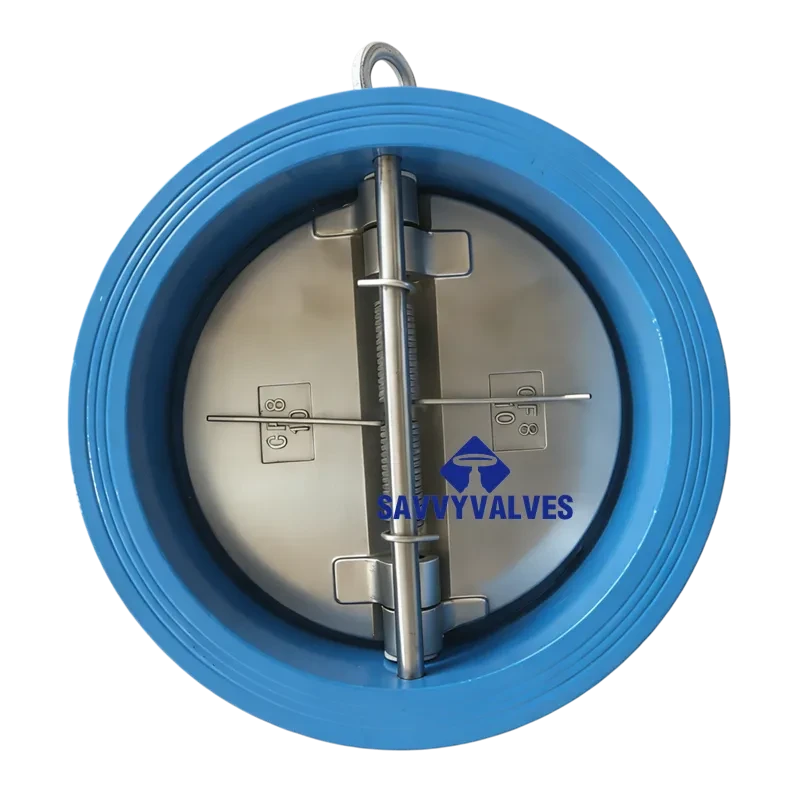
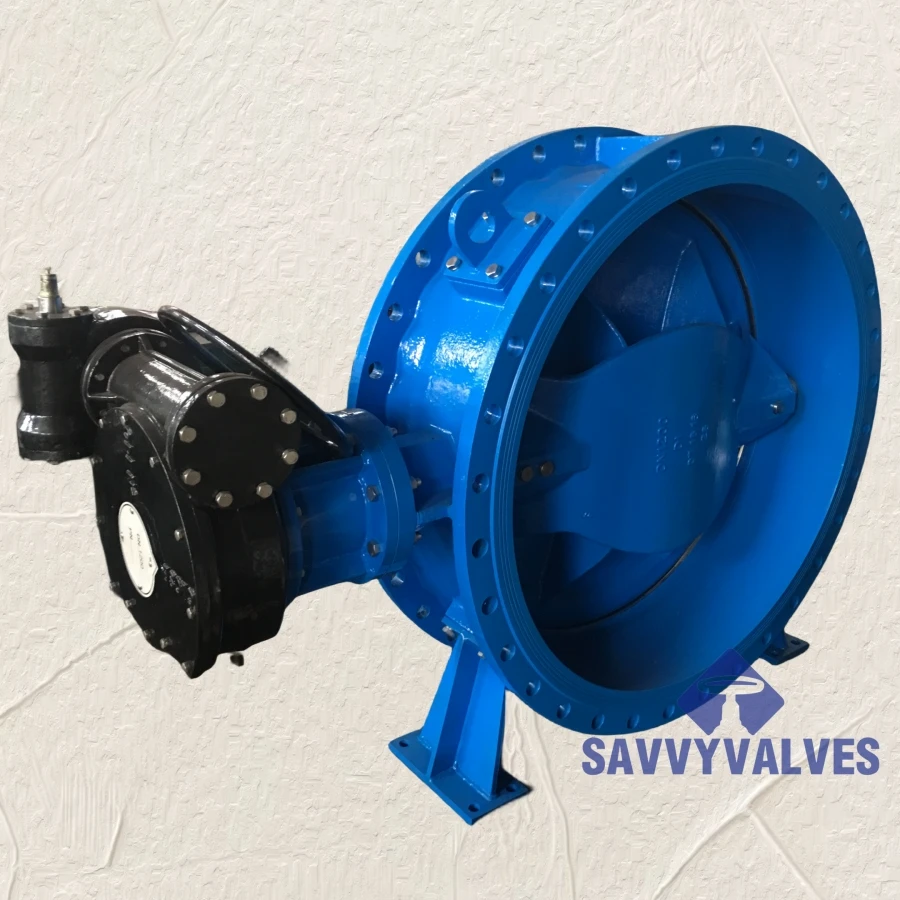
Inside, a circular disc or “butterfly” rotates around an axis perpendicular to the pipe flow, allowing quick shutoff or modulated flow—like a throttle pedal for liquids or gases. Compared with gate or ball valves, butterfly valves are lighter, cost-effective, and faster to operate, with fewer parts that require maintenance.
These characteristics make DN40 butterfly valves particularly useful in sectors needing speed, durability, and compactness — think HVAC systems, potable water, and certain chemical lines. Oddly enough, they even find niche applications in humanitarian water projects where reliable, easy-to-maintain valves make all the difference in remote locations.
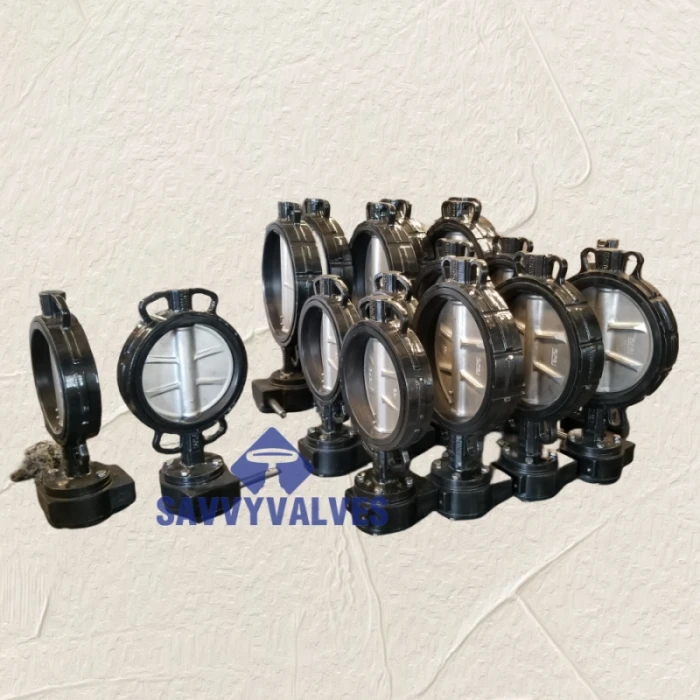
dn40 butterfly valve models today often incorporate corrosion-resistant materials and various sealing types for diverse operational conditions.
Mini takeaway: The DN40 butterfly valve is a versatile, efficient valve sized for 40mm pipes, bridging simple flow control with modern industry demands.
Key Features That Make DN40 Butterfly Valves Tick
1. Durability: Built for the Long Haul
Materials range from stainless steel to specialty alloys, often enhanced to resist corrosion and erosion. Many valves are tested to last tens of thousands of cycles, with special seals ensuring no leaks under high pressure.
2. Compact Design & Weight
DN40 butterfly valves are considerably lighter than equivalent gate or ball valves, which simplifies installation and reduces supporting structure costs—important for retrofit projects or mobile setups.
3. Cost Efficiency
Because they use fewer components and simplify maintenance, DN40 valves save operational expenses over their lifecycle. Their quick quarter-turn action also reduces downtime.
4. Versatility in Application
From water and wastewater treatment plants to HVAC systems, these valves accommodate a broad spectrum of fluids, whether gas, liquid, or slurry.
5. Ease of Automation
Many models integrate seamlessly with actuators—electric, pneumatic, or hydraulic—making them ideal for remote or automated control scenarios in smart factories.
Mini takeaway: It’s the mix of durability, affordability, and compactness that explains why DN40 butterfly valves remain an industry favorite.
Global Applications & Real-Life Use Cases
Perhaps the most fascinating aspect of DN40 butterfly valves is their global reach:
- Water Infrastructure: In Europe, municipal water utilities use DN40 butterfly valves to regulate drinking water and wastewater flows, ensuring safety and reliability.
- Oil & Gas Industry: Saudi Arabian refineries rely on DN40 valves for process control, balancing durability with corrosion resistance in harsh environments.
- Agriculture: In India and Southeast Asia, irrigation networks deploy these valves to improve water distribution efficiency during dry seasons.
- Humanitarian Projects: UNICEF and other NGOs specify rugged DN40 butterfly valves in portable water purification units used in disaster relief zones.
- HVAC Systems: Office buildings and factories across North America use these valves to control cooling and heating flows, optimizing energy usage.
Take the case of a remote mining operation in Chile that replaced aging valves with modern DN40 butterfly valves equipped with actuators. The resultant system reduced unplanned downtime by 23%, translating to significant cost savings and better worker safety.
Mini takeaway: The DN40 butterfly valve’s adaptability means it thrives in environments from urban centers to the roughest terrain.
The Long-Term Value: Why Businesses Keep Choosing DN40 Butterfly Valves
On paper, the cost-effectiveness is clear. But there’s more — these valves contribute to a company’s social responsibility. Reduced leaks mean less environmental contamination, supporting sustainability commitments. The reliability minimizes risky manual interventions, supporting worker safety. Plus, their simple design fosters trust—operators generally know what to expect.
If you ask many engineers, they’ll say the rapid maintenance and ease of replacement improves uptime and client satisfaction far beyond initial price points. Emotionally, feeling confident that a valve won’t fail mid-shift translates to peace of mind, which is invaluable.
Mini takeaway: DN40 butterfly valves deliver not just savings but sustainability and safety, touching the triple bottom line.
Emerging Trends & Future Innovations
The valve industry isn’t static, as you might guess. Smart valves combining IoT sensors with DN40 butterfly valves allow real-time flow and pressure monitoring, catching inefficiencies before they escalate. There’s a move toward greener materials—bioplastics in seals or epoxy-free coatings—to reduce environmental footprints.
Automation is advancing, too, with AI algorithms optimizing valve operation schedules based on predictive analytics. Some companies explore hybrid valve designs that merge butterfly and ball valve benefits for narrower control spans.
Looking ahead, expect increasing standards around energy efficiency and materials compliance from bodies like ISO (9001, 14001) and the European Union’s EcoDesign Directive to push manufacturers and users alike to innovate.
Mini takeaway: DN40 butterfly valves are evolving, embracing smart tech and sustainability to meet future industrial demands.
Common Challenges with DN40 Butterfly Valves (and How to Solve Them)
- Wear and Seal Failure: Incorrect material choices may cause premature wear. The solution is meticulous specification and regular condition monitoring.
- Compatibility Issues: Selecting the wrong valve type can hurt control precision. Test installations and pilot runs help mitigate this risk.
- Actuator Integration: Sometimes automation retrofits encounter calibration difficulties. Partnering with expert suppliers ensures seamless control.
- Corrosion under Aggressive Fluids: Specialty coatings or alloyed materials reduce damage risk.
Frankly, experience counts here. Many users find consulting with specialized valve vendors speeds up finding the right match, rather than trial-and-error guesswork.
Mini takeaway: Challenges aren’t showstoppers—with smart material and system choices, the DN40 butterfly valve maintains peak performance.
DN40 Butterfly Valve: Product Specification Table
| Specification | Details |
|---|---|
| Nominal Diameter | 40 mm (DN40) |
| Body Material | Stainless steel (304/316), Ductile iron |
| Seal Type | EPDM, NBR, PTFE options |
| Pressure Rating | PN10 to PN16 (10–16 bar) |
| Operating Temperature | -20°C to 130°C (dependent on seal) |
| Operation | Manual (lever/gear) or automated (electric, pneumatic) |
| Application | Water, gas, HVAC, light chemicals, food industry |
Vendor Comparison: Choosing the Right DN40 Butterfly Valve Supplier
| Vendor | Material Options | Price Range | Lead Time | Technical Support |
|---|---|---|---|---|
| Savvy Valve Tech | Stainless steel, Ductile Iron, Composite | $$$ (mid-range) | 2–3 weeks | 24/7 support, customized specs |
| Global Valve Co. | Wide alloy choices | $$$$ (premium) | 4–6 weeks | Extensive engineering consultancy |
| Economy Valves Inc. | Basic steel grades | $ (budget) | 1–2 weeks | Limited support |
FAQ: Common Questions About DN40 Butterfly Valves
Q1: What’s the main advantage of choosing a DN40 butterfly valve over a ball valve?
A: DN40 butterfly valves are generally lighter, more compact, and offer faster operation with fewer parts to maintain. They're ideal for applications requiring quick quarter-turn flow control and lower costs.
Q2: Can DN40 butterfly valves be used with corrosive fluids?
A: Yes, but material selection is key. Stainless steel bodies with PTFE or specialized seals can handle many corrosive fluids. Always consult the chemical compatibility chart before choosing.
Q3: How easy is it to automate a DN40 butterfly valve?
A: Very easy. Their simple quarter-turn design lends itself well to electric or pneumatic actuators, allowing remote or automated control which is common in smart industrial systems.
Q4: What maintenance does a DN40 butterfly valve require?
A: Regular inspection of seals and lubrication of moving parts usually suffices. The fewer components and robust design keep maintenance simple compared to other valve types.
Q5: Are DN40 butterfly valves suitable for potable water systems?
A: Absolutely. With FDA-compliant seals like EPDM and proper material certification, DN40 butterfly valves are widely used in drinking water applications.
Wrapping Up: Why DN40 Butterfly Valves Deserve Your Attention
Whether you’re managing an aging water plant, designing a new manufacturing line, or equipping relief water supplies in remote locations, the dn40 butterfly valve often emerges as a reliable, cost-effective choice. Its blend of durability, adaptability, and evolving smart features make it a vital piece of many puzzles worldwide.
Next time you look at a fluid control scenario, think about what a difference the right valve can make—not just in terms of flow, but efficiency, sustainability, and yes, peace of mind.
Interested? Head over to Savvy Valve Tech to explore the latest DN40 valves tailored to your needs.


 English
  Arabic
  Azerbaijani
  Czech
Czech  Dutch
Dutch  French
  German
  Indonesian
  Italian
  Japanese
  Korean
  Malay
Malay  Persian
  Polish
  Portuguese
  Russian
  Spanish
  Thai
Thai  Vietnamese