
Understanding the DN200 Butterfly Valve: Small Component, Big Impact
At first glance, a DN200 butterfly valve might seem like just another piece of metal sitting in industrial pipelines around the world. But it’s so much more than that. This valve, essentially a rotary disc mechanism sized to a nominal diameter of 200 millimeters, plays a pivotal role in everything from water distribution to chemical manufacturing, energy systems, and humanitarian infrastructure. As global industries face increasing demands for efficiency, sustainability, and reliability, grasping the technological and practical benefits of the DN200 butterfly valve is essential.
The DN200 Butterfly Valve in the Global Industrial Landscape
Why should you care about a valve? Well, according to the United Nations Industrial Development Organization (UNIDO), the reliability of valves is critical to maintaining smooth industrial operations worldwide. Approximately 30% of unplanned downtime in process plants can be attributed to valve failure or inefficiency. The DN200 butterfly valve, due to its compact design and cost-effectiveness, is often the valve of choice for medium-scale pipework, particularly in urban water treatment or oil and gas distribution.
ISO standards highlight this valve’s role in standardizing pipe diameters to improve global interoperability. That said, the biggest challenge the DN200 butterfly valve addresses is balancing high performance with affordability — a constant tug-of-war especially pronounced in developing regions where infrastructure budgets are tight but reliability is non-negotiable.
What Exactly Is a DN200 Butterfly Valve?
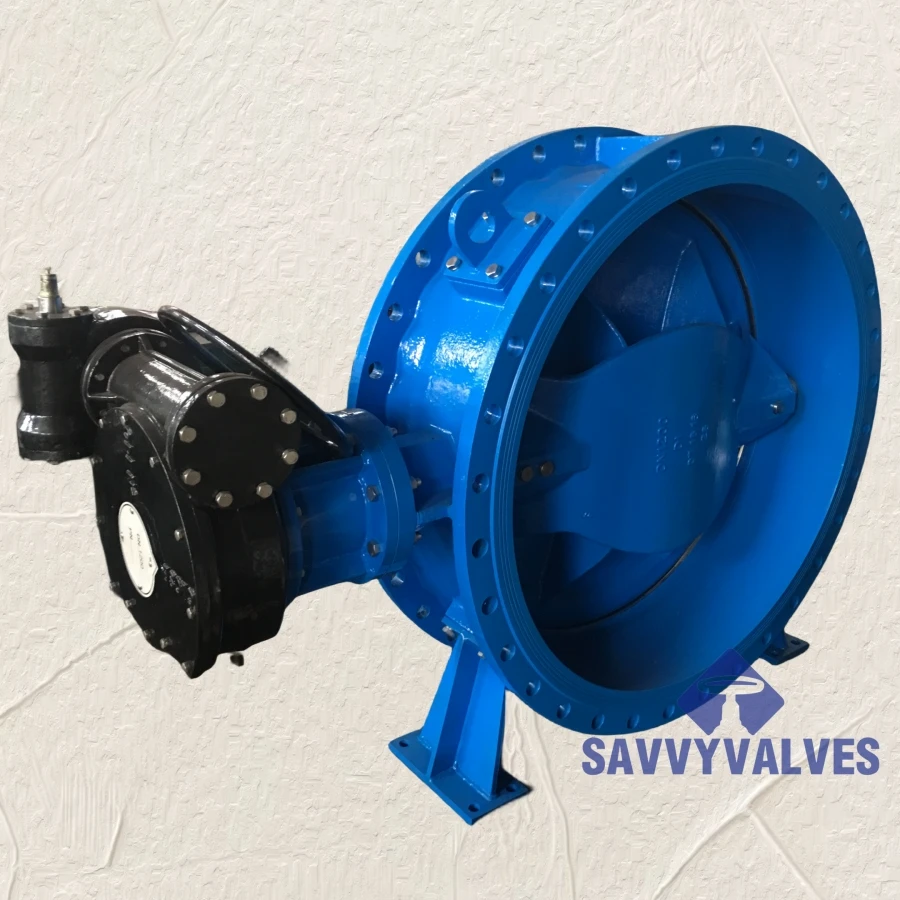
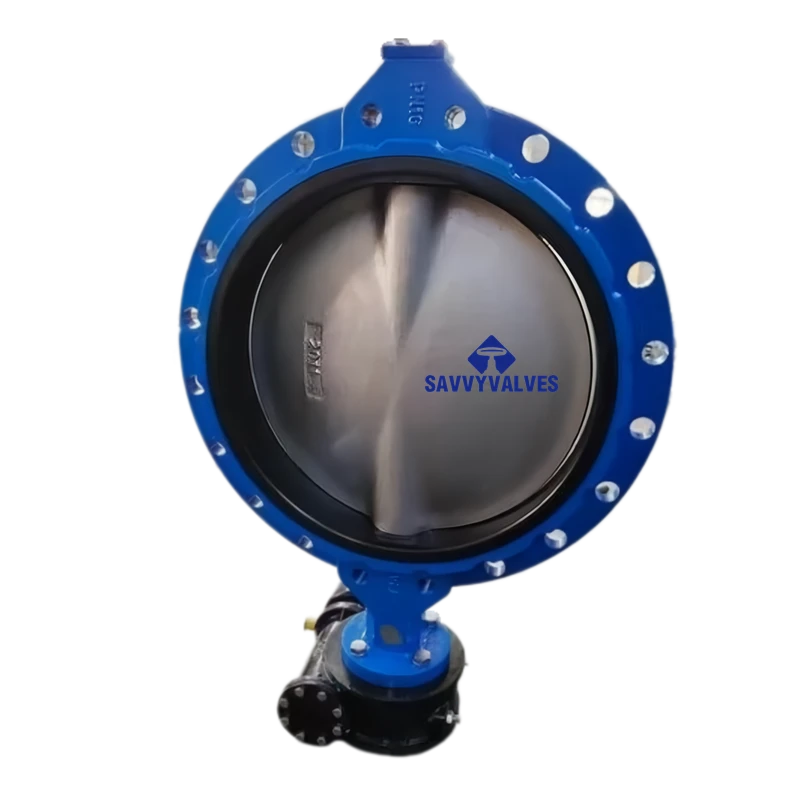
Simply put, the DN200 butterfly valve is a quarter-turn valve used to regulate fluid flow through a pipeline — think of it as a rotating disc sitting inside a circular pipe of 200 mm nominal diameter, which can open or close to control the flow. This valve is connected to an actuator or handle, enabling quick operation. Unlike more complex gate valves, butterfly valves are lighter, smaller, and often more cost-efficient while providing sufficiently tight seals for many applications.
But its relevance goes beyond just “turn and stop.” In industries from water distribution for cities to chemical mixing in factories, the DN200 valve ensures quick shut-offs and modulated flow with lower pressure drops — which in turn helps conserve energy. Oddly enough, it's also vital in humanitarian efforts, like delivering potable water in post-disaster zones, where valves must be robust yet simple to operate.
Key Features That Make the DN200 Butterfly Valve a Go-To
1. Durability and Material Diversity
DN200 valves come in a range of materials — cast iron, stainless steel, ductile iron, even PVC. Each caters to a specific environment, whether corrosive chemicals, high-pressure steam, or clean water. The durability directly influences maintenance cycles and operational costs, which engineers always keep an eye on.
2. Scalability and Easy Installation
You can loosely think of DN200 butterfly valves as the “Goldilocks” size — not too small, not too big. This makes them ideal for scaling industrial plants or municipal systems. Plus, their lug or wafer designs simplify installation between pipe flanges, cutting down labor time.
3. Cost Efficiency and Energy Savings
Many plant managers note that butterfly valves reduce upfront costs and pressure drops compared to more bulky alternatives. Less pressure drop translates to less energy consumed by pumps — a small thing that adds up to major savings.
4. Versatility and Application Range
From wastewater management to gas pipelines, food & beverage to firefighting systems, the DN200 butterfly valve adapts with a variety of seat materials and actuator options, handling diverse fluids, pressures, and temperatures.
A Quick Product Specification Snapshot
| Specification | Details |
|---|---|
| Nominal Diameter | 200 mm (DN200) |
| Body Material | Ductile Iron, Stainless Steel, PVC |
| Pressure Rating | PN10 to PN16 (depending on model) |
| Temperature Range | -10°C to +120°C (varies with materials) |
| Operation | Manual handle / Electric / Pneumatic actuators |
| Sealing Type | NBR, EPDM, Viton (depends on fluid compatibility) |
How DN200 Butterfly Valves Are Changing Real-World Systems
Take a city in Southeast Asia where clean water access is just becoming a priority. Integrating DN200 butterfly valves in the distribution network improved flow control, reduced leakages, and enabled faster repairs during outages. Or consider an oil refinery in the U.S., where these valves handle corrosive gases safely under high pressure — a testament to modernization meeting stringent safety codes.
Notably, NGOs and relief agencies routinely rely on dn200 butterfly valve units during emergency water supply installations after floods or earthquakes, because they’re lightweight, easy to ship, and robust enough for rough field conditions. In Europe, renewable energy projects increasingly use these valves in biogas plants, echoing a turn toward greener industrial practices.
Table: Vendor Comparison for DN200 Butterfly Valve
| Vendor | Material Options | Actuation Types | Warranty | Special Features |
|---|---|---|---|---|
| ValveCo Industries | Ductile Iron, Stainless Steel | Manual, Pneumatic | 2 years | Corrosion resistant coating |
| GlobalFlow Solutions | PVC, EPDM seat | Manual only | 1 year | Lightweight, UV resistant |
| NextGen Valves | Stainless Steel, Viton Seal | Electric, Pneumatic | 3 years | Smart monitoring options |
Advantages and Lasting Value of DN200 Butterfly Valves
In real terms, choosing DN200 butterfly valves means embracing a balance of efficiency, trustworthiness, and sustainability. Cost savings from lower pump energy, reduced maintenance, and fewer leak-related losses add up fast — especially when scaled across factories or city grids. But beyond dollars, these valves embed safety and reliability deep in vital systems: protecting people, reducing environmental risks, and enabling teams to act quickly when emergencies hit.
There’s a quiet dignity in using components that “just work,” especially for communities dependent on safe water or energy supplies. Plus, innovations that integrate these valves into digital control systems reflect a growing demand for smart infrastructure — aligning practical engineering with a hopeful vision for more adaptive, responsive industries.
Emerging Trends and Innovations to Watch
The valve world, surprisingly, isn’t static. Advanced composite materials and polymers are being tested, offering corrosion resistance while cutting weight and cost. IoT-enabled DN200 butterfly valves now report real-time data on flow rates and valve position — an industrial game-changer for maintenance teams trying to predict faults before they escalate.
Meanwhile, the push for greener operations means valves designed to minimize leakage, operate with ultra-low emissions, and fit into circular economy frameworks are gaining traction. Automation combined with AI diagnostics could soon make manual valves nearly obsolete in large plants — but the humble manual DN200 will always have a niche where simplicity is king.
Current Challenges and How Industry Leaders Are Tackling Them
Of course, it's not all smooth sailing. Some users experience issues with seat wear under abrasive or chemical-heavy flows, and lower pressure valves sometimes struggle in high-pressure environments. However, enhanced seat materials, backup seals, and pressure balancing designs have become standard fixes. There’s also an increasing trend toward modular valves that can be disassembled onsite — a big help in remote or emergency areas where factory service isn’t an option.
FAQ: What You Really Want to Know About DN200 Butterfly Valves
- Q: How does a DN200 butterfly valve compare to a gate valve for water distribution?
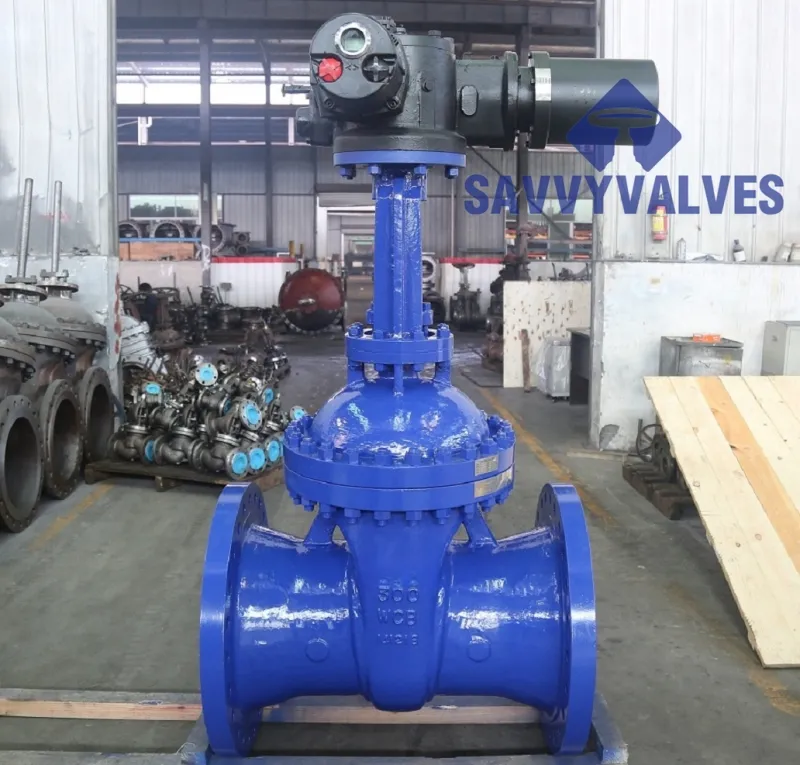
- A: Butterfly valves are generally more compact, lighter, and faster to operate than gate valves. While gate valves offer tighter seals for certain high-pressure needs, DN200 butterfly valves reduce pressure drops and cost, making them ideal for medium pressure water systems.
- Q: Can DN200 butterfly valves handle corrosive fluids safely?
- A: Yes, when specified with proper materials like stainless steel bodies and appropriate seals (e.g., Viton), DN200 butterfly valves handle a variety of corrosive fluids. It's essential to confirm chemical compatibility with manufacturers.
- Q: Are DN200 butterfly valves easy to automate or retrofit with actuators?
- A: Absolutely. Many modern DN200 valves support manual, electric, and pneumatic actuation. Retrofitting can be straightforward, especially with standard flanged designs, enabling integration with digital control systems.
- Q: How often should DN200 butterfly valves be maintained or inspected?
- A: Routine inspection intervals vary by application but generally every 6 to 12 months to check for leakage, seal condition, and actuator functionality. In harsh environments, shorter intervals may be needed.
Wrapping Up: Why DN200 Butterfly Valves Matter Today and Tomorrow
While small in size, DN200 butterfly valves pack a punch in versatility, cost savings, and reliability — indispensable for industries spanning the globe and especially for initiatives aiming toward sustainability and operational resilience. If you’re looking to upgrade flow control in your systems or build infrastructure resilient enough for future challenges, a well-chosen DN200 butterfly valve might just be the backbone you didn’t know you needed.
Interested in exploring high-quality DN200 butterfly valves tailored to your needs? Visit our website at https://www.savvyvalvetech.com to learn more and connect with specialists ready to help.
Key Takeaways:
- The DN200 butterfly valve is crucial in balancing industrial efficiency and cost across many sectors.
- Material options and actuation types allow customization for diverse applications worldwide.
- Ongoing innovations are pushing these valves into smarter, greener industrial frameworks.


 English
  Arabic
  Azerbaijani
  Czech
Czech  Dutch
Dutch  French
  German
  Indonesian
  Italian
  Japanese
  Korean
  Malay
Malay  Persian
  Polish
  Portuguese
  Russian
  Spanish
  Thai
Thai  Vietnamese