
Centerline Valve: The Hub of Modern Flow Control
If you're in any kind of industrial setting—whether it's oil and gas, water treatment, or even the food sector—you've probably come across the term centerline valve. These valves subtly control the flow and direction of fluids, gases, or slurries, but why should you care? Globally, these valves hold the key to safer, more efficient piping systems that reduce downtime, improve safety, and often streamline maintenance. Understanding what they are and how they work isn’t just a plumbing geek’s obsession—it’s vital for engineers, project managers, and anyone aiming to optimize process control in complex systems.
By grasping the nuances of centerline valves, you'll see why they matter not only in traditional industries but also in sectors that impact environmental and humanitarian needs worldwide.
Global Context: Why Centerline Valves Matter Today
The global fluid control market is projected to exceed $90 billion by 2027, according to recent ISO standards and industry reports. Centerline valves account for a significant portion because of their unique design and operational advantages. According to research compiled by the World Bank and UN Industrial Development Organization, seamless flow management reduces industrial waste by approximately 15-20% on average, which is huge when scaled worldwide.
One big challenge these valves address is the constant struggle of minimizing process interruption during maintenance or repair. Especially in critical infrastructure—think water supply systems in drought-prone regions or oil pipelines traversing harsh climates—the ability to isolate and reroute flow without shutting down large sections is invaluable. centerline valve technology forms a cornerstone for this kind of operational resilience.
What Exactly is a Centerline Valve?
Simply put, a centerline valve is a type of ball valve designed such that the center of the valve plug remains aligned with the pipeline’s centerline throughout operation. This means when the valve is opened or closed, the flow path is straight and free of obstruction, minimizing pressure drops and potential leak points.
Unlike conventional valves that can misalign seats or cause wear due to eccentric movement, centerline valves keep maintenance simpler and lifespan longer. This alignment is crucial in sectors where precise flow control and rapid response are necessary—whether regulating crude oil on an offshore rig or dosing chemicals in an urban water treatment plant. It's this link between precision and durability that makes them a favored choice globally.
Key Features of Centerline Valves
1. Durability and Corrosion Resistance
Engineered often with stainless steel, carbon steel, and specialized alloys, these valves withstand corrosive or high-pressure environments that would quickly deteriorate standard valves.
2. Ease of Maintenance
Because the centerline design ensures constant alignment, seals and seats suffer less wear. Many valves are designed for “live loading” so they can be serviced without pipeline shutdown.
3. Versatility in Installation
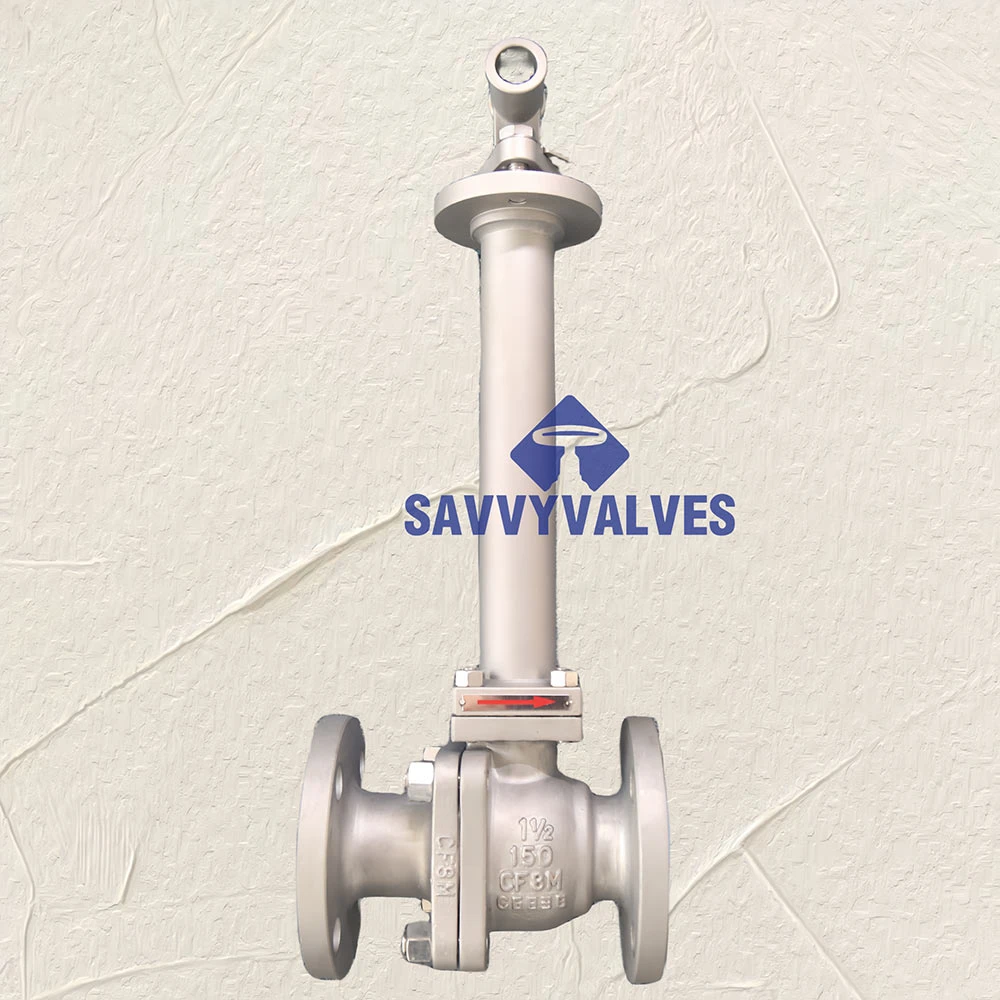
Centerline valves fit well in applications from cryogenics to steam pipelines. They can be installed in both horizontal and vertical positions without compromising the flow profile.
4. Cost Efficiency Over Time
Though the initial investment may be higher, their reduced downtime and extended service life provide an economical edge.
5. Enhanced Flow Characteristics
The straight-through flow profile reduces turbulence, thereby increasing process efficiency and reducing energy consumption.
Mini takeaway: The centerline valve combines smarter engineering with practical benefits that keep complex systems online longer and maintenance hassle-free.
Applications: Where Do Centerline Valves Fit In?
From sprawling oilfields in the Middle East to water purification systems in Scandinavia, centerline valves have found favor everywhere that fluid control matters. The energy sector relies on these valves to manage high-pressure steam and hydrocarbons safely. In chemical plants, their corrosion resistance leads to better handling of aggressive fluids.
NGOs working in humanitarian aid also turn to centerline valves for rapid deployment water systems in disaster zones, where quick isolation and flow control can literally mean safe drinking water versus contamination. In the mining industry, the valves help regulate slurry flows and dewatering processes, often in harsh abrasion conditions.
Case Example
Take a mid-sized refinery in Texas that replaced its aging butterfly valves with centerline valves over three years. The facility reported a 25% drop in unplanned shutdowns due to valve failure, a drop in maintenance manpower hours, and improved compliance with environmental regulations.
Why Invest in Centerline Valves? The Long-Term Advantages
- Cost savings: Fewer replacements and less downtime translates into real dollars saved.
- Sustainability: Optimized flows reduce energy waste and emissions.
- Safety and Compliance: By minimizing leakage, the valves reduce environmental hazards and uphold regulatory safety standards.
- Reliability: Predictable performance builds trust among operators and stakeholders.
- Innovation: Many manufacturers now incorporate digital sensors in valve bodies for predictive maintenance (more on that in the next section).
In short: It’s not just about pushing a valve open or shut. It’s about fostering systems that are smarter, safer, and more sustainable for decades to come.
Looking Ahead: Future Trends in Centerline Valve Technology
In recent years, the move toward digital transformation is reshaping what a centerline valve can do. Smart valves equipped with IoT sensors now monitor performance in real time, predicting wear and triggering maintenance alerts—sometimes before an operator even suspects an issue.
Materials science continues to innovate with nanocoatings and composite alloys enhancing corrosion resistance and lifespan. Environmental regulations pushing for lower emissions also drive development of valves with near-zero leakage rates.
The global push toward green energy—including hydrogen fueling and bio-refineries—means centerline valves must adapt to handle new, sometimes volatile substances safely and efficiently.
Challenges and Clever Solutions
Despite all the advantages, centerline valves face some hurdles:
- Upfront Cost: The premium price can deter small-scale operators.
- Specialized Installation: Installation requires trained personnel.
- Material Limitations: Extreme chemical compositions can still degrade valve internals over time.
Innovative vendors address these by offering modular designs for easier installation and repair, flexible pricing strategies, and custom material upgrades depending on customer needs. Plus, with increasing automation, remote diagnosis cuts down operational complexity.
Centerline Valve Specifications: Typical Technical Details
| Parameter | Specification |
|---|---|
| Valve Type | Quarter-turn ball valve |
| Pressure Rating | Class 150–3000 (up to 7400 psi) |
| Temperature Range | -196°C to 450°C (-320°F to 842°F) |
| Materials | Stainless Steel, Carbon Steel, Alloy 20 |
| Seat Design | PTFE, RPTFE, Metal sealing options |
| Actuation Type | Manual, Electric, Pneumatic |
Comparing Top Centerline Valve Vendors
| Vendor | Material Quality | Customization | Price Range | Support & Warranty |
|---|---|---|---|---|
| Savvy Valve Tech | Premium Stainless Steel & Alloy options | High – tailored specs | Mid-to-high | 5-year warranty; 24/7 technical support |
| Global Flow Solutions | Good alloys, some composites | Moderate | Competitive | 3-year warranty; office hours support |
| PipeFlow Experts | Standard carbon steel | Low | Budget | 1-year warranty; limited support |
FAQs About Centerline Valves
1. What are the main benefits of a centerline valve compared to a traditional ball valve?
Centerline valves maintain plug alignment along the pipeline’s centerline throughout actuation, reducing seal wear and leakage risks. Traditional valves may experience eccentric movement, leading to faster wear and higher maintenance costs.
2. Can centerline valves be used in extreme temperature conditions?
Yes, many centerline valves are designed to endure temperatures from cryogenic (-196°C) to high heat (>450°C), depending on the materials and seat design used.
3. How often do centerline valves require maintenance?
Thanks to their design, maintenance intervals can extend beyond typical ball valves. However, actual frequency depends on application severity and media handled; predictive monitoring increasingly helps optimize schedules.
4. Are centerline valves compatible with automated control systems?
Absolutely. They can be equipped with actuators (electric, pneumatic) and IoT sensors for seamless integration into modern SCADA or process control systems.
5. Is retrofitting an existing pipeline with centerline valves complicated?
Installation may require some pipeline modifications, but modular and flange-faced valve designs have made retrofit easier. Consulting specialists ensures minimal downtime during upgrades.
Wrapping Up
Centerline valves represent a quiet revolution in flow control, blending smart design with real-world reliability. Their thoughtful engineering addresses the pressing needs of modern industries—from reducing environmental impact to enabling sustainable industrial growth. If you're weighing options for your next system upgrade or designing new infrastructure, these valves are worth a close look.
Curious to explore options? Visit us at Savvy Valve Tech and discover how the right centerline valve can future-proof your operations.
One last thought — in this world of pipe and flow, sometimes it's the small things like a perfectly aligned valve that keep everything running smoothly.


 English
  Arabic
  Azerbaijani
  Czech
Czech  Dutch
Dutch  French
  German
  Indonesian
  Italian
  Japanese
  Korean
  Malay
Malay  Persian
  Polish
  Portuguese
  Russian
  Spanish
  Thai
Thai  Vietnamese