
Butterfly Valve PN25: A Small Component with Big Global Impact
At first glance, a butterfly valve PN25 might not sound like something that keeps the wheels of global industry turning. But, believe me, understanding this valve type is quite crucial, especially when you consider just how much energy, water, and materials flow through pipelines worldwide. These valves play a critical role in regulating these flows safely, reliably, and sustainably, especially at pressures around 25 bar (hence “PN25”). With today's growing demand for efficient infrastructure, knowing about butterfly valves with this rating can save time, money, and headaches — wherever pipelines run.
Why the Butterfly Valve PN25 Is Essential on a Global Scale
The world’s industries are expanding fast — from water treatment plants in Singapore to oil refineries in Texas, and renewable energy projects across Europe. According to the ISO and World Bank data, pipeline infrastructure development is booming, with billions invested annually into pumping and controlling fluids under substantial pressure. The butterfly valve PN25 stands out here because it meets a sweet spot of strength and versatility, controlling flows in systems rated up to 25 bar without the bulk and cost of heavier valves.
Yet, challenges remain: industries often struggle with leaks, corrosion, and maintenance downtime — all problems these valves help address if properly selected and maintained.
What Is a Butterfly Valve PN25, Anyway?
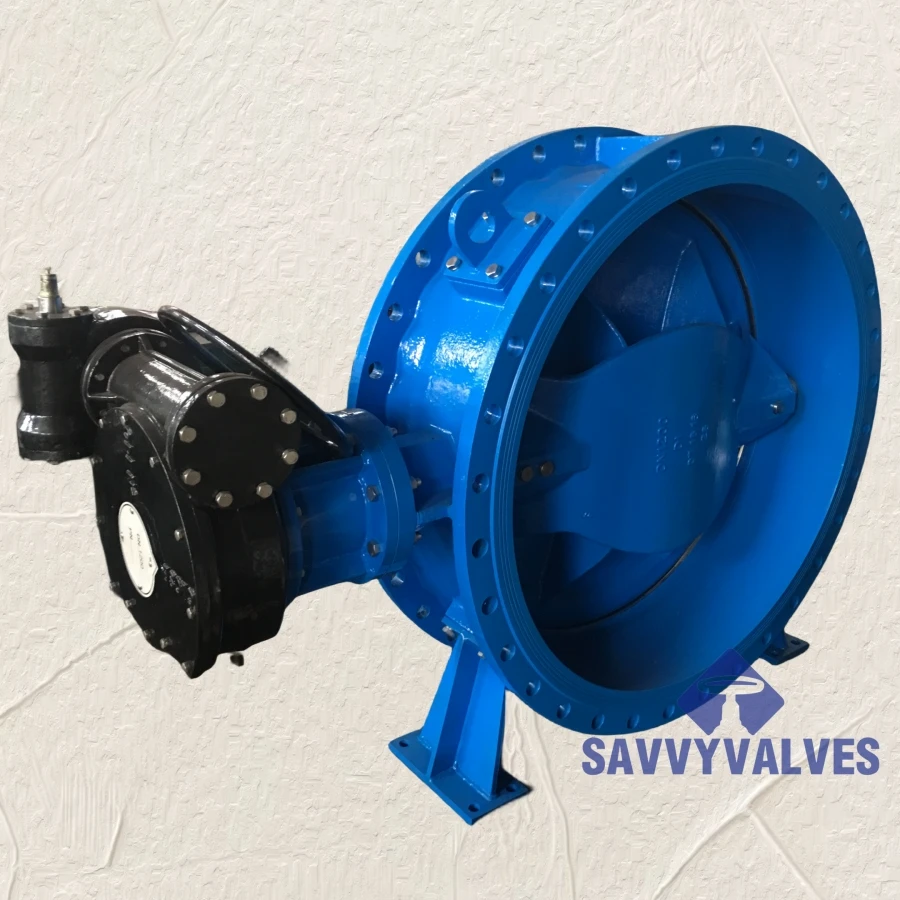
Simply put, a butterfly valve controls fluid flow using a rotating disc inside a pipe that pivots on a shaft. When open, the disc is parallel to flow; when closed, it blocks the pipe. The “PN25” part means the valve is rated for a nominal pressure of 25 bar, roughly equivalent to 362.5 psi — which is pretty robust for many industrial and municipal uses.
The design is clever because it balances operational simplicity with strength. Unlike gate or globe valves, butterfly valves are lightweight, compact, and quicker to operate. They’re everywhere, from large water mains to chemical plants — basically anywhere fluid flow needs efficient turning on or off.
Mini Takeaway:
Understanding butterfly valve PN25 means grasping how a small, rotating disc can make huge systems work reliably, saving resources globally.
Butterfly Valve PN25: The Core Components That Matter
1. Valve Body Material
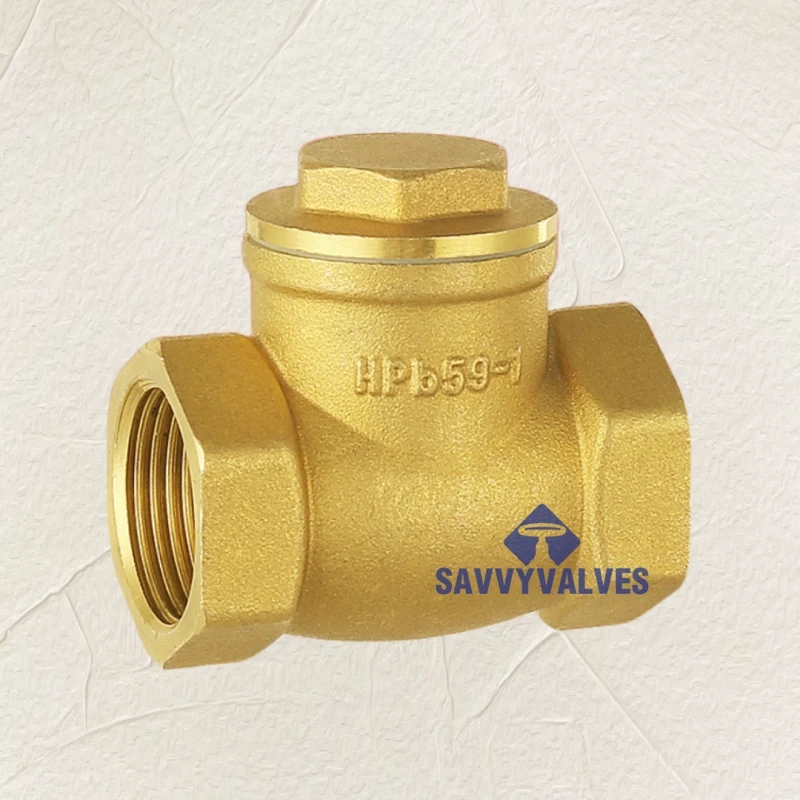
Most butterfly valves rated PN25 are made from ductile iron, stainless steel, or carbon steel. Ductile iron is common for water because it balances corrosion resistance and cost. Stainless steel is the go-to where chemicals or aggressive media are around. Material choice affects lifespan and maintenance.
2. Disc Design and Coating
The disc seals off flow when closed — it needs to be corrosion-resistant and precisely machined, often coated with epoxy or rubber liners. Smooth coatings help improve seal tightness, especially on valves controlling hazardous fluids.
3. Seal and Seat Technology
Seals ensure the valve closes tight to prevent leaks. For PN25, resilient seats made from EPDM, PTFE, or Viton are common. Some valves have replaceable seats for easier maintenance — engineers love these for reducing downtime.
4. Actuation System
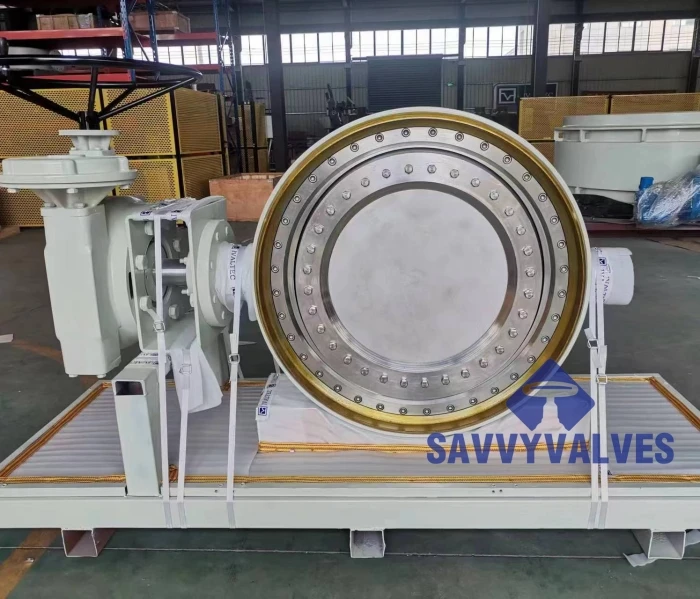
Manual lever, gearboxes, or electric and pneumatic actuators operate these valves. For heavy-duty or automated processes, actuators can work with control systems, making the valves part of smart pipelines. This is an important emerging trend.
5. Pressure and Temperature Ratings
PN25 means this valve will handle up to 25 bar safely, but temperature ratings vary with materials (usually -20°C to 150°C). Always check these specs versus your system's requirements.
Mini Takeaway:
The right combo of body material, sealing technology, and actuation determines if the butterfly valve PN25 will thrive — or just survive — in your pipeline.
Worldwide Uses of Butterfly Valve PN25: From Cities to Oil Fields
Where don’t you find butterfly valves rated PN25? Water utilities in Europe use them extensively to manage drinking water networks. In industrial zones of China and India, their durability and cost efficiency make them a favorite for handling everything from wastewater to chemical processes. Oddly enough, in remote oil extraction sites in the Middle East, robust butterfly valves ensure safe transport of heavy fluids amid tough conditions.
Even humanitarian agencies use similar valves in portable water treatment plants during disaster relief — the valves ensure clean water flows without leaks, preserving dignity and safety in critical moments.
Mini Takeaway:
The butterfly valve PN25 isn’t just a factory component; it's a linchpin in global infrastructure and emergency response.
Advantages & Long-Term Value of Butterfly Valve PN25
- Cost efficiency: Lower material use and installation time mean savings.
- Reliability: Robust design reduces leak risks and maintenance.
- Sustainability: Quality coatings and materials help extend valve life, minimizing waste.
- Safety: Effective shut-off keeps hazardous fluids contained.
- Scalability: Easily integrated into manual or automated systems.
Emotionally, engineers often trust butterfly valves PN25 because they reduce on-site surprises — which means peace of mind. For companies, choosing these valves builds a reputation for responsible, sustainable infrastructure.
Butterfly Valve PN25 Specifications
| Specification | Typical Value | Notes |
|---|---|---|
| Nominal Pressure (PN) | 25 bar (362.5 psi) | Standard pressure rating |
| Valve Body Material | Ductile Iron, Stainless Steel | Depends on application |
| Sealing Material | EPDM, PTFE, Viton | For different media |
| Temperature Range | -20°C to 150°C | Application dependent |
| Connection Type | Wafer, Lug, Flanged | Versatility for installations |
Comparing Top Butterfly Valve PN25 Vendors
| Vendor | Material Options | Price Range (USD) | Lead Time | Automation Options |
|---|---|---|---|---|
| Global Valves Inc. | Ductile Iron, Stainless Steel | $150 - $500 | 2-4 weeks | Manual, Electric |
| EuroFlow Valves | Stainless Steel Only | $300 - $650 | 3-6 weeks | Manual, Pneumatic, Electric |
| Savvy Valve Tech | Ductile Iron, Carbon Steel, Stainless | $180 - $550 | 1-3 weeks | All types including Smart Automation |
The Road Ahead: Future Trends in Butterfly Valve PN25 Design
Industry insiders say the future belongs to smarter valves — integrating sensors and IoT connectivity that monitor valve position, pressure, and temperature in real-time. This fits into broader digital transformation trends making pipeline management predictive rather than reactive.
On the materials front, eco-friendly coatings and composites that resist corrosion longer without toxic chemicals are gaining traction. I noticed some vendors experimenting with polymer-infused seats designed for zero-leakage and easier recycling.
Green energy projects are another driver. Wind and hydropower plants increasingly utilize butterfly valves that operate efficiently with minimal maintenance, supporting sustainability goals worldwide.
Addressing Common Challenges With Butterfly Valve PN25
Despite their many benefits, butterfly valves can struggle with seat wear, especially in abrasive or highly corrosive environments. The key is regular inspection and material selection tailored to the media. Replacing seats without removing the valve (if possible) reduces costly downtime.
Another practical issue is the "cavitation" problem when flow velocities are high — which engineers solve by careful valve sizing and sometimes special disc shapes designed to minimize vapor bubble formation.
In short, proper engineering upfront and maintenance planning are your best bets to avoid these pitfalls — and to squeeze every drop of value from your butterfly valve PN25.
FAQ: Quick Answers to Your Butterfly Valve PN25 Questions
- Q: Can a butterfly valve PN25 be used with potable water systems?
- A: Absolutely. When made with certified materials like EPDM seals and approved coatings, these valves are common in drinking water networks worldwide.
- Q: How does PN25 pressure rating compare to others?
- PN25 denotes valves designed for pressures up to 25 bar, which is intermediate. For higher pressures, valves rated PN40 or above might be chosen, but PN25 fits many municipal and industrial needs nicely.
- Q: What maintenance routines help extend butterfly valve life?
- Regular inspection for leaks or corrosion, lubrication of shafts, and timely replacement of seats and seals keep these valves in top shape.
- Q: Are electrically actuated butterfly valves PN25 common?
- Yes, electric actuators allow remote control and integration into automated systems, improving operational safety and efficiency.
- Q: Where can I find reliable suppliers of butterfly valve PN25?
- Vendors like butterfly valve pn25 specialists or local certified distributors can help — always check product standards compliance and lead times.
In Conclusion: Why Butterfly Valve PN25 Might Be Your Best Pipeline Partner
Choosing the right butterfly valve PN25 can feel like picking a small piece in an enormous puzzle, but frankly, it’s one of those choices that might make or break project efficiency and safety. Their balance of performance, cost-effectiveness, and adaptability across global pipelines makes them indispensable in large-scale infrastructure. I’d say if you’re budgeting for flow control, butterfly valves PN25 deserve a close look — your bottom line and operational uptime will thank you.
To explore reliable options customized to your needs, visit Savvy Valve Tech — where engineering meets trustworthy service.


 English
  Arabic
  Azerbaijani
  Czech
Czech  Dutch
Dutch  French
  German
  Indonesian
  Italian
  Japanese
  Korean
  Malay
Malay  Persian
  Polish
  Portuguese
  Russian
  Spanish
  Thai
Thai  Vietnamese