
Why Understanding Butterfly Valve DN 250 Matters in Today’s Industry
When you hear "butterfly valve DN 250,” you might think, "Okay, some industrial part, probably important somewhere." But frankly, it’s so much more — a critical piece of the puzzle for everything from clean water delivery to energy infrastructure and wastewater management worldwide. These valves keep things flowing, literally, and mastering what they do means saving costs, boosting safety, and supporting sustainability goals on a global scale.
Industries across continents rely on them: water treatment plants in Europe, oil and gas facilities in the Middle East, and manufacturing hubs in Asia. Understanding the role and workings of butterfly valves, particularly the popular DN 250 size, helps engineers, procurement teams, and operators align their systems with modern challenges and demands.
The Global Context: Butterfly Valve DN 250’s Role Today
Did you know that over 70% of industrial process control networks worldwide incorporate valves similar to the butterfly valve DN 250? According to ISO standards, the DN 250 (meaning 250mm nominal diameter) marks a versatile size that balances flow capacity with manageable installation space.
Water scarcity and energy efficiency are hot issues per UN reports, and valves like these support infrastructure that meets those goals. Think about it: controlling large volumes of fluids precisely can reduce waste and improve reliability — key in both developed and developing economies. Still, challenges like corrosion, maintenance downtime, and sometimes bulky designs plague many operations. The butterfly valve DN 250 often steps in as a solution, promising durability and efficiency.
Mini Takeaway:
- Butterfly valves DN 250 are essential to global infrastructure.
- They help tackle environmental and economic challenges simultaneously.
What Exactly is a Butterfly Valve DN 250?
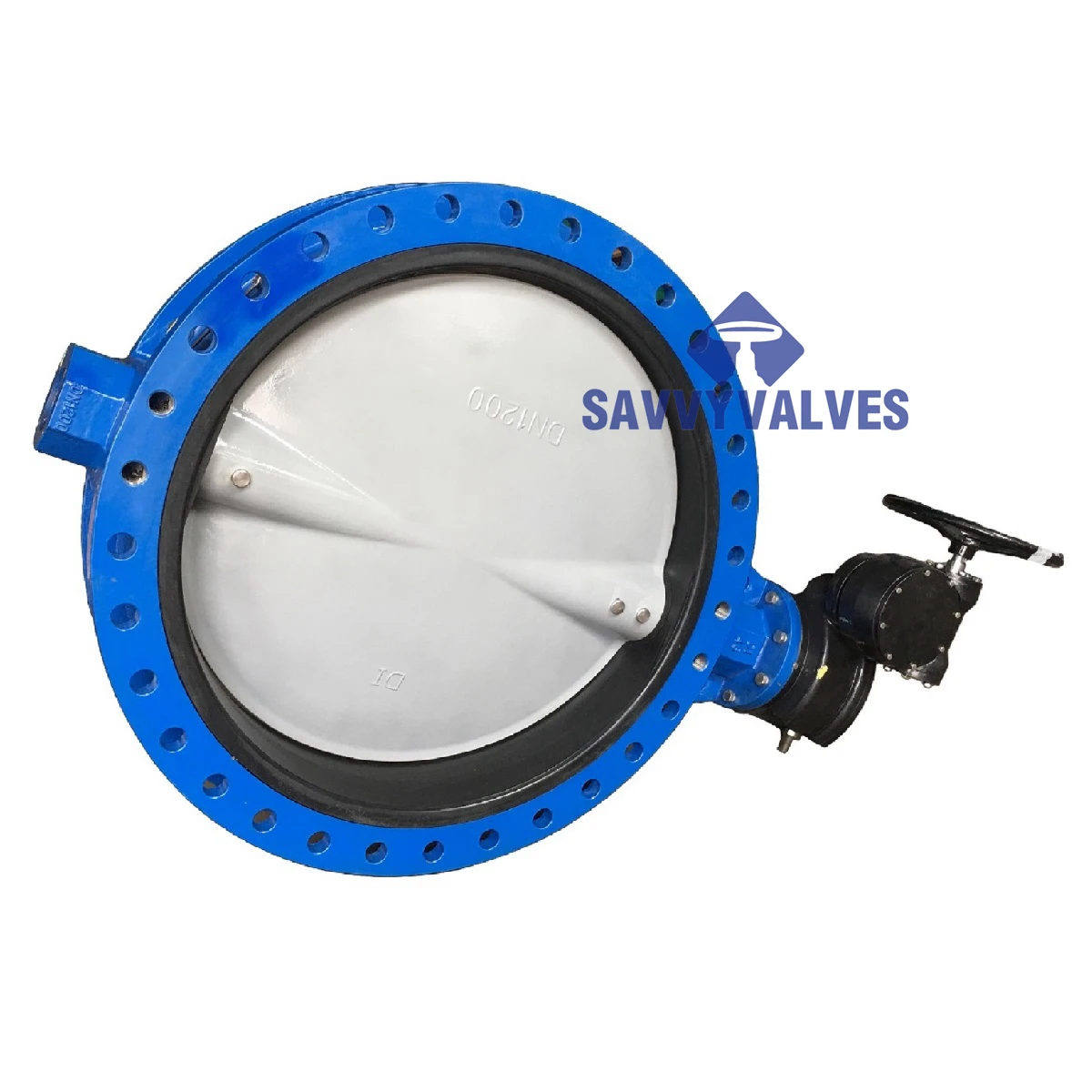
In simplest terms, a butterfly valve is a quarter-turn valve that uses a rotating disc to regulate flow through a pipe. The "DN 250" part just means it suits pipes approximately 250 millimeters in diameter — roughly 10 inches. These valves are prized for their compactness, speed of operation, and ability to handle sizeable flow rates with minimal pressure drop.
In modern industry, butterfly valves DN 250 handle everything from potable water systems and HVAC units to oil pipelines and chemical plants. Because the operating disc sits directly in the flow path, these valves offer tight shut-off capabilities while also being easier to install and maintain than gate or globe valves of similar size. Kind of an all-rounder, you might say.
Mini Takeaway:
- Butterfly valve DN 250 = rotating disc valve for 250 mm pipes.
- Offers a compact, efficient flow control with fast operation.
Key Components and Features of Butterfly Valve DN 250
Durability and Material Choice
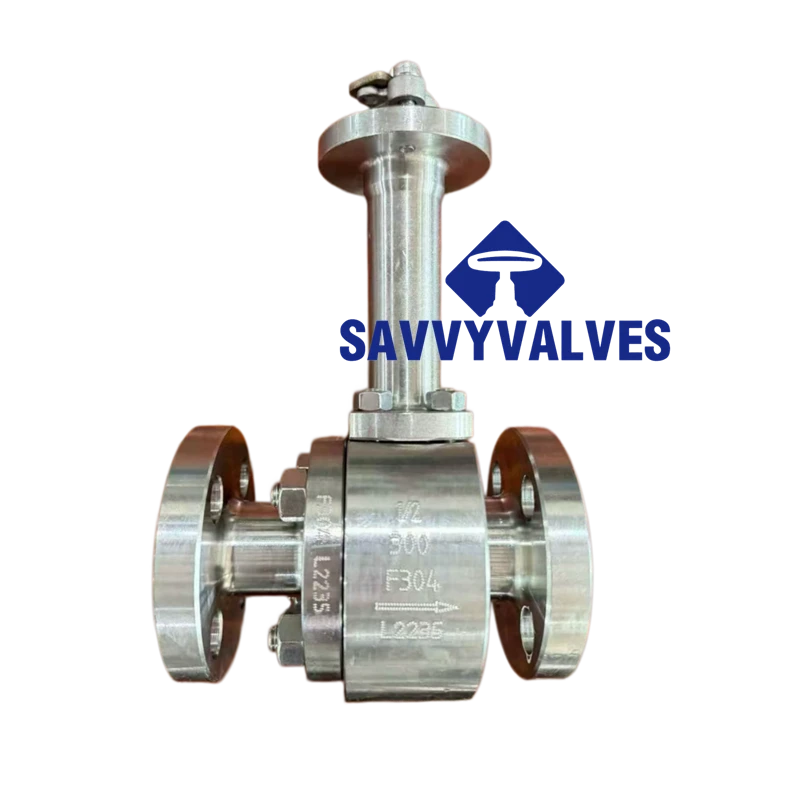
Most butterfly valves DN 250 are forged from stainless steel, ductile iron, or specially coated alloys to resist corrosion and wear. This is crucial because these valves often operate in harsh environments — saltwater desalination, chemical plants, or sludgy wastewater lines.
Disc Design and Sealing
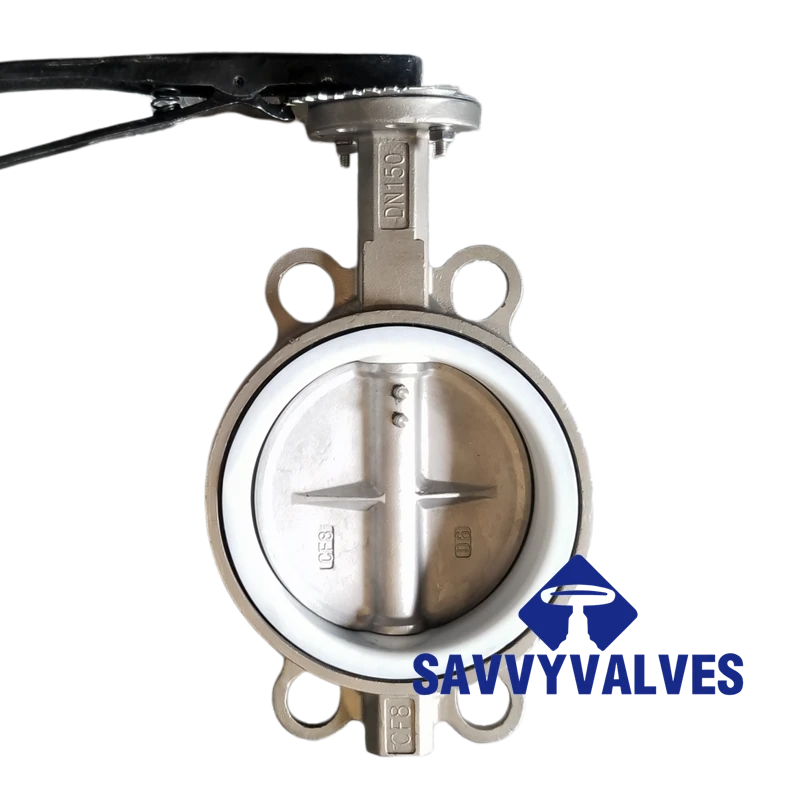
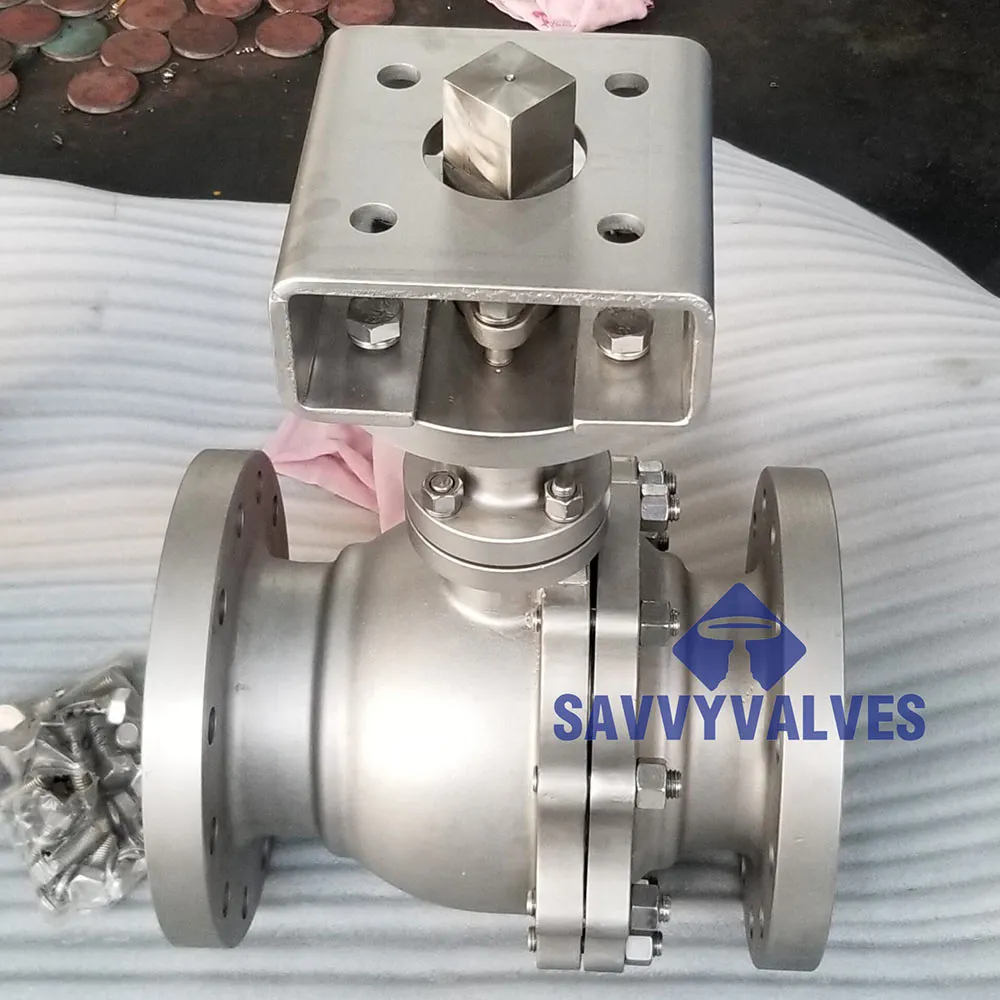
The disc is the heart of the valve. Its shape — often a wafer or lug style — affects flow efficiency and shut-off tightness. Seals, typically EPDM or PTFE, ensure leak-proof operation, which is vital when the valve is used in drinking water or high-pressure processes.
Actuation Mechanism
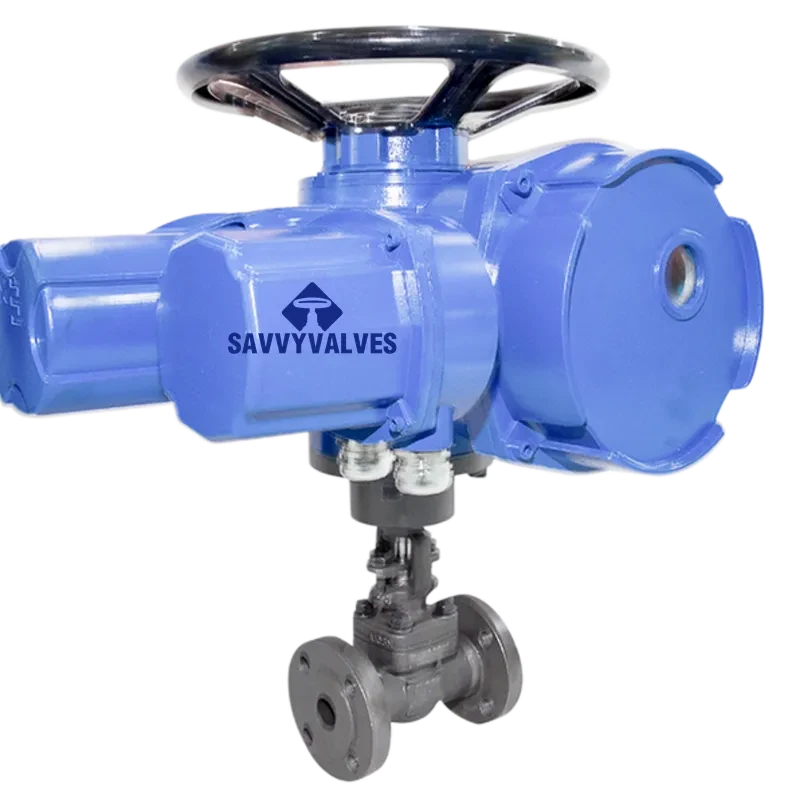
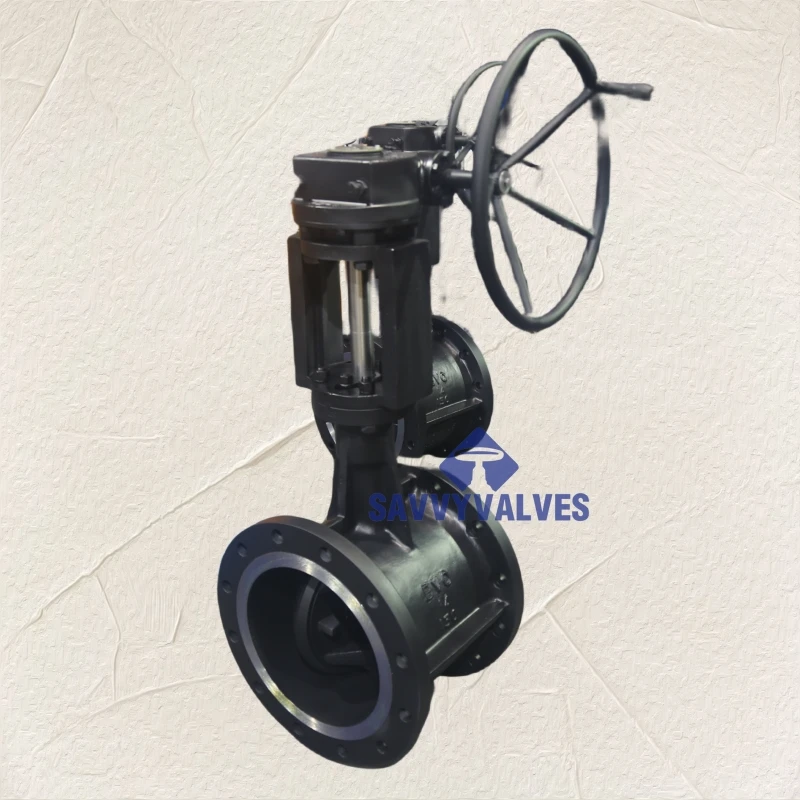
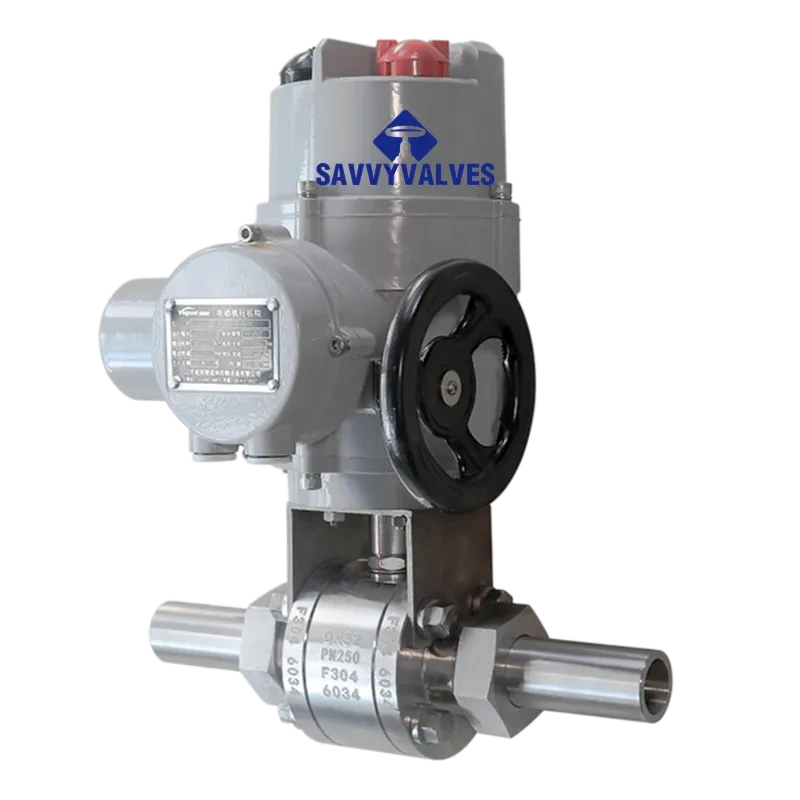
Manual handwheels, geared operators, or electric and pneumatic actuators operate these valves. Automation is trending, especially for remote monitoring in industrial plants, improving responsiveness and safety.
Compactness and Weight
Compared to gate valves or ball valves, butterfly valves DN 250 are lighter and smaller, reducing installation time and structural support requirements.
Cost Efficiency
Generally, these valves are more economical both upfront and in maintenance because of fewer moving parts and simpler designs.
Mini Takeaway:
- Robust, corrosion-resistant materials extend valve life.
- Innovative disc and seal designs optimize flow and sealing.
- Lightweight, space-saving features reduce project costs.
Where Do Butterfly Valves DN 250 Really Shine?
Industries and regions benefiting from butterfly valves DN 250 are fairly broad but notable:
- Water and Wastewater Treatment: European metropolitan systems rely on butterfly valves for reliable control of large flow volumes.
- Oil & Gas: In the Gulf region, these valves handle crude and refined products, withstanding corrosive elements.
- Power Plants: Thermal and hydroelectric stations use them to regulate cooling and processing fluids.
- Food & Beverage: Pump stations in the Americas count on sanitary butterfly valves DN 250.
In post-disaster relief, mobile water supply units fitted with butterfly valves enable rapid deployment of safe water. Another example? Remote mining operations in Australia capitalize on their low-maintenance needs and robustness under dusty, extreme conditions.
Mini Takeaway:
- A wide spectrum of industries depend on DN 250 butterfly valves for dependable fluid control.
- They facilitate high-impact humanitarian and industrial operations.
Advantages and Long-Term Value of Butterfly Valve DN 250
The tangible benefits of butterfly valves DN 250 extend beyond initial cost savings:
- Energy Efficiency: Minimal pressure loss means lower pumping costs, which adds up significantly in big systems.
- Longevity: Properly maintained valves last decades, reducing replacement cycles and downtime.
- Environmental Impact: Leak-proof designs reduce contamination risks, protecting ecosystems and public health.
- Safety and Trust: Operators feel confident when valves “just work,” especially during emergency shut-offs.
Also, from a social perspective, facilitating safe water or energy flow supports dignity and quality of life — something I find oddly underappreciated in technical discussions.
Butterfly Valve DN 250 Specification Table
| Feature | Typical Specification |
|---|---|
| Nominal Diameter | 250 mm (10 inches) |
| Body Material | Stainless Steel / Ductile Iron |
| Disc Style | Wafer / Lug |
| Seal Material | EPDM / PTFE |
| Pressure Rating | PN10 to PN16 (up to 16 bar) |
| Operating Temperature | -20°C to 150°C |
| Actuation | Manual / Electric / Pneumatic |
Comparing Leading Vendors of Butterfly Valve DN 250
| Vendor | Material Quality | Customization | Pricing | Global Reach |
|---|---|---|---|---|
| ValvePro Inc. | High-grade stainless steel | Extensive | Mid-Range | North America, Europe |
| FlowMaster Ltd. | Ductile Iron with coatings | Moderate | Budget-Friendly | Asia, Middle East |
| EcoValve Solutions | Bio-based seals & alloys | Limited | Premium | Europe, Americas |
The Road Ahead: Trends Shaping Butterfly Valve DN 250 Use
Automation and IoT integration are big leaps in valve tech. Imagine a butterfly valve DN 250 that self-monitors for leaks or wear and reports maintenance needs before things break down. Plus, the shift toward green energy pushes for materials with lower carbon footprints and longer service lives — and even valves optimized for hydrogen pipelines.
Digital twin technology also starts creeping in, offering operators virtual models to simulate different flow scenarios and system reactions. It feels futuristic, but suppliers are racing to make these features accessible.
Tackling Common Challenges
Even a good butterfly valve DN 250 isn’t perfect out of the box. Challenges like seal degradation under chemical attack or difficulty ensuring zero leakage in dusty environments persist. However, new composite materials and advanced sealing tech are promising solutions. Plus, better installation guidelines and predictive maintenance software reduce human error impacts.
FAQ: What Buyers Often Ask About Butterfly Valve DN 250
- Q1: What factors should I consider when selecting a butterfly valve DN 250?
- A: Focus on pressure rating, body and seal materials, actuation type, and compatibility with the fluid. Also consider maintenance needs and installation space.
- Q2: How often should butterfly valves be maintained?
- A: Regularly inspect seals and actuators annually at minimum; environments with harsh chemicals may require more frequent checks to avoid failures.
- Q3: Can butterfly valves DN 250 handle corrosive fluids?
- A: Yes, if constructed with appropriate materials such as stainless steel and PTFE seals. Always specify corrosion resistance based on fluid chemistry.
- Q4: Are automated actuators compatible with DN 250 valves?
- A: Absolutely. Most butterfly valves DN 250 can be fitted with electric or pneumatic actuators to enable remote and automated control.
- Q5: Where can I find reliable butterfly valve DN 250 suppliers?
- A: Trusted industrial suppliers and manufacturers like butterfly valve dn 250 providers offer verified options—always check certifications.
Wrapping Up: Why Butterfly Valve DN 250 Is a Smart Choice
At the end of the day, a butterfly valve DN 250 is more than just a pipe fitting—it’s a linchpin in critical infrastructure worldwide. Its balance of efficiency, durability, and cost-effectiveness is hard to beat. Whether in sprawling urban water networks or remote mining setups, it helps maintain the flow that keeps society running smoothly.
Curious? For a deeper dive or to find the right fit for your next project, visit our website: https://www.savvyvalvetech.com. Trust me, your system will thank you.



 English
  Arabic
  Azerbaijani
  Czech
Czech  Dutch
Dutch  French
  German
  Indonesian
  Italian
  Japanese
  Korean
  Malay
Malay  Persian
  Polish
  Portuguese
  Russian
  Spanish
  Thai
Thai  Vietnamese