
What is a Central Butterfly Valve and Why It Matters Globally
On the surface, a central butterfly valve might just sound like some industrial gadget; but in truth, it’s a quietly crucial component underpinning many modern systems we depend on daily. From controlling water supplies to managing chemical flows in factories, these valves regulate fluid movement efficiently and reliably. Globally, as industries strive for better energy efficiency and sustainable solutions, understanding a central butterfly valve becomes essential. Its benefits spill over to environmental safeguarding, resource management, and even humanitarian relief operations, making it an unsung hero in the valve family.
Global Context: Why Central Butterfly Valves Are Increasingly Critical
In the last decade alone, global industrial activity surged while environmental regulations tightened—an almost contradictory scenario that’s put a premium on smart infrastructure components. According to an ISO report, the demand for efficient flow control devices, including butterfly valves, is projected to grow by nearly 6% annually worldwide. Water scarcity in regions like the Middle East and rapid urbanization in Asia push utilities and manufacturers to adopt valves like the central butterfly valve for its compact design and flow efficiency. Meanwhile, organizations including the UN stress the importance of resilient water management systems in disaster-prone areas—where valves must be both effective and quick to maintain.
Industries face a thorny challenge: how to minimize waste and energy use while maximizing control and system longevity. The central butterfly valve somehow ticks these boxes, making it a high-demand, mission-critical piece of gear. Oddly enough, it’s not always about being the flashiest tech, but about marrying practicality with durability.
Defining the Central Butterfly Valve in Plain Terms
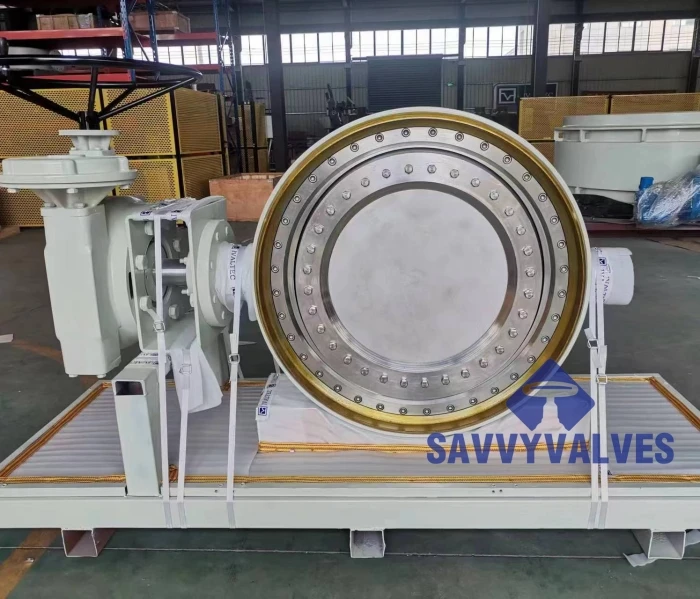
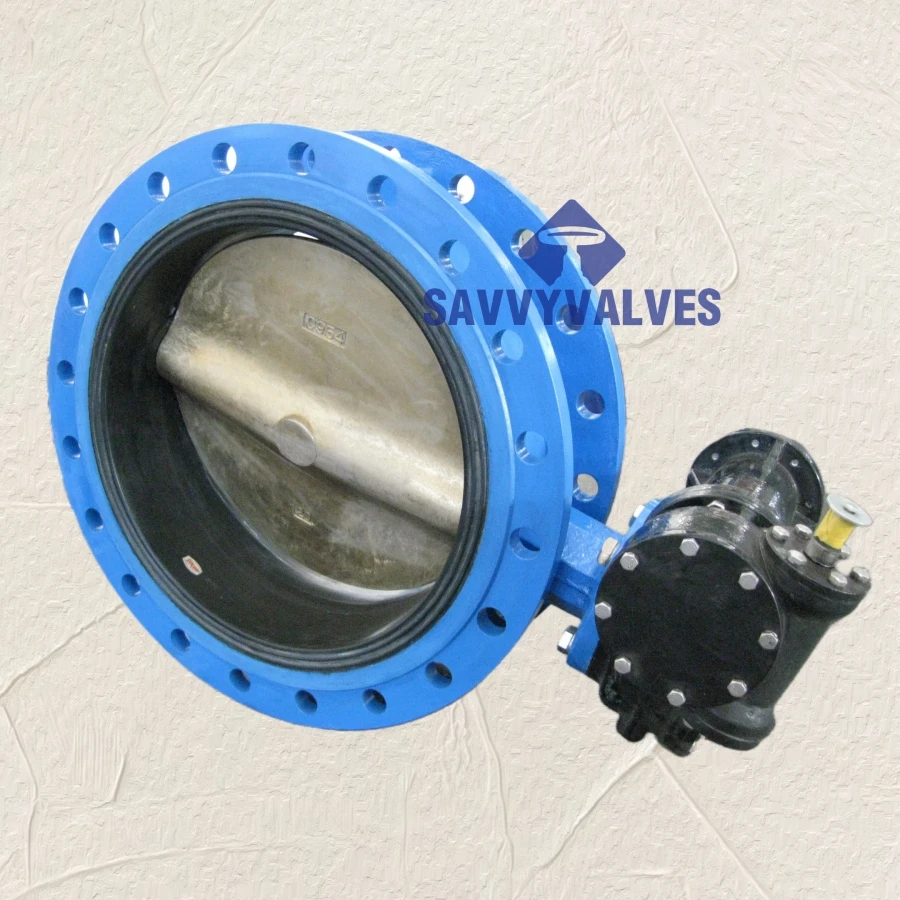
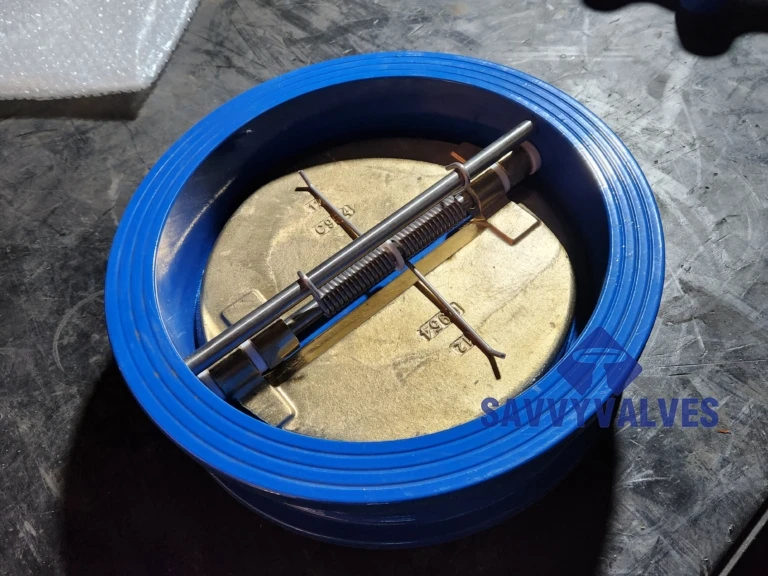
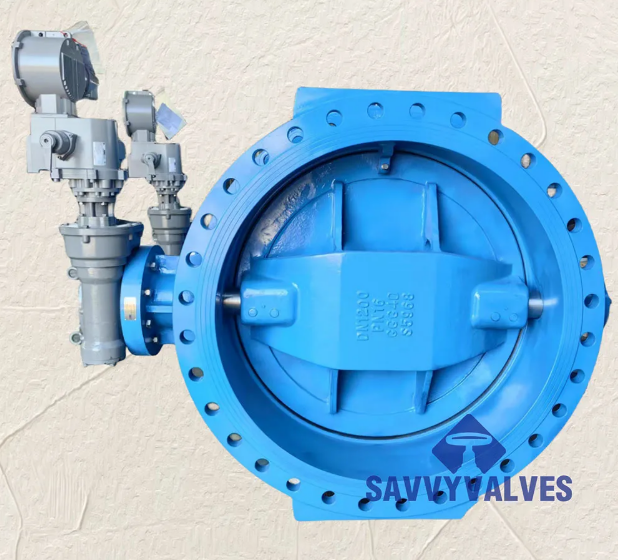
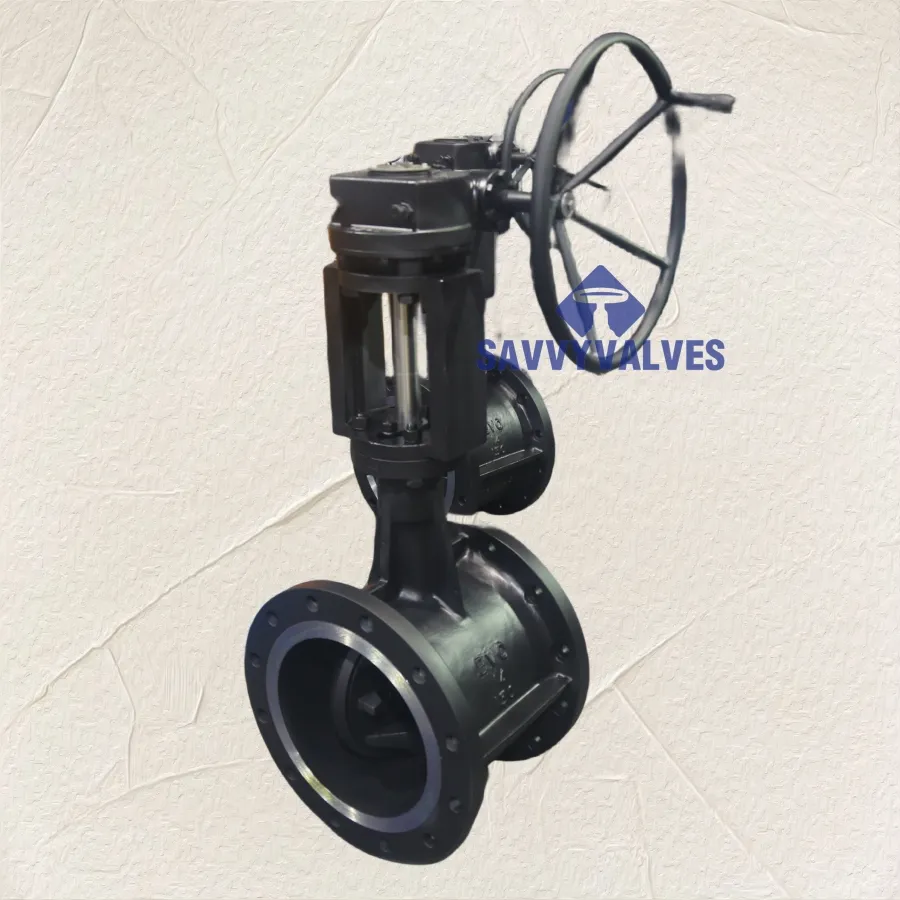
So, what exactly is a central butterfly valve? Think of it as a disc-shaped gate inside a pipe that can rotate to regulate how much fluid flows through. “Central” here implies that the valve’s disc is mounted on a central shaft, allowing smooth, reliable rotation. Unlike more complex valves, these butterfly valves boast a slim profile and light weight, which simplifies installation and maintenance.
This valve is part of the larger butterfly valve family but notably balances robust industrial application with nimble operation — perfect for water treatment plants, HVAC systems, and chemical processing industries. On a humanitarian level, their ease of use means that emergency water distribution points can stay functional with minimal technical fuss. It’s a nod to both industrial efficiency and practical humanitarian aid.
Key Attributes of Central Butterfly Valves
1. Durability
Many engineers say the hallmark of a great valve is how well it holds up in harsh conditions. Central butterfly valves often use stainless steel or epoxy-coated bodies to resist corrosion and wear. This makes them ideal for handling everything from potable water to aggressive chemicals.
2. Cost Efficiency
Because these valves require fewer materials and simpler mechanisms than other valves (like gate or ball valves), their upfront and maintenance costs tend to be lower — a big win for budget-conscious projects.
3. Compact Design
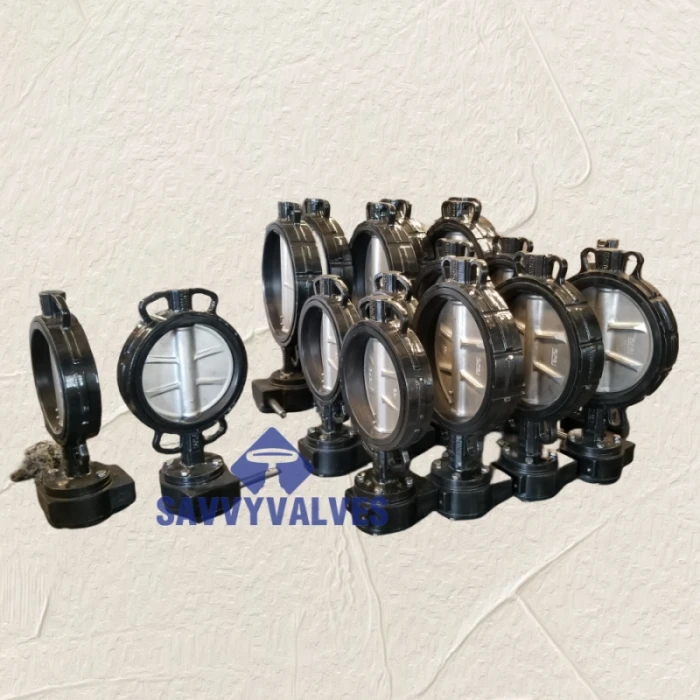
Unlike bulkier valves, the central butterfly valve’s slim form factor fits snugly between pipe flanges, which reduces pipeline weight and space concerns—key for retrofitting older plants or tight installations.
4. Flow Control Precision
Its rotating disc facilitates quick open-and-close action plus fine flow regulation when partially open. This is crucial when systems need responsive throttling without sacrificing easy operability.
5. Scalability and Versatility
From small-diameter residential systems to massive industrial pipelines, central butterfly valves come in varied sizes, making them versatile across sectors.
Mini takeaway: The central butterfly valve’s blend of ruggedness, economy, and flexibility explains why it’s become a staple worldwide.
Where Central Butterfly Valves Shine: Global Applications & Use Cases
Industries are not confined by geography, and neither are these valves. In Europe, harsh winters and complex water networks demand valves that won’t freeze or fail. In North America’s massive oil and gas infrastructure, central butterfly valves provide reliable flow shutoff and control. Meanwhile, South Asian developing nations employ them extensively in municipal water treatment — since they handle variable water qualities elegantly.
Even post-disaster zones in the Caribbean and East Africa have benefited. I recall reading a UN water project report that used butterfly valves for rapid-deployment water purification setups after hurricanes—since they could be quickly installed and easily maintained by local technicians with minimal training.
Their role also extends into HVAC systems in commercial buildings, food and beverage processing plants, pulp and paper industries, and arguably any setting requiring controlled fluid flows.
Advantages & Long-Term Value of Central Butterfly Valves
- Cost Savings: Lower initial and ongoing expenses compared to alternatives.
- Sustainability: Robust design reduces replacements and waste.
- Reliability: Minimal parts mean fewer points of failure.
- Safety & Trust: Quick shutoff in emergencies boosts confidence in complex systems.
- Social Impact: Improved water and energy management translate into better quality of life.
These valves don’t just perform mechanically. Frankly, they underpin peace of mind for engineers and operators alike. When people know that a system is dependable — that a valve won’t suddenly rupture or leak toxic fluids—they experience a level of quiet trust that isn’t easy to quantify.
Product Specification Table
| Specification | Details |
|---|---|
| Valve Type | Central Butterfly Valve |
| Material | Stainless Steel 316 / EPDM Seat |
| Diameter Range | 2" to 48" (50mm to 1200mm) |
| Operating Pressure | Up to 16 bar (232 psi) |
| Temperature Range | -20°C to 200°C (-4°F to 392°F) |
| Actuation | Manual, Electric, Pneumatic |
Innovative Vendors and How They Compare
| Vendor | Material Options | Pressure Rating | Price Range | Turnaround Time |
|---|---|---|---|---|
| ValveCo | SS316, PVC, Bronze | Up to 12 bar | $150 - $1200 | 2-4 weeks |
| FlowMaster | SS316, EPDM seals | Up to 16 bar | $180 - $1400 | 1-3 weeks |
| EcoValve Tech | Recycled steel, EPDM | Up to 10 bar | $130 - $1100 | 3-5 weeks |
Future Trends & Innovations in Central Butterfly Valve Design
The valve industry isn’t frozen in time. Digitalization has ushered in smart valves with IoT sensors, enabling real-time flow data and predictive maintenance. I find it fascinating how traditional mechanical parts are becoming “smart” in this way. Not to mention, material science is advancing—new composite materials provide lighter, stronger valves that can better resist corrosion and extreme temperatures.
Environmental policies globally mean greener manufacturing processes and products too, with vendors adopting recycled metals and biodegradable seat materials. Automation integration is also a big leap—more valves now self-adjust in complex HVAC or water treatment systems, responding to fluctuating demand without human intervention.
Challenges & Solutions: What’s Holding Back Wider Adoption?
Despite many benefits, central butterfly valves face some hurdles. For instance, their sealing efficiency in highly corrosive or abrasive environments sometimes falls short compared to ball valves. That’s where innovative coatings and seat materials come in, plus routine maintenance becomes even more critical.
Some engineers worry about torque requirements for larger sizes, but advanced actuators and gearboxes mitigate this. Custom valve configurations tailored site-specifically are growing in popularity to meet unique pressure and fluid conditions.
FAQ: Common Questions About Central Butterfly Valves
- Q: What industries benefit most from central butterfly valves?
- A: These valves are widely used in water treatment, HVAC, chemical processing, oil and gas, and food industries due to their versatility and robust design.
- Q: How does a central butterfly valve compare to other types of valves?
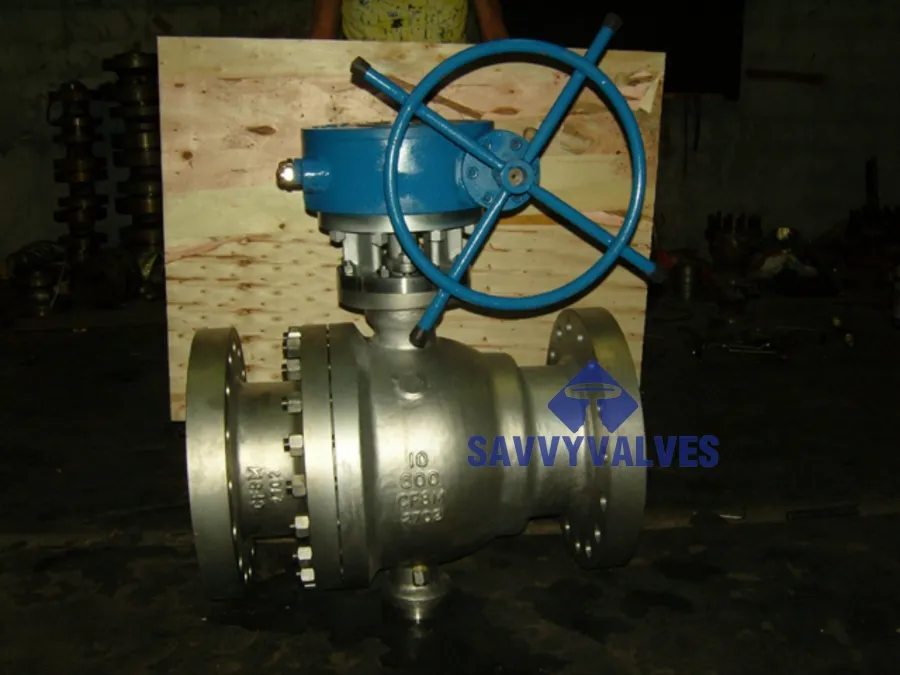
- A: The central butterfly valve offers a slimmer profile and quicker operation. It’s generally more economical and easier to maintain compared to gate or ball valves but may not seal as tightly in extreme conditions.
- Q: Are central butterfly valves suitable for high-pressure systems?
- A: Yes, many models can handle pressures up to 16 bar or more, especially with proper material selection and actuation, but always consult manufacturer specs for your application.
- Q: Can these valves operate automatically?
- A: Absolutely. Central butterfly valves often come with pneumatic or electric actuators for automated flow control in modern plants.
- Q: How do I maintain a central butterfly valve to maximize lifespan?
- A: Regular inspection of seals, lubrication of the shaft, and timely replacement of seats help maintain performance. It’s best to follow the manufacturer's maintenance guide.
Conclusion: Why Central Butterfly Valves Deserve Your Attention
Whether you’re updating an industrial plant or deploying humanitarian water solutions, the central butterfly valve offers a balanced blend of efficiency, durability, and cost-effectiveness. Its global presence in vast sectors underscores its unmatched versatility. For system designers and operators who value reliability with low maintenance overhead, this valve simply can’t be ignored.
If you want to explore robust and innovative central butterfly valve options or learn more about customizations tailored for your needs, I encourage you to visit central butterfly valve.
Quick takeaway: In a world pushing toward smarter, leaner infrastructure, these valves quietly run the show behind the scenes, smartly and steadily.


 English
  Arabic
  Azerbaijani
  Czech
Czech  Dutch
Dutch  French
  German
  Indonesian
  Italian
  Japanese
  Korean
  Malay
Malay  Persian
  Polish
  Portuguese
  Russian
  Spanish
  Thai
Thai  Vietnamese