
Center Line Butterfly Valve: Why It’s a Game-Changer Across Industries
At first glance, a center line butterfly valve might sound like just another valve in a sea of industrial hardware. But oddly enough, it’s one of those quietly essential parts that keep our water, oil, gas, and even clean energy systems flowing smoothly. Globally, valves shape how efficiently resources move from one point to the next—impacting everything from municipal water supply to massive manufacturing plants. Understanding why center line butterfly valves matter is basically understanding how modern infrastructure stays reliable, sustainable, and cost-effective.
Why the World Needs Center Line Butterfly Valves More Than Ever
Pipe networks sprawl like veins beneath every city and industrial site, responsible for endless streams of liquids and gases. According to ISO standards and data from the International Organization for Standardization, valves account for a huge percentage of flow control systems in industries worldwide. The center line butterfly valve specifically addresses persistent challenges like pressure consistency and wear. For instance, the United Nations projects urban populations to reach 68% by 2050, which means pipelines and valves need to be more durable and easily maintained — exactly where center line butterfly valves shine.
Open and close your faucet at home, or think of massive oil rigs thousands of miles offshore. The valve you don’t see is the unsung hero preventing leaks, downtime, or worse. Without effective valves, systems risk catastrophic failures or costly inefficiencies.
So, What Exactly Is a Center Line Butterfly Valve?
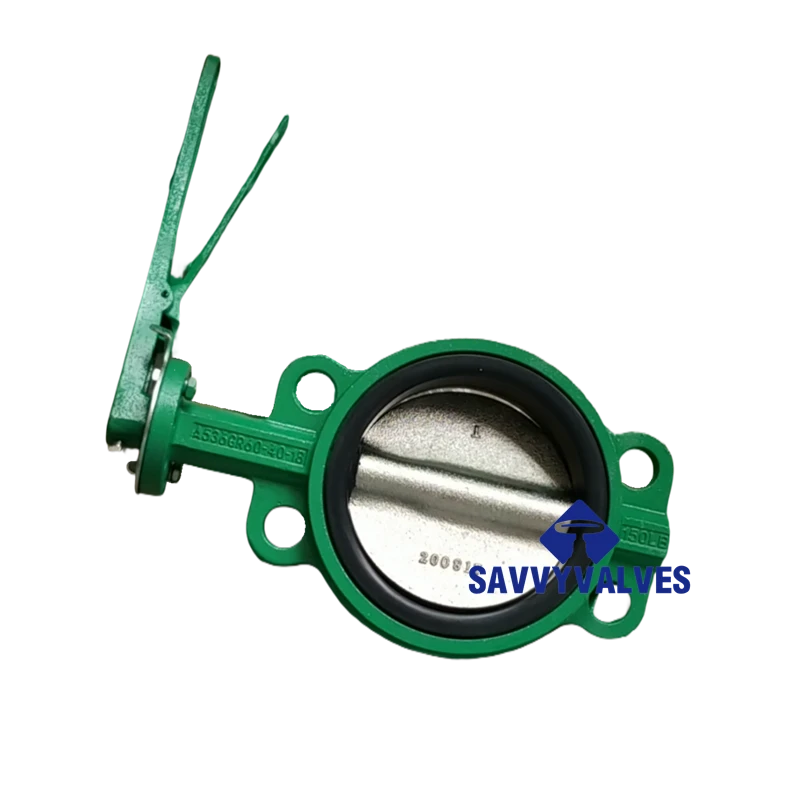
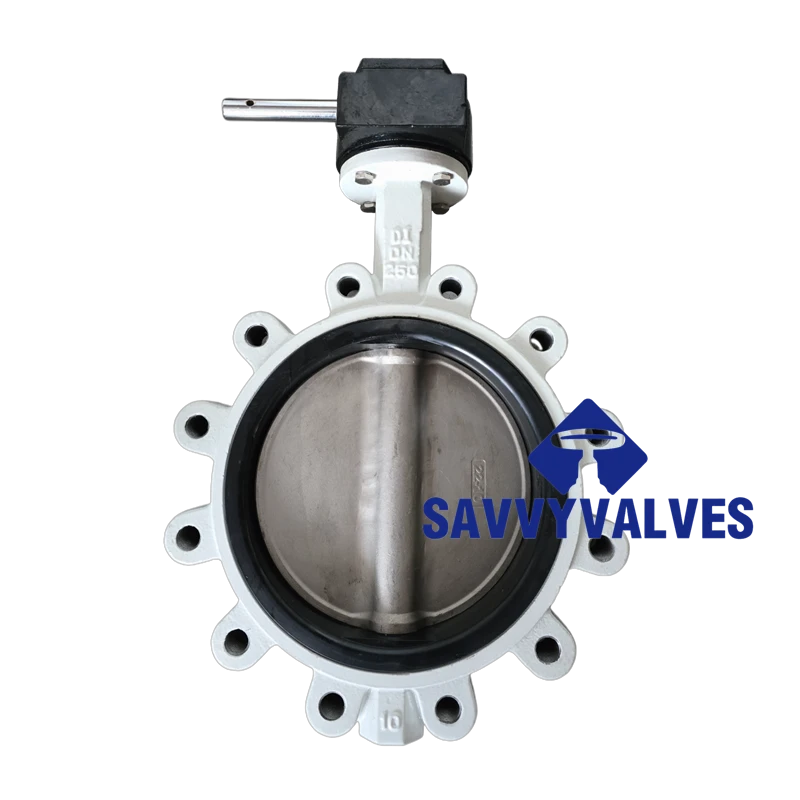
Simply put, a center line butterfly valve is a quarter-turn valve with a disc mounted on a shaft, which rotates to open or close the flow. Its hallmark is that the disc rotates exactly on the center line of the pipe – that is, the disc’s turning axis perfectly aligns with the pipe’s midpoint. This design balances forces better than eccentric or offset valve types, reducing friction against the seat and prolonging valve life.
In practical terms, it means less maintenance, more reliable seal integrity, and smoother operation. Industries reliant on clean water systems, chemical plants, or even high-rise HVAC setups find this especially valuable. Plus, with global pushes toward more sustainable and efficient infrastructure, valves that reduce energy usage and waste get some serious attention.
Core Features That Make Center Line Butterfly Valves Stand Out
Durability
The valve’s centered disc means there’s less uneven pressure on seals and seats, which translates into incredible wear resistance. Many engineers report valve lifespans well beyond 10+ years in harsh environments.
Cost Efficiency
Center line butterfly valves typically weigh less and require less material than ball valves or gate valves of similar size, often reducing upfront costs and installation times — especially important in large projects where every dollar and hour count.
Flow Control Precision
Thanks to its symmetrical design, it provides repeatable and reliable throttling capabilities without excessive seat wear. This means operators can modulate flow accurately, which is crucial in industries like water treatment or chemical processing.
Maintenance Simplicity
Your maintenance crew will love how easy it is to inspect, repair, or replace key components. Many valves come with replaceable seats and seals, so downtime is minimal.
Compatibility & Scalability
Center line designs come in a wide range of sizes and pressure ratings, adaptable to everything from thin pipelines delivering potable water to thick pipes in heavy industry.
Material Versatility
From ductile iron to stainless steel or even advanced composites, materials can be tailored to resist corrosive chemicals or high temperatures, widening the valve’s usability.
How These Valves Are Used Around the Globe
It’s fascinating how industries as varied as municipal water utilities, petrochemical plants, and food processing facilities depend on center line butterfly valves—each context pushing the valve's capabilities slightly differently.
Consider Southeast Asia’s sprawling hydropower projects, where these valves help safely regulate water flow to turbines. Or take disaster relief operations, where quick-to-install discrete valves jumpstart emergency water distribution after floods or hurricanes. Remote industrial zones in Canada and Australia incorporate them for oil sands pipelines that demand rugged, reliable flow control in freezing conditions.
Even municipal governments rely on them heavily: safe drinking water depends on valves that won’t leak or jam, especially in rapidly growing urban centers.
Advantages & Long-Term Value of Center Line Butterfly Valves
These valves aren’t just technical choices; they represent long-term investments in safety, sustainability, and operational trust. Cost savings come not only from the initial price tag but from minimizing costly emergency repairs, cutting back on energy losses, and avoiding environmental spills.
From a social angle, reliable valves help maintain the dignity of urban populations dependent on safe water or heating. It’s easy to overlook, but reliable valve function translates directly into lives made easier, cleaner, and just more comfortable. For project managers, it means fewer headaches and more predictable budgets.
Product Specification Table
| Specification | Typical Range / Value | Notes |
|---|---|---|
| Size Range | 2" to 48" (50 mm to 1200 mm) | Standard sizing varies by vendor |
| Pressure Rating | 150 PSI - 600 PSI (10 bar - 41 bar) | Typically Class 150 to Class 600 |
| Materials | Ductile iron, stainless steel, bronze, composites | Depends on fluid and environment |
| Operating Temperature | -20°C to 200°C (-4°F to 392°F) | Custom ranges available |
| Actuation Type | Manual, electric, pneumatic, hydraulic | Versatile control options |
Comparing Top Vendors for Center Line Butterfly Valves
| Vendor | Material Options | Size Range | Typical Industries | Lead Time |
|---|---|---|---|---|
| ValvesPro Co. | Stainless steel, ductile iron | 2" to 36" | Water, oil & gas, HVAC | 3-4 weeks |
| ValveMasters | Bronze, composites | 4" to 48" | Chemical, food processing | 4-6 weeks |
| GlobalFlow Valves | Stainless steel, composite | 2" to 40" | Oil & gas, municipal, energy | 2-3 weeks |
Emerging Trends in Center Line Butterfly Valve Technology
Technology never stops, does it? In valve design, composites and advanced polymers that resist corrosion and scaling are becoming more mainstream, reducing lifecycle costs even further. Digital sensors embedded right in valves allow remote condition monitoring, cutting downtime with predictive maintenance. The rise of green energy projects also drives demand for valve solutions optimized for lower environmental impact and compatibility with biofuels and hydrogen pipelines.
Frankly, automation and IoT integration seem set to transform how operators interact with valves daily — imagine knowing valve health in real time from your phone before a problem ever surfaces. It’s not sci-fi anymore.
Challenges and Solutions: What to Watch For
No valve is perfect, of course. Center line butterfly valves can face challenges like seat wear if used beyond their pressure range or in highly abrasive fluids. Additionally, retrofit projects sometimes struggle because piping layouts were never designed with these valves in mind.
Thankfully, expert valve manufacturers now offer custom designs and seat materials tailored to tough environments. Plus, modular valve systems can simplify upgrades. It comes down to choosing the right valve for your specific flow characteristics and maintenance capacity.
FAQ: Your Questions About Center Line Butterfly Valves Answered
Q1: What makes center line butterfly valves better than eccentric butterfly valves?
A1: Center line butterfly valves rotate around the pipe's center line, evenly distributing pressure on the valve seat and reducing wear. This generally leads to longer service life and smoother operation, especially in systems with frequent valve cycling.
Q2: Can these valves handle corrosive fluids?
A2: Yes, when constructed from corrosion-resistant materials like stainless steel or specialty composites, center line butterfly valves can be used in chemical and marine environments safely.
Q3: How easy is it to upgrade existing pipelines with center line butterfly valves?
A3: It depends on existing piping geometry. While retrofit is possible, assessing flange compatibility and available space is crucial. Many vendors offer customizable flange adapters to help bridge gaps.
Q4: Are center line butterfly valves suitable for automation?
A4: Absolutely. They can be fitted with electric or pneumatic actuators, allowing remote and precise control, which is increasingly common in smart infrastructure.
Q5: How often should these valves be maintained?
A5: Routine inspection every 12 months is common in normal conditions but may be more frequent in harsher environments. Regular lubrication and seat checks extend valve life significantly.
Wrapping Up: Why Center Line Butterfly Valve Deserves Your Attention
Reliability, cost efficiency, ease of maintenance — that’s the mix that makes center line butterfly valves a stalwart in countless applications. Whether it’s powering a city’s water supply or regulating chemical flows in a refinery, this valve type quietly ensures everything runs as planned. As infrastructure grows smarter and greener, having dependable valves that can keep pace is not just a luxury but a necessity.
If you’re exploring valve options or simply want to dive deeper, check out our resources and product lines at center line butterfly valve. Because when you get the valve right, everything flows better.
Mini Takeaways
- Center line butterfly valves offer balanced pressure handling for longer life and reliable sealing.
- Innovations like sensor integration and new materials boost valve performance and predictability.
- The valves serve core needs globally — helping urban infrastructure, industry, and emergency response alike.


 English
  Arabic
  Azerbaijani
  Czech
Czech  Dutch
Dutch  French
  German
  Indonesian
  Italian
  Japanese
  Korean
  Malay
Malay  Persian
  Polish
  Portuguese
  Russian
  Spanish
  Thai
Thai  Vietnamese