
Unlocking the Potential of Butterfly Valve Worm Gear: A Worthy Industry Focus
At first glance, the term butterfly valve worm gear might sound like a mouthful reserved for engineers in hazmat suits or deep within sprawling industrial plants. Yet, this humble mechanism quietly plays a crucial role in managing fluid flows globally — from water treatment plants in Europe to oil pipelines in the Middle East. Understanding the intricacies of butterfly valve worm gears touches not only industrial automation but also critical infrastructure that powers cities, safeguards environments, and even supports humanitarian logistics.
Why does it matter? Globally, industries demand dependable, efficient valves for managing liquids and gases in pipelines. According to the International Energy Agency, over 40% of energy consumption involves fluid transport, much of which relies on robust valve systems like those that employ worm gears. Proper valve actuation directly prevents costly downtimes, catastrophic leaks, and environmental hazards. So, unpacking the mechanics and applications of this component offers a glimpse into the bedrock of modern engineering reliability and sustainability.
Mini takeaway: In short, butterfly valve worm gear assemblies are unsung heroes ensuring process stability and safety worldwide.
Butterfly Valve Worm Gear: What Does It Mean, Really?
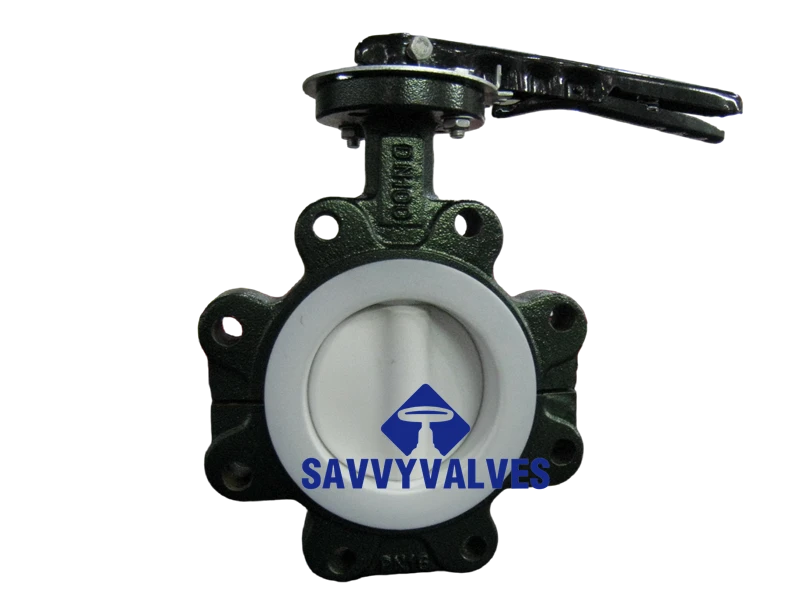
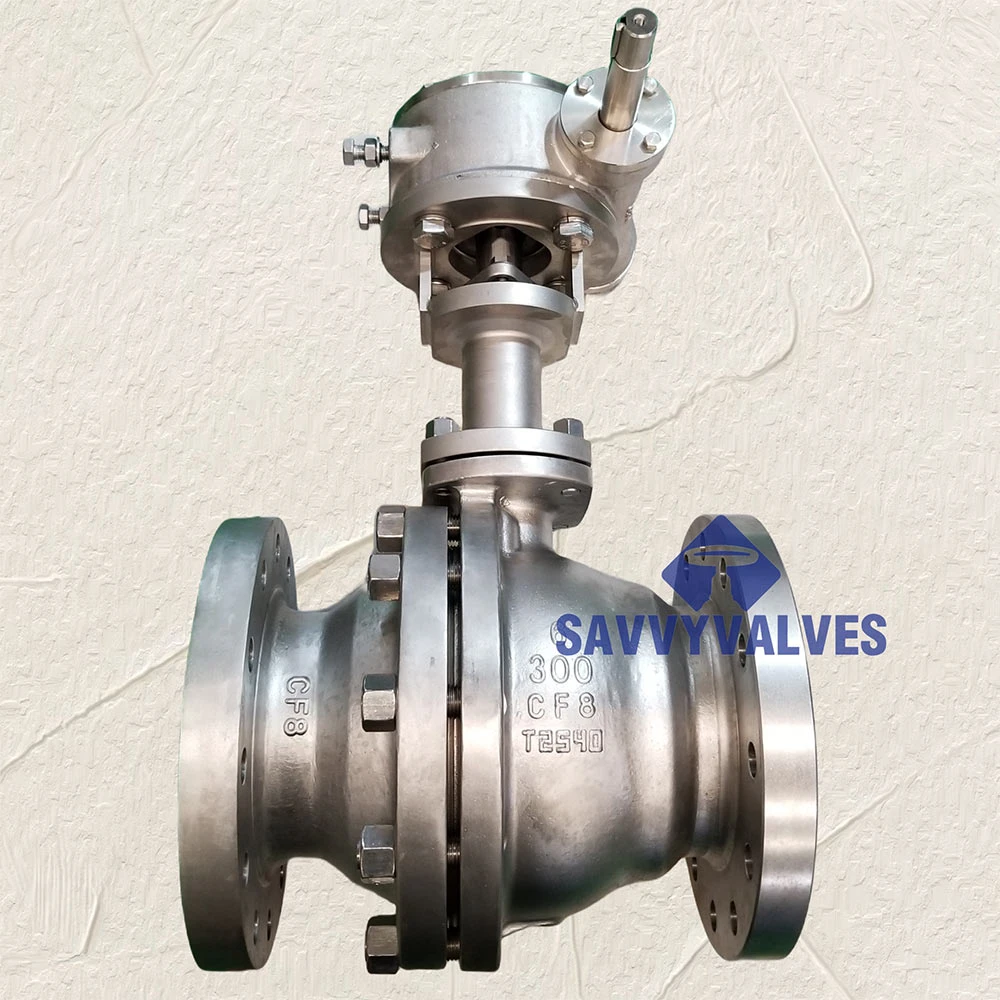
Simply put, a butterfly valve worm gear combines two key items—a butterfly valve and a worm gear actuator—to control the flow of liquids or gases through a pipeline. Butterfly valves feature a circular disc mounted on a shaft that rotates to open or close the flow path. Pairing this with a worm gear actuator enables smooth, precise rotation with mechanical advantage, often converting small input forces into larger output torque.
In real-world terms, imagine an assembly line controlling chemical processing; the butterfly valve opens just the right amount, while the worm gear ensures reliable, finely tuned movements, critical for process stability. Moreover, these systems often align with automation frameworks, enhancing remote control and monitoring capabilities, which in turn serve industries ranging from water management to oil and gas.
butterfly valve worm gear setups are particularly prized for their compact size, durability, and ability to maintain position securely, avoiding valve slippage — a small detail with big consequences.
Core Attributes That Define Butterfly Valve Worm Gears
Durability: Built for the Long Haul
Materials like stainless steel, brass, or engineered polymers contribute to corrosion resistance and mechanical strength, enabling years of operation in harsh environments. Many engineers note that the worm gear’s inherent self-locking characteristic prevents unintentional valve movement, which is ideal when consistent flow position is mandatory. It’s almost like having a built-in safeguard that never sleeps.
Precision Control
Unlike simple quarter-turn valves, worm gear actuators allow for incremental adjustments — even if gently ratcheting only small turns at a time with significant torque, which means more accurate flow regulation. Think of it as the difference between a dimmer switch and an on/off toggle.
Cost Efficiency
While not cheapest upfront, the longevity and low maintenance requirements typically reduce total ownership cost. The worm gear’s ability to transfer torque with minimal effort prevents motor strain and energy waste.
Scalability and Adaptability
From small pipelines in food processing to huge infrastructure projects, modular worm gear designs can be adapted for different valve sizes and actuation needs — a feature highly valued by operators managing evolving facilities and expansions.
Safety and Compliance
With rising global regulatory pressures, the use of reliable butterfly valve worm gear mechanisms translates into improved occupational safety and reduced environmental risk, contributing to compliance with ISO and API industry standards.
Mini takeaway: Durability, accuracy, and safety form a trifecta making butterfly valve worm gear assemblies indispensable across industries.
Global Applications: Where and How Butterfly Valve Worm Gears Really Shine
Whether it’s supplying potable water in India's vast metropolitan areas or regulating fuel lines in remote Arctic oil rigs, butterfly valve worm gears consistently turn up in vital roles.
- Water & Wastewater Treatment: Operators worldwide use these valves for precise flow control in filtration and distribution systems, ensuring consistent pressure without leaks.
- Oil & Gas Pipelines: Given the need to handle corrosive substances and high pressures, rugged, self-locking worm gear actuators are a natural fit.
- HVAC and Industrial Automation: Automated flow adjustment ensures energy efficiency and environmental comfort in massive buildings and factories.
- Disaster Relief and Remote Installations: In post-disaster water supply setups or off-grid plants, the reliability and ease of manual override make these valves ideal.
In places like Southeast Asia, where infrastructure modernization meets budget constraints, the cost-to-performance ratio of worm gear butterfly valves is making them a preferred choice even for new smart-city projects.
The Specification Table: Typical Butterfly Valve Worm Gear Features
| Feature | Specification | Benefit |
|---|---|---|
| Valve Size Range | 2" to 36" (50 - 900 mm) | Fits a broad range of pipes |
| Material | Stainless Steel / Carbon Steel / Aluminum | Corrosion resistance & strength |
| Torque Output | Up to 500 Nm | High force with small input |
| Operation Type | Manual, Electric, or Pneumatic actuation | Flexible automation options |
| Temperature Range | -20°C to 200°C (-4°F to 392°F) | Suitable for varied process conditions |
Comparing Vendors: Picking the Right Butterfly Valve Worm Gear Supplier
| Vendor | Material Options | Actuation Types | Price Range | Global Reach |
|---|---|---|---|---|
| Savvy Valve Tech | Stainless Steel, Aluminum, Brass | Manual, Electric, Pneumatic | Mid-High | Worldwide |
| FlowMaster Inc. | Carbon Steel, Stainless Steel | Manual, Hydraulic | Low-Mid | North America, Europe |
| Valve Solutions Ltd. | Polymer, Stainless Steel | Electric, Pneumatic | High | Asia-Pacific, Europe |
Advantages and Long-Term Value of Butterfly Valve Worm Gear Systems
When you consider that many industries run 24/7 operations, downtime not only costs money but reputation or worse — safety. Butterfly valve worm gear assemblies provide consistent, fail-safe operation that minimizes risk. Their self-locking worm gear design means the valve won’t slip from position under pressure, and the robust materials keep corrosion at bay.
Emotionally, operators trust these devices because years in the field have proven reliability. It’s like a dependable co-worker who always shows up on time, every time. On the logical side, the precise control reduces wasted resources, lowers emissions, and ultimately supports sustainability goals.
Future Trends: What’s Next for Butterfly Valve Worm Gear?
Curiously, a wave of innovation is reshaping the field. We’re seeing the integration of smart sensors that provide real-time data on valve position, wear, and fluid flow — all feeding into remote monitoring systems. Alongside digitization, new composite materials promise lighter, more durable valves that resist even harsher chemicals and temperatures.
Moreover, green energy initiatives demand valves that complement renewable infrastructure, like hydropower plants and biofuel pipelines — a perfect landing zone for advanced butterfly valve worm gear solutions. The push for automation also means more electric and pneumatic actuation options optimized for IoT applications.
Challenges and Expert Solutions
Of course, no system is flawless. One challenge is ensuring worm gear assemblies can withstand sudden surges or abrasive fluids without accelerated wear. To combat this, engineers increasingly use specialized coatings and sealing technologies. Another hurdle is the balancing act between upfront costs and long-term savings, especially in developing markets. Here, modular designs and repairable components come into their own, allowing staged investments and easier maintenance.
FAQ: Frequently Asked Questions About Butterfly Valve Worm Gear
- Q: How does the worm gear prevent unintentional valve movement?
- A: The worm gear’s screw-like design is self-locking, meaning the valve disc resists turning due to fluid pressure or vibration unless the actuator applies force. This ensures the valve stays fixed even under stressful conditions.
- Q: Can butterfly valve worm gears be automated for remote control?
- Yes, many models come with electric or pneumatic actuators that integrate with control systems, enabling remote operation and feedback monitoring, ideal for large plants or hazardous environments.
- Q: What industries benefit most from butterfly valve worm gear assemblies?
- Common industries include water and wastewater treatment, oil and gas pipelines, HVAC systems, chemical processing, and any application needing reliable flow control.
- Q: How does maintenance frequency compare to other valve types?
- Thanks to their durable materials and self-locking gears, butterfly valve worm gear systems typically require less frequent maintenance compared to other options, but schedules vary based on usage and environment.
- Q: Are these valves suitable for high-temperature applications?
- Yes, many butterfly valves with worm gears are designed to handle temperatures up to 200°C (392°F), with special materials available for even higher ranges.
Final Thoughts: Why Butterfly Valve Worm Gear Deserves Your Attention
When you zoom out and think about the invisible workhorse that is a butterfly valve worm gear, it feels a bit like the quiet engine under a vintage car’s hood — not flashy, but utterly essential. Long-term, the benefits of durability, precision, and adaptability position these assemblies as core to industrial reliability and sustainability worldwide.
If you’re interested in exploring options or learning more, jump over to Savvy Valve Tech and get the lowdown on what truly innovative butterfly valve worm gear solutions look like today.
Mini takeaway: Investing in quality valve worm gear assemblies is investing in peace of mind — tough, precise, and ready for tomorrow’s challenges.
References
- International Energy Agency (IEA). “Global Energy & Emissions Outlook.” 2023.
- ISO 14313:2007. “Petroleum and natural gas industries – Pipeline transportation systems – Pipeline valves.”
- Wikipedia contributors. "Butterfly valve." Wikipedia, The Free Encyclopedia. https://en.wikipedia.org/wiki/Butterfly_valve


 English
  Arabic
  Azerbaijani
  Czech
Czech  Dutch
Dutch  French
  German
  Indonesian
  Italian
  Japanese
  Korean
  Malay
Malay  Persian
  Polish
  Portuguese
  Russian
  Spanish
  Thai
Thai  Vietnamese