
What’s the Deal With Butterfly Valve DN40 and Why Should You Care?
If you’ve ever worked with piping systems, HVAC, or industrial fluid control, you’ve likely bumped into the term “butterfly valve DN40.” But even if you haven’t, understanding these compact yet versatile valves can be surprisingly important — not just in factories and water treatment plants, but also globally, when it comes to handling essential resources efficiently and sustainably.
Simply put, the butterfly valve DN40 is a type of valve used to regulate flow in a pipeline, with “DN40” referring to its nominal diameter, about 40 millimeters or 1.5 inches. It’s a small but mighty piece of equipment that plays a crucial role in a bunch of industries, from water distribution to chemical processing, and beyond.
Why should you care? Well, these valves help industries control flow smoothly, reduce energy consumption, and maintain safety standards. With growing global demand for water and energy efficiency, understanding these valves and their benefits isn't just technical jargon — it's part of a worldwide push for smarter, greener resource management.
Butterfly Valve DN40 in the Big Picture: An Industry and Global Snapshot
On a global scale, butterfly valves are everywhere. According to ISO standards for pipe fittings (ISO 7268), valves like DN40 are standard in both commercial and industrial sectors. Think: billions of dollars worth of water infrastructure rely on valves just like these to ensure clean water reaches cities without leaks or contamination.
The global water valve market, valued at around $10 billion in recent years, is expected to grow annually by about 5-6% due to urbanization and infrastructure upgrades, with butterfly valves making up a significant portion due to their compact size and efficiency (ISO, 2023). Yet challenges persist — traditional valves often face wear, corrosion, and maintenance struggles that cost time and money.
Here’s where butterfly valve DN40 steps in with a promise of simpler installation, lower maintenance, and greater flow control precision.
Breaking It Down: What Exactly Is a Butterfly Valve DN40?
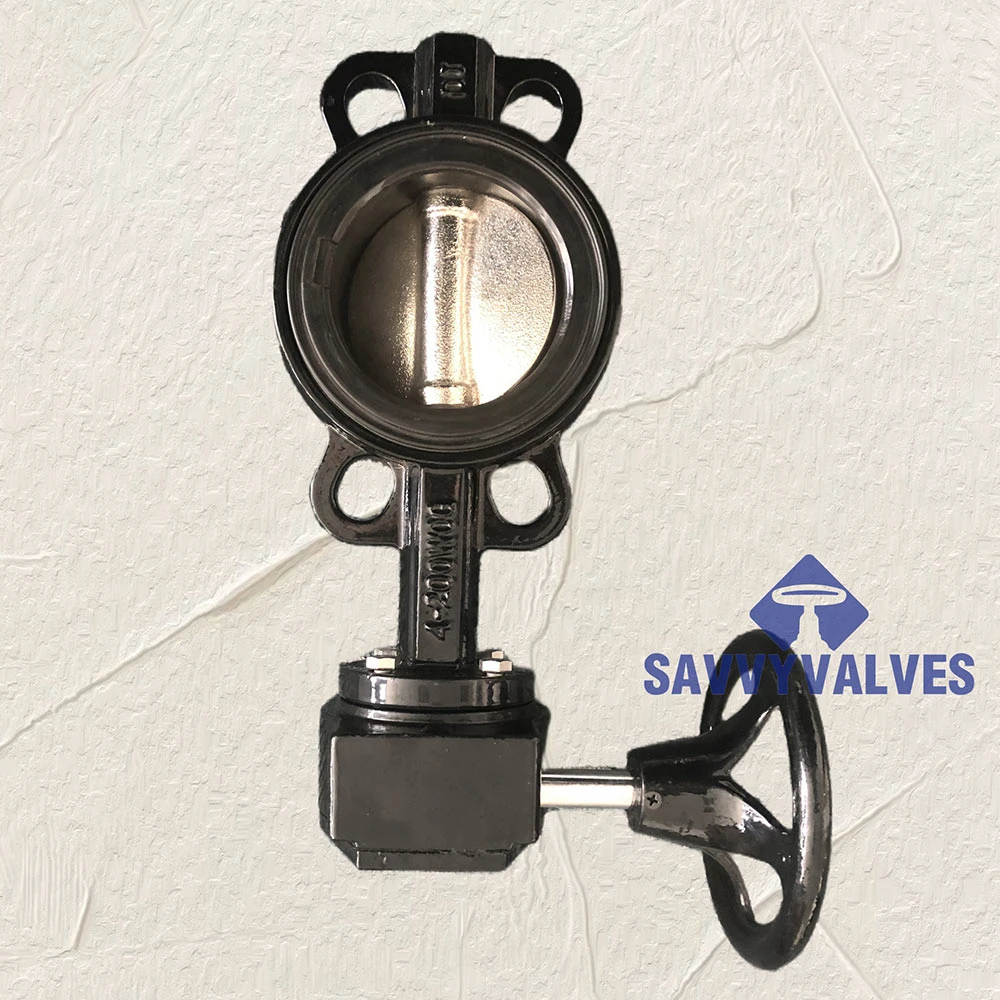
At its core, a butterfly valve is a quarter-turn valve—a disc spins on a central shaft to either block or allow flow. The “DN40” indicates the valve's nominal diameter is 40 millimeters, a fairly common size that suits many small- to mid-scale piping setups.
The design is remarkably straightforward but effective. Unlike gate valves or ball valves, butterfly valves weigh less and pack a smaller footprint. This makes them ideal in modern industries searching for compact, reliable flow solutions that don’t guzzle energy or need constant adjustment.
Industries like water supply, food processing, pharmaceuticals, even firefighting use DN40 butterfly valves because they can be quickly actuated (often electronically or pneumatically), making real-time flow regulation a breeze.
Key Characteristics of Butterfly Valve DN40
- Compact & Lightweight: Easier to install and maintain compared to bulkier valves.
- Quick Operation: 90-degree turn to fully open or close.
- Cost-Effective: Typically less expensive than ball or gate valves of similar size.
- Durable Materials: Often made from stainless steel, cast iron, or resilient polymers.
- Flow Control Precision: Offers moderate throttling capability.
Mini takeaway: Butterfly valve DN40 strikes a great balance between function, size, and affordability, ideal for many fluid control tasks.
Core Components & Considerations When Choosing Butterfly Valve DN40
Durability
Materials matter. Stainless steel DN40 valves resist corrosion better in harsh chemical environments, while rubber-lined ones suit water or wastewater systems. Choosing the right build can vastly extend valve life and reduce downtime.
Sealing & Leakage Prevention
Modern butterfly valves come with reinforced seals that prevent leaks even under fluctuating pressures. For sensitive applications like pharmaceuticals, this is crucial.
Operation & Automation Compatibility
Many DN40 butterfly valves now integrate well with electric or pneumatic actuators, enabling remote or automated operation. This matches the trend towards Industry 4.0 and smart process control.
Cost Efficiency
A neat thing about DN40 valves is their price point. They’re not the cheapest valves on the block, but once installed, their low maintenance and energy-saving features invariably pay off.
| Specification | Details |
|---|---|
| Nominal Diameter | 40 mm (DN40) |
| Operating Pressure | Up to 16 bar |
| Materials | Stainless Steel, Cast Iron, PVC |
| Temperature Range | -10°C to 150°C |
| Connection Type | Wafer, Lug, Flanged |
Mini takeaway: Knowing your environment and requirements makes picking the right butterfly valve DN40 less of a guessing game and more of a smart choice.
Where Butterfly Valve DN40 Comes Alive: Global Applications & Case Uses
Industrially, you’ll find butterfly valves in municipal water plants in Europe controlling clean water flows with minimal energy loss. In Asia, they’re part of sprawling chemical complexes requiring quick shut-off in hazardous pipelines. Oddly enough, even remote off-grid solar water pumping stations in Africa rely on DN40 valves for robust, low-maintenance regulation.
Another real-world example: In post-disaster relief operations, temporary water infrastructure often uses butterfly valves sized DN40 for rapid deployment and reliable flow control. Their lightweight design means quick installation, a godsend when every hour counts.
Advantages & Why Butterfly Valve DN40 Is a Long-Term Winner
- Cost Savings: Fewer leaks and less maintenance cut operational costs.
- Space Efficiency: Takes up less room than bulky alternatives.
- Durable Reliability: Made to last in tough conditions.
- Environmentally Friendly: Less wastage and energy use align with sustainability goals.
- Safety & Trust: Quick shut-off reduces risk in hazardous setups.
Mini takeaway: Butterfly valve DN40 delivers hard benefits firms count on — alongside peace of mind.
Trends & Innovations on the Horizon
One exciting trend is the use of smart sensors embedded in DN40 valves for real-time monitoring. Think of this as a health tracker for your pipeline, flagging leaks or pressure changes instantly.
On the materials front, development of advanced composites aims to reduce valve weight even further while improving chemical resistance. Plus, green manufacturing processes are becoming a selling point, with companies seeking valves that have a smaller carbon footprint.
Hurdles & How the Industry Tackles Them
Sometimes these valves suffer from wear in very abrasive environments or fail to seal perfectly under extreme temperatures. But ongoing R&D focuses on better sealing tech and more corrosion-resistant coatings, making butterfly valves more versatile than ever.
Butterfly Valve DN40: Frequently Asked Questions
- Q: How do I choose the right actuator for my DN40 butterfly valve?
- A: Match the actuator to your valve's size, operating pressure, and the control needs. Electric actuators suit automated systems, while pneumatic might be best where compressed air is readily available.
- Q: What maintenance does a butterfly valve DN40 typically need?
- A: Regular checks for seal wear, lubrication of moving parts, and prompt replacement of damaged components usually suffice to keep valves functional for years.
- Q: Can a DN40 butterfly valve handle high-temperature fluids?
- A: It depends on the valve's material and design but many stainless steel variants operate safely up to 150°C. Verify specs with your vendor for specific use cases.
- Q: What are common installation challenges with DN40 butterfly valves?
- A: Proper pipe alignment is crucial. Misalignment can cause leaks or damaging stress on the valve’s disc and seal, so professional installation is advisable.
Wrapping It Up: Why Butterfly Valve DN40 Matters
Long story short, the butterfly valve DN40 is far more than an obscure pipeline part. Its role in ensuring efficient, reliable flow control has ripple effects on industrial productivity, environmental stewardship, and safety worldwide.
Ready to explore how this essential valve fits your needs? Visit our website for in-depth specs, innovative products, and expert advice: butterfly valve dn40.
Vendor Comparison for Butterfly Valve DN40
| Vendor | Material Options | Price Range (USD) | Lead Time | Special Features |
|---|---|---|---|---|
| ValveTech Co. | Stainless Steel / Cast Iron | $50–$80 | 2–3 weeks | Smart sensor compatible |
| FlowMaster Industries | PVC / Composite | $30–$60 | 1–2 weeks | Lightweight, corrosion resistant |
| AquaValve Solutions | Stainless Steel | $60–$90 | 3–4 weeks | Enhanced seal tech for high-pressure |
It’s funny how such a small valve can wield so much influence — but truly, when you consider the systems it supports, the butterfly valve DN40 really does make a difference.



 English
  Arabic
  Azerbaijani
  Czech
Czech  Dutch
Dutch  French
  German
  Indonesian
  Italian
  Japanese
  Korean
  Malay
Malay  Persian
  Polish
  Portuguese
  Russian
  Spanish
  Thai
Thai  Vietnamese