
Understanding the Butterfly Valve DN300: A Quiet Hero in Industry
If you've ever dealt with large fluid handling systems in industries like water treatment, oil and gas, or chemical processing, you might have come across the term butterfly valve DN300. Frankly, it often flies under the radar compared to flashy tech innovations, but this valve plays a crucial role in controlling flow with efficiency and precision. Globally, industries depend on it to keep systems running smoothly, safely, and sustainably. To put it bluntly: knowing the ins and outs of such a valve is more than just plumbing talk—it’s about understanding how the world moves liquids and gases in a controlled way, saving energy, reducing waste, and securing infrastructure. So let’s peel back the layers of this practical yet fascinating component.Global Context: Why the Butterfly Valve DN300 Matters Now
Globally, the demand for reliable pipeline components like butterfly valves is growing sharply. According to a report by the International Organization for Standardization (ISO), the flow control valve market was worth over $15 billion in 2023 and is expected to grow by about 6% annually in the next five years. This uptrend aligns with expanding infrastructure projects, adoption of greener energy, and industrial modernization. Specifically, the DN300 size—which means a nominal diameter of 300 millimeters—is popular in mid-to-large scale operations where substantial fluid volumes need handling. For example, municipal water suppliers in Asia and Europe install DN300 butterfly valves as part of sustainable water distribution efforts. They address the challenge of reducing pressure drops and leakage in pipelines, which can otherwise lead to massive water loss or energy inefficiency.What Exactly is a Butterfly Valve DN300?
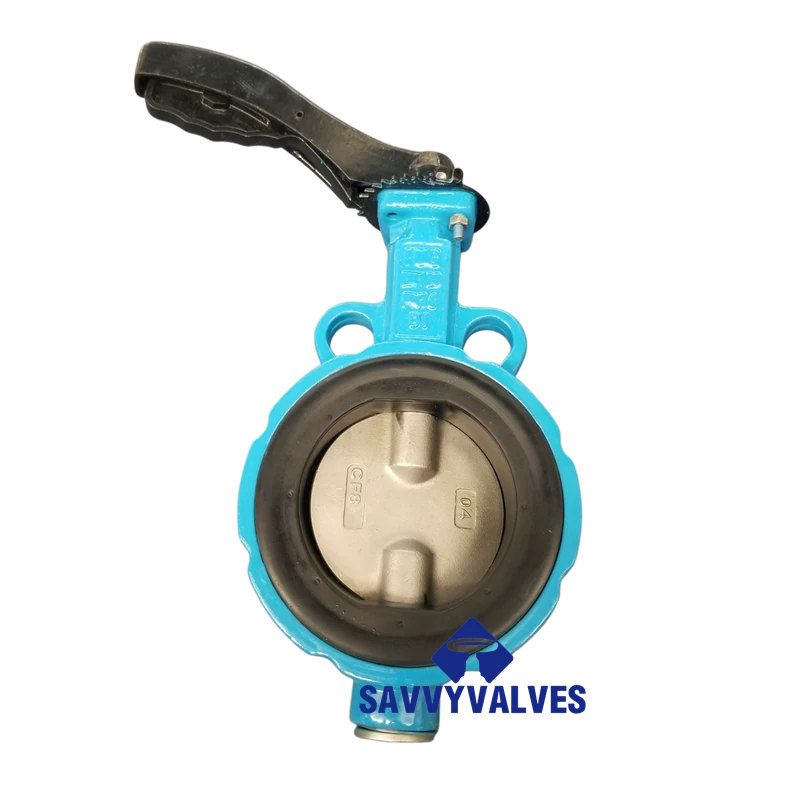
In simple terms, a butterfly valve is a valve that regulates flow by using a rotating disc inside the pipe. The "DN300" designation indicates the valve fits into pipes with roughly 300 mm internal diameter. Imagine a disc that pivots like a butterfly’s wings inside the pipeline, hence the name. When the disc turns perpendicular to the flow, it stops fluid movement — like a quick “pause” button. Rotated parallel, it allows flow almost unrestricted. This simple but sturdy mechanism is why butterfly valves are preferred for fast, reliable throttling or isolating in various industries. Oddly enough, the butterfly valve DN300 aligns well with current humanitarian needs, too. For instance, water supply systems in emergency or remote zones rely heavily on valves that are easy to install and maintain without specialized tools—qualities embodied by these valves.Core Components and Key Factors in Butterfly Valve DN300
Let’s break down what makes the butterfly valve DN300 tick — four main aspects.1. Durability and Material Choices
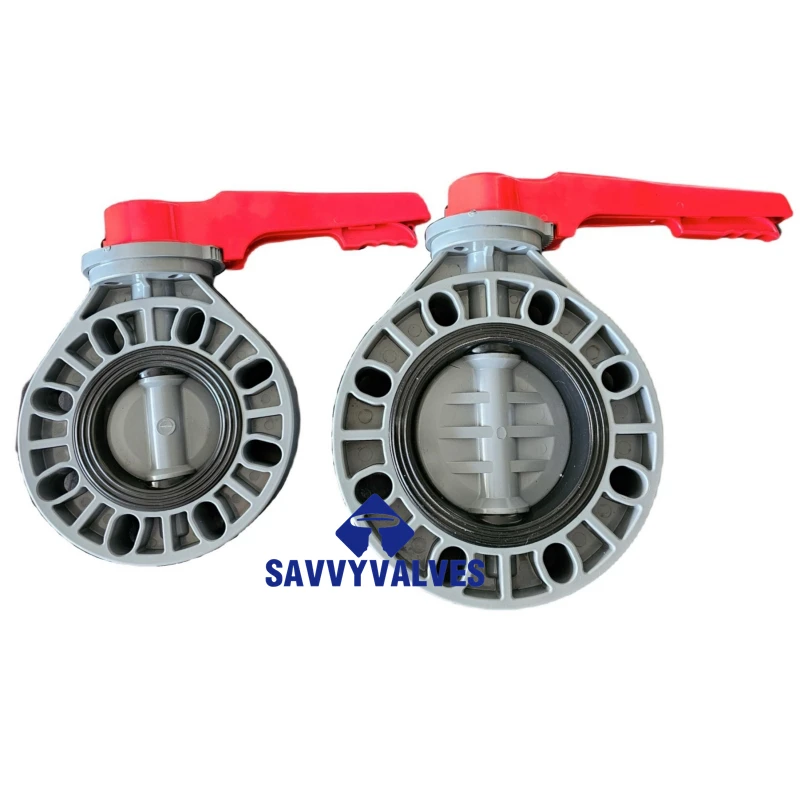
Typically crafted from stainless steel, ductile iron, or even composite materials, the DN300 valves are designed for tough environments. The disc should resist corrosion from chemicals or salty water, and the seals must hold tight to prevent leaks. Many manufacturers also offer rubber-lined or PTFE (polytetrafluoroethylene) coated versions, improving lifespan in harsh conditions.2. Scalability and Ease of Installation
One reason butterfly valves are so prevalent is their compact design compared to gate or ball valves. They’re lighter, which makes DN300 easier to handle during installation or repairs. Plus, the wafer or lug types allow mounting between flanges or directly onto pipeline bolts, making them flexible for piping configurations.3. Cost Efficiency
Compared to other valves with similar flow capacities, the DN300 butterfly valve tends to be more affordable. The simple mechanical design reduces manufacturing complexity. Also, maintenance costs drop since fewer moving parts mean fewer failures over time.4. Reliable Performance Under Pressure
In many systems, these valves operate under significant pressures — sometimes up to 16 bar (~230 psi). Modern seals and bearing technologies ensure smooth rotation and minimal wear under constant cycling, an important factor in industries that automate flow control.Mini Takeaway:
The butterfly valve DN300 balances strength, simplicity, and cost in a way that industry folks genuinely appreciate. It’s like that dependable colleague who quietly gets the tough jobs done, no fuss.Global Applications & Use Cases: Real-World Examples
Butterfly valve DN300 finds applications all over the world, especially where mediums like water, steam, or gas need precise flow regulation.- Municipal Water Treatment: Cities in Germany and Japan use DN300 valves in conventional water plants, where durability and leak resistance are non-negotiable.
- Oil & Gas Pipelines: North Sea operators install heavy-duty butterfly valves to isolate pipeline sections quickly in emergency shutdowns.
- Renewable Energy: Solar thermal plants in Spain often deploy butterfly valves to manage hot fluid flows.
- Disaster Relief: In regions recovering from floods, portable water distribution systems utilize DN300 valves for their rapid deployment and ease of maintenance.
Advantages & Long-Term Value of Butterfly Valve DN300
The tangible benefits are pretty straightforward: lower leakage rates, reduced downtime, and energy savings. Plus, the emotional side: these valves inspire trust among engineers because of their proven track record. Think about it — a valve failure can disrupt an entire water supply network or industrial process. Having a robust butterfly valve DN300 at key points preserves safety and dignity for users depending on continuous, clean water or precise chemical flows. Sustainability-wise, their efficient operation reduces energy wasted on over-pumping, aligning with many companies' carbon footprint reduction goals.Product Specifications: Butterfly Valve DN300 at a Glance
| Parameter | Specification |
|---|---|
| Nominal Diameter | 300 mm (DN300) |
| Operating Pressure | Up to 16 bar (230 psi) |
| Body Material | Ductile Iron / Stainless Steel |
| Seal Options | NBR, EPDM, PTFE |
| End Connection | Wafer / Lug / Flanged |
| Temperature Range | -20°C to 180°C |
Choosing Your Supplier: A Comparison of Leading Butterfly Valve DN300 Vendors
| Vendor | Material Quality | Price Range (USD) | Delivery Time | After-Sales Support |
|---|---|---|---|---|
| ValveTech Co. | Stainless Steel 316 | $350-$450 | 2-4 weeks | 24/7 Tech Support |
| FlowMasters Ltd. | Ductile Iron Coated | $280-$350 | 3-6 weeks | Limited Business Hours |
| Industrial Valves Inc. | Composite with PTFE Seal | $400-$500 | 1-3 weeks | Dedicated Field Engineers |
Future Trends and Innovations
You might be curious—where is butterfly valve DN300 headed? Increasingly, manufacturers are weaving in smart technology for real-time monitoring. Imagine valves embedded with sensors that track temperature, pressure, and wear — all plugged into a digital twin model of the pipeline. This move toward digital transformation means predictive maintenance instead of reactive fixes. Materials science also plays a big role. New composite coatings that resist more chemicals and reduce friction are emerging. In the green energy sector, butterfly valves designed for hydrogen pipelines are in early testing, thanks to stricter global sustainability standards.Challenges and How Industry Meets Them
No solution is perfect, right? Butterfly valves sometimes face issues with seal longevity or partial flow regulation precision, especially under turbulent conditions. Some experts say upgrading seal materials and using actuator controls can mitigate these problems. There's also growing interest in mixing butterfly valves with other valve types in hybrid systems, balancing cost and performance. Regular maintenance programs, facilitated by remote sensing, are a key part of the solution.FAQ: Your Top Questions About Butterfly Valve DN300
Q1: What is the typical lifespan of a butterfly valve DN300 in industrial use?A: With proper maintenance and depending on the operating environment, these valves can last 10–15 years or more. Corrosive fluids or extreme temperatures may shorten this span, so material and seal selection is crucial. Q2: Can a butterfly valve DN300 handle slurry or solids-laden flows?
A: Generally, butterfly valves work best with clean fluids, but some models with special coatings and robust seals can handle slurry to an extent. For heavy solids, other valve types may be better suited. Q3: How easy is it to retrofit a DN300 butterfly valve into an existing pipeline?
A: Quite straightforward. The wafer/lug designs allow mounting between flanges with minimal modifications. However, verifying pipe compatibility and pressure requirements is essential before purchase. Q4: Are butterfly valves DN300 suitable for automated process control?
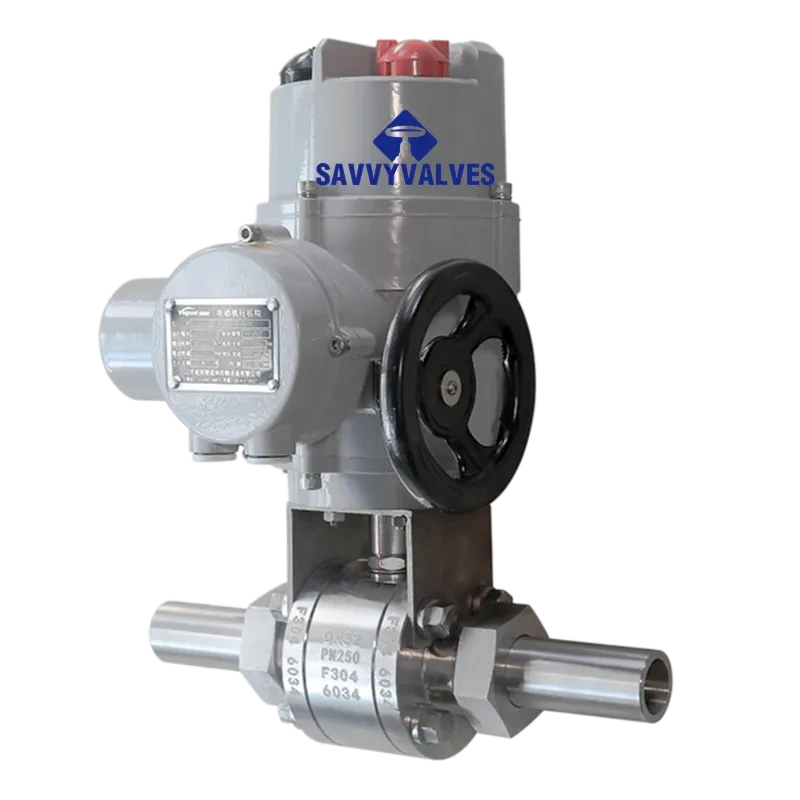
A: Yes, many come with actuators for electric or pneumatic control, enabling integration into automated systems for precise, remote valve operation.




 English
  Arabic
  Azerbaijani
  Czech
Czech  Dutch
Dutch  French
  German
  Indonesian
  Italian
  Japanese
  Korean
  Malay
Malay  Persian
  Polish
  Portuguese
  Russian
  Spanish
  Thai
Thai  Vietnamese