
Understanding the Butterfly Valve DN 50: A Small Component with Global Impact
Whenever we talk about piping systems or fluid control globally, few components get as much love—or scrutiny—as the butterfly valve. Now, zeroing in on the butterfly valve dn 50 might sound hyper-specific, but it’s this particular valve size and variant that quietly holds a huge role across industries worldwide. From water treatment plants in Europe to chemical factories in Asia, and even humanitarian relief water distribution in Africa, this seemingly simple valve often makes or breaks the smooth functioning of vital fluid flow systems.
So why does understanding the butterfly valve dn 50 matter? For starters, it’s about efficiency and reliability in a world where resource management is critical. And frankly, it reflects industrial progress: smarter valves mean reduced downtime, safer operations, and better environmental compliance. Knowing what makes a reliable butterfly valve dn 50 is the first step for engineers, technicians, and procurement professionals to get that right.
The Butterfly Valve DN 50 in the Global Industry Context
Before diving into technicalities, consider this: globally, valves control billions of liters of liquids and gases every day. According to ISO standards and analyses from the International Valve Institute, the demand for valves in water management alone is forecasted to grow over 5% annually through 2030. The butterfly valve dn 50 makes up a sizable chunk of this.
Why? Because the DN 50 sizing (that is, a nominal diameter of 50 millimeters) fits perfectly in the niche between smaller residential setups and large-scale industrial lines. Many systems struggle with intermittent blockages or valve failures that create havoc downstream—leading to costly repairs or safety concerns. The butterfly valve dn 50 helps reduce those risks by balancing flow control with durability, often at a price point that industries appreciate.
Mini takeaway:
- The butterfly valve dn 50 is crucial for mid-sized fluid control. Its market relevance is growing in tandem with water and energy infrastructure investments worldwide.
- Challenges of valve failure in critical industries mean better design and specs for these valves are constantly sought.
What Exactly is a Butterfly Valve DN 50?
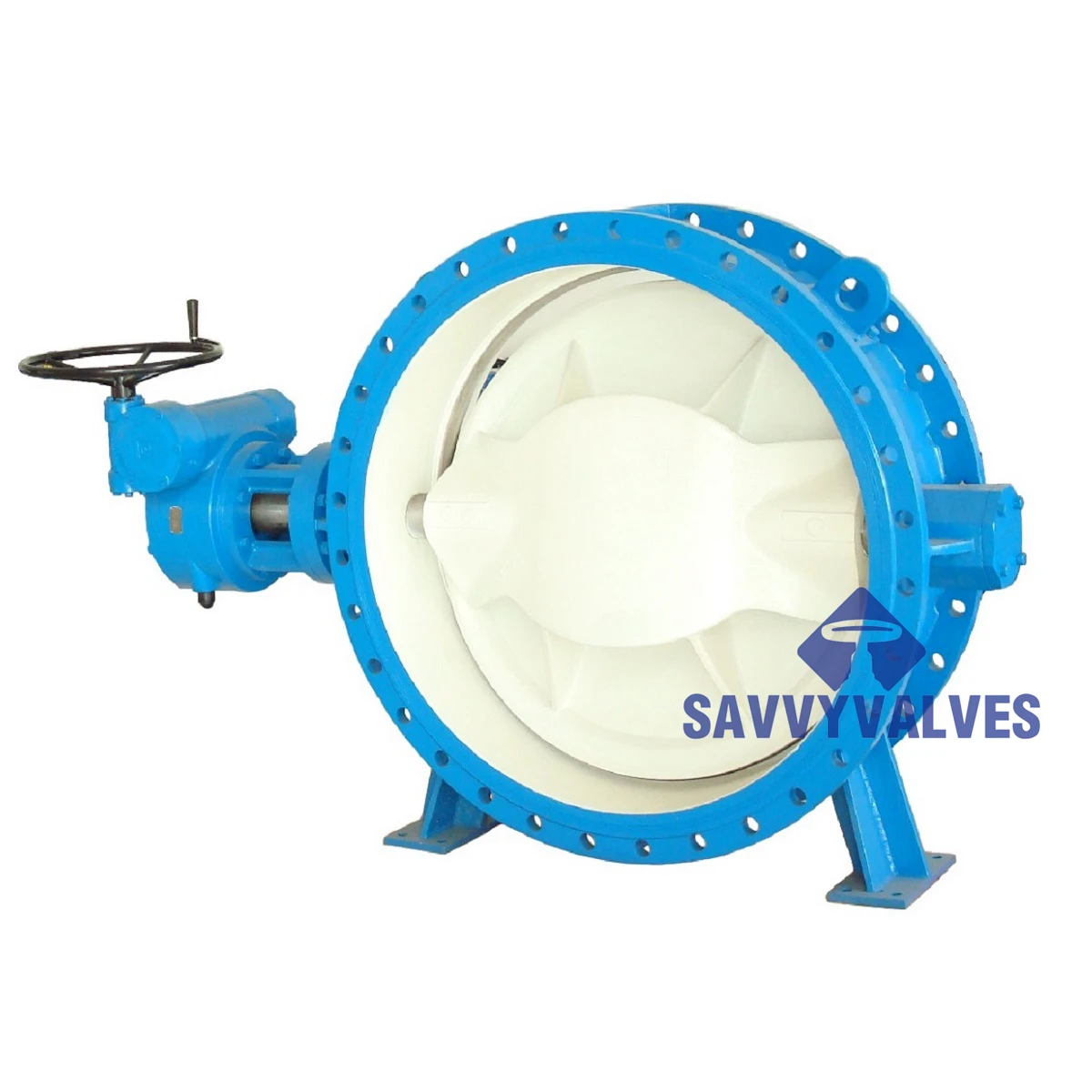
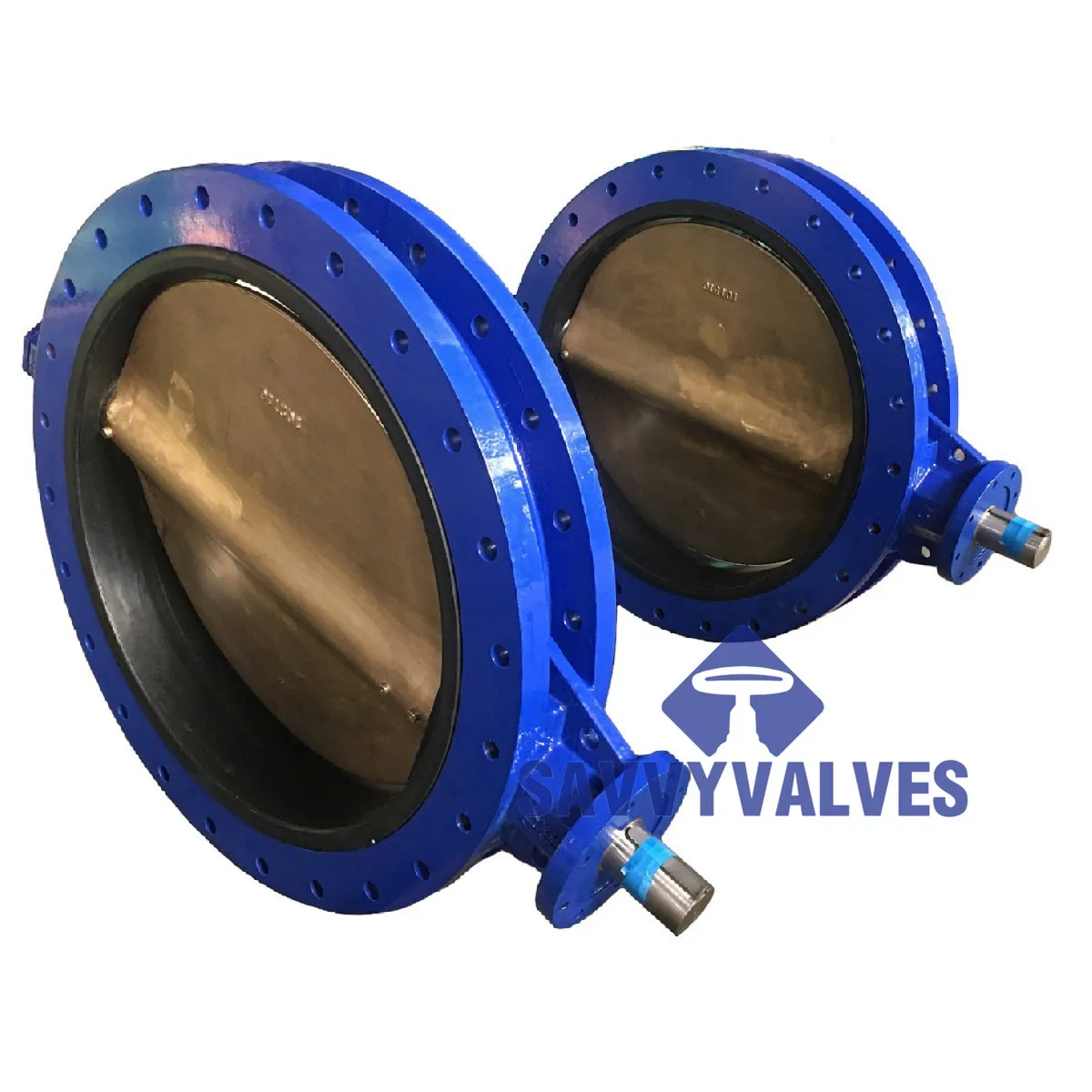
In simple terms, a butterfly valve is a valve that rotates around a central disc to control fluid flow. The "DN 50" just specifies the valve's diameter: 50 millimeters. Imagine it as a circular door inside a pipe—turn it a little, and fluid flow reduces; fully open, and your flow is mostly unobstructed.
It’s connected deeply to today’s industries—whether that’s controlling water in treatment plants or handling steam in power plants. Even NGOs use versions to manage water distribution in disaster zones, emphasizing its humanitarian importance. The butterfly valve dn 50 bridges the gap between performance, size, and affordability.
Mini takeaway:
- The butterfly valve works by an efficient turning disc mechanism inside a DN 50 pipe.
- It’s versatile: from factories to emergency relief, it’s all about fluid control at the right scale.
Key Factors That Define a Quality Butterfly Valve DN 50
1. Durability & Material Composition
A robust valve lasts years without leaks or corrosion. Common materials include stainless steel and cast iron bodies with EPDM or PTFE seals. Many engineers swear by high-quality metal alloys for aggressive chemical handling just as much as for water treatment.
2. Flow Control Precision
The disc design must ensure smooth and leak-tight closure. Butterfly valves are prized for rapid quarter-turn operation, but the DN 50 size demands a balance—too much friction, and it stresses actuators; too little, and flow control suffers.
3. Compatibility & Installation Ease
Flanged or wafer mounting? Butterfly valves dn 50 often come in multiple options to fit existing systems. Choosing a valve that fits standard global norms (ISO 7005 flange dimensions, for example) can save headaches during maintenance.
4. Cost Efficiency
Not all butterfly valves are made equal. Prices vary based on material, certification, and testing. Yet, the dn 50 range often offers the best bang for buck when balancing initial cost with lifespan.
5. Pressure & Temperature Ratings
Check valve specs for max pressure and temperature to match your system needs. For DN 50, typical ratings range between 10 to 16 bar pressure and temperatures up to 120°C in many industrial versions.
Mini takeaway:
- Durability, precision, and compatibility tip the scales for butterfly valve DN 50 performance.
- Investing in proper specs upfront avoids costly downtime later on.
Butterfly Valve DN 50 Specification Table
| Specification | Description |
|---|---|
| Nominal Diameter | 50 mm (DN 50) |
| Materials | Stainless steel 316L, Cast iron, EPDM/PTFE seals |
| Pressure Rating | PN10 to PN16 (10-16 bar) |
| Temperature Range | -20°C to 120°C |
| Operation | Manual, Electric, Pneumatic actuator options |
| Certification | ISO 9001, CE, API 609 (optional) |
Global Applications & Real-World Use Cases
The butterfly valve dn 50 pops up everywhere—but a few spots stand out:
- Water Treatment Facilities: Plants in Europe and North America often use these valves to manage potable water flow with high reliability and minimal maintenance.
- Chemical & Petrochemical Industry: In Asia, many refineries rely on DN 50 butterfly valves with resistant seals to control corrosive substances safely.
- Humanitarian Efforts: NGOs working in post-disaster water supply setups in Sub-Saharan Africa employ these valves to control and ration clean water efficiently.
- Food & Beverage: Hygiene and ease of cleaning matter here, and the compact butterfly valve dn 50 fits perfectly in these sterile pipelines.
- HVAC & Power Plants: For steam and chilled water lines, DN 50 valves provide precise thermal flow control without too much bulk.
In remote industrial zones, standard valves can fail due to poor maintenance possibilities. The butterfly valve DN 50, with robust design, acts as a reliable workhorse, sort of like a trustworthy old pickup truck that just won't quit.
Mini takeaway:
- Diverse industries lean on the butterfly valve dn 50 to ensure efficiency and system uptime.
- The valve’s versatility allows it to fit special humanitarian and industrial challenges alike.
Advantages and Long-Term Value of the Butterfly Valve DN 50
Besides just “doing its job,” the butterfly valve dn 50 offers tangible benefits that combine technical and emotional appeals:
- Cost Efficiency: Compared to gate or globe valves, butterfly valves are lighter, cheaper, and easier to maintain.
- Sustainability: Design improvements and materials reduce leakage and operational energy — contributing to green infrastructure.
- Reliability & Safety: Rapid quarter-turn closures limit fluid hammer and protect system integrity.
- Innovation & Trust: Cutting-edge coatings and seal technology give operators confidence even in demanding environments.
Frankly, for operators, knowing a part won’t fail unexpectedly is huge. Safety is more than a word—it’s built into the valve’s design, reassuring everyone downstream.
Vendor Comparison: Top Butterfly Valve DN 50 Providers
| Feature | ValveCo | FlowTec | AquaValve |
|---|---|---|---|
| Material Options | Stainless steel, ductile iron | Cast iron, bronze | Stainless steel only |
| Pressure Range | PN16 | PN10 | PN16 |
| Certifications | ISO 9001, CE | API 609 (optional) | ISO 9001, CE |
| Price Range | $$ | $ | $$$ |
| Lead Time | 2-3 weeks | 1-2 weeks | 4-5 weeks |
Future Trends & Innovations in Butterfly Valve DN 50 Technology
Looking ahead, butterfly valves dn 50 don’t stay still. There’s a whole movement toward smarter valves that integrate sensors for real-time monitoring. Imagine a valve that “tells” you if it’s starting to leak or needs maintenance—less guessing, more proactive care.
Material science is making strides too. New polymer and composite seals promise longer life and better chemical resistance. Plus, increasing emphasis on sustainability means valves are being designed for lower embodied carbon footprints.
Automation is another big deal. Electric actuators with digital control systems allow butterfly valve DN 50 to be part of Industry 4.0 smart plants, balancing flow dynamically based on sensor data. Combining these with IoT integration is quite the game-changer.
Common Challenges and How to Address Them
Butterfly valves dn 50 aren’t perfect. Leakage over time from worn seals, difficulty in handling extremely abrasive fluids, or incompatibility with non-standard flanges can be frustrating. But innovative coatings and customizable designs help overcome these.
Many engineers are turning to modular designs that allow for quick seal replacements without removing the whole valve. Additionally, better installation training and using butterfly valve dn 50 products that comply fully with ISO standards also bring down failure rates significantly.
Frequently Asked Questions About Butterfly Valve DN 50
Q1: How do I know if butterfly valve DN 50 fits my system requirements?
A: Check your pipeline diameter, pressure, and temperature specs. DN 50 refers to 50 mm nominal pipe size, but verifying pressure rating (usually PN10 or PN16) and chemical compatibility ensures proper fit and longevity.
Q2: Can butterfly valve DN 50 be automated?
A: Absolutely. Most models support electric or pneumatic actuators, making them suitable for automated flow control in advanced processing plants.
Q3: What maintenance does a butterfly valve DN 50 require?
A: Regular inspection of seals and disc wear is key. For harsh environments, periodic lubrication and seal replacement every few years keep performance optimal.
Q4: Are butterfly valves DN 50 suitable for potable water?
A: Yes, especially those with FDA-approved seals like EPDM. Many water treatment systems use them safely and reliably.
Q5: Where can I purchase certified butterfly valves DN 50?
A: Trusted industrial vendors and online platforms specializing in industrial valves, like SavvyValveTech, offer certified options meeting global standards.
Final Thoughts
When you peel back the layers of what seems like a little mechanical component, the butterfly valve dn 50 emerges as more than just a pipe fitting. It’s a nexus of engineering, economics, and even social value. With ongoing advances and growing global demands, understanding and choosing the right butterfly valve DN 50 can truly make the difference between smooth operation and costly disruptions.
If you’re interested in exploring high-quality butterfly valve dn 50 options or need expert advice, why not visit our site? There’s plenty more to learn—and the right valve might be just a click away.


 English
  Arabic
  Azerbaijani
  Czech
Czech  Dutch
Dutch  French
  German
  Indonesian
  Italian
  Japanese
  Korean
  Malay
Malay  Persian
  Polish
  Portuguese
  Russian
  Spanish
  Thai
Thai  Vietnamese