
Butterfly Gear Valve is a key solution in the industry, specifically within fluid control and process management sectors. This article explores how Savvy Valve Tech supports professionals with durable, high-performance products, and explains why this product is an ideal choice for businesses in these sectors.
Table of Contents
- Butterfly Gear Valve Overview
- Benefits & Use Cases of Butterfly Gear Valve
- Cost, Maintenance & User Experience
- Sustainability & Market Trends
Butterfly Gear Valve Overview
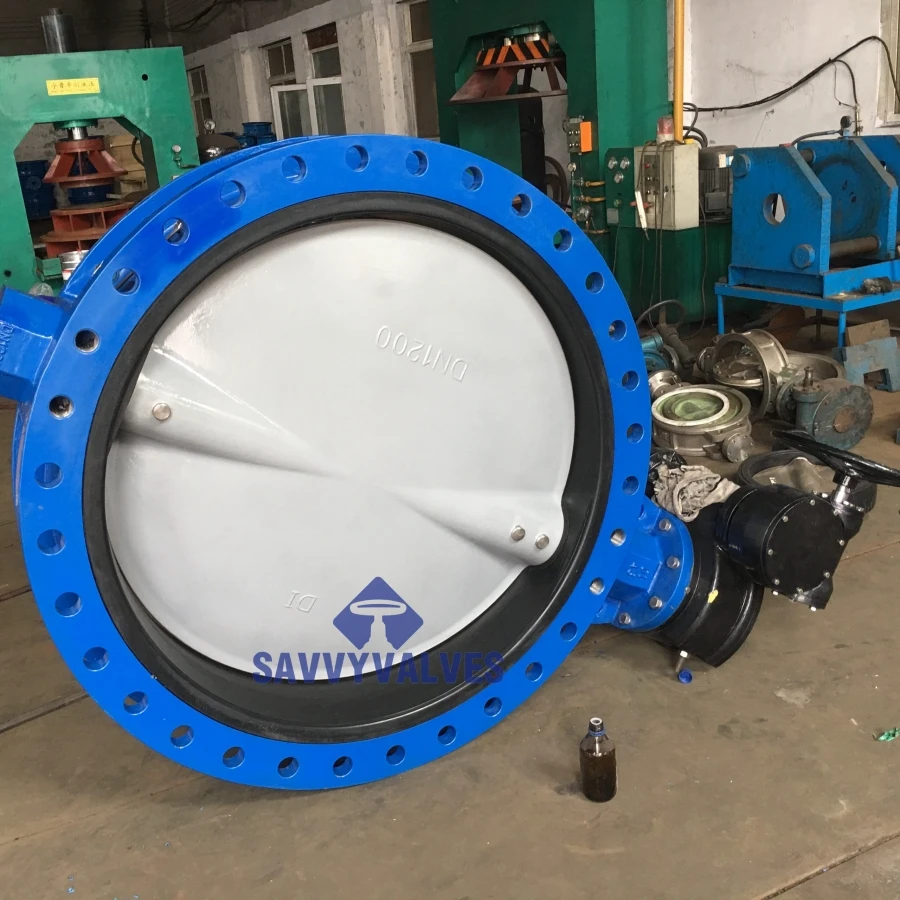
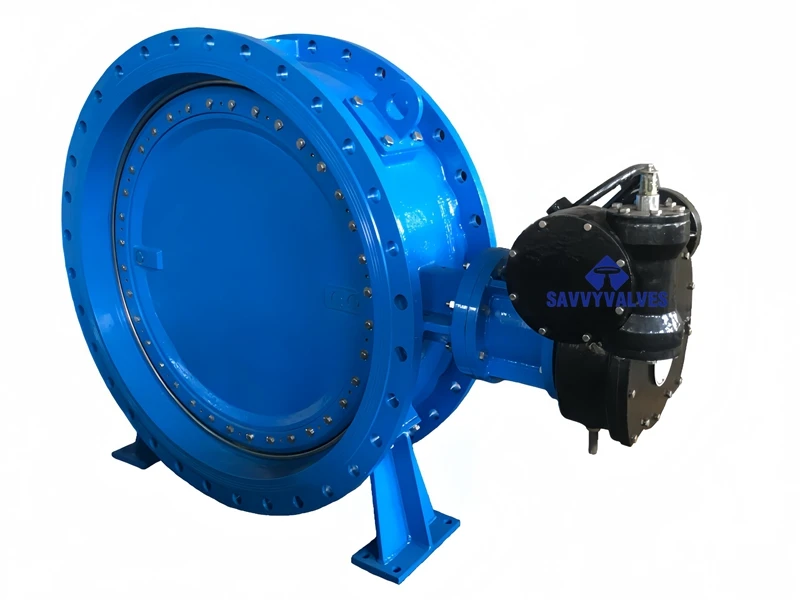
In simple terms, a Butterfly Gear Valve is a type of quarter-turn valve used to regulate flow in pipes. Unlike traditional valves, it features a disc that rotates within the flow path, which can be opened or closed by a gear mechanism linked to an actuator or manual handle. The gearing aspect means fine control is possible—helpful in high-pressure or corrosive environments where precision counts. Oddly enough, despite this mechanical intricacy, butterfly gear valves remain quite compact and light, which makes them especially appealing in process control where space and weight matter.
- Typically constructed with stainless steel or ductile iron bodies and corrosion-resistant discs.
- Savvy Valve Tech’s Butterfly Gear Valves offer standard diameters from 2” up to 48”, pressure ratings up to 16 bar, and temperature tolerances from -20°C to 200°C.
- Some units include custom sealing options suitable for aggressive chemical processes.
| Parameter | Details |
|---|---|
| Sizes | 2" – 48" (50mm – 1200mm) |
| Material | Stainless Steel 316 / Ductile Iron |
| Pressure Rating | Up to 16 bar (232 psi) |
| Temperature Range | -20°C to 200°C |
| Seal Options | PTFE, EPDM, Viton |
Benefits & Use Cases of Butterfly Gear Valve
So, why do so many engineers swear by the Butterfly Gear Valve? One of the main reasons is its efficient control combined with a simple mechanical design that doesn’t demand much space. The gear mechanism allows smoother, safer operation especially on larger valves where manual force alone wouldn't cut it. Frankly, it’s a real lifesaver in industries like water treatment, chemical processing, HVAC systems, and even food & beverage manufacturing.
- Can be actuated manually or automated via electric/pneumatic actuators.
- Offers quick shut-off capabilities and fine position control ideal for process modulation.
- Competitive advantage: lower lifecycle costs compared to ball or gate valves in corrosive or abrasive media.
Cost, Maintenance & User Experience
On the bottom line, many B2B buyers look for total cost of ownership rather than upfront price. Butterfly gear valves hold up well here: they’re easier to maintain due to fewer moving parts, require less frequent service, and parts like seals are straightforward to replace. Users report smooth operation even after years under tough conditions, which speaks volumes. One anecdote from a large wastewater plant manager said switching to this valve type cut their maintenance downtime by nearly 30%.
| Feature | Savvy Valve Tech | Competitor A | Competitor B |
|---|---|---|---|
| Material Quality | 316 Stainless Steel / Ductile Iron | 304 Stainless Steel | Carbon Steel |
| Pressure Rating | Up to 16 bar | Up to 10 bar | Up to 12 bar |
| Custom Seal Options | PTFE, EPDM, Viton | Limited (mostly EPDM) | None |
| Lead Time | 4-6 Weeks | 6-8 Weeks | 8-12 Weeks |
| Warranty | 24 months | 12 months | 12 months |
Sustainability & Market Trends
Sustainability is increasingly on the minds of decision makers and Butterfly Gear Valves fit into that narrative in several ways. For one, their design requires less material than heavier valves, which reduces resource consumption. Plus, their durability means fewer replacements—a nice win for reducing industrial waste. On a regulatory front, modern valves from established manufacturers like Savvy Valve Tech often come certified for use in environmentally sensitive sectors such as drinking water or wastewater treatment plants. This aligns well with global trends favoring smarter, leaner fluid control.
Frequently Asked Questions about Butterfly Gear Valve
- What is Butterfly Gear Valve and how does it work?
- Essentially, a Butterfly Gear Valve uses a rotating disc operated via gears to regulate fluid flow. When the valve opens, the disc turns on its axis allowing fluid passage; when closed, it seals tightly to stop flow. The gear mechanism helps control rotation precisely, which is especially useful for larger valves.
- What are the main benefits of using Butterfly Gear Valve in industrial applications?
- Benefits include compact size, relatively low weight, excellent flow control, and long service life. They tend to cost less over time due to minimal maintenance needs, and offer reliable sealing options even under challenging conditions.
- How does Butterfly Gear Valve compare to traditional alternatives?
- When compared to gate or ball valves, Butterfly Gear Valves generally provide faster operation and better space efficiency. Their gearing system allows for controlled operation, which can extend valve life and reduce wear – practical advantages that many process engineers value highly.
- What industries can benefit most from Butterfly Gear Valve implementation?
- Industries like water and wastewater treatment, chemical manufacturing, HVAC, food & beverage, and power generation often benefit most. Each sector values the valve’s balance of precision, durability, and ease of operation.
Conclusion on Butterfly Gear Valve from china
In conclusion, the Butterfly Gear Valve stands out as a smart investment for industries seeking dependable, cost-effective flow control. The range of features offered by manufacturers like Savvy Valve Tech means decision makers can find tailored solutions without breaking their budget. It really feels like the perfect blend of engineering efficiency and practical reliability.
- Recap the value of Butterfly Gear Valve for precision and durability.
- Visit our website: https://www.savvyvalvetech.com
Reflecting on this, it’s clear how such a specialized valve quietly supports so many industries’ critical processes. A little piece of engineering that keeps things flowing smoothly.


 English
  Arabic
  Azerbaijani
  Czech
Czech  Dutch
Dutch  French
  German
  Indonesian
  Italian
  Japanese
  Korean
  Malay
Malay  Persian
  Polish
  Portuguese
  Russian
  Spanish
  Thai
Thai  Vietnamese