
Why a vulcanized butterfly valve remains a top choice in industrial flow control
Having spent well over a decade walking factory floors and field sites, I've seen my fair share of valves. But something about the vulcanized butterfly valve always stood out. It’s a mix of rugged simplicity and clever engineering that just works, you know? Frankly, they’re everywhere—from water treatment plants to chemical processing—and for good reasons.
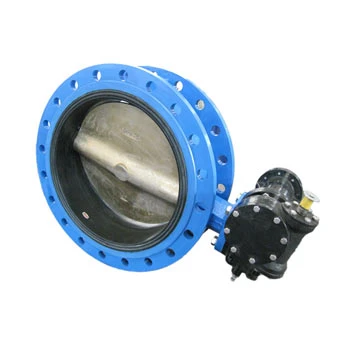
At its core, the vulcanized butterfly valve combines a metal disc that rotates inside the pipe with a resilient sealing material vulcanized directly onto the valve body. This vulcanization process fuses the rubber liner firmly with the metal, meaning less chance of the liner slipping or degrading prematurely under pressure. If you ask me, that’s a pretty neat solution for harsh environments.
Oddly enough, many engineers I know prefer vulcanized liners over those with removable sleeves. The permanent bond improves durability, and you avoid the hassle of ongoing replacement expenses. Plus, it can make maintenance quicker since you aren’t fighting loosened or missing components. I once worked with a wastewater client who praised the valve’s resistance to abrasive slurry flow — quite a relief when downtime costs a fortune.
Key specifications of a typical vulcanized butterfly valve
| Feature | Description |
|---|---|
| Valve Body Material | Ductile iron or stainless steel |
| Disc Material | Stainless steel or coated carbon steel |
| Seat Liner | Vulcanized EPDM, NBR, or PTFE |
| Pressure Rating | Up to 16 bar (232 psi) |
| Temperature Range | -20°C to 120°C (varies by liner type) |
| Applicable Standards | API 609, ISO 5752 |
Customization is a big deal in our world, and vulcanized butterfly valves are no exception. You can tailor liner compounds to resist chemicals like acids or oils, tweak pressure ratings, or even specify different actuation types from manual gear operators to pneumatic or electric actuators. Each tweak adds complexity but ultimately helps squeeze maximum lifespan from the valve in its intended application.
Comparing Vulcanized Butterfly Valve Vendors
| Vendor | Liner Options | Pressure Range | Customization | Lead Time |
|---|---|---|---|---|
| Savvy Valve Tech | EPDM, NBR, PTFE vulcanized | Up to 16 bar | High – tailored compounds & coatings | 4–6 weeks |
| Global Valve Corp | EPDM, natural rubber | Up to 14 bar | Medium – standard options only | 6–8 weeks |
| Industrial Valve Solutions | NBR, PTFE vulcanized | Up to 18 bar | High – custom actuation systems available | 5–7 weeks |
One memorable job was for a manufacturer struggling with chemical corrosion in their pipelines. Switching to vulcanized butterfly valves with a chemically resistant PTFE lined disc help solved their frequent leaks and downtime. I suppose that’s the ultimate benefit: real world reliability under tough conditions.
Also, I noticed that despite rising interest in exotic valve designs, the vulcanized butterfly valve holds its own because it ticks so many boxes—cost-effective, easy to install, lightweight, and good sealing. It’s the unsung hero of many industrial sites.
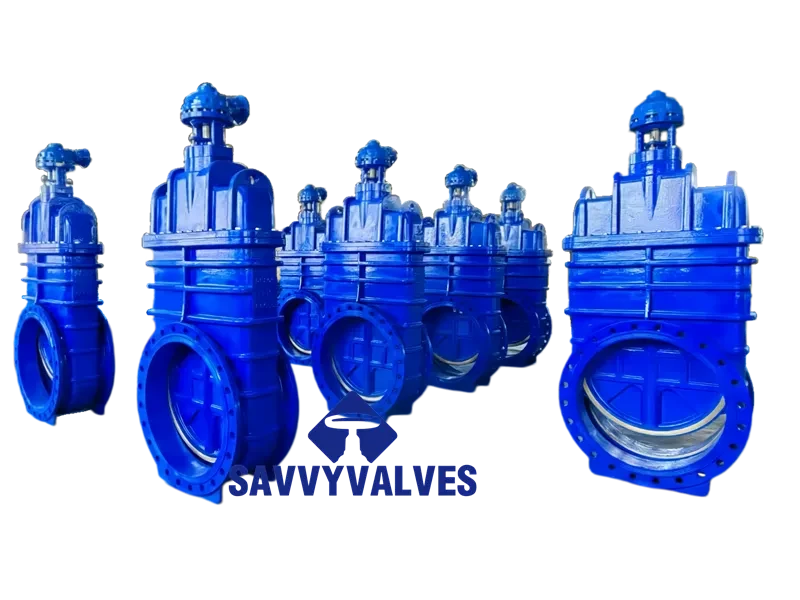
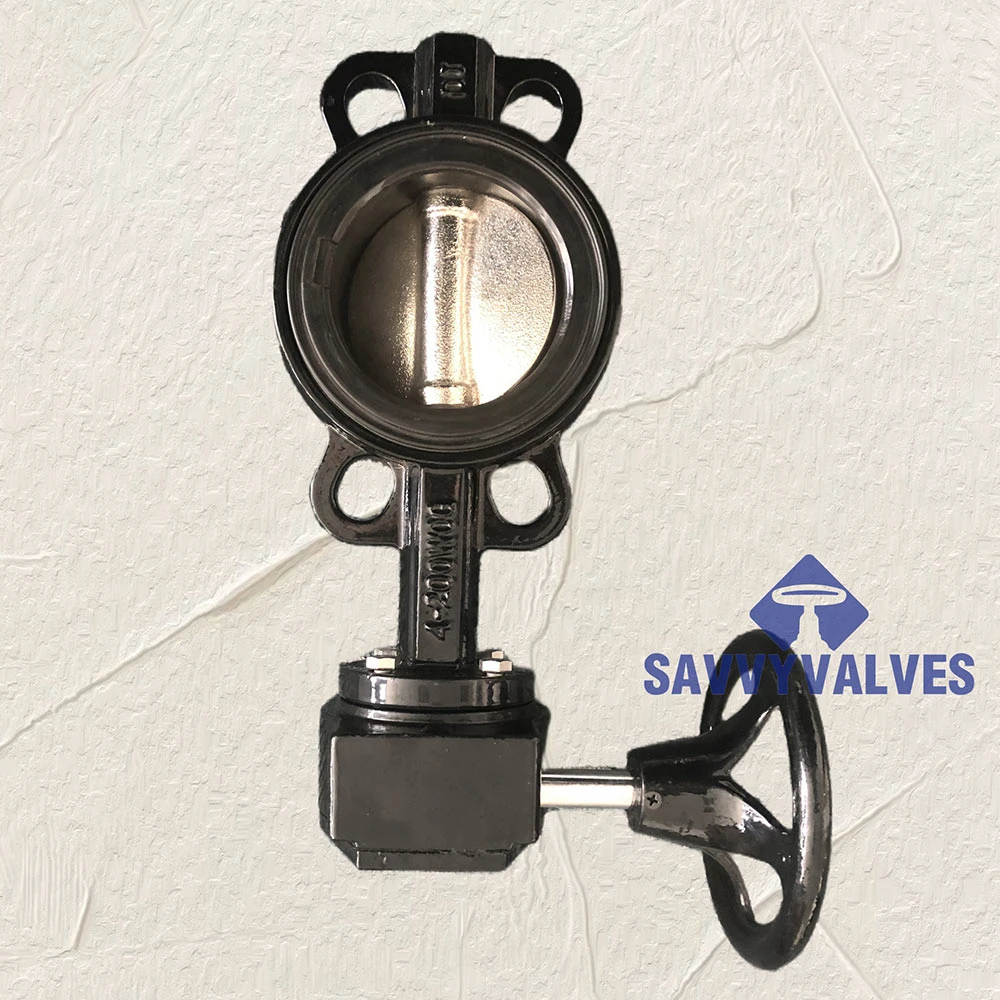
So if you find yourself specifying valves for corrosive or abrasive media, or just want something proven and sturdy, it makes sense to give the vulcanized butterfly valve a close look (like this one). You might find it’s exactly what your process needs.
In real terms, these valves blend engineering smarts with field-proven robustness in a way few others do… and that’s worth a second thought.
References
- API 609 – Butterfly Valves: Design and Specification Guidance
- ISO 5752 – Industrial valves – Face-to-face and center-to-face dimensions
- Case Study: Wastewater Treatment Plant Valve Upgrade, Industrial Valve Review Journal, 2022


 English
  Arabic
  Azerbaijani
  Czech
Czech  Dutch
Dutch  French
  German
  Indonesian
  Italian
  Japanese
  Korean
  Malay
Malay  Persian
  Polish
  Portuguese
  Russian
  Spanish
  Thai
Thai  Vietnamese