
Understanding the 6 Wafer Butterfly Valve: A Veteran’s Take
Working in the industrial equipment sector for over a decade, I’ve come across countless valve types — but the 6 wafer butterfly valve often stands out for its practicality and versatility. Whether you’re in water treatment, HVAC, or chemical processing, this valve type has a way of showing up and quietly doing its job. Oddly enough, it’s the simplicity of design paired with robust performance that keeps engineers coming back.
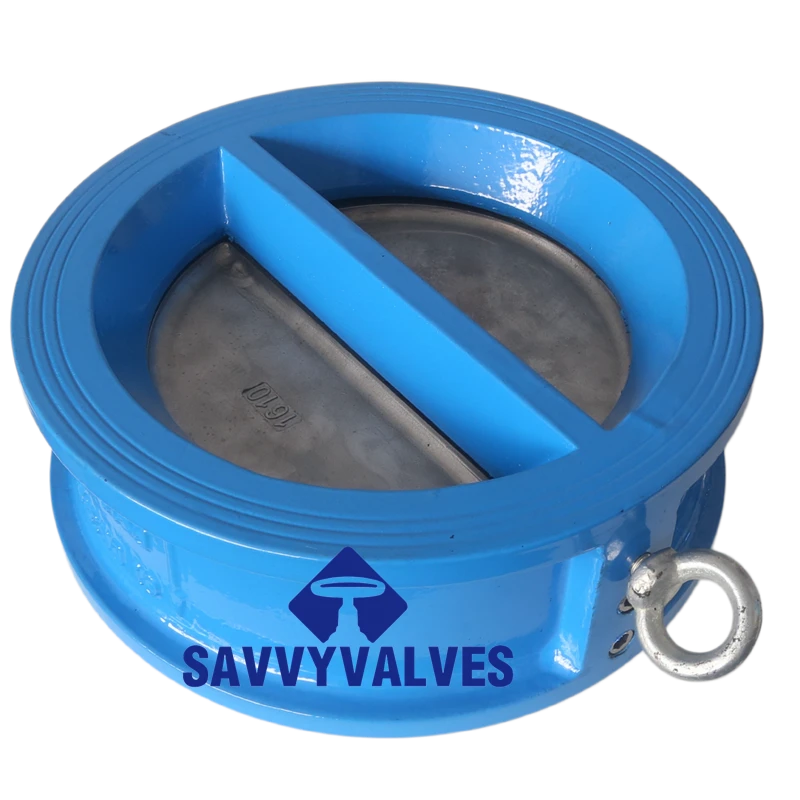
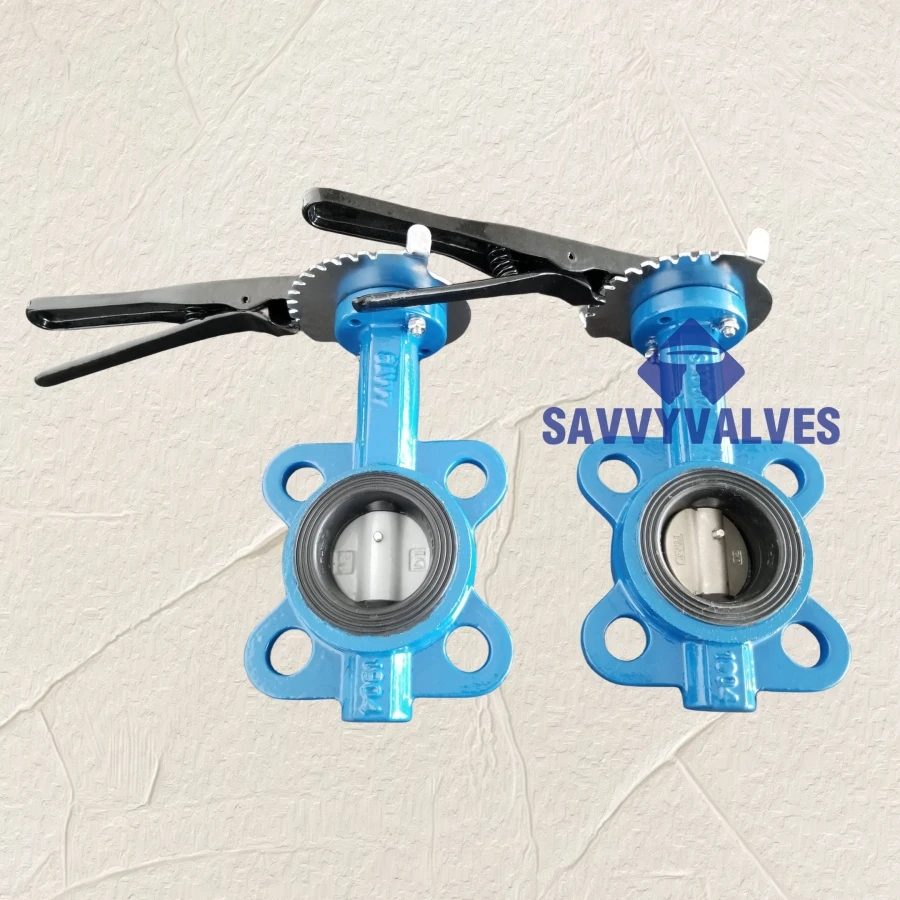
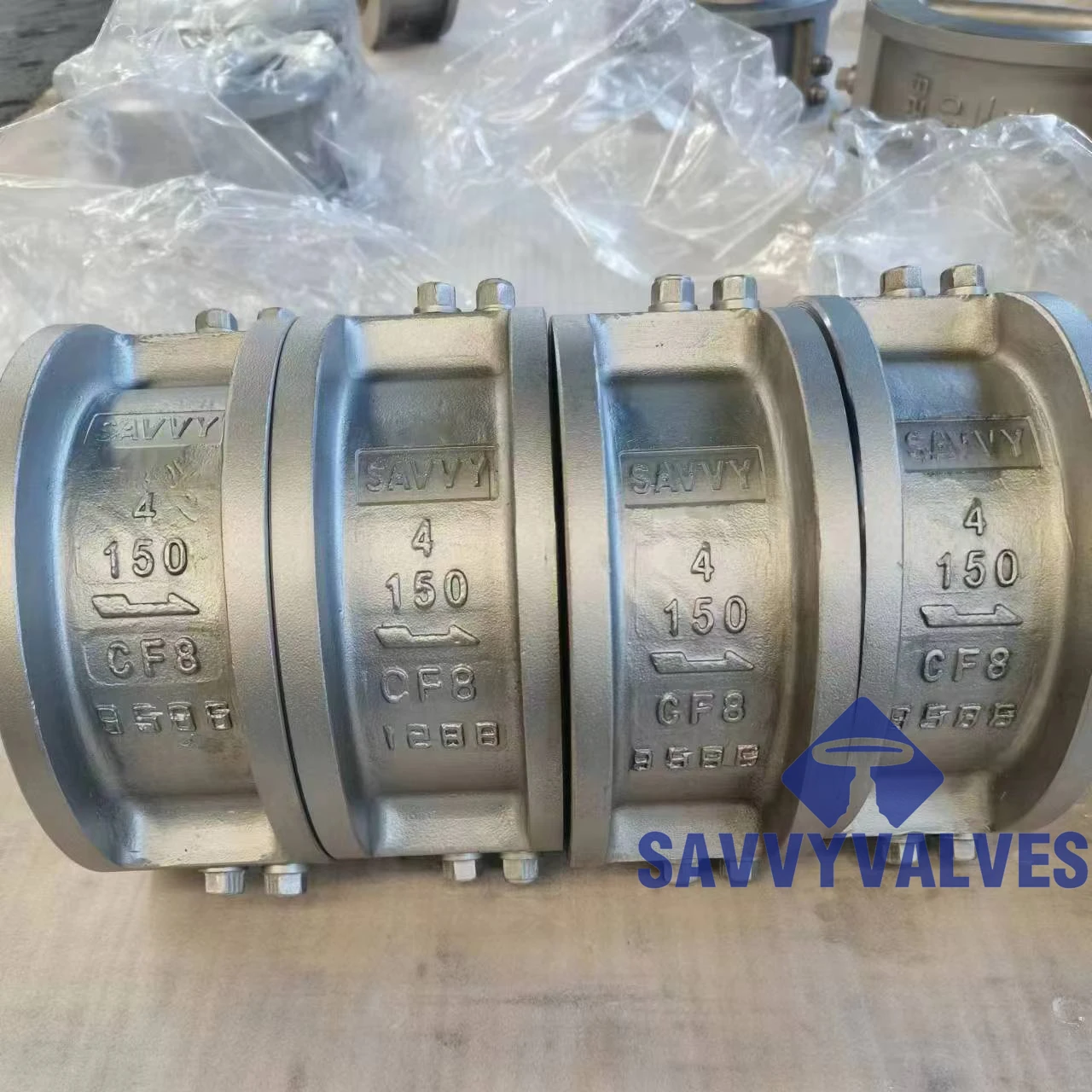
Let’s dive into what makes the 6 wafer butterfly valve such a dependable choice. First off, the “wafer” style means it’s designed to fit snugly between two pipe flanges, held in place by bolts — no need for extra brackets. This makes installation straightforward, and frankly, a bit less stressful when you’re dealing with tight spaces or fast turnaround times.
One thing I’ve noticed over the years is how materials really influence valve performance. Most high-quality 6 wafer butterfly valves are crafted from stainless steel or ductile iron, with resilient rubber or PTFE linings. These choices aren’t arbitrary — stainless steel offers excellent corrosion resistance, especially in aggressive chemical environments, while PTFE seats provide a near-leak-proof seal and can handle a broad temperature range.
Here’s a quick glance at some typical specs you might expect:
| Specification | Typical Value |
|---|---|
| Valve Size | 6 inches (150 mm) |
| Body Material | Ductile Iron or Stainless Steel |
| Seat Material | NBR, EPDM, or PTFE |
| Pressure Rating | PN10 to PN16 (up to 16 bar) |
| Actuation Options | Manual lever, Gearbox, Pneumatic/Electric |
| Temperature Range | -20°C to +150°C |
Customization is another big plus. Depending on your process requirements, you can specify linings that resist specific chemicals or coatings for enhanced durability. I remember a project a few years back where a client needed a 6-inch wafer butterfly valve for a mildly acidic wastewater pipeline. By switching to a PTFE seat and stainless steel body, the valve lasted far longer than their previous installations, saving them considerable downtime and money.
Now, when sourcing these valves, not all vendors are created equal. I've found it useful to compare based on material quality, certification, lead times, and after-sales support. Here's a quick rundown to keep in mind:
| Vendor | Material Options | Certifications | Lead Time | Support & Warranty |
|---|---|---|---|---|
| Savvy Valve Tech | Stainless Steel, Ductile Iron | ISO 9001, API | 2-4 weeks | 24-month warranty, 24/7 tech support |
| ValveWorks Co. | Ductile Iron only | ISO 9001 | 3-6 weeks | 12-month warranty, business hours support |
| PipeLine Experts | Stainless Steel, Carbon Steel | API, PED | 1-3 weeks | 18-month warranty, email support |
Something worth mentioning – the 6 wafer butterfly valve is favored for on/off and throttling applications. It doesn’t deliver the precision of a globe valve, but for many industrial processes that’s perfectly fine. Plus, its compact size saves space, and the quick quarter-turn operation can make fluid control feel almost effortless.
In real terms, if you’re jumping into a retrofit or new installation, it’s a practical choice that balances cost, ease of maintenance, and performance. Many engineers I've talked with admit these valves tend to “disappear” into the system — reliable, low fuss, and surprisingly resilient over the years.
So, if you’re sourcing a valve for moderate pressure and temperature environments, the 6 wafer butterfly valve is definitely worth a look. Just be sure to check the seat material against your fluid characteristics – that’s the detail that often makes all the difference between a valve that keeps working and one that gives trouble too soon.
If you’d like to explore specifications or vendors in more detail, I recommend starting your search at Savvy Valve Tech. Their product range and vendor support have impressed many in our field, including myself.
Takeaway? Sometimes, the best valve is the one that quietly works without headaches.
- Valves and Actuators Handbook, Flowserve Corp.
- Chemical Industry Best Practices, Valve World Publications
- Customer Case Study: Wastewater Plant Retrofit, Internal Reports


 English
  Arabic
  Azerbaijani
  Czech
Czech  Dutch
Dutch  French
  German
  Indonesian
  Italian
  Japanese
  Korean
  Malay
Malay  Persian
  Polish
  Portuguese
  Russian
  Spanish
  Thai
Thai  Vietnamese