
In the complex world of industrial process control, the precise regulation of fluid flow, pressure, and temperature is paramount for operational efficiency, safety, and product quality. High-performance control valves are critical components, and among them, the cage guided globe valve stands out for its exceptional control capabilities and robustness in demanding applications. This article delves into the technical intricacies, application advantages, and market trends surrounding this essential industrial valve.
Industry Trends Driving Demand for Advanced Control Valves
The industrial landscape is continuously evolving, marked by a strong push towards greater automation, energy efficiency, and predictive maintenance. This shift significantly impacts the demand for control valves like the cage guided globe valve. Industries such as petrochemicals, power generation, oil & gas, and water treatment are increasingly requiring valves that offer superior control accuracy, reduced cavitation, and extended service life to minimize downtime and operational costs.
Emerging trends include the proliferation of intelligent valve positioners, integration with advanced Distributed Control Systems (DCS) and SCADA systems, and the adoption of more sophisticated actuation technologies. There's a notable increase in demand for `electric actuated globe valve` solutions, offering precise digital control, remote operability, and enhanced energy efficiency compared to traditional pneumatic systems. This move towards electrification underscores the need for valves designed for stable, high-performance operation under electric actuation, making the balanced design of a cage guided valve particularly relevant.
Furthermore, environmental regulations are driving the adoption of valves with enhanced fugitive emission control, requiring robust sealing mechanisms and stringent testing protocols. Material science advancements also contribute, enabling valves to operate effectively in increasingly corrosive, erosive, or high-temperature/pressure environments, thereby extending their application versatility and service life.
Technical Specifications and Operating Principles
The cage guided globe valve distinguishes itself through its robust design and exceptional flow control characteristics. At its core, the valve features a movable plug that slides within a perforated cage, regulating flow by varying the area of the orifices exposed. This cage not only guides the plug with high precision, ensuring stable operation and minimizing vibration, but also plays a crucial role in managing fluid dynamics within the valve.
Key Structural Components:
- Body: Often cast or forged from materials like carbon steel (A216 WCB), stainless steel (A351 CF8M), or exotic alloys (Hastelloy, Monel) to withstand process fluid properties and operating conditions (e.g., ANSI Class 600 pressure rating).
- Bonnet: Secures the packing gland and provides access to the internal components.
- Cage: A cylindrical component with precisely machined holes that surround the valve plug. It guides the plug, provides flow passages, and helps distribute pressure, reducing noise and cavitation.
- Plug: The movable element that interacts with the cage and seat to control flow. Balanced plug designs are common for high differential pressures, enabling lower actuator thrust requirements.
- Seat Ring: A removable ring, typically threaded or bolted into the body, providing a sealing surface for the plug.
- Stem: Connects the plug to the actuator, transmitting motion.
- Packing System: Prevents fluid leakage along the stem, often using PTFE or graphite for high-temperature applications, meeting fugitive emission standards.
The balanced plug design, particularly effective in control valves like the `24″ 600lb Electric Hydraulic Balanced Caged Control Valve Type Globe`, mitigates the substantial differential pressures that would otherwise require extremely large and powerful actuators. By allowing process fluid pressure to act on both sides of the plug, the net force required to move the plug is significantly reduced, making them ideal for high-pressure drop applications and enabling the use of more compact and energy-efficient `electric globe valve` actuators.
Example Product Specification Table: 24″ 600lb Electric Hydraulic Balanced Caged Control Valve Type Globe
| Parameter | Specification |
|---|---|
| Valve Type | Globe, Cage Guided, Balanced Plug |
| Nominal Size (NPS) | 24 inches (DN600) |
| Pressure Class | ANSI Class 600 (PN100) |
| Body Material | WCB (Carbon Steel), CF8M (Stainless Steel) or specified alloy |
| Trim Material | Stainless Steel (e.g., 316SS) with Stellite overlay for seat/plug (Hard Facing) |
| Actuation Type | Electric Hydraulic Actuator (with local/remote control) |
| Flow Characteristic | Equal Percentage, Linear, or Quick Open (customizable cage design) |
| Leakage Class | ANSI/FCI 70-2 Class IV or Class V (optional Class VI) |
| End Connections | Flanged (RF, RTJ) per ASME B16.5, Butt Weld per ASME B16.25 |
| Operating Temperature | -29°C to 425°C (depending on material and packing) |
| CV Value (max) | Up to 10,000 (dependent on valve size and trim) |
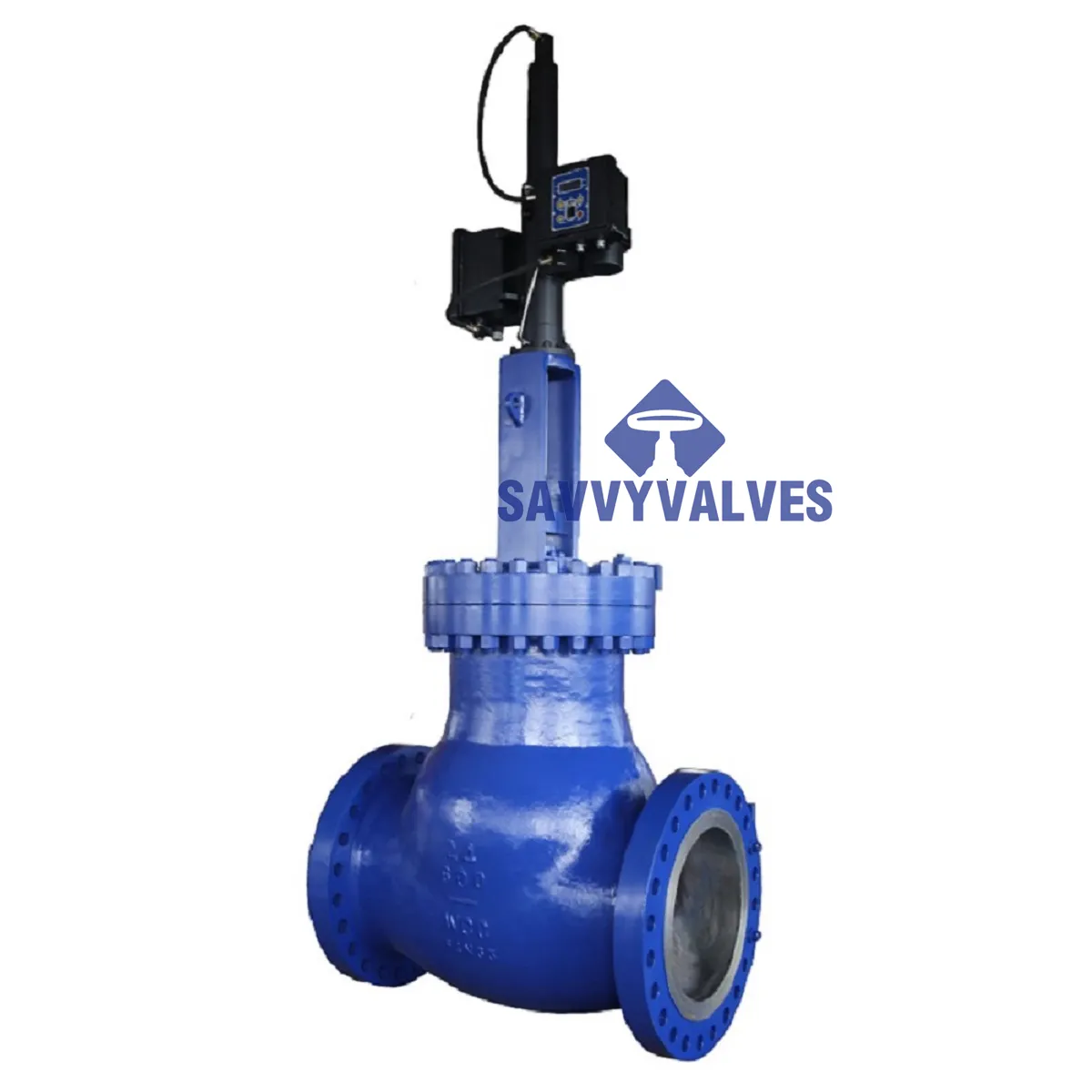
Figure 1: Internal components of a cage guided globe valve, illustrating the plug and cage assembly.
Manufacturing Process Flow of a Cage Guided Globe Valve
The production of a high-quality cage guided globe valve involves a rigorous, multi-stage manufacturing process, emphasizing precision engineering, material integrity, and strict adherence to international standards. This ensures the valve's reliability, longevity, and performance in critical industrial applications.
Process Steps:
-
1. Design and Engineering:
Detailed CAD/CAM design, flow simulation, and stress analysis are conducted to optimize valve performance, material selection, and structural integrity. Designs adhere to standards like ASME B16.34 for valve design and testing, and ensure compatibility with specific fluid dynamics requirements.
-
2. Material Sourcing and Preparation:
High-grade materials such as forged steel (e.g., ASTM A105, A182 F316) or cast steel (e.g., ASTM A216 WCB, A351 CF8M) are procured from certified suppliers. Forging offers superior grain structure and mechanical properties, while casting allows for more complex body shapes. Strict material traceability is maintained.
-
3. Rough Machining (Body, Bonnet, Cage):
Initial machining operations remove excess material from castings or forgings, bringing components closer to their final dimensions. This stage uses large CNC machines for efficiency and precision.
-
4. Precision CNC Machining (Trim Components):
Critical components like the plug, seat ring, and especially the cage (with its precise flow windows) undergo multi-axis CNC machining. This ensures tight tolerances (e.g., +/- 0.01mm) vital for exact flow control, minimal leakage (ANSI/FCI 70-2 Class IV or V), and guided stability. Surface finishes are meticulously controlled to reduce friction and wear.
-
5. Heat Treatment & Surface Hardening:
Components subjected to high wear or erosion (e.g., plug, seat, cage) may undergo heat treatment (hardening, tempering) or surface treatments like Stellite overlay (hard-facing) or nitriding to enhance their hardness, corrosion resistance, and extend service life.
-
6. Assembly:
Qualified technicians assemble the valve, including installing the seat, guiding the plug within the cage, assembling the stem, packing, and bonnet. Lubrication and torque specifications are strictly followed.
-
7. Testing and Quality Control:
Each valve undergoes rigorous testing, including:
- Hydrostatic Shell Test: Performed according to ISO 5208 or API 598 to verify body integrity against leakage.
- Seat Leakage Test: Ensures the valve meets specified leakage classes (e.g., ANSI/FCI 70-2 Class IV or V).
- Fugitive Emissions Test: (Optional, but increasingly common) Adherence to ISO 15848-1 or API 622 for critical applications to verify stem packing sealing.
- Functional Test: Verifies smooth operation of the valve and actuator assembly, including stroking speed, position accuracy, and response time, especially crucial for `electric actuated globe valve` systems.
- Non-Destructive Testing (NDT): Radiography, ultrasonic, magnetic particle inspection for castings/forgings as required.
-
8. Surface Treatment and Painting:
Finished valves are cleaned, primed, and painted according to customer specifications and environmental standards (e.g., ISO 12944 for corrosion protection), providing resistance to external corrosion in various service environments.
-
9. Final Inspection and Packaging:
A final quality check ensures all documentation is complete, and the valve is correctly marked, tagged, and prepared for shipping, often with protective coverings and robust crating to prevent transit damage.
This meticulous process ensures that the service life of a cage guided globe valve often exceeds 15-20 years in typical operations, with trim replacement extending its operational life significantly. Target industries like petrochemicals, power generation, oil & gas, and water supply & drainage benefit immensely from the energy saving and corrosion resistance advantages offered by valves manufactured under these stringent controls.
Technical Advantages and Performance Benefits
The unique design of the cage guided globe valve confers several critical advantages that make it a preferred choice for demanding control applications:
- Superior Flow Control & Accuracy: The precise guiding of the plug within the cage, combined with custom-machined cage windows, allows for highly accurate and repeatable flow characteristics (e.g., equal percentage, linear) over a wide control range. This is essential for maintaining tight process parameters, directly translating to improved product quality and reduced waste.
- Reduced Noise and Cavitation: The multi-hole design of the cage breaks down larger pressure drops into smaller, staged drops. This fragmentation helps to reduce fluid velocity, mitigate noise generated by high turbulence, and prevent cavitation damage, significantly extending the service life of the valve and downstream equipment.
- High Differential Pressure Capability: The balanced plug design minimizes the force required from the actuator to open or close the valve, even under substantial pressure differences across the valve. This allows for smaller, more efficient actuators, including `electric globe valve` types, to handle challenging applications without excessive wear or risk of actuator stall.
- Enhanced Stability and Vibration Resistance: The robust cage guiding mechanism prevents plug chatter and side-loading, ensuring stable operation, particularly important for precise control and longevity. This reduces mechanical stress on the stem and packing, lowering maintenance needs.
- Easy Maintenance & Trim Replacement: The cage and plug assembly can often be removed from the top of the valve body without needing to remove the entire valve from the pipeline (top-entry design). This simplifies inspection, repair, and trim replacement, reducing downtime and labor costs.
- Versatility in Material Selection: The modular design allows for flexible material choices for the body, trim, and cage, enabling the valve to handle a wide range of corrosive, erosive, and high-temperature fluids. This ensures excellent corrosion resistance and compatibility with diverse process conditions.
These technical advantages contribute to significant operational benefits, including improved process stability, extended equipment life, reduced maintenance intervals, and ultimately, a lower total cost of ownership (TCO) for industrial facilities.
Application Scenarios
The versatility and robust performance of the cage guided globe valve make it indispensable across a spectrum of critical industrial applications:
- Petrochemical and Chemical Processing: Used in reactor control, distillation column level control, solvent recovery systems, and high-pressure steam lines. Their corrosion resistance (with appropriate material selection) is vital for handling aggressive chemicals.
- Power Generation: Crucial for boiler feedwater control, turbine bypass systems, superheater attemperation, and steam pressure reduction stations. The ability to handle high differential pressures and temperatures is key here. Many facilities are upgrading to `electric actuated globe valve` systems for improved efficiency and control.
- Oil & Gas Industry: Employed in wellhead control, gas processing, pipeline pressure regulation, and compressor anti-surge control. Their ability to manage high-velocity, abrasive fluids is a significant advantage.
- Metallurgical Industry: For high-temperature fluid control in steel mills and non-ferrous metal production, where robustness and heat resistance are paramount.
- Water Treatment & Desalination: Used for precise flow and pressure regulation in large-scale water distribution networks, reverse osmosis plants, and wastewater treatment facilities, contributing to energy saving by optimizing pump operations.
- Pulp & Paper: Control of steam, condensate, and process chemicals where reliable and precise flow is needed to maintain quality.
In these scenarios, the valve's capacity for fine-tuned modulation, coupled with its resistance to cavitation and noise, ensures process stability and safeguards downstream equipment, thereby enhancing overall operational efficiency and safety.
Vendor Comparison and Customization Options
Choosing the right vendor for a cage guided globe valve is as critical as selecting the valve itself. Key considerations extend beyond the initial purchase price to encompass long-term reliability, customization capabilities, and after-sales support.
Factors for Vendor Selection:
- Engineering Expertise: A reputable vendor possesses deep application knowledge to recommend the optimal valve configuration for specific process conditions.
- Manufacturing Quality & Certifications: Adherence to international standards (e.g., ISO 9001, API, PED) and robust quality control processes are non-negotiable.
- Customization Capabilities: The ability to tailor valve materials, trim designs, and actuation types (e.g., specific `electric actuated globe valve` models) for unique requirements.
- Lead Time & Logistics: Efficiency in production and delivery, especially for large-scale projects or urgent replacements.
- After-Sales Support: Availability of spare parts, technical support, field service, and training.
Product Comparison Table (Generic Globe Valve Types)
| Feature | Cage Guided Globe Valve | Unbalanced Globe Valve (Standard Plug) | Angle Globe Valve |
|---|---|---|---|
| Flow Control Accuracy | Excellent (Precise guiding, custom cages) | Good (Less stable at high pressure drops) | Good (Reduces pipeline fittings) |
| Differential Pressure Handling | Very High (Balanced plug design) | Moderate (Requires large actuator at high ΔP) | High (Streamlined flow path) |
| Noise & Cavitation Reduction | Excellent (Multi-stage pressure reduction) | Limited (Higher potential) | Moderate (Better than standard globe) |
| Maintenance Ease | High (Top-entry trim replacement) | Moderate (Trim removal often requires body disassembly) | Moderate |
| Actuator Size | Smaller (Due to balanced plug) | Larger (Significant actuator force needed) | Medium |
| Typical Applications | High ΔP control, noise reduction, precise throttling | General flow control, moderate ΔP | Slurries, flashing fluids, space-constrained installations |
Customized Solutions:
Leading manufacturers offer extensive customization for cage guided globe valve solutions to meet unique operational demands:
- Material Upgrades: Special alloys (e.g., Duplex Stainless Steel, Inconel) for extreme corrosion or high-temperature service.
- Trim Design: Custom cage geometries (e.g., multi-stage pressure reduction, low-noise trims, anti-cavitation trims) to optimize flow characteristics, minimize noise, or prevent flashing.
- Actuation Type: Beyond standard pneumatic, options include electric hydraulic actuators, purely `electric globe valve` actuators with integrated positioners, and smart digital control capabilities.
- Special Coatings & Linings: For abrasive or highly corrosive media.
- Cryogenic or Bellows Seal Options: For extremely low temperatures or zero fugitive emissions requirements.
Application Case Studies & Customer Experience
Real-world applications demonstrate the tangible benefits of deploying cage guided globe valve technology:
Case Study 1: High-Pressure Steam Control in a Power Plant
A large thermal power plant faced persistent issues with noise, vibration, and premature wear in their conventional globe valves controlling high-pressure steam to a turbine bypass. The high differential pressure caused severe cavitation and flashing, leading to frequent maintenance and unscheduled downtime. Implementing a 24-inch, ANSI Class 600 `electric actuated globe valve` with a multi-stage anti-cavitation cage design dramatically resolved these issues. The balanced plug facilitated precise control with a compact electric hydraulic actuator, significantly reducing noise levels (by over 15 dBA) and extending the valve's service interval by more than 300%. The plant reported enhanced grid stability and substantial savings in maintenance costs over two years.
Case Study 2: Corrosive Acid Flow Regulation in Chemical Processing
A major chemical manufacturer utilized a cage guided globe valve constructed from Hastelloy C-276 to precisely regulate the flow of highly corrosive hydrochloric acid in a reaction vessel. Previous valves, made from less resistant materials, suffered rapid corrosion and leakage, posing significant safety and environmental risks. The new valve's robust material and robust guided design ensured zero leakage and maintained consistent flow, critical for reaction yield and safety. Customer feedback highlighted the valve's exceptional reliability and minimal need for intervention, contributing to higher production uptime and compliance with stringent environmental regulations.
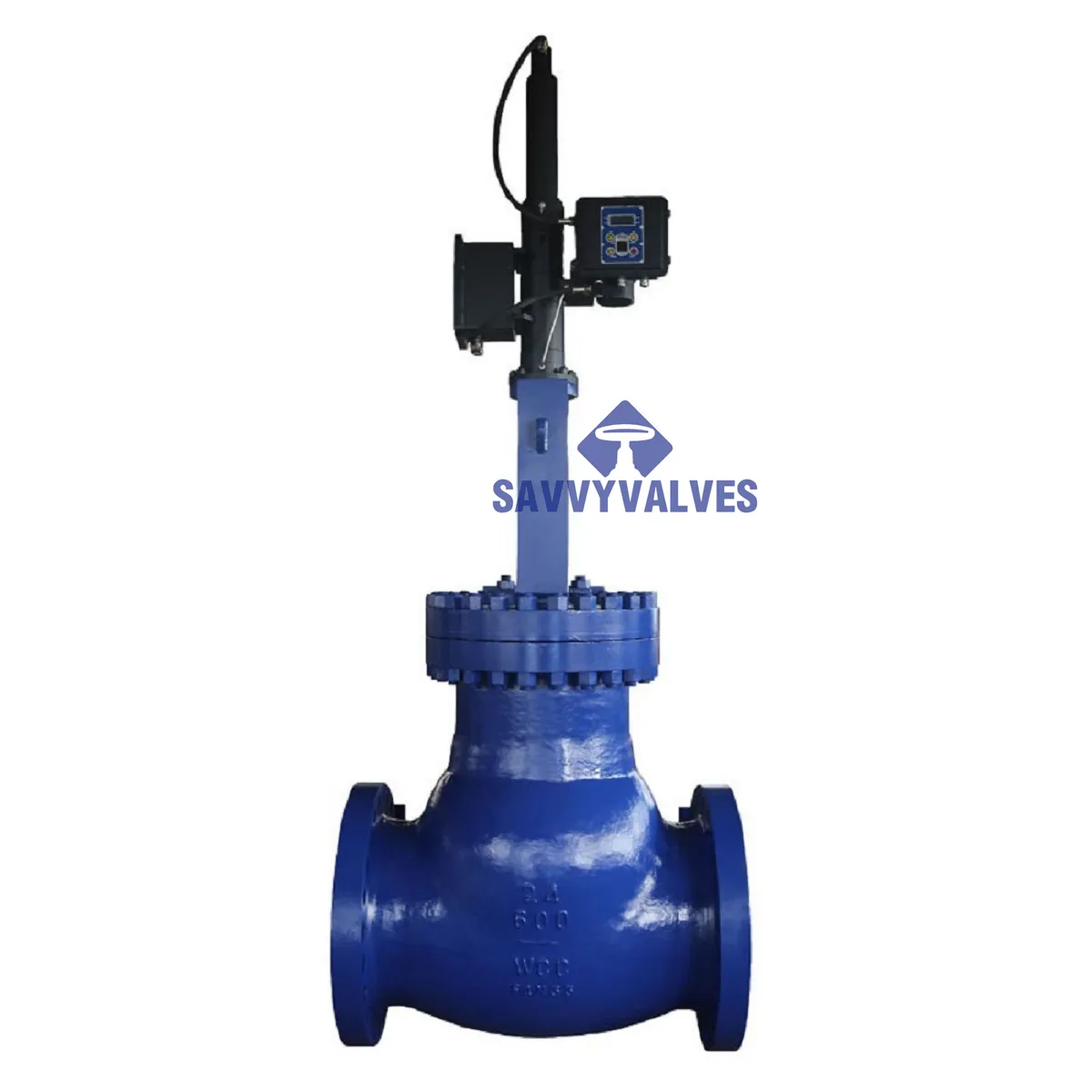
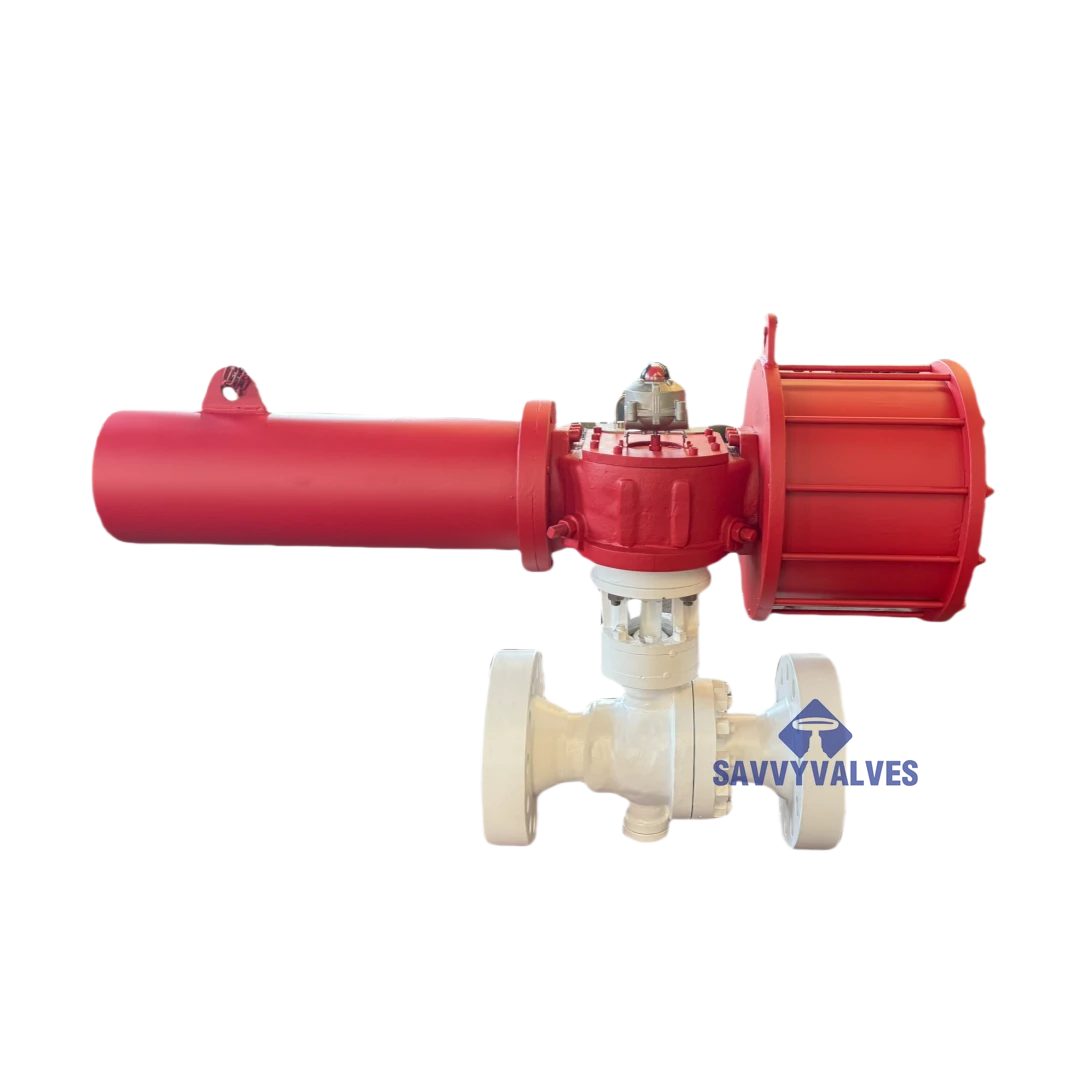
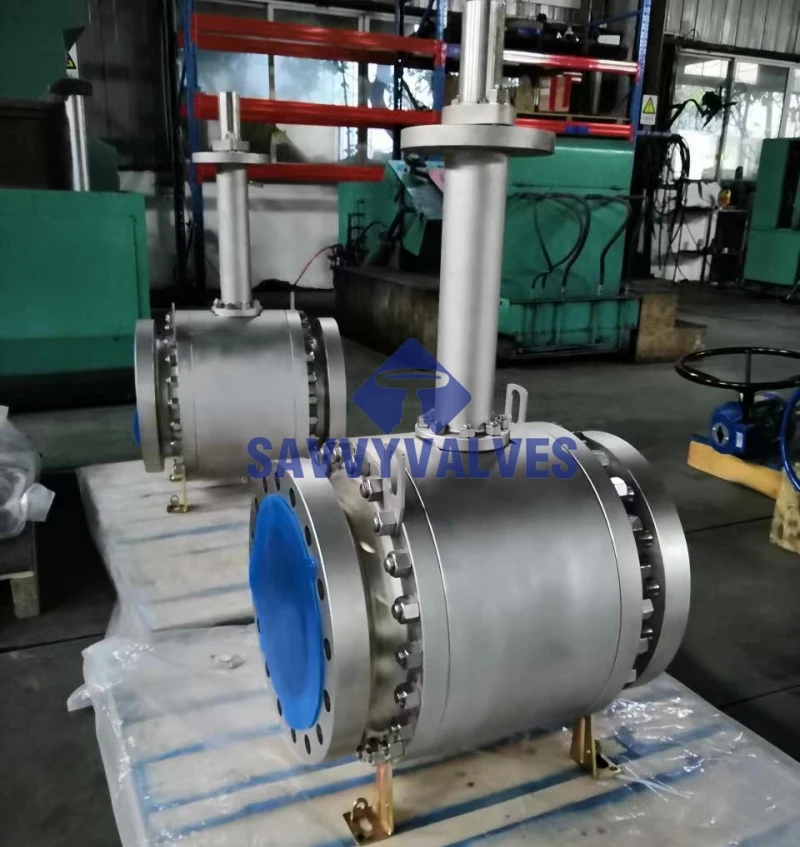
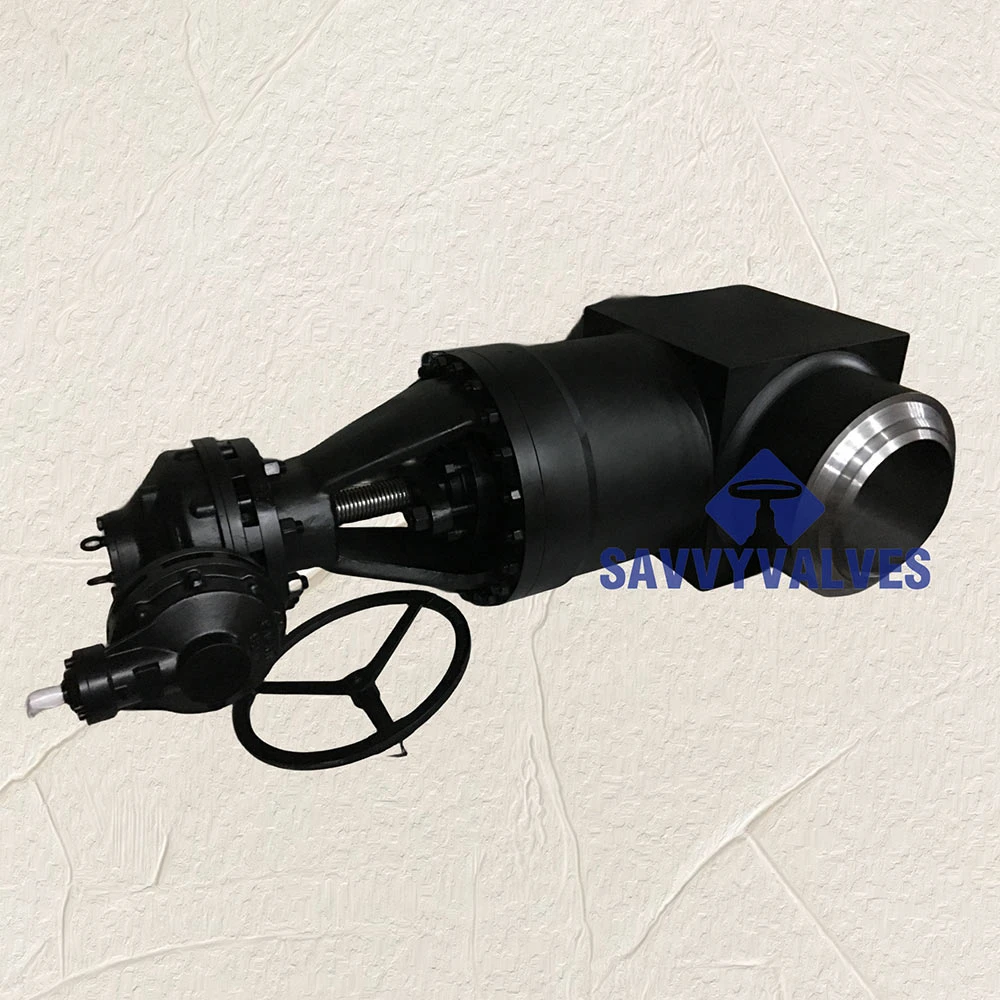
Figure 2: A large-scale electric actuated globe valve, ready for industrial deployment.
Trustworthiness, Support, and FAQ
Building trust in B2B relationships for critical equipment like the cage guided globe valve is founded on transparency, reliability, and robust support systems.
Authoritative References & Certifications:
Reputable manufacturers operate under stringent quality management systems, typically certified to ISO 9001. Products adhere to international standards such as ASME B16.34 (Valves – Flanged, Threaded, and Welding End), ANSI/FCI 70-2 (Control Valve Seat Leakage), ISO 15848-1 (Fugitive Emissions), and often project-specific certifications like API 6D for pipeline valves or PED (Pressure Equipment Directive) for European markets. Partnerships with leading engineering firms and major industrial clients over decades of service further attest to product reliability and expertise.
Frequently Asked Questions (FAQ):
-
Q: What is the typical lead time for a custom cage guided globe valve?
A: Standard valves often have lead times of 8-12 weeks. Custom-engineered solutions, especially large-bore or exotic material valves, may require 16-24 weeks, depending on material availability and complexity. Expedited options are often available for critical projects.
-
Q: What warranty is provided with your control valves?
A: We typically offer a standard 12-month warranty from commissioning or 18 months from shipment, whichever comes first, covering defects in materials and workmanship. Extended warranty options are available upon request.
-
Q: How do you ensure the lowest possible fugitive emissions?
A: Our valves utilize advanced packing systems, often incorporating live-loaded graphite or low-friction PTFE designs. We offer specific designs tested and certified to ISO 15848-1 or API 622, ensuring ultra-low emission performance crucial for environmental compliance and safety.
-
Q: Can your `electric globe valve` integrate with my existing DCS?
A: Yes, our `electric actuated globe valve` solutions come with intelligent positioners offering various communication protocols (e.g., HART, Foundation Fieldbus, Profibus, Modbus) for seamless integration with most modern DCS and PLC systems, providing real-time diagnostics and control.
Customer Support and After-Sales Service:
Comprehensive customer support is vital for operational continuity. This includes dedicated technical support hotlines, global service networks for field commissioning and maintenance, readily available spare parts, and training programs for client personnel. Proactive support helps clients maximize the longevity and performance of their investment in these critical control components.
Conclusion
The cage guided globe valve remains a cornerstone of high-performance flow control in demanding industrial environments. Its balanced design, superior guiding mechanism, and adaptability to a wide range of process conditions make it an optimal solution for applications requiring precision, reliability, and reduced operational costs. As industries continue to evolve towards greater automation and energy efficiency, the strategic deployment of advanced control valves, particularly those integrated with `electric actuated globe valve` technologies, will be crucial for maintaining competitive advantage and operational excellence.
References:
- International Organization for Standardization (ISO). (n.d.). ISO 9001 Quality management systems – Requirements.
- American Society of Mechanical Engineers (ASME). (n.d.). ASME B16.34 Valves—Flanged, Threaded, and Welding End.
- Fluid Controls Institute (FCI). (n.d.). ANSI/FCI 70-2-2013 Control Valve Seat Leakage.
- American Petroleum Institute (API). (n.d.). API 622 Type Testing of Process Valve Packing for Fugitive Emissions.
- Control Valve Handbook, 5th Edition. Emerson Process Management. (Detailed technical resource for control valve selection and application).


 English
  Arabic
  Azerbaijani
  Czech
Czech  Dutch
Dutch  French
  German
  Indonesian
  Italian
  Japanese
  Korean
  Malay
Malay  Persian
  Polish
  Portuguese
  Russian
  Spanish
  Thai
Thai  Vietnamese