
Hi Tech Butterfly Valves: Revolutionizing Fluid Control Across Industries
When thinking about valves — those unsung heroes of fluid management — hi tech butterfly valves might not immediately spring to mind. Yet these sophisticated components are quietly transforming everything from water treatment plants to cutting-edge chemical processing. Globally, as industrial processes grow more complex and environmental standards tighten, understanding the role and benefits of hi tech butterfly valves becomes not just helpful, but essential for engineers, project planners, and sustainability advocates.
Broadly speaking, these valves allow safe, efficient, and reliable fluid flow control, which is critical for everything from clean drinking water to power generation. With advances in materials and design, hi tech butterfly valves now deliver durability and precision that were once impossible. Let's dive deeper into why these valves matter worldwide and what exactly makes them “hi tech.”
Global Relevance: Why Hi Tech Butterfly Valves Matter Today
Across the globe, infrastructure development and maintenance lean heavily on reliable, cost-effective components. According to recent data from the International Energy Agency (IEA), energy and water sectors alone consume hundreds of billions of dollars annually on equipment upgrades (1). Here, valves like these play a pivotal role — regulating flow in pipelines, refining chemicals, and balancing pressure in power plants. Oddly enough, despite their ubiquity, many industries still grapple with outdated valve tech, leading to inefficiencies and costly failures.
Moreover, in humanitarian contexts — for example, post-disaster water restoration efforts — quickly deployable, durable fluid control devices become critical lifelines. Hi tech butterfly valves, thanks to their compactness and ease of use, are ideal for such urgent applications.
Defining Hi Tech Butterfly Valves
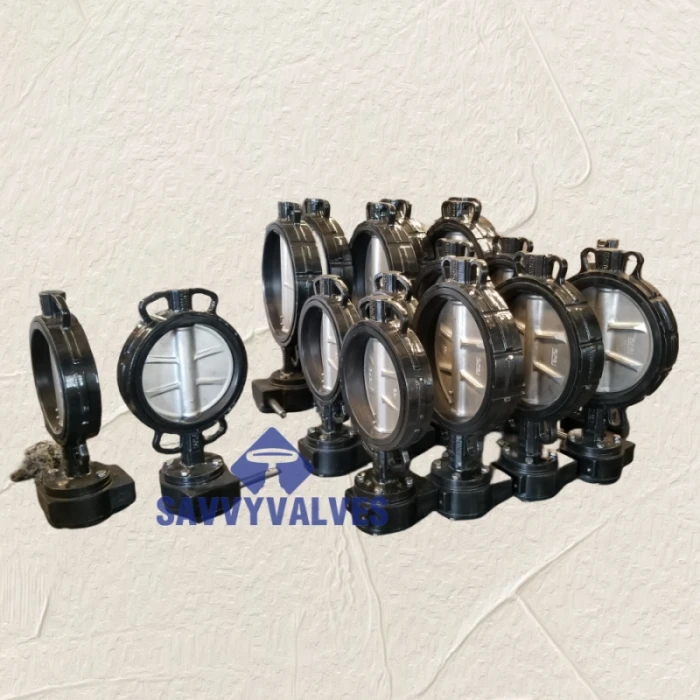
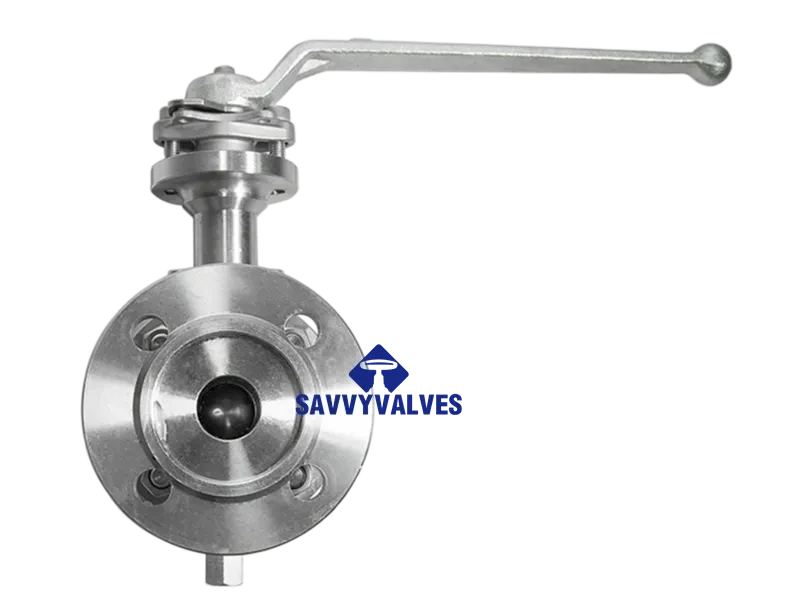
In simple terms, a butterfly valve consists of a circular disc or “butterfly” that rotates within the pipe to regulate fluid flow. The “hi tech” prefix generally points to advanced engineering and materials like corrosion-resistant alloys, smart automation controls, and precision seal designs. These upgrades enhance valve performance in challenging environments — chemical plants, offshore drilling, and complex HVAC systems, among others.
Beyond industry, these valves meet growing demands for sustainability and operational safety standards. You can think of hi tech butterfly valves as the fusion of classic design with modern innovation, creating flow control solutions that are smaller, smarter, and tougher.
Key Features of Hi Tech Butterfly Valves
1. Durability and Material Innovation
Most hi tech valves are built to resist corrosion, abrasion, and extreme temperatures. Stainless steel, PTFE coatings, and even composite materials extend valve life dramatically — meaning less downtime and maintenance headaches. This matters especially in harsh industrial zones or coastal areas where salt and chemicals wear down equipment fast.
2. Precision and Control
Thanks to improved actuator designs, hi tech butterfly valves offer finer control over fluid dynamics. Whether a plant needs a gradual flow adjustment or rapid shutoff, these valves respond reliably with minimal leakage — a key factor in maintaining process integrity.
3. Compactness and Weight
Compared to gate or globe valves, butterfly valves are notably lightweight and take up less space — a big plus on crowded factory floors, or for mobile applications in relief efforts. This compactness doesn’t mean compromising strength; modern designs cleverly balance both.
4. Integration with Automation
Many hi tech butterfly valves connect seamlessly to digital control systems, enabling remote monitoring and smart diagnostics. This trend aligns with Industry 4.0, boosting predictive maintenance and reducing unexpected failures.
| Specification | Typical Range / Value | Notes |
|---|---|---|
| Valve Size | 2" to 48" (50 mm - 1200 mm) | Suitable for varied pipeline diameters |
| Pressure Rating | Class 150 to 600 (PN10 to PN40) | Can handle high pressure fluids |
| Materials | 316 Stainless Steel, PTFE, Nickel Alloys | Corrosion resistance for harsh environments |
| Operation Mode | Manual, Electric Actuation, Pneumatic | Flexibility in control systems |
| Temperature Range | -40°C to 260°C (-40°F to 500°F) | Suitable for various industrial fluids |
Mini takeaway: The blend of rugged materials and precise control makes hi tech butterfly valves adaptable across a spectrum of demanding environments.
Global Applications & Practical Use Cases
In real terms, these valves find homes in industries ranging from oil and gas to pharmaceutical manufacturing, wastewater treatment, and even aerospace. In Southeast Asia, for instance, expanding urban water systems utilize hi tech butterfly valves to ensure efficient distribution despite high contamination risks. In Europe’s stringent network of chemical plants, these valves meet tough environmental and safety standards.
On the humanitarian side, organizations managing emergency water sanitation often deploy butterfly valves for rapid setup of clean water lines. The valves’ ease of installation and reliability directly impact recovery speeds and community health.
Advantages & Long-Term Value
- Cost Efficiency: Lower maintenance demands and longer lifespans translate to reduced total cost of ownership.
- Sustainability: Resistance to leaks and corrosion minimizes environmental hazards and wastage.
- Safety and Reliability: Trusted shutoff capabilities prevent catastrophic failures in critical processes.
- Emotional Trust: Operators gain peace of mind knowing their systems won’t fail unexpectedly, especially in sensitive applications.
It's fairly clear that investing in hi tech butterfly valves is not just about present gains but about building resilient industrial futures.
Future Trends & Innovations
As digital transformation sweeps industries, smart valves equipped with IoT sensors for real-time flow, pressure, and health monitoring are becoming mainstream. Materials research is pushing boundaries too — bio-based coatings and graphene-enhanced composites hint at longer durability with smaller ecological footprints. Not to mention, automation integration means valves can now be part of self-adjusting systems balancing energy consumption and emissions.
Challenges & How Experts Are Tackling Them
Despite great strides, challenges remain. For instance, ensuring leak-tight seals under extreme pressure fluctuations can be tricky. Also, retrofitting legacy systems with smart valves demands compatibility checks and sometimes costly overhauls. Experts suggest modular designs and standardization as solutions, making upgrades easier and more affordable.
| Vendor | Material Expertise | Automation Options | Global Coverage |
|---|---|---|---|
| ValveTech Solutions | High-grade stainless steels | Electric & pneumatic actuators | America, Europe |
| Global Flow Controls | Composite materials & coatings | IoT-enabled smart valves | Asia, Africa |
| EcoValve Inc. | Eco-friendly & recycled metals | Basic manual to semi auto | Europe, North America |
Frequently Asked Questions About Hi Tech Butterfly Valves
- What makes hi tech butterfly valves better than traditional types?
- Hi tech variants use advanced materials and designs that improve durability, leakage prevention, and ease of integration with automation systems. This leads to longer service life and cost savings in maintenance.
- Can these valves be used in corrosive chemical environments?
- Yes, many hi tech butterfly valves feature corrosion-resistant materials such as PTFE linings and stainless steel alloys, making them suitable for harsh chemical processing.
- How does digital automation enhance butterfly valve performance?
- Automation enables precise control, remote monitoring, and predictive maintenance, reducing downtime and improving operational safety in complex processes.
- Are hi tech butterfly valves easy to retrofit in existing pipelines?
- Generally yes, many designs are compact and compliant with standard fittings. However, compatibility checks and possible minor adjustments might be necessary, especially in older plants.
Conclusion
Understanding and adopting hi tech butterfly valves supports more reliable, efficient, and sustainable fluid control across industries — from urban infrastructure to disaster relief. They represent a commitment to quality and innovation that pays off in safety, savings, and environmental responsibility. If you’re considering valve upgrades or new installations, feel free to explore more about these savvy options on hi tech butterfly valves.
Oddly enough, the best technology often hides in plain sight, and butterfly valves are no exception.


 English
  Arabic
  Azerbaijani
  Czech
Czech  Dutch
Dutch  French
  German
  Indonesian
  Italian
  Japanese
  Korean
  Malay
Malay  Persian
  Polish
  Portuguese
  Russian
  Spanish
  Thai
Thai  Vietnamese