
Understanding the Handwheel Butterfly Valve: A Global Industrial Staple
The handwheel butterfly valve is one of those deceptively simple yet profoundly impactful devices found throughout industries worldwide. At first glance, it might seem just like another valve — but its unique design and operational advantages have made it a linchpin in managing fluid flow in everything from water treatment plants to chemical processing hubs. Globally, understanding what these valves do — and why they're so widely adopted — helps engineers, plant managers, and even environmentalists optimize industrial efficiency, save costs, and maintain safety.
Introduction: Why the Handwheel Butterfly Valve Matters Globally
According to recent reports from the International Organization for Standardization (ISO), valves account for a significant part of global industrial infrastructure — consider that over 70% of liquid flow control across manufacturing and municipal sectors uses some kind of valve. The handwheel butterfly valve specifically plays a remarkable role because of its simple mechanism paired with strong performance.
The challenge? Modern industry needs valves that are easy to control, durable, cost-effective, and adaptable to various environments — from arid zones in the Middle East to cold climates in Scandinavia. With fluid management being critical to energy production, waste management, and water distribution, the handwheel butterfly valve emerges as a trusted solution.
What Is a Handwheel Butterfly Valve?
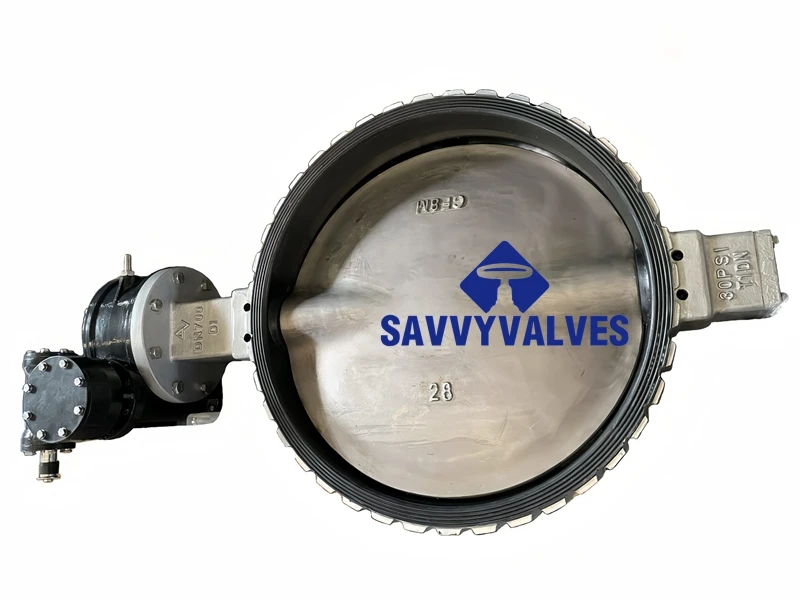
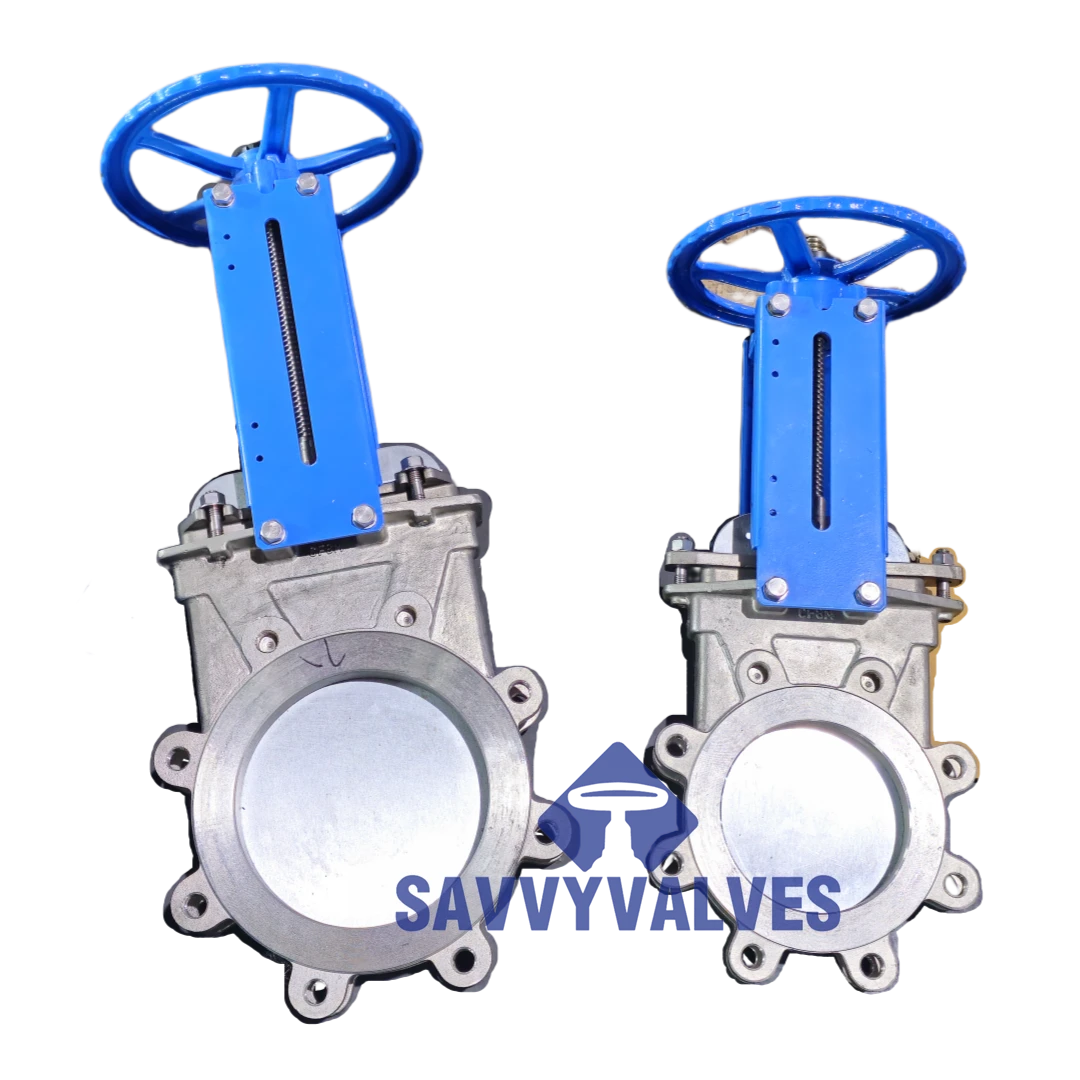
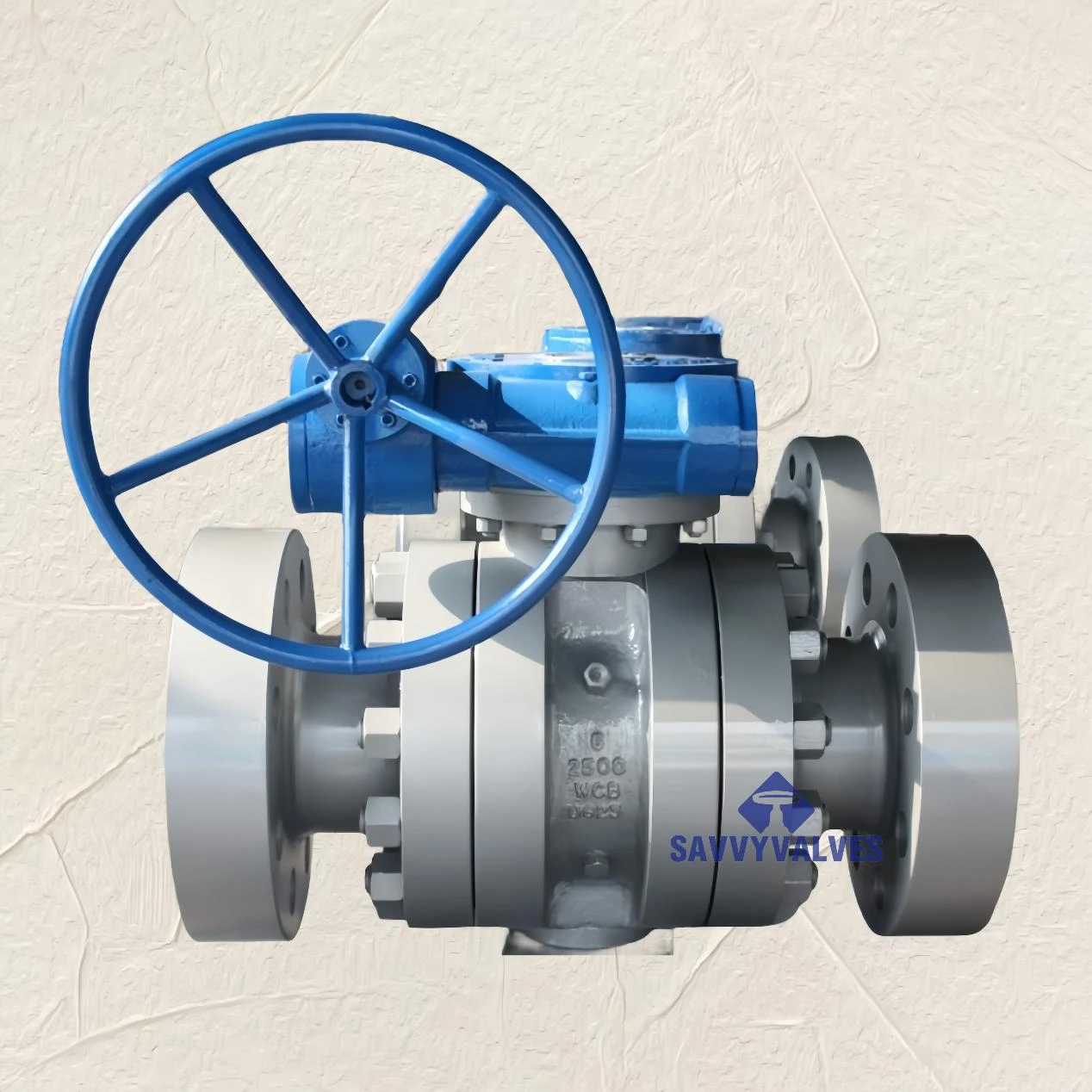
Simply put, a handwheel butterfly valve is a type of quarter-turn valve used to regulate flow. It consists of a circular disc or 'butterfly' inside a pipe that rotates around an axis to either allow, restrict, or stop fluid passage. What sets it apart is the handwheel: a manual rotating wheel attached to the stem that gives operators precise, direct control of the valve position — no need for complicated actuators or power sources in basic setups.
These valves connect seamlessly to modern industry needs by allowing straightforward yet reliable fluid control. They’re essential in industries ranging from water treatment, oil and gas, to food processing. Oddly enough, they also feature in some humanitarian scenarios — for example, controlling water flow in refugee camp infrastructure, where simplicity and reliability trump tech-heavy solutions.
Key Factors That Define the Handwheel Butterfly Valve
1. Durability
Built with corrosion-resistant metals like stainless steel or cast iron, often accompanied by resilient seals, these valves hold up well under high pressure and extreme temperatures. This means fewer replacements and less downtime in industrial processes.
2. Cost Efficiency
Due to their compact design and fewer parts compared to other valve types, handwheel butterfly valves generally cost less to manufacture and maintain. And since manual handwheels remove the necessity for electronic actuators, installation and operation spend less budget and energy.
3. Ease of Operation
The handwheel provides tactile feedback and allows precise incremental flow control — much appreciated in process plants needing fine adjustments without sophisticated controls.
4. Scalability and Size Versatility
From small-diameter valves under two inches to massive pipeline valves exceeding 48 inches, this design scales impressively. Industries with variable pipe sizes find this versatility useful.
5. Maintenance Simplicity
Repairs are generally straightforward because of the valve’s simple mechanism — a plus for remote industrial zones where skilled technician visits may be rare.
Product Specifications of a Typical Handwheel Butterfly Valve
| Specification | Details |
|---|---|
| Material | Cast Iron / Stainless Steel / Ductile Iron |
| Pressure Rating | PN10 to PN25 (up to 25 bar) |
| Size Range | 2" to 48" (50 mm to 1200 mm) |
| Seat Type | NBR/EPDM/PTFE for fluid compatibility |
| Operation | Manual handwheel (quarter-turn) |
Global Use Cases & Applications
The handwheel butterfly valve’s versatility means it shows up in a stunning array of global applications:
- Water Treatment Plants: These valves regulate water flow in filtration and distribution systems across cities in North America and Europe.
- Oil & Gas Pipelines: In the Middle East, valves with handwheel operation help modulate heavy crude flow safely.
- Food & Beverage Industry: Hygienic versions with smooth seats control liquid ingredients globally.
- Humanitarian Water Infrastructure: NGOs install these valves in emergency water lines for displaced communities, thanks to ease of maintenance and manual control.
- Power Plants: Thermal and hydroelectric plants in Asia rely on these valves for cooling system flow control.
As an example, during recent flood aftermaths in South Asia, quick manual adjustment via handwheels helped operators control contaminated water flow, preventing further damage.
Advantages and Long-Term Value
Beyond their practical features, there’s something deeply reassuring about a handwheel butterfly valve: it feels tangible and trustworthy, especially when compared to electronic or automated valves that may fail without power. These valves combine:
- Reliability: Manual, mechanical operation reduces vulnerability to technical glitches.
- Cost Savings: Lower installation and maintenance expenses over decades.
- Sustainability: Durable materials and fewer replacements reduce waste.
- Safety and Control: Immediate operator feedback increases process safety and dignity in user interaction.
Frankly, this balance of emotional and logical benefit makes them quite beloved in many facilities.
Future Trends and Innovations
While the handwheel butterfly valve seems traditional, innovation continues to shape its evolution:
- Smart Sensors Integration: Advanced models embed position sensors to report valve status remotely — marrying manual control with digital monitoring.
- Eco-friendly Materials: Research into biodegradable seat materials and coatings that reduce environmental impact, complying with ISO 14001 standards.
- Improved Ergonomics: Handwheel designs now focus on operator comfort, reducing fatigue for manual adjustments in large valves.
- Standardization & Modularity: Vendors push for universally compatible parts to simplify repairs and expand scalability.
Challenges and Solutions
One obvious limitation with handwheel operated valves is the physical effort needed for larger sizes or high-pressure environments; this sometimes compromises speed or operator safety. Solutions often involve adding reduction gears or hybrid manual-electric actuators, ensuring the best of both worlds. Also, maintenance in harsh environments can be tricky, but innovations in seal materials and coatings help extend life cycles.
Vendor Comparison: Popular Handwheel Butterfly Valve Providers
| Vendor | Material Options | Pressure Rating | Unique Feature | Warranty |
|---|---|---|---|---|
| ValveTech Co. | Stainless Steel, Ductile Iron | PN16 - PN25 | Corrosion resistant coating | 5 years |
| FlowMaster Inc. | Cast Iron, Stainless Steel | PN10 - PN20 | Ergonomic handwheel design | 3 years |
| Global Valve Solutions | Ductile Iron, Bronze | PN16 | Integrated manual-electric actuator option | 4 years |
FAQ: Common Questions About Handwheel Butterfly Valves
- How does a handwheel butterfly valve differ from a lever-operated one?
- The handwheel provides finer control and requires less force to operate large valves compared to lever types, which are better for quick on-off but less precise.
- Are handwheel butterfly valves suitable for corrosive fluids?
- Yes, if equipped with corrosion-resistant materials like stainless steel or specialized sealing seats such as PTFE, these valves handle many corrosive mediums well.
- Can these valves be automated later if manual control becomes insufficient?
- Absolutely. Many manufacturers offer modular kits to add electric or pneumatic actuators onto handwheel valves without replacing the entire unit.
- What maintenance is required for these valves in remote industrial zones?
- Typically, regular inspection of seals, lubrication of the stem, and cleaning to prevent debris buildup keeps valves operational. The manual handwheel design simplifies onsite repair tasks.
Conclusion and Call to Action
The handwheel butterfly valve stands the test of time — bridging simple mechanical reliability with modern industry’s demands for precision and durability. From cost savings to sustainability and safety, their long-term value does not disappoint. If you’re in the market for dependable valves or simply want to know more about the technology, visit our website at https://www.savvyvalvetech.com for detailed specs, expert advice, and customized solutions.
Mini takeaway: The humble handwheel butterfly valve is essential not only because of its basic mechanical genius but also due to its evolving place in a sustainable, safer industrial future.


 English
  Arabic
  Azerbaijani
  Czech
Czech  Dutch
Dutch  French
  German
  Indonesian
  Italian
  Japanese
  Korean
  Malay
Malay  Persian
  Polish
  Portuguese
  Russian
  Spanish
  Thai
Thai  Vietnamese