
Understanding FMC Butterfly Valves: Versatile Essentials in Fluid Control
When you first hear about FMC butterfly valves, you might not immediately grasp why these unassuming components matter on a global scale. Yet, in industries ranging from water treatment to chemical processing, these valves play a pivotal role in controlling fluid flow efficiently and reliably. Understanding their design, applications, and innovations is essential—not just for engineers but also for decision-makers keen on operational excellence and sustainable resource management.
Introduction: Global Relevance of FMC Butterfly Valves
Globally, industries are under increasing pressure to optimize resource usage and reduce downtime. According to a 2022 report by the International Organization for Standardization (ISO), efficient fluid control mechanisms can contribute to up to a 15% reduction in industrial water waste.1 That’s where FMC butterfly valves come in. Designed for quick shut-off and flow regulation, these valves address challenges such as system failures, leakage, and inefficient fluid management common in many sectors worldwide.
Oddly enough, while the technology is well-established, many users overlook how selecting the right butterfly valve affects everything from safety to operational costs. That challenge is precisely what boosts demand and drives product innovation.
What Exactly Are FMC Butterfly Valves?
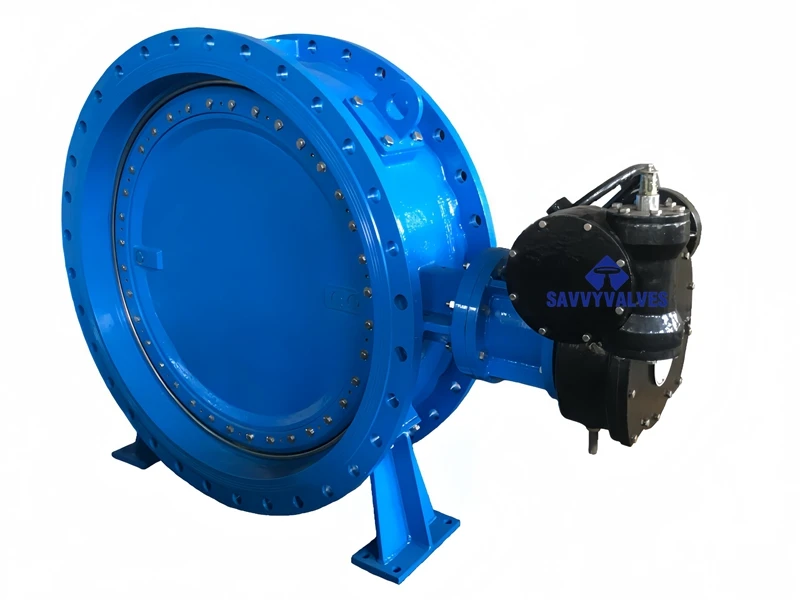
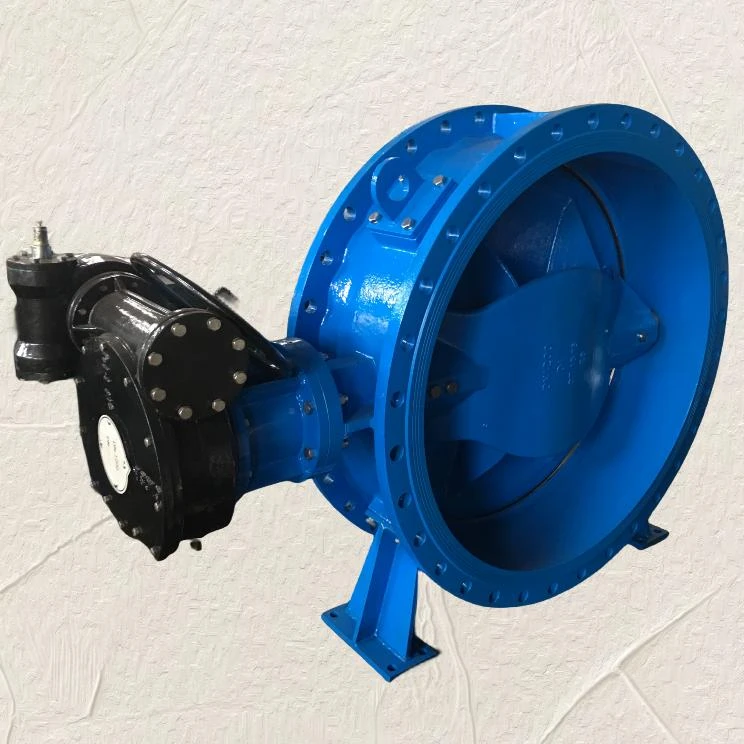
At their core, FMC butterfly valves are quarter-turn valves equipped with a disc that rotates to regulate flow through a pipe. FMC typically refers to a trusted brand or model series known for durability and precision in controlling gases and liquids. Think of them as the “throttle control” for fluids, enabling industries to manage pressure and volume quickly and effectively.
These valves matter not just for industrial processes but also humanitarian efforts—like controlling freshwater distribution in water-scarce regions. In essence, they merge engineering with real-world needs.
Core Aspects of FMC Butterfly Valves
Durability and Material Choices
One big reason FMC butterfly valves stand out is their robust construction. Most use stainless steel or ductile iron bodies with corrosion-resistant coatings, which means they can last for years even in harsh environments—from saltwater desalination plants to chemical refineries.
Precision Control and Quick Operation
The quarter-turn mechanism allows rapid open or close actions, which is critical when emergencies arise. Many operators appreciate this responsive control, especially in pipelines handling flammable or hazardous fluids.
Cost Efficiency
Compared to more complex valve types, butterfly valves are generally more affordable to manufacture and maintain. Their relatively simple design translates into fewer breakdowns and lower repair costs over time.
Size Range and Scalability
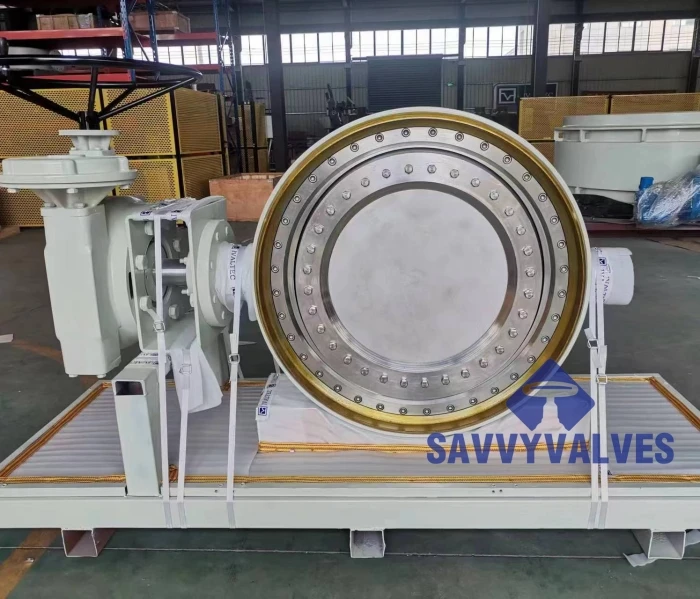
Another neat feature is their scalability. Whether you need a compact valve for a domestic water line or a massive one for an industrial process, FMC butterfly valves come in a broad range of sizes—making them versatile across many applications.
Product Specifications at a Glance
| Feature | Specification |
|---|---|
| Body Material | Ductile Iron / Stainless Steel |
| Disc Material | Aluminum Bronze / Stainless Steel |
| Operation | Manual Lever / Gear Actuator / Pneumatic |
| Pressure Rating | Up to 16 bar (232 psi) |
| Temperature Range | -20°C to 180°C (-4°F to 356°F) |
| Sizes Available | 50mm to 1200mm (2” to 48”) |
Global Applications & Use Cases
FMC butterfly valves have found their way into diverse global sectors. For example:
- Water Treatment Plants: Controlling flow in municipal water supply networks.
- Oil & Gas Industry: Managing pipelines in harsh offshore environments.
- Power Generation: Regulating cooling water loops in thermal plants.
- Disaster Relief Operations: Quickly setting up temporary water distribution, ensuring safe drinking water access.
If you consider the vast regions of Asia and Africa undergoing infrastructure upgrades, the role of reliable butterfly valves only grows more critical.
Vendor Comparison: FMC Butterfly Valves & Competitors
| Feature | FMC | Competitor A | Competitor B |
|---|---|---|---|
| Material Quality | High-grade stainless steel | Carbon steel | Ductile iron |
| Pressure Rating | 16 bar | 10 bar | 12 bar |
| Warranty | 5 years | 3 years | 4 years |
| Customization Options | Extensive (materials & sizes) | Limited | Moderate |
Advantages & Long-term Value of FMC Butterfly Valves
Thinking beyond specs, the key advantage of FMC butterfly valves might simply be trust. Operators gain peace of mind knowing that valves withstand pressure surges and corrosive environments without failing. Sustainability comes in, too; many FMC valves are recyclable and require less maintenance, reducing environmental impact and operational interruptions.
Safety is also no afterthought: tight seals minimize leakage of hazardous fluids, protecting workers and communities alike. On the emotional side, it’s comforting to know that seemingly small components like these can safeguard entire water or energy networks—which, frankly, feels pretty empowering.
Future Trends & Innovations
The future of butterfly valves is entwined with the rise of smart technologies. Expect more digital integration—like IoT-enabled actuators that report valve status in real-time. The movement toward greener materials and sustainable manufacturing practices is also accelerating. Automated control systems powered by AI promise even greater efficiency and rapid response, especially in critical infrastructure.
Challenges & Solutions in Current Practice
No product is perfect, and FMC butterfly valves face challenges like sealing in extremely high-pressure or abrasive fluid situations. However, researchers and manufacturers are addressing this by experimenting with advanced composite seals and nano-coatings. Additionally, user training remains vital, as valve misuse often leads to premature wear.
In practical terms, companies that invest in regular valve inspection and maintenance regimes—leveraging vendor expertise—often see lower lifecycle costs and longer equipment uptime.
Frequently Asked Questions About FMC Butterfly Valves
- Q1: What makes FMC butterfly valves suitable for harsh chemical environments?
- FMC valves often use corrosion-resistant materials like stainless steel and specialized coatings. These choices protect internal components, enabling the valve to endure aggressive chemicals without degrading, thereby ensuring long-term reliability.
- Q2: How do FMC butterfly valves compare to ball valves in industrial applications?
- Butterfly valves usually offer faster operation and require less space than ball valves. While ball valves provide tight shutoff, FMC butterfly valves are often preferred for regulating flow in larger pipes due to lower cost and lighter weight.
- Q3: Can FMC butterfly valves be automated for remote operation?
- Yes, many FMC models support automation, including pneumatic and electric actuators. These can integrate with SCADA systems for remote monitoring and precise control, improving safety and efficiency.
- Q4: What maintenance is required to maximize the lifespan of FMC butterfly valves?
- Regular inspection for wear, lubrication of moving parts, and timely replacement of seals are key. Keeping records and following manufacturer guidelines helps prevent unexpected failures and extends valve life.
Conclusion & Call to Action
In real terms, FMC butterfly valves are more than just mechanical parts—they’re enablers of efficient, reliable fluid control integral to modern infrastructure worldwide. Their balance of durability, cost-efficiency, and adaptability means their importance will only grow as industries modernize and embrace smarter operations.
Interested in learning more or sourcing reliable butterfly valves? Visit our website at https://www.savvyvalvetech.com and discover a range of solutions tailored for diverse industrial needs.
To me, understanding these valve technologies feels like uncovering the unseen backbone of industrial progress—small components with oversized impact.


 English
  Arabic
  Azerbaijani
  Czech
Czech  Dutch
Dutch  French
  German
  Indonesian
  Italian
  Japanese
  Korean
  Malay
Malay  Persian
  Polish
  Portuguese
  Russian
  Spanish
  Thai
Thai  Vietnamese