
Understanding the Fire Fighting Butterfly Valve: A Critical Component in Safety Systems
The fire fighting butterfly valve might not be the flashiest piece of equipment on a fire truck or in a sprinkler system, but it’s undeniably one of the most crucial. Globally, fire safety standards continue to evolve as urbanization and industrial activities escalate risks. Knowing the ins and outs of this valve means understanding how water flow is managed effectively to suppress fires quickly — a matter that literally saves lives and property.
Global Context: Why the Fire Fighting Butterfly Valve Matters
Fire safety is a worldwide concern. According to the United Nations Office for Disaster Risk Reduction (UNDRR), urban fires lead to thousands of casualties and billions in property losses annually. As cities grow denser, efficient firefighting infrastructure becomes non-negotiable. The fire fighting butterfly valve addresses challenges like rapid water deployment, system durability, and operational reliability.
Oddly enough, despite its relative simplicity, this valve plays a huge role in meeting ISO fire safety standards used internationally. It helps firefighting systems maintain consistent pressure and flow, directly affecting response times.
What Exactly Is a Fire Fighting Butterfly Valve?
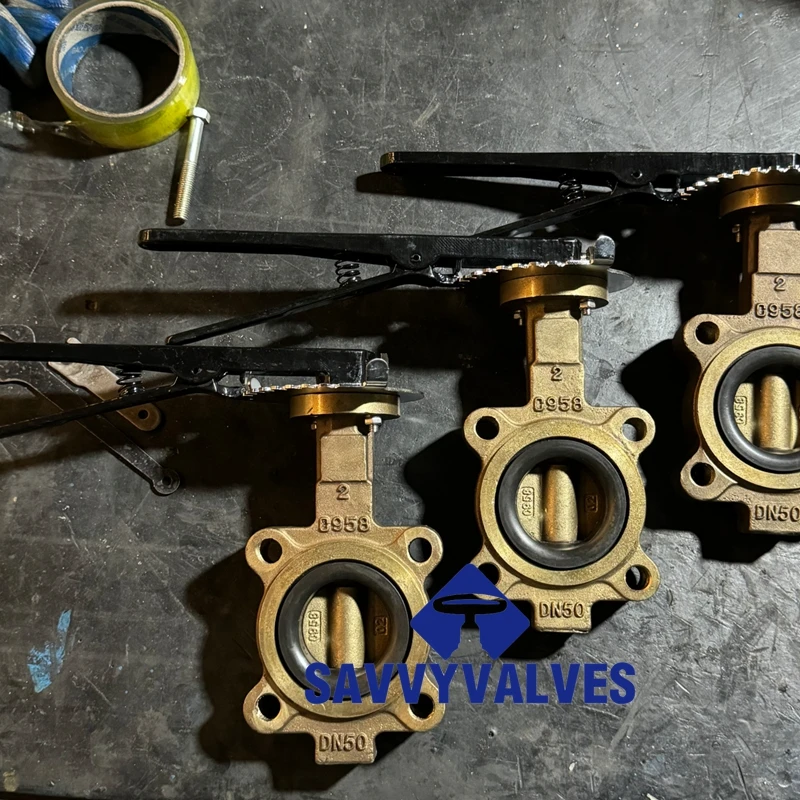
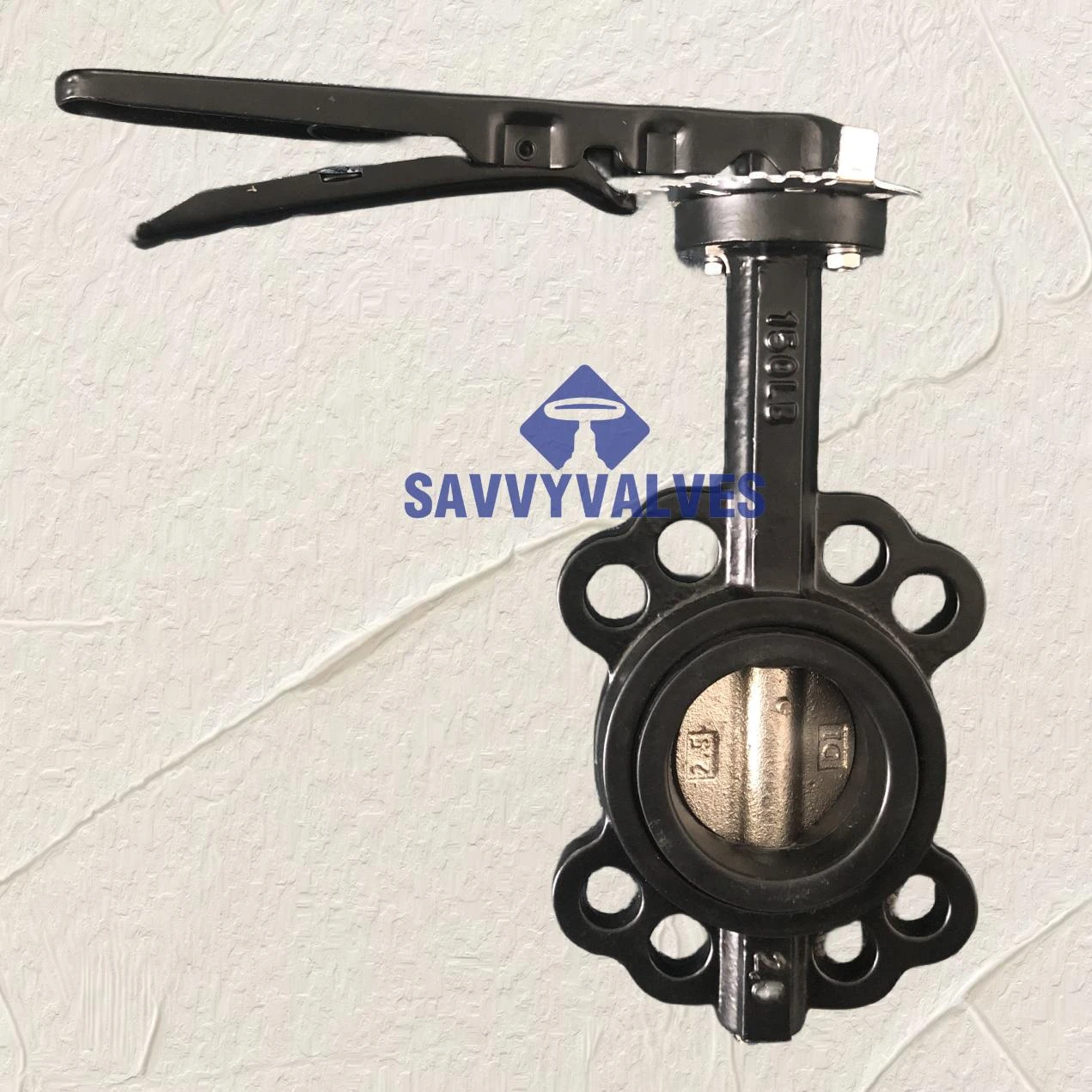
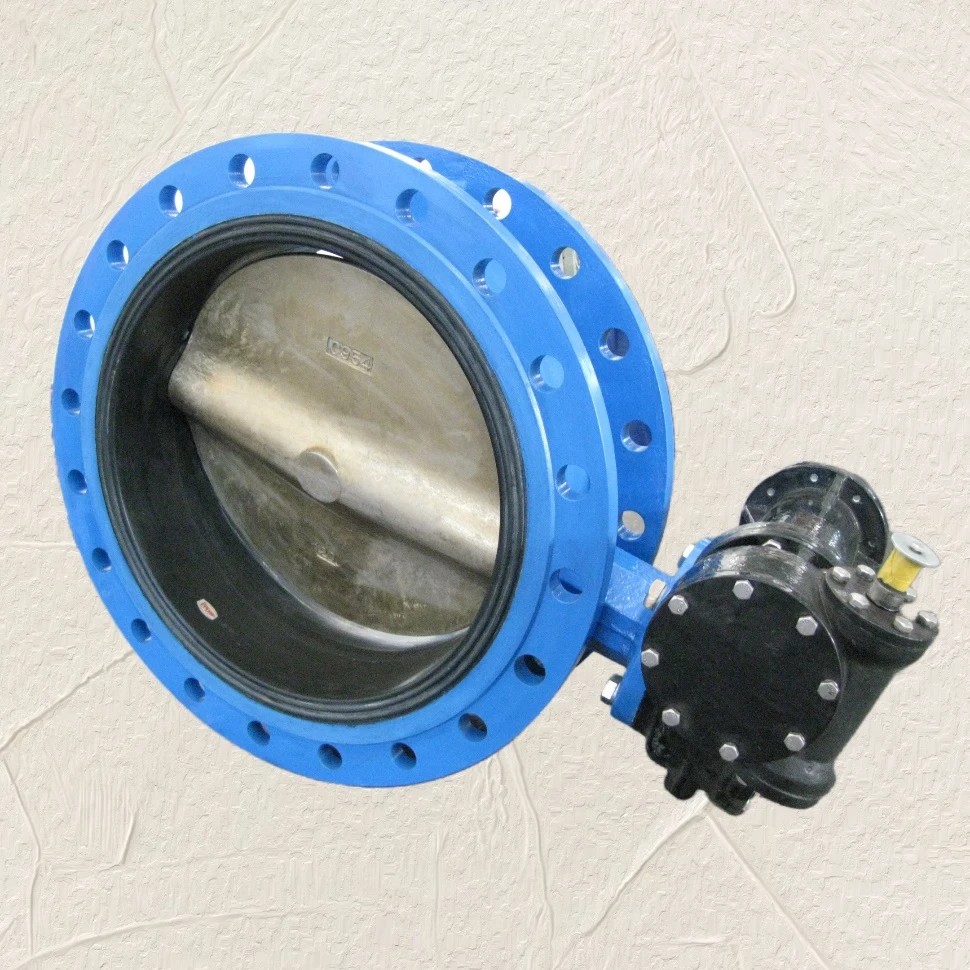
Put simply, a butterfly valve is a quarter-turn valve that regulates water flow using a disc that rotates on an axis inside a pipe. When used in firefighting, it controls the water supply to hoses and sprinklers promptly and reliably. Think of it as the gatekeeper that either allows full pressure through or completely blocks water flow, crucial when seconds count.
This valve’s design — compact and lightweight — makes it particularly suited for modern firefighting systems, where space and quick operation matter. It’s not just about turning water on or off; it’s about controlling fire suppression systems with precision, improving both industrial safety and humanitarian emergency response.
Core Components and Key Factors
Durability
Firefighting valves must withstand extreme conditions: high pressure, temperature fluctuations, and corrosive environments. Materials like ductile iron or stainless steel, often coated with epoxy or rubber linings, ensure longevity.
Operational Reliability
Fast response is vital. Butterfly valves feature quick quarter-turn operation, minimizing delays. Their simple mechanism means fewer mechanical failures over time.
Maintenance and Cost Efficiency
Compared to gate or globe valves, butterfly valves are easier and cheaper to maintain due to fewer parts and simpler construction.
Size and Scalability
These valves are available in a broad range of sizes, from small hose lines to large supply pipes, enabling system scalability across facilities and firefighting setups.
A Quick Overview of Typical Specifications
| Specification | Details |
|---|---|
| Material | Ductile Iron / Stainless Steel |
| Operating Temperature | -10°C to 80°C (standard); higher with special seals |
| Pressure Rating | PN10 - PN16, up to 25 bar in specialty models |
| Sizes Available | 50mm to 800mm diameter commonly |
| Operation | Manual or automated electric/pneumatic actuators |
Mini takeaway: durability, quick operation, and adaptable sizing make fire fighting butterfly valves highly effective for scaled safety systems worldwide.
Global Applications & Use Cases
- Urban Firefighting Networks: In cities like Tokyo or New York, these valves are integrated into hydrant and sprinkler systems, ensuring reliable water control during emergencies.
- Industrial Facilities: Factories dealing with chemicals or flammable materials use butterfly valves to manage fire suppression lines, critical to worker safety.
- Disaster Relief: In post-disaster zones, quickly deployable modular fire protection units often rely on butterfly valves due to their simple design and lightweight nature.
- Remote Locations: Oil fields or mining operations employ robust fire fighting valves suited to harsh environmental conditions, emphasizing corrosion resistance.
In practical terms, it feels like the valve quietly yet firmly supports some of humanity’s toughest safety challenges.
Vendor Comparison: Top Fire Fighting Butterfly Valve Brands
| Feature | Brand A | Brand B | Brand C |
|---|---|---|---|
| Material Quality | Ductile iron with epoxy coating | Stainless steel 316 | Ductile iron, rubber lining |
| Pressure Rating | PN16 | PN25 | PN10 |
| Automation Options | Manual & Pneumatic | Manual & Electric | Manual only |
| Typical Price Range | $$$ | $$$$ | $$ |
| Corrosion Resistance | High | Very High | Moderate |
Advantages & Long-Term Value
What sets the fire fighting butterfly valve apart? For starters, the blend of reliability and ease of use really stands out. Safety professionals and engineers often note its low failure rate and ease of integration into complex water supply systems.
- Cost Efficiency: Its compact design reduces installation space and associated expenses.
- Sustainability: Durable materials mean fewer replacements and waste over the product lifecycle.
- Social Impact: By enabling rapid fire response, it protects communities and critical infrastructure — a real trust builder.
Ultimately, it’s an elegant technical solution that supports the bigger, emotional goal of preserving safety and dignity in crisis situations.
Emerging Trends & Innovations
Looking ahead, fire fighting butterfly valve technology is embracing green and smart innovations:
- Smart valves: IoT-enabled valves with sensors for real-time status monitoring.
- Advanced materials: Use of composites and coatings that improve corrosion resistance and reduce weight.
- Automation: Integration with digital fire alarm and suppression systems for instant activation.
- Sustainability policies: Industries adopting valves that support environmental stewardship by minimizing water waste.
Challenges & How Experts Address Them
No tech is perfect, and fire fighting valves face their share of hurdles. Corrosion still poses issues in salty or chemically harsh environments. Sometimes maintenance gets overlooked, leading to valve sticking or leaks. Also, compatibility with older fire systems can be tricky.
Today, experts recommend:
- Routine inspections following NFPA guidelines.
- Using valves with verified certifications (UL, FM).
- Training personnel for preventive maintenance.
- Retrofitting older systems with adaptable valve designs.
Even amid these challenges, the fire fighting butterfly valve remains a preferred option for many due to its balance of performance and practicality.
FAQ: Common Questions About Fire Fighting Butterfly Valves
- How quickly can a fire fighting butterfly valve be operated during an emergency?
- Typically, these valves require just a quarter-turn (90 degrees) to fully open or close, enabling water flow control within seconds — crucial for fire suppression.
- Are fire fighting butterfly valves suitable for saltwater environments?
- Yes, but valves made with corrosion-resistant materials like stainless steel or those with special coatings are recommended to prevent damage in marine or coastal areas.
- Can these valves be automated?
- Absolutely. Many models offer electric or pneumatic actuators, allowing integration with fire alarm systems for rapid, remote control during fires.
- What maintenance do fire fighting butterfly valves require?
- Routine visual inspections, operational checks, and lubricating moving parts are essential. The NFPA recommends at least annual maintenance to ensure reliability.
In Conclusion: Why the Fire Fighting Butterfly Valve Deserves Attention
The fire fighting butterfly valve quietly supports global fire safety infrastructure with its remarkable blend of durability, efficiency, and adaptability. Its role is especially crucial in helping cities, industries, and emergency responders face an unpredictable world.
For anyone involved in specifying or maintaining fire suppression systems, understanding these valves is essential. To learn more about the latest models and expert advice, visit our dedicated fire fighting butterfly valve resource.
After all, in emergency situations, every second counts — and the right valve can make all the difference.
Quick Takeaway: The fire fighting butterfly valve is an elegant, reliable solution fueling fire suppression safety globally — with ongoing innovations promising a smarter, greener future.



 English
  Arabic
  Azerbaijani
  Czech
Czech  Dutch
Dutch  French
  German
  Indonesian
  Italian
  Japanese
  Korean
  Malay
Malay  Persian
  Polish
  Portuguese
  Russian
  Spanish
  Thai
Thai  Vietnamese