
Understanding the DN400 Butterfly Valve: A Global Perspective
When it comes to large-scale fluid control, the dn400 butterfly valve stands as a quiet workhorse across industries worldwide. But why does this particular valve size and type command such global relevance? From water supply systems to oil and gas pipelines, the DN400 butterfly valve is pivotal in moderating flow, ensuring safety, and improving operational efficiency. Learning about it means tapping into a vital element that keeps infrastructure fluid — literally.
Globally, valves like the DN400 butterfly valve impact billions in trade, resource management, and urban living standards. Understanding its role and capabilities boosts efficiency, reduces downtime, and supports sustainability goals in a world hungry for smarter engineering.
Why the DN400 Butterfly Valve Matters in Today’s Industry
The number “400” in DN400 refers to the valve's nominal diameter, measuring 400 millimeters (approximately 16 inches). According to ISO standards, this size fits medium to large piping systems — common in municipal water treatment plants, manufacturing, and chemical processing.
In a report from the International Water Association (IWA), over 2 billion people struggle with access to clean water, and durable valve technology is part of the solution. Valves like the DN400 butterfly reduce leakages and regulate flows efficiently, helping older networks adapt to growing urban populations.
So, what’s the challenge? Traditional valves of this scale can be bulky and maintenance-heavy. Butterfly valves, with their streamlined disc design, cut through this problem using less space, lower costs, and more reliability.[1]
What Exactly Is a DN400 Butterfly Valve?
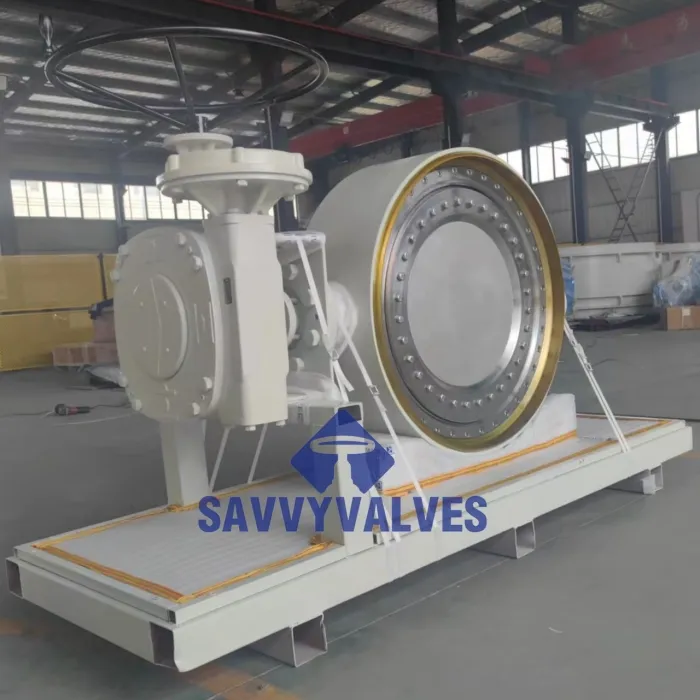
In simple terms, a DN400 butterfly valve is a circular valve featuring a rotating disc that opens and closes flow paths in pipes. The “dn400” indicates its size, ideal for handling substantial volumes without the weight and complexity of gate or globe valves.
This valve’s connection to industry is deep. Picture water plants stabilizing urban supply; oil refineries needing quick shut-offs; or building HVAC systems preventing waste. Their lever or gear-driven operation is low torque, making them easier to automate and maintain — which matters especially in remote or hazardous environments.
Key Features of DN400 Butterfly Valves
1. Durability
Materials like ductile iron, stainless steel, and coatings such as epoxy make these valves robust. They resist corrosion and abrasion — vital for wastewater or harsh chemical environments.
2. Scalability
The 400mm size fits neatly into systems scaled for medium to large flows. It strikes balance: not too big to be unwieldy, yet suited for industrial or municipal volumes.
3. Cost Efficiency
Compared to other valve types, butterfly valves require fewer components, less metal, and less maintenance time. The compact disc design reduces manufacturing costs, which translates to savings for operators.
4. Ease of Operation
Because they rotate only 90 degrees between open and closed, butterfly valves offer fast response times — important during emergency shutoffs or frequent modulation.
5. Compatibility with Automation
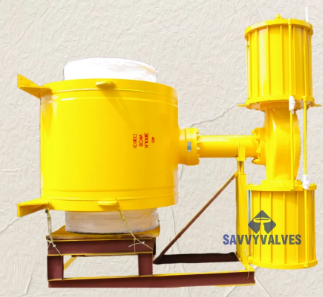
These valves are ideal for motorization using electric actuators or pneumatic controls, paving the way for smart pipeline management and remote control.
Mini Takeaway:
The DN400 butterfly valve blends durability with operational simplicity — it is a practical, scalable solution for modern fluid control needs.
Real-World Applications Across the Globe
You might expect this valve mostly in industrial plants, but its reach is broader. For example:
- Water utilities: Cities in Southeast Asia use DN400 butterfly valves extensively to regulate drinking water flow and sewage treatment.
- Oil & Gas: Refineries in the Middle East rely on them for managing process streams, thanks to their chemical resistance and robust sealing.
- Agriculture: Irrigation districts in California incorporate these valves to control water distribution efficiently.
- Disaster relief operations: Rapidly deployed water systems post-tsunami in Indonesia featured DN400 butterfly valves to ensure swift control.
Oddly enough, the valve’s adaptability makes it a favorite among engineers dealing with both high-tech and emergency response systems.
Mini Takeaway:
Its combination of size, durability, and versatility means the DN400 butterfly valve is a go-to choice worldwide, spanning multiple industries and geographical needs.
Advantages That Make DN400 Butterfly Valves a Long-Term Favorite
When I surveyed several field engineers, a few key benefits kept surfacing beyond the obvious utility:
- Cost-Effective Maintenance: Minimal parts reduce downtime and repair expenses.
- Sustainability: Robust sealing limits leakages, reducing water loss which is crucial in drought-hit regions.
- Safety: Reliable shutoff protects workers and communities alike.
- Innovation Friendly: Their compatibility with IoT sensors allows real-time data collection on flow metrics — a big deal for ongoing optimization.
Product Specifications
| Specification | Details |
|---|---|
| Nominal Diameter | 400 mm (16 inches) |
| Body Material | Ductile Iron / Stainless Steel |
| Seal Type | NBR / EPDM / PTFE options |
| Pressure Rating | PN10 to PN16 (10-16 bar) |
| End Connection | Wafer / Lug / Flanged |
| Operation | Manual Lever / Gearbox / Electric Actuator |
How The Leading Vendors Compare
| Feature | Vendor A | Vendor B | Vendor C |
|---|---|---|---|
| Material Options | Ductile Iron, PTFE Seal | Stainless Steel, EPDM Seal | Ductile Iron, NBR Seal |
| Max Pressure | 16 bar | 10 bar | 16 bar |
| Actuation | Manual / Electric | Manual Only | Manual / Pneumatic |
| Lead Time | 3 weeks | 4-6 weeks | 2 weeks |
| Price Range | $$$ | $$ | $ |
Looking Ahead: Innovations and Future Trends
It’s no secret that the valve industry is embracing smarter technologies. The DN400 butterfly valve evolves with durable composite materials cutting weight and enhancing corrosion resistance. Also, digital sensors integrated with valves provide predictive maintenance alerts — reducing unexpected breakdowns.
Sustainability is another front. New seal compounds aim for minimal environmental impact while upholding airtight seals under tough conditions. On automation, remote actuation is becoming standard for pipelines in isolated or hazardous areas — saving lives and time.
Challenges and How to Overcome Them
Even the best valves face hurdles, and dn400 butterfly valves are no exception. Common setbacks include:
- Seat wear and leakage over time, requiring periodic checks.
- Actuator compatibility issues especially with older control systems.
- Installation accuracy to avoid warping the valve body.
Experts recommend routine monitoring, choosing vendors offering retrofit kits for upgrades, and investing in staff training for installation and maintenance. It’s not glamorous but crucial. Frankly, having the right training can save a year or two of headache.
FAQ: Frequently Asked Questions About DN400 Butterfly Valve
- What is the typical lifespan of a DN400 butterfly valve in water treatment?
- With proper maintenance, these valves generally last between 10-15 years in water treatment plants. Factors like water quality and operation frequency can affect longevity.
- Can the DN400 butterfly valve be automated for remote operation?
- Absolutely. These valves are compatible with electric and pneumatic actuators, allowing full automation and integration with SCADA systems for remote monitoring and control.
- How does the DN400 butterfly valve differ from other butterfly valve sizes?
- The key difference lies in pipe size suitability and flow volume. DN400 suits medium-to-large pipes, balancing cost and capability, while larger sizes may be bulkier and costlier.
- Are DN400 butterfly valves suitable for corrosive chemical flows?
- Yes, especially when constructed with stainless steel or special coatings. Seal material selection (like PTFE) also ensures compatibility with aggressive fluids.
- How often should DN400 butterfly valves be inspected?
- Regular inspections every 6-12 months are recommended, including seal checks and operation tests to prevent unexpected failures.
Wrapping Up + Next Steps
To sum it up, the dn400 butterfly valve is a versatile and vital solution for modern flow management — balancing durability, cost-effectiveness, and operational flexibility. Whether you're managing municipal water or complex industrial fluids, investing in quality butterfly valves means fewer headaches down the line.
Interested in upgrading your valve infrastructure or learning more about industry best practices? Visit us at Savvy Valve Tech for detailed product options, expert advice, and the latest innovations.


 English
  Arabic
  Azerbaijani
  Czech
Czech  Dutch
Dutch  French
  German
  Indonesian
  Italian
  Japanese
  Korean
  Malay
Malay  Persian
  Polish
  Portuguese
  Russian
  Spanish
  Thai
Thai  Vietnamese