
Why the DN100 PN16 Butterfly Valve is More than Just a Pipe Component
If you’ve ever worked with industrial piping or infrastructure projects, the dn100 pn16 butterfly valve probably rings a bell — or at least should. Behind that seemingly technical jargon lies a deceptively simple but incredibly vital component that’s quietly keeping water flowing, chemicals contained, or steam controlled around the world. Understanding this valve isn’t just for valve geeks; it’s about grasping a small but indispensable piece of the engineering puzzle that underpins industries from water treatment to manufacturing.
Globally, valves control billions of liters of liquids every day. According to the International Organization for Standardization (ISO), standardizing valve specifications such as DN (Diameter Nominal) and PN (Pressure Nominal) parameters ensures that supply chains run smoothly, maintenance is simplified, and safety is upheld. If the wrong valve goes into a system, the consequences could be marked by inefficiencies or even hazardous failures — something nobody wants in industrial or humanitarian settings.
dn100 pn16 butterfly valve: What on Earth Does It Mean?
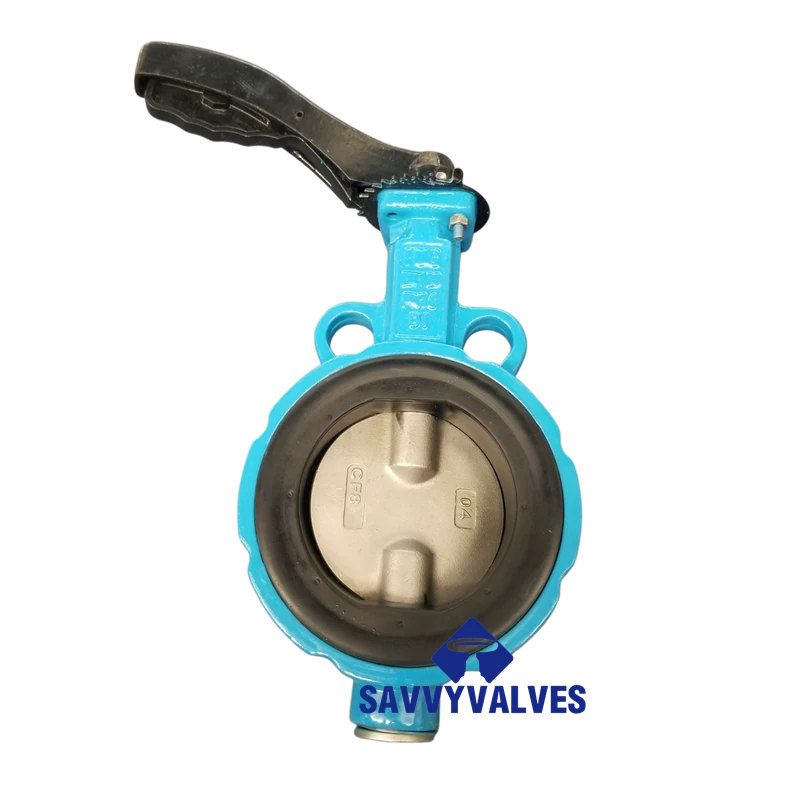
Let’s unpack this: “DN100” refers to a nominal diameter of 100 millimeters, the “PN16” marks its pressure rating at 16 bar (about 232 psi), and “butterfly valve” describes the mechanism — a circular disc that rotates to regulate flow, somewhat like a throttle in a car. Essentially, the dn100 pn16 butterfly valve is a valve built to control medium-pressure flow in pipelines roughly four inches in diameter.
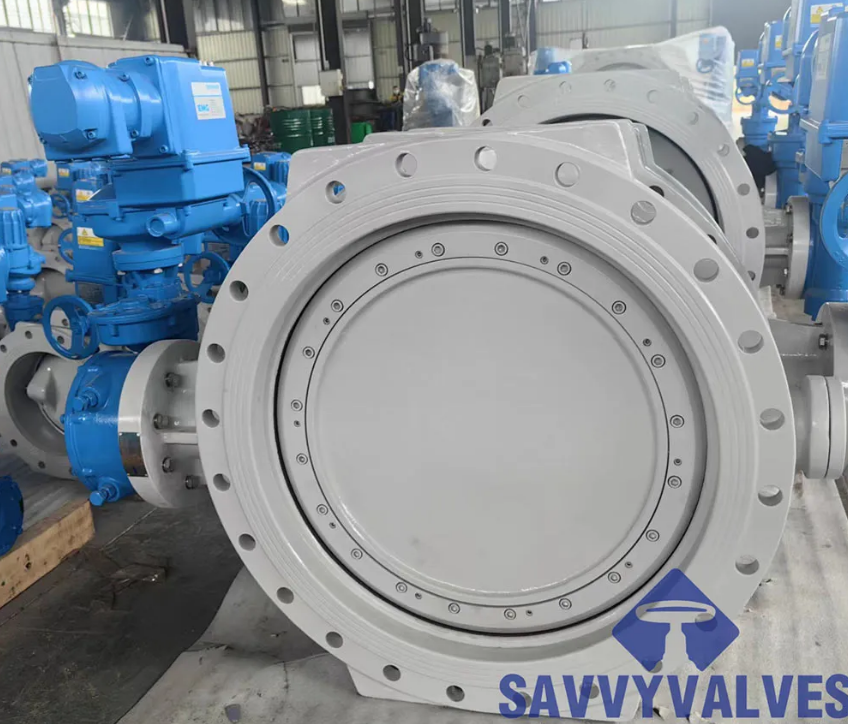
This type of valve is prized for its simplicity and compact design. Unlike bulky gate valves, butterfly valves are lighter, require less space, and allow for quicker operation. They frequently pop up in modern systems needing reliable shut-off or flow control, whether it’s municipal water, oil and gas, or even humanitarian water distribution in remote areas.
Mini Takeaway:
The DN100 PN16 Butterfly Valve is a standardized valve that balances size, pressure capacity, and ease of use, making it a go-to solution globally for mid-sized water and fluid control needs.
What Makes Up a DN100 PN16 Butterfly Valve? Key Components Explained
1. Durable Body Construction
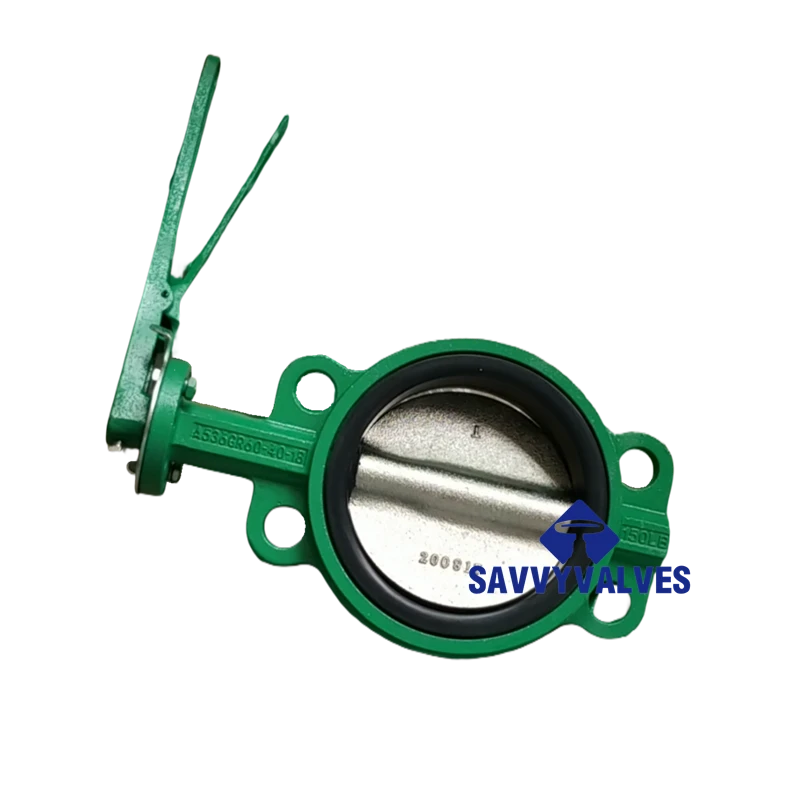
Typically cast from ductile iron or stainless steel, the valve’s body needs to withstand corrosion, high pressure, and sometimes aggressive fluids. Materials must balance toughness with affordability — ductile iron often hits that sweet spot.
2. The Disc
The butterfly disc is the heart of the valve, rotating 90 degrees to open or shut the flow. Precision machining here ensures smooth operation and minimal leakage.
3. Seat Material
Sealing rings made from EPDM, NBR, or PTFE provide leak-tight closure. Choice here impacts compatibility with chemicals and temperature ranges.
4. Stem and Bearings
The stem connects the disc to the actuator or handle. High-grade stainless steel stems resist wear, while self-lubricating bearings help lower friction, extending valve life.
5. Actuator Interface
Whether manual lever, gearbox, pneumatic, or electric actuator, the interface must ensure smooth, reliable operation tailored to specific plant automation needs.
Mini Takeaway:
The DN100 PN16 valve blends material science and mechanical engineering to deliver robust performance for diverse applications.
Global Applications: Where and How These Valves Make a Difference
From sunny California water treatment plants to oil rigs off the coast of Norway, dn100 pn16 butterfly valves get used in all kinds of environments. They’re especially common in:
- Municipal Water Systems: For distributing potable water, these valves aid in quick shut-offs during maintenance or emergencies.
- Industrial Processes: Chemical plants use them due to their resistance against corrosive materials.
- HVAC Systems: The valve’s compact size helps control chilled water flow efficiently.
- Disaster Relief Actions: NGOs deploying water purification units in flood zones rely on butterfly valves for their ease of installation and durability.
- Agriculture: Automated irrigation systems use PN16 valves for consistent pressure handling.
Oddly enough, the simplicity of these valves means they show up everywhere you don’t see — quietly doing their part in infrastructure resilience and sustainable resource management.
Advantages & Long-Term Value of the DN100 PN16 Butterfly Valve
- Cost Efficiency: Relatively low initial cost with minimal maintenance needs means better lifecycle economics.
- Compact Design: Saves space and allows fast installation in tight piping networks.
- Reliability: Proven performance under steady pressures up to 16 bar ensures dependable service.
- Sustainability: Reduced material use due to its simple, lightweight construction translates to a smaller carbon footprint during manufacture and transport.
- Safety: Positive shutoff reduces leakage risks, critical for hazardous fluid transport.
But this isn’t just “technical specs” talk — safety and sustainability touch lives. I mean, if a valve fails during an emergency water supply operation, the stakes are enormous. Having valves you can trust makes a difference even on the human side.
Product Specification Table
| Specification | DN100 PN16 Butterfly Valve |
|---|---|
| Nominal Diameter (DN) | 100 mm (4 inches) |
| Pressure Rating (PN) | 16 bar (232 psi) |
| Body Material | Ductile Iron / Stainless Steel |
| Disc Material | Stainless Steel / Nickel Alloy |
| Seat Material | EPDM / PTFE / NBR |
| Operation | Manual, Pneumatic, Electric |
| Temperature Range | -10°C to 120°C |
| Standards | ISO 5752, API 609, EN 593 |
Vendor Comparison: Choosing the Right Supplier
| Vendor | Material Options | Lead Time | Customization | Warranty |
|---|---|---|---|---|
| ValveCo Industries | Ductile Iron, Stainless Steel, Nickel Alloy | 4 weeks | Yes, seats & coatings | 2 years |
| Global Flows LLC | Ductile Iron, EPDM seat only | 6 weeks | Limited | 18 months |
| Precision Valves Ltd. | Stainless Steel, PTFE, NBR options | 3 weeks | Yes, full customization | 3 years |
Looking Ahead: Trends and Innovations in Butterfly Valve Technology
The valve industry isn’t stuck in a time warp; it’s quietly embracing digitalization and eco-conscious materials. Smart valves with embedded sensors allow remote monitoring of flow and pressure, feeding data straight into industrial IoT platforms to predict maintenance needs before something breaks. That’s a game-changer for industries running massive pipe networks.
Material science innovations also mean valves are becoming lighter, more corrosion resistant, and compliant with green standards. For example, bio-based polymer seats replace traditional rubbers to reduce environmental impact. I noticed more OEMs emphasizing recyclability today, which feels right for long-term sustainability.
Common Challenges and How to Overcome Them
Despite their simplicity, butterfly valves face hurdles such as:
- Seat Wear: Frequent operation at higher pressures can degrade sealing surfaces faster than expected.
- Corrosion Risks: Especially in aggressive chemical environments, materials must be carefully selected.
- Actuator Compatibility: Integrating with existing actuator systems sometimes demands customization.
Experts often recommend routine inspections, choosing premium seat materials, and modular designs allowing quick part swaps to extend valve lifespan and reduce delays. These practical tips can save a headache or two when you’re deep in the field.
Frequently Asked Questions About DN100 PN16 Butterfly Valves
- Q1: What applications are best suited for a DN100 PN16 butterfly valve?
- A DN100 PN16 butterfly valve is ideal for controlling water, wastewater, and non-corrosive fluids in mid-sized piping systems, especially where space-saving and cost-effectiveness are priorities. HVAC, irrigation, and chemical process industries make good use of this valve size and pressure class.
- Q2: How often should the valve seats be inspected or replaced?
- Inspection intervals depend on fluid corrosiveness and usage frequency but generally occur every 6 to 12 months in industrial settings. Replacement timing varies, but early signs of leakage or wear should trigger maintenance to avoid unexpected downtime.
- Q3: Can I automate a DN100 PN16 butterfly valve?
- Absolutely. These valves are compatible with a wide range of actuators—manual, electric, pneumatic, even smart IoT-enabled models—to integrate with automated flow control and monitoring systems.
- Q4: Are butterfly valves suitable for high-temperature applications?
- Most DN100 PN16 butterfly valves are rated for temperatures up to around 120°C. For higher temperatures, choose valve materials and seat seals specifically rated for thermal resistance.
- Q5: How do I ensure I’m buying a quality valve?
- Look for manufacturers adhering to international standards like ISO 5752, API 609, and require traceability on materials. Vendor reputation, warranty period, and availability of custom options matter too.
In Closing: Why Investing in the Right Butterfly Valve Matters
It’s a bit like that old saying: “The devil’s in the details.” Spending time understanding the DN100 PN16 butterfly valve nomenclature, specifications, and applications can save project teams time, money, and frustration. Beyond that, these valves play a quiet but vital role in delivering safe drinking water, efficient industrial processes, and resilient infrastructure worldwide.
If you’re looking to explore your options or get expert advice on incorporating these valves into your systems, I highly suggest visiting Savvy Valve Tech. Their lineup covers everything from basic models to cutting-edge automation-ready valves — with certified quality and global shipping.


 English
  Arabic
  Azerbaijani
  Czech
Czech  Dutch
Dutch  French
  German
  Indonesian
  Italian
  Japanese
  Korean
  Malay
Malay  Persian
  Polish
  Portuguese
  Russian
  Spanish
  Thai
Thai  Vietnamese