
Understanding the DN100 Butterfly Valve: A Global Perspective
At first blush, a dn100 butterfly valve might sound like just another piece of industrial jargon, but it’s actually a small hero in the grand scheme of global infrastructure and industry. This valve size, DN100 (meaning nominal diameter of 100 millimeters), is a standard bearer worldwide, facilitating crucial fluid control in systems ranging from water treatment to power generation. Knowing what it is and why it matters has ripples far beyond a factory floor — it’s about safety, efficiency, and even sustainability across industries.
Why should we care? Well, according to the International Organization for Standardization (ISO 5208), valve integrity is foundational for safe and efficient fluid handling worldwide. The butterfly valve’s compact, reliable design lends itself well to various fluid applications that keep cities and industries running smoothly. Without it, managing pipelines, chemical processes, or HVAC systems would be more cumbersome and costly.
Mini takeaway: The DN100 butterfly valve quietly powers essential systems globally, balancing efficiency with ease of use.
The Global Importance of DN100 Butterfly Valves
Worldwide, industries rely on valves to maintain control over flow, pressure, and safety in pipes transporting liquids and gases. According to the United Nations’ report on sustainable infrastructure, infrastructure failures — including faulty valves — can cost economies up to 5% of their GDP annually. That’s staggering. In a sector where downtime equates to serious losses, valve reliability is non-negotiable.
The DN100 butterfly valve often addresses challenges of space, cost, and rapid deployment. For instance, in developing regions, water sanitation projects hinge on valves that can be installed quickly and maintained easily, ensuring clean water reaches vulnerable populations. In more mature industrial hubs, these valves enable precision flow control with minimal pressure drops — saving energy and money.
Oddly enough, while DN100 butterfly valves are a staple in heavy industries, they also play a less obvious role in humanitarian contexts — disaster relief water purification setups often rely on them. This is a valve that somewhat transcends boundaries and applications, which is pretty neat when you think about it.
So, What Exactly Is a DN100 Butterfly Valve?
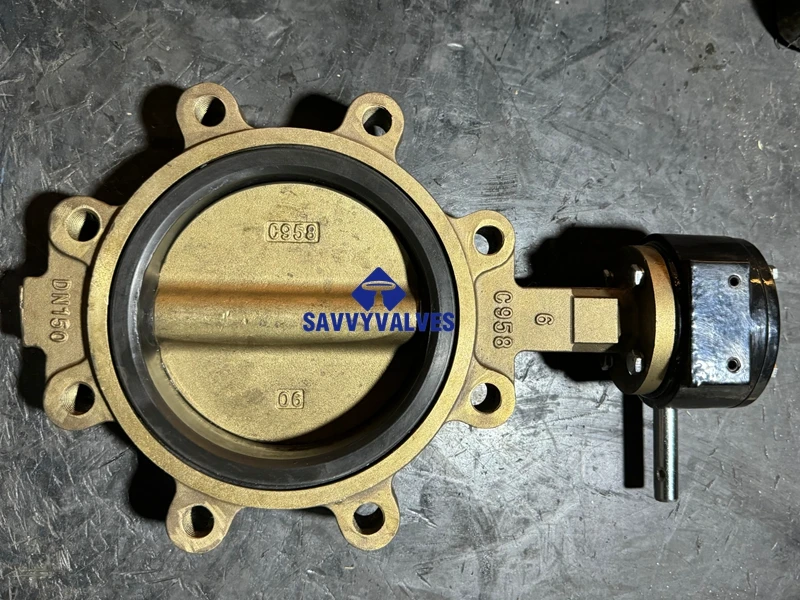
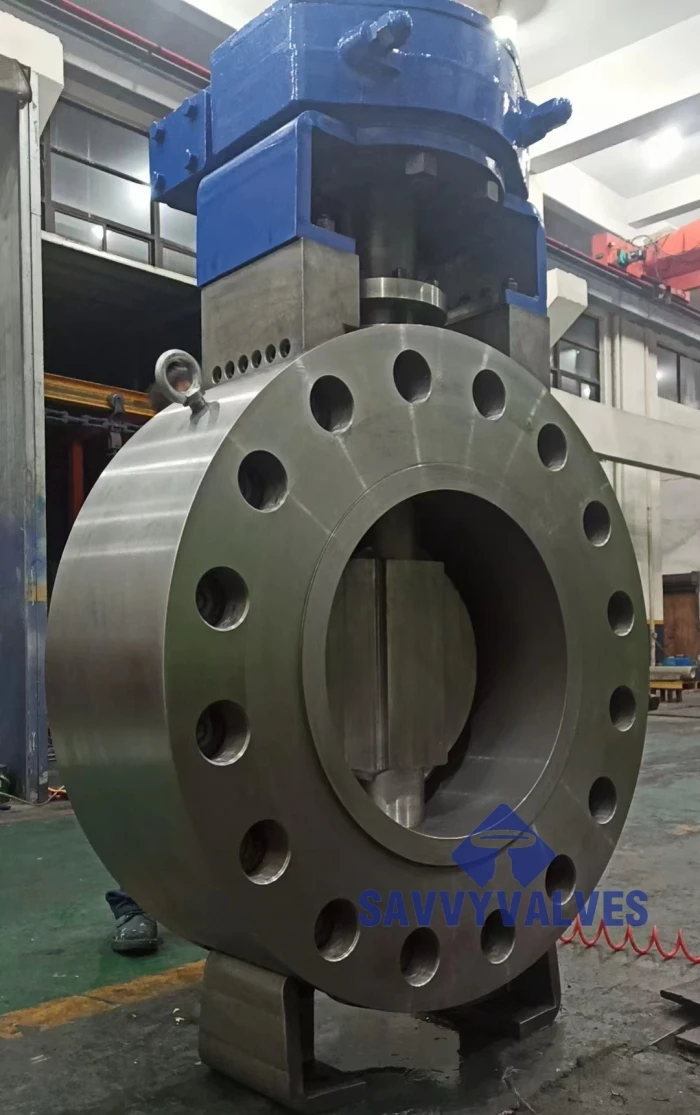
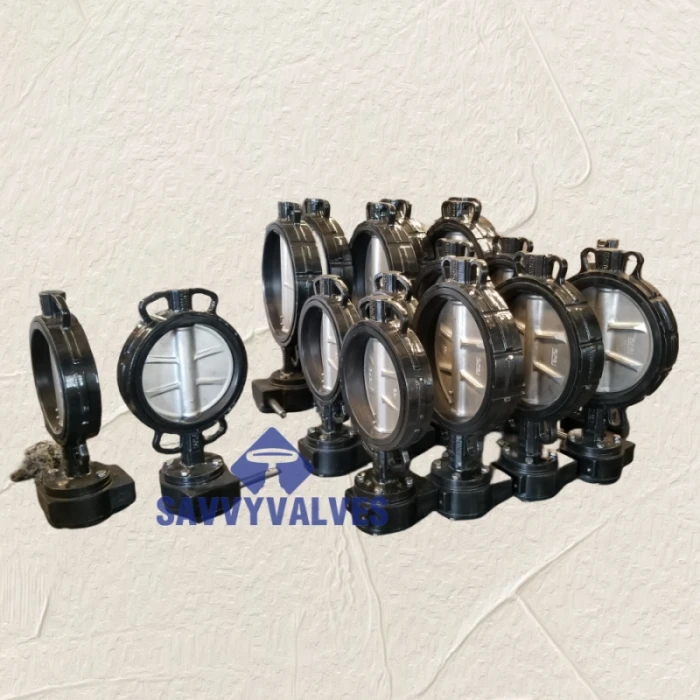
Simply put, a DN100 butterfly valve is a quarter-turn valve used to regulate or isolate fluid flow in a piping system, sized for a nominal pipe diameter of 100 mm (about 4 inches). The “butterfly” part comes from the disc that pivots on a shaft inside the valve body, opening or closing the passage like a wing flapping.
What distinguishes it? The straightforward, compact design means few moving parts, lighter weight, and often faster operation compared to gate or globe valves. These valves are frequently found in water distribution, wastewater treatment, HVAC, and even food processing sectors due to their versatility and ease of cleaning.
Mini takeaway: The DN100 butterfly valve is a simple, efficient, and flexible valve design that fits right in a wide range of industrial and humanitarian needs.
Key Features of DN100 Butterfly Valves
Durability and Materials
Materials range from cast iron and ductile iron to stainless steel and even specialized polymers for corrosive environments. For DN100 valves, roughly 60-70% of applications prefer ductile iron variants for their balance of strength and cost. Some engineers share that in chemically aggressive settings, stainless steel or lined discs extend valve lifespan significantly.
Cost Efficiency
Compared to other valves, butterfly valves are often the most budget-friendly for mid-range diameters like DN100. Less metal, fewer parts mean lower manufacturing and maintenance costs. It feels like buying a reliable pair of shoes instead of trendy ones that’ll wear out fast — practical in real terms.
Compact Design & Weight
DN100 butterfly valves weigh substantially less than comparable gate valves, making them easier to install or swap in tight spaces. This advantage can be crucial in retrofit projects or mobile setups like temporary pipelines on construction sites.
Flow Control Precision
While not ideal for ultra-fine flow adjustments, butterfly valves provide decent throttling capabilities for DN100 sizes, ensuring operational flexibility without excessive complexity.
Maintenance Simplicity
Seals and discs are designed for straightforward replacement. Many operators report reduced downtime thanks to user-friendly maintenance steps — no deep dives or complex tools required.
DN100 Butterfly Valves in Action Around the Globe
From the vast irrigation schemes in Australian agriculture to the massive waterworks of European cities, DN100 butterfly valves are ubiquitous. For example, during the 2020 floods in Southeast Asia, emergency teams used mobile water treatment units fitted with these valves to quickly restore potable water supplies.
In industrial hubs like Germany’s chemical plants or the U.S.’s energy sector, these valves regulate flows in cooling, chemical delivery, and steam lines. Even in the Arctic, where equipment must resist freezing and corrosion, specifically adapted DN100 valves maintain pipeline integrity.
Mini takeaway: The DN100 butterfly valve is a workhorse valve with a global footprint, adaptable from disaster relief to high-end industry.
Advantages and Long-Term Value of DN100 Butterfly Valves
- Cost-effective: Affordable upfront investment with low long-term maintenance costs.
- Reliable: Proven technology with decades of application experience.
- Environmentally Friendly: Lightweight, durable valves reduce material consumption.
- Safety: Positive shutoff reduces leakage risk, protecting both people and environment.
- Easy integration: Compatible with many piping standards, including ISO and ANSI norms.
Emotionally, operators often trust these valves for the peace of mind they provide — a valve failure isn't just a technical issue; it could mean contamination, downtime, or costly repairs. The DN100 butterfly valve strikes a balance of innovation and simplicity that’s hard to beat.
Product Specification Table: Typical DN100 Butterfly Valve Features
| Specification | Details |
|---|---|
| Nominal Diameter | 100 mm (4 inch) |
| Body Material | Ductile Iron / Stainless Steel |
| Disc Material | Stainless Steel / Coated Aluminum |
| Pressure Rating | PN10 to PN16 (depends on model) |
| End Connection | Wafer / Lug |
| Operating Temperature | -10°C to 120°C (varies) |
| Actuation | Manual Lever / Gearbox / Pneumatic |
| Standards | ISO 5752, API 609, EN 593 |
Vendor Comparison: Selecting the Right DN100 Butterfly Valve Supplier
| Criteria | Vendor A | Vendor B | Vendor C |
|---|---|---|---|
| Material Options | Iron, Stainless | Iron only | Stainless & Coated |
| Lead Time | 3 weeks | 2 weeks | 4 weeks |
| Price Range (USD) | $150 - $250 | $130 - $200 | $180 - $280 |
| Warranty | 2 years | 1 year | 3 years |
| Certifications | ISO 9001, CE | ISO 9001 | ISO, CE, API |
Looking Ahead: Future Trends in DN100 Butterfly Valve Technology
With the push toward green energy and smarter infrastructure, butterfly valves are also evolving. Digitalization comes into play through integration with remote sensors and automation protocols, enabling real-time flow monitoring and predictive maintenance. Many valve manufacturers are experimenting with new coatings to improve corrosion resistance and reduce friction, thereby extending service life.
On the sustainability front, manufacturers aim to reduce the environmental footprint by using recycled materials or bioplastics for seals. Furthermore, the rise of additive manufacturing means more customized valve designs at faster turnaround speeds.
Common Challenges and How to Overcome Them
DN100 butterfly valves, while robust, aren't without challenges. Seal wear and leakage can plague operations if not chosen carefully for the specific media being controlled. Some environments demand special coatings or materials to resist erosion or chemical attack — one-size rarely fits all.
Expert engineers often recommend rigorous testing in simulated conditions and partnering with reputable suppliers to ensure correct specification. Proactive maintenance schedules and fast-acting spare parts supply chains also go a long way to minimize downtime.
FAQ: Your DN100 Butterfly Valve Questions Answered
- Q: What is the main difference between wafer and lug type DN100 butterfly valves?
- A: Wafer type valves are sandwiched between two flanges and held by bolts passing through the flanges, best for applications where removal from the pipeline isn't frequently required. Lug type valves have threaded inserts allowing one side to be removed without disturbing the other for easier maintenance.
- Q: Can a DN100 butterfly valve be used for throttling flow?
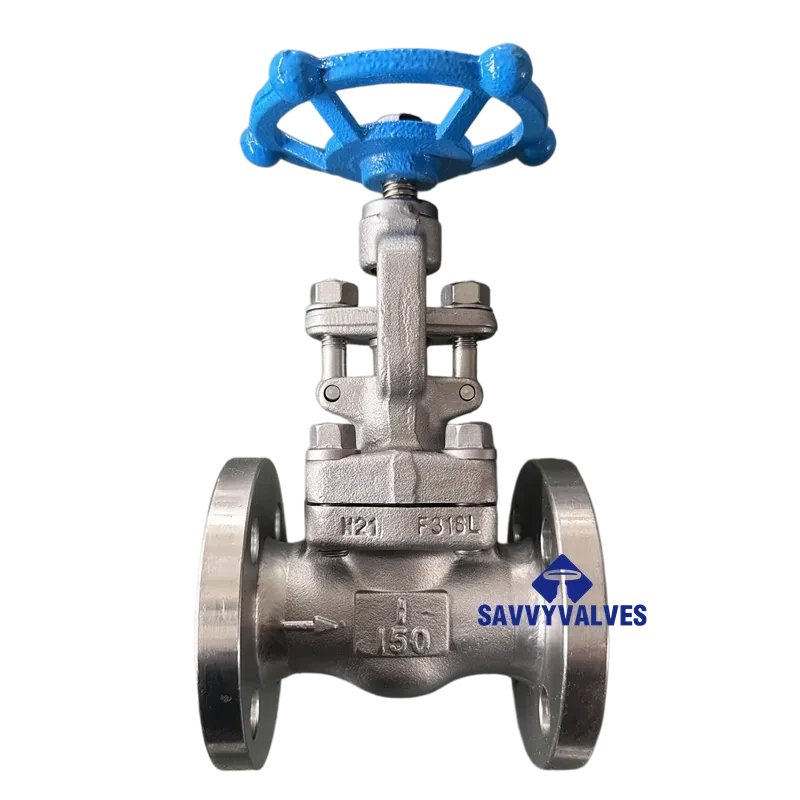
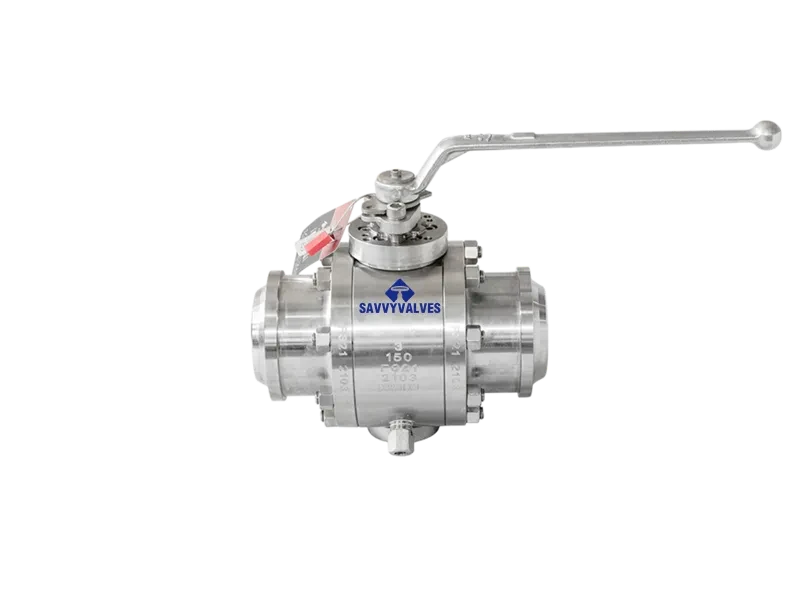
- A: Yes, to an extent. While butterfly valves provide rough throttling control, they're not as precise as globe valves or ball valves for very fine flow adjustments.
- Q: How important is material selection for DN100 butterfly valves?
- A: Crucial. The valve material must resist the process fluid and operating conditions such as pressure and temperature. Incorrect material choice can lead to premature failure.
- Q: Are DN100 butterfly valves standardized globally?
- A: Generally yes. Most butterfly valves adhere to international standards like ISO 5752 and API 609, ensuring dimensional and functional compatibility worldwide.
Final Thoughts: Why DN100 Butterfly Valves Still Matter
In a world moving toward smarter, more sustainable infrastructure, the dn100 butterfly valve remains a trusty cornerstone. It’s a solution that combines economy, simplicity, and adaptability — qualities that industries across continents rely on daily.
If you’re in the market for dependable valves that won’t just do the job but keep doing it well into the future, DN100 butterfly valves deserve a serious look. Curious to learn more or ready to upgrade? Visit us at Savvy Valve Tech — explore product ranges, certifications, and expert advice tailored just for you.
Until then, keep things flowing smoothly out there.
References:


 English
  Arabic
  Azerbaijani
  Czech
Czech  Dutch
Dutch  French
  German
  Indonesian
  Italian
  Japanese
  Korean
  Malay
Malay  Persian
  Polish
  Portuguese
  Russian
  Spanish
  Thai
Thai  Vietnamese