
The Cryogenic Butterfly Valve: A Silent Hero in Modern Industry
At first glance, a cryogenic butterfly valve might not sound as exciting as a self-driving car or solar panel breakthrough. Yet, these valves quietly undergird so many global operations — from liquefied natural gas (LNG) transport to space exploration fuel lines. They’re a fascinating fusion of simplicity and precision, designed to operate at insanely low temperatures where most materials would simply crack or seize up.
Understanding these valves is no small matter because their proper function literally means keeping energy flowing, ensuring safety, and reducing environmental impact worldwide. Their role grows with expanding clean energy and industrial needs. Don’t underestimate their power — it’s a niche that touches billions of lives indirectly, from heating homes to fueling hospital equipment.
Why The World Needs Cryogenic Butterfly Valves
According to the International Energy Agency, the global demand for LNG grew by nearly 10% per year prior to 2023, driven primarily by Asia-Pacific and Europe’s drive to shift to cleaner fuels. But LNG and liquid oxygen — things that keep modern infrastructure alive — need extreme cold handling, often below -150°C. Just imagine a faucet that must open and close flawlessly under such frigid conditions without freezing, warping, or leaking — that’s where cryogenic butterfly valves come in.
Problems arise when valves fail in these harsh conditions: safety hazards, expensive downtime, and even environmental disasters can follow. The cryogenic butterfly valve addresses these challenges, enabling industries worldwide to handle extreme temperatures safely and efficiently, from petrochemical plants in the Middle East to Arctic research stations.
What Exactly is a Cryogenic Butterfly Valve?
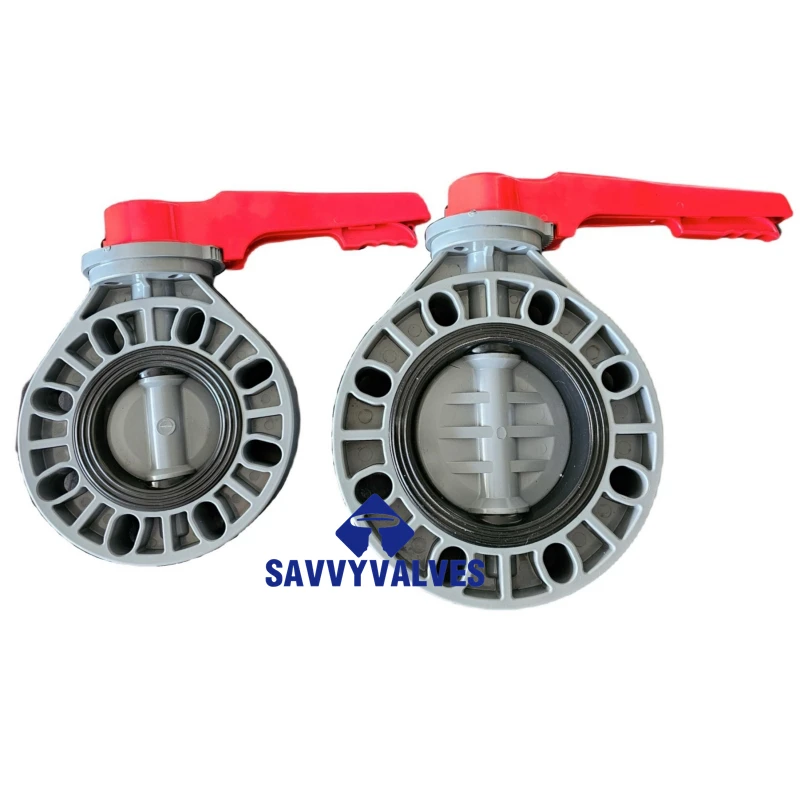
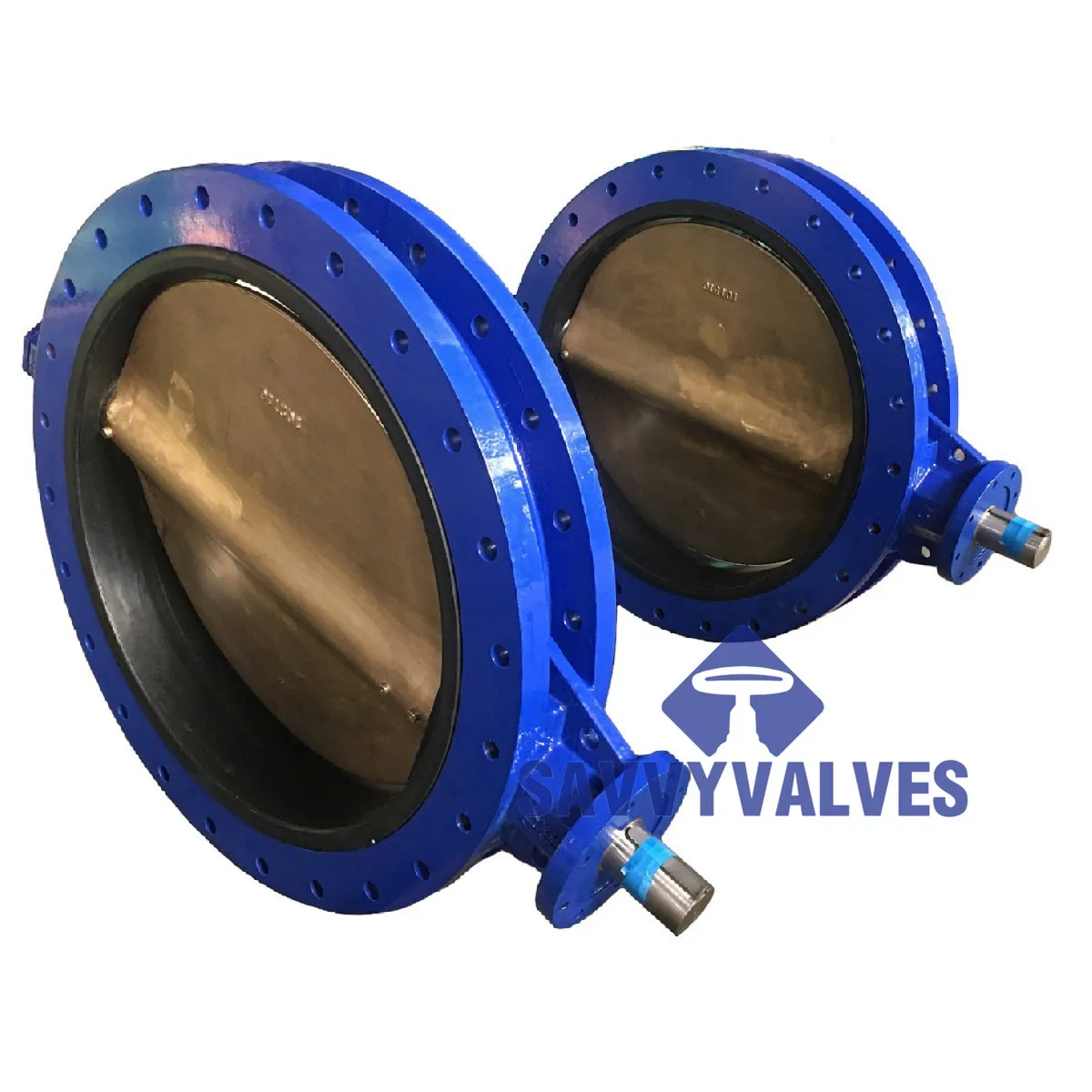
Simply put, a cryogenic butterfly valve is a specialized valve designed to control the flow of fluids at extremely low temperatures. The “butterfly” refers to the disc inside the valve that rotates to open or close flow. Unlike ball valves or gate valves, butterfly valves offer compact design, quick operation, and less maintenance — all while being tuned for cryogenic conditions.
These valves are critical in modern industries requiring thermal stability and robust chemical resistance, like aerospace fueling, LNG transport, and medical gas supply chains. They are often lined or made with materials like stainless steel, aluminum, and special polymers to withstand temperature shocks without losing integrity.
Core Components & Why They Matter
Durability & Material Selection
Since cryogenic butterfly valves face temperatures nearing -196°C (-321°F), the materials must avoid brittleness and cracking. Engineers mostly rely on 316 stainless steel or nickel alloys with polymer seals that remain flexible. Proper metallurgy isn't just about strength but avoiding failures under thermal cycling.
Seal Design & Leak-Tight Operation
Leaks at cryogenic temperatures can cause significant safety risks — say, spilling liquefied gas or oxygen. Valves typically use resilient elastomeric or PTFE seals specially selected for cold resistance. Some designs feature double-sealed discs and body seals to enhance safety margins.
Compactness & Weight
Compared to bulkier valve types, a butterfly valve’s disk-only design reduces weight and assembly complexity, a real plus for offshore platforms and mobile industrial setups.
Ease of Automation & Control
Many modern cryogenic butterfly valves pair with electric or pneumatic actuators, offering remote operation capabilities, critical in hazardous environments or space-restricted installations.
Cost Efficiency in Long-Term Use
While initial costs may be higher due to specialized materials, the valves’ long life and low maintenance balance expenses over time. Also, minimal downtime and reliable sealing reduce indirect costs—a big factor in large infrastructure.
Mini takeaway: These valves are marvels of engineering where toughness meets precision, balancing cost and reliability in ice-cold applications.
Worldwide Applications & Real-World Examples
- LNG Storage & Transport: In Qatar and Australia, massive LNG shipping infrastructure depends heavily on cryogenic butterfly valves to maintain safe handling during liquefaction and regasification.
- Medical Gas Supply: Hospitals globally, like those in Germany and Japan, rely on these valves in securing oxygen and nitrogen supply lines—especially intensified during the COVID-19 crisis.
- Space Exploration: NASA and ESA use butterfly valves designed for cryogenic rocket fuels, ensuring safe propulsion system startups.
- Industrial Cold Storage: Food processing plants in North America and Europe use these valves to maintain ultra-low temperatures in frozen storage facilities.
In all these uses, the valve’s reliability and precision can be the difference between smooth operational days or emergency shutdowns. It’s global industrial connective tissue you rarely think about but always need.
Advantages & The Long-Term Value of Cryogenic Butterfly Valves
They might not win style awards, but these valves excel in:
- Reliability: Low failure rates, minimal leakage, and stable operations over thousands of cycles.
- Cost-savings: Less maintenance downtime equals significant operational savings.
- Sustainability: Preventing fluid leaks means less environmental impact and supports green energy applications.
- Safety & Trust: Their predictable performance builds confidence among operators—which is priceless.
Frankly, it feels like these valves offer peace of mind. When a device withstands brutal cold, you feel that reliability reaches beyond just machines — it touches human dignity, especially where energy access is literally life-saving.
Product Specification Table
| Feature | Specification |
|---|---|
| Temperature Range | -196°C to +80°C (-321°F to +176°F) |
| Body Material | 316 Stainless Steel / Nickel Alloy |
| Seal Type | PTFE or Cryogenic-rated Elastomers |
| Pressure Rating | Up to 100 bar (1450 psi) |
| End Connections | Wafer, Lug, Double Flanged |
| Actuation | Manual / Pneumatic / Electric Automatons |
Comparing Top Cryogenic Butterfly Valve Vendors
| Vendor | Material Quality | Price Range | Lead Time | Customization Options |
|---|---|---|---|---|
| CryoFlow Inc. | Premium 316SS with Ni Alloy | $$$ | 6–8 weeks | Wide range of seals & actuators |
| PolarValve Systems | Standard 304/316SS | $$ | 4–6 weeks | Basic actuator options |
| GlacierTech Valves | High-grade Nickel alloy | $$$$ | 8–12 weeks | Full custom & rapid prototyping |
Future Trends: What’s Next for Cryogenic Butterfly Valves?
One of the most exciting trends concerns materials innovation. Carbon-fiber reinforced components and new polymer blends are pushing cryogenic resilience further. More valves are integrating IoT smart sensors allowing real-time monitoring of seal integrity and position — drastically improving predictive maintenance schedules.
Plus, as green hydrogen gains traction, valves are being qualified with zero-leakage standards to handle highly reactive gases. The push for digital transformation means actuators increasingly offer remote diagnostics and integration with plant-wide control systems.
Overcoming Challenges in the Field
Despite all the advances, some issues remain. Thermal stress can still cause micro-cracks over time, and improper installation sometimes leads to pinched seals or misalignment.
Experts suggest rigorous material testing and frequent operator training to reduce such risks. Emerging additive manufacturing techniques might also reduce defects, enabling lightweight valves with complex geometries tailored for specific applications.
FAQ: Quick Questions on Cryogenic Butterfly Valves
- What temperatures can cryogenic butterfly valves reliably handle?
- Generally, these valves operate safely down to -196°C (-321°F), the boiling point of liquid nitrogen. Design and material selection ensure valves don’t fail under repeated thermal cycling at these extremes.
- Are cryogenic butterfly valves suitable for automated plant control?
- Yes, many models come with electric or pneumatic actuators compatible with SCADA or DCS systems, allowing remote and precise operation in hazardous areas.
- How do you maintain a cryogenic butterfly valve?
- Maintenance focuses on periodic inspection of seals, actuator function, and valve alignment. Modern valves often have diagnostic features that help predict when maintenance is due.
- Can these valves be customized for specific industrial fluids?
- Absolutely. Vendors frequently offer customized seals and coatings to handle corrosive or ultra-pure fluids, adapting designs for particular chemical properties.
Bringing It All Together
So, what’s the real long-term value of a cryogenic butterfly valve? It’s a quietly heroic component ensuring flow, safety, and efficiency in industries vital to modern life. From the LNG terminals fueling cities to the oxygen pipelines saving lives, these valves support the backbone of our energy and health infrastructures.
For engineers, plant managers, or buyers on the hunt for reliable cryogenic valve solutions, keeping up with the latest product designs and vendors can mean better performance and peace of mind.
Visit our website at https://www.savvyvalvetech.com to explore the latest in cryogenic butterfly valve technology and discover how you can benefit.
Mini Reflection:
Oddly, the more we push technology into extreme environments, the more we lean on humble solutions like the butterfly valve — a reminder that sometimes, elegance lies in simplicity paired with smart engineering.


 English
  Arabic
  Azerbaijani
  Czech
Czech  Dutch
Dutch  French
  German
  Indonesian
  Italian
  Japanese
  Korean
  Malay
Malay  Persian
  Polish
  Portuguese
  Russian
  Spanish
  Thai
Thai  Vietnamese