
Understanding Worm Gear Operated Butterfly Valves: A Vital Component in Industrial Flow Control
We often overlook the humble valve, yet in industries worldwide, these essential devices control the flow of liquids and gases that keep everything running—from water treatment plants to power generation. A worm gear operated butterfly valve is a cornerstone of this system, blending precise control with durability. Why does it matter globally? Because as economies grow and infrastructure modernizes, the demand for efficient, reliable flow regulation intensifies. Understanding these valves means understanding a key piece of global industrial resilience and sustainability.
Introduction: The Global Landscape of Worm Gear Operated Butterfly Valves
Industries across continents rely on valves daily — according to the International Organization for Standardization (ISO), precise flow control directly impacts efficiency and safety in sectors like oil, gas, water, and pharmaceuticals. Oddly enough, the worm gear operated butterfly valve is particularly favored where space is tight and operational ease is mandatory. For instance, data from the UN’s Sustainable Development Goals emphasize water conservation efforts, where these valves minimize leaks and enhance system longevity. Conversely, many infrastructure setups struggle without reliable valve mechanisms; think of power plants facing shutdowns due to malfunctioning control parts.
In real terms, these valves solve a persistent industrial challenge: delivering fine-tuned flow control in environments that often demand robust operation and minimal maintenance.
What Is a Worm Gear Operated Butterfly Valve?
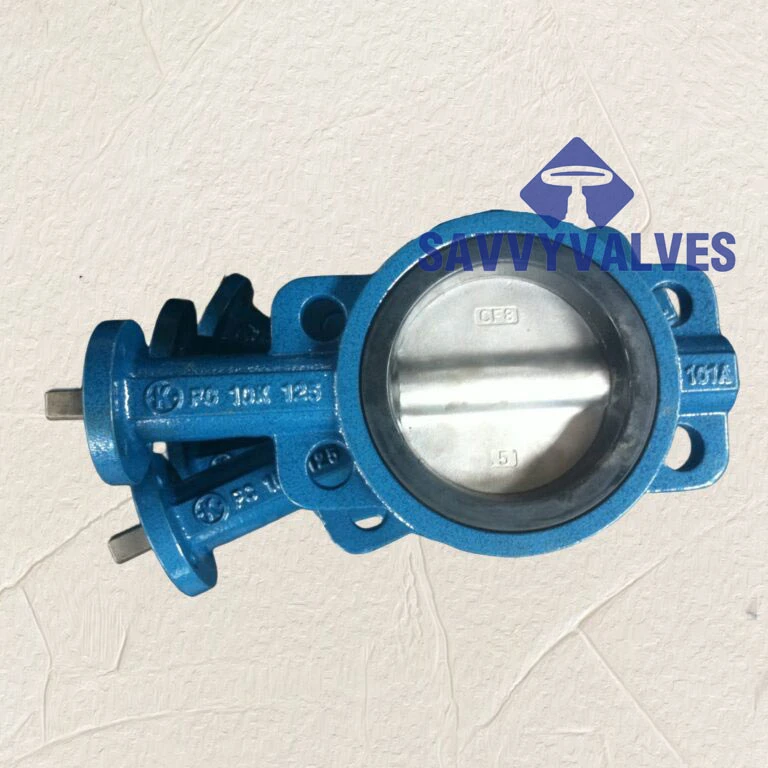
Simply put, it's a butterfly valve—which controls flow by rotating a disc inside a pipe—enhanced with a worm gear drive mechanism. That worm gear allows operators to turn the valve with minimal force while offering high torque and precise positioning. Unlike manual quarter-turn valves that may need brute strength, the worm gear offers smoother operation, especially useful when the valve size grows or the system pressure increases.
This design has become a staple in sectors where precision meets durability. In humanitarian terms, for example, water distribution systems in remote or disaster-stricken areas benefit from valves that are easily operable but require less upkeep—a critical balance between sophistication and ruggedness.
Core Components Driving Performance
Durability
Most worm gear butterfly valves are fashioned from stainless steel or ductile iron—with seals made of resilient elastomers. This mix resists corrosion and withstands high pressures, making them ideal for harsh environments. Think desalination plants or chemical factories where valves face aggressive fluids daily.
Precision Control
The worm gear mechanism translates minimal manual rotation into controlled valve disc movement. This facilitates fine adjustments—key in processes demanding nuanced flow rates or throttling capacity rather than just on/off control.
Compact Design
Despite delivering high torque, worm gear assemblies remain compact, saving valuable space—a crucial factor in crowded industrial facilities.
Cost Efficiency
While initially pricier than simpler actuators, the enhanced lifespan and reduced maintenance costs usually tip the scales in favor of worm gear valves long-term—a fact often highlighted by plant engineers.
| Specification | Detail |
|---|---|
| Valve Size Range | 2" to 36" (50mm to 900mm) |
| Body Materials | Ductile Iron, Stainless Steel, Carbon Steel |
| Seal Types | EPDM, Viton, PTFE |
| Pressure Rating | PN10 to PN25 (150 psi max) |
| Operating Temperature | -20°C to 180°C (-4°F to 356°F) |
Worldwide Applications & Real-World Examples
In water treatment hubs across Europe, these valves manage flow in tight filter systems where reliability is non-negotiable. In Asia’s burgeoning chemical industries, worm gear operated butterfly valves help regulate the movement of corrosive liquids safely. Oddly enough, NGOs working in Africa’s arid zones also lean on these valves in solar-powered irrigation projects, where precise water distribution can mean the difference between thriving crops and failed harvests.
- Post-Disaster Relief: Rapidly deployable water purification setups use these valves for operator-friendly control.
- Remote Industrial Sites: Oil fields and pipelines benefit from valves that don’t demand constant oversight—vital in inaccessible terrains.
- Urban Infrastructure: Municipal water plants depend on the compact footprint of worm gear valves to fit into legacy piping systems.
Mini takeaway: From disaster zones to industrial megastructures, worm gear operated butterfly valves quietly ensure operational success where every drop counts.
Advantages & Long-Term Value
It’s not just about functionality—these valves foster sustainability by reducing leakage and energy waste. Emotionally, plant operators trust their tactile feedback and resistance during operation, inciting confidence that maintenance cycles won’t come prematurely. Logically, companies see fewer shutdowns and lower repair bills. There’s dignity in knowing infrastructure holds strong under pressure, isn’t there?
Vendor Comparison: Key Players in the Supply Chain
| Vendor | Product Range | Price Position | Lead Time | Notable Strength |
|---|---|---|---|---|
| Savvy Valve Tech | Full range 2"–36" | Mid-range | 2–3 weeks | Custom sizing & fast support |
| Global Valve Corp | Limited to 24" | Premium | 4–5 weeks | Advanced materials & certifications |
| Industrial Valve Pros | Standard 2"–36" | Budget | 1–2 weeks | Rapid delivery, basic warranty |
Future Trends & Innovations
Looking ahead, the integration of smart technology with worm gear operated butterfly valves promises remote monitoring, predictive maintenance, and real-time flow analytics. Digital transformation in industries means valves could soon self-report wear or leakage, drastically reducing downtime.
Also, the push for greener solutions is prompting materials research towards bio-based seals and lighter, recyclable valve bodies. Frankly, it feels like valves might stay "just valves," but the turf keeps shifting beneath their discs.
Challenges & Solutions in Practice
One recurring challenge is wear and tear in abrasive or erosive environments, which may shorten valve life unexpectedly. Some installations complain about gear backlash—a slight looseness in the worm gear mechanism that affects positioning accuracy.
Experts recommend upgrading seals to abrasion-resistant compounds or implementing regular greasing schedules. For backlash, precision machining and selecting quality worm gear sets minimize the effect. It’s an ongoing balance between cost, performance, and environment.
FAQ: Worm Gear Operated Butterfly Valve Essentials
Q1: How does a worm gear operating mechanism improve valve control?
A1: The worm gear multiplies operator torque, allowing for precise, smooth valve disc rotation, especially useful for larger valves or high-pressure systems. This reduces operator fatigue and improves flow regulation accuracy.
Q2: Can worm gear operated butterfly valves be automated?
A2: Yes, many valves are compatible with electric or pneumatic actuators designed to work with worm gear assemblies, enabling remote or automatic flow adjustments.
Q3: What maintenance is required for worm gear operated valves?
A3: Periodic lubrication of the worm gear, inspection of seals for wear, and functional testing ensure long valve life and reliable operation.
Q4: Are these valves suitable for corrosive media?
A4: With proper material selection—like stainless steel bodies and PTFE seals—they can handle many corrosive substances but always consult manufacturer specs for compatibility.
Conclusion
The worm gear operated butterfly valve is more than a mechanical part; it’s a linchpin in securing efficient, sustainable flow control globally. Its mix of durability, precision, and adaptability ensures it will continue supporting industries and humanitarian projects alike, bridging old challenges with new innovations.
If you’re considering a valve solution that blends reliability and ease of operation, or want to explore the latest in valve tech, visit us at Savvy Valve Tech—we’re happy to help you optimize your operations.
Mini takeaway: The worm gear valve quietly balances strength, control, and longevity in systems that power modern life.
References:
1. Wikipedia: Butterfly Valve
2. ISO Standards on Valves
3. United Nations Sustainable Development Goals Report, 2023


 English
  Arabic
  Azerbaijani
  Czech
Czech  Dutch
Dutch  French
  German
  Indonesian
  Italian
  Japanese
  Korean
  Malay
Malay  Persian
  Polish
  Portuguese
  Russian
  Spanish
  Thai
Thai  Vietnamese