
Understanding the Hand Lever Butterfly Valve: A Small Device with a Big Impact
Valves might not make headlines every day, but the hand lever butterfly valve quietly powers many industries around the world. Think of it as a simple yet effective on/off switch for controlling fluid flow in pipelines — but with an engineering twist that lends great versatility. Understanding this valve type is more than an academic exercise; it’s about grasping a key component that enhances efficiency, safety, and sustainability in sectors ranging from water treatment to oil and gas.
The Global Importance of Hand Lever Butterfly Valves
Globally, infrastructure and resource management rely heavily on dependable flow control solutions. According to the International Organization for Standardization (ISO 5208:2015), valves like butterfly types must meet stringent leakage and durability standards, underscoring their critical role. Oddly enough, despite their low profile, these valves help billions of people access clean water, run factories safely, and maintain power systems.
But with rising environmental regulations and tighter safety demands, the need for reliable, easy-to-operate valves has never been higher. This is where the hand lever butterfly valve shines – simple manual operation combined with robust performance.
What Is a Hand Lever Butterfly Valve?
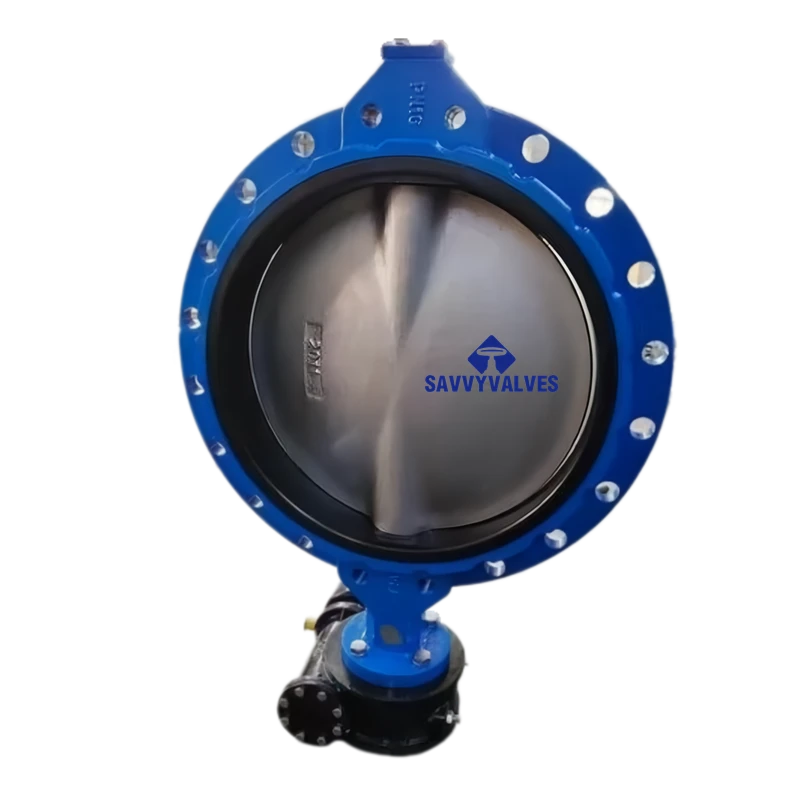
At its core, a hand lever butterfly valve is a quarter-turn valve used to regulate fluid flowing through a pipe. It operates by rotating a disc inside the valve body, controlled by a simple hand lever. This mechanism allows for quick shutoff or adjustment with minimal effort.
Essentially, it's a compact valve that fits snugly into pipelines, providing precise flow control without complicated automation or power needs. In humanitarian or remote industrial settings, this simplicity can mean the difference between smooth operations and costly delays.
Core Components and Key Factors
Durability
These valves are often crafted from resilient materials such as ductile iron, stainless steel, or carbon steel, sometimes featuring EPDM or PTFE seals for chemical resistance. Durability ensures long service life even in aggressive environments—think saline water or industrial chemicals.
Ease of Operation
The distinctive hand lever provides intuitive manual control. There's no need for electric actuators or complex systems, which is great when power supply is unstable or absent.
Cost Efficiency
Compared to other valve types like gate or globe valves, butterfly valves are more cost-effective for large diameter applications, saving companies money without sacrificing reliability.
Compactness and Weight
These valves are relatively lightweight and occupy less space, easing installation in constrained piping networks.
Maintenance Simplicity
The hand lever design allows for quick inspections and repairs on site, without specialized tools or training.
Product Specifications of a Typical Hand Lever Butterfly Valve
| Feature | Specification |
|---|---|
| Size Range | 2" to 36" (50 to 900 mm) |
| Pressure Rating | PN10 to PN25 (150 psi to 360 psi) |
| Materials | Ductile Iron Body, EPDM Seal, Stainless Steel Shaft |
| End Connections | Wafer or Lug Type |
| Operating Temp | -10°C to 120°C (14°F to 248°F) |
Hand lever butterfly valve specs vary by manufacturer and application, but the above gives a feel for industry norms.
Where and How Are Hand Lever Butterfly Valves Used Globally?
From Europe’s municipal water systems to oil fields in the Middle East, and from Asia’s chemical plants to African irrigation projects, these valves are everywhere. Notably:
- Water Treatment: Easy flow control and leak-tight sealing improves treatment efficiency and safety.
- Oil & Gas: Compact valves withstand harsh environments with high pressures and corrosive fluids.
- Agriculture and Irrigation: Manual operation suits remote areas where automation isn’t feasible.
- Industrial Plants: Quick shutoff valves aid in maintenance, minimizing downtime and accidents.
For example, in post-disaster relief operations, where infrastructure may be damaged and skilled labor scant, hand lever butterfly valves allow rapid restoration of water and fuel lines with minimal fuss. In remote industrial zones, their simple design helps avoid delays due to complex maintenance.
Vendor Comparison Table
| Brand | Material Options | Pressure Range | Warranty | Price Level |
|---|---|---|---|---|
| ValvesRUs | Ductile Iron, Stainless Steel | PN10 - PN25 | 5 years | Mid-Range |
| FlowControl Inc. | Carbon Steel, PTFE seals | PN6 - PN16 | 3 years | Budget |
| GlobalValve Co. | Stainless Steel Alloy 316 | PN10 - PN40 | 7 years | Premium |
The Long-Term Value of Hand Lever Butterfly Valves
In terms of tangible benefits, they offer reliability and longevity, which lead to lower maintenance costs. They’re also energy-neutral since no power source is required. On an emotional level, people working in remote or hazardous environments appreciate the trustworthiness of a valve that ‘just works’—no complicated training needed, which preserves dignity and safety. Plus, their compatibility with eco-friendly materials aligns well with increasing sustainability goals.
Emerging Trends: Innovations on the Horizon
Looking ahead, expect innovations around eco-conscious materials such as biodegradable seals, IoT-enabled position indicators for manual valves, and hybrid designs combining manual and automatic functionality. There's growing interest in valves that can integrate with digital monitoring systems even without electrical actuation, thanks to smart sensors powered by micro-energy harvesting.
Common Challenges and Solutions
Of course, hand lever butterfly valves aren’t flawless. One challenge is sometimes the manual operation can be physically demanding for very large valve sizes. Solutions include ergonomic lever designs and optional partial automation. Another is susceptibility to seal wear in extreme chemical environments—advanced polymer composites and routine inspections help here.
FAQ: Frequently Asked Questions About Hand Lever Butterfly Valves
Q: How do I choose the right size of hand lever butterfly valve for my pipeline?
A: Select a valve diameter matching the pipe size for full flow capacity without pressure drop. Consult pressure ratings and fluid compatibility to ensure safety and performance.
Q: Can hand lever butterfly valves be used in high-pressure industrial applications?
A: Yes, but verify the pressure rating (PN) of the valve corresponds to your system’s maximum pressure. For higher pressures, premium materials and seals may be needed.
Q: Are these valves suitable for corrosive fluids?
A: With proper materials like stainless steel and PTFE seals, hand lever butterfly valves can handle many corrosive fluids. Always confirm chemical compatibility with suppliers.
Q: How often should maintenance be performed on these valves?
A: Regular inspection intervals depend on usage but annually is typical. Check seals, lever function, and leaking to extend service life.
Q: Is manual operation practical for very large diameter valves?
A: For large valves, manual operation can be tough; consider lever extensions or semi-automated actuators to ease operation.
Conclusion
Ultimately, the hand lever butterfly valve embodies a blend of simplicity and strength—qualities crucial for global industries and humanitarian efforts alike. They offer reliable flow control that’s easy to operate, cost-effective, and increasingly sustainable. Whether maintaining municipal water lines or supporting remote industrial sites, these valves represent a small component with outsized impact. To explore more and find the best fit for your needs, visit https://www.savvyvalvetech.com.
Mini takeaway: Understanding the hand lever butterfly valve isn’t just valve nerd talk; it’s about appreciating a vital building block in global resource management and safety.
References:


 English
  Arabic
  Azerbaijani
  Czech
Czech  Dutch
Dutch  French
  German
  Indonesian
  Italian
  Japanese
  Korean
  Malay
Malay  Persian
  Polish
  Portuguese
  Russian
  Spanish
  Thai
Thai  Vietnamese