
Understanding Gear Operated Wafer Type Butterfly Valves: A Vital Component in Modern Industry
At first glance, a gear operated wafer type butterfly valve might sound like niche industrial jargon, but it’s actually a pivotal piece in countless critical systems worldwide. From water treatment plants to oil and gas pipelines, these compact valves control fluid flow efficiently and reliably. With global energy demands and infrastructure aging, understanding this valve’s function and benefits isn’t just engineer-speak — it’s about safer water, cleaner energy, and sustainable industry practices.
Global Industrial Relevance and Challenges
Industries worldwide depend heavily on valves for process control. According to the International Organization for Standardization (ISO), the valve market is projected to exceed $80 billion by 2025, fuelled by expanding infrastructure and energy sectors. Yet, challenges remain — many valves falter under harsh conditions, or their operation is inefficient, leading to energy waste and increased costs. The gear operated wafer type butterfly valve offers a robust, cost-effective solution to these issues.
One example? In many developing regions, water distribution systems lack valves that can reliably regulate pressure and prevent backflow, causing contamination risks. Engineers are now turning to these valves due to their simple design, durability, and easy maintenance.
Mini takeaway: This valve type is a practical answer to key global challenges in fluid control — from energy conservation to public health.What Is a Gear Operated Wafer Type Butterfly Valve?
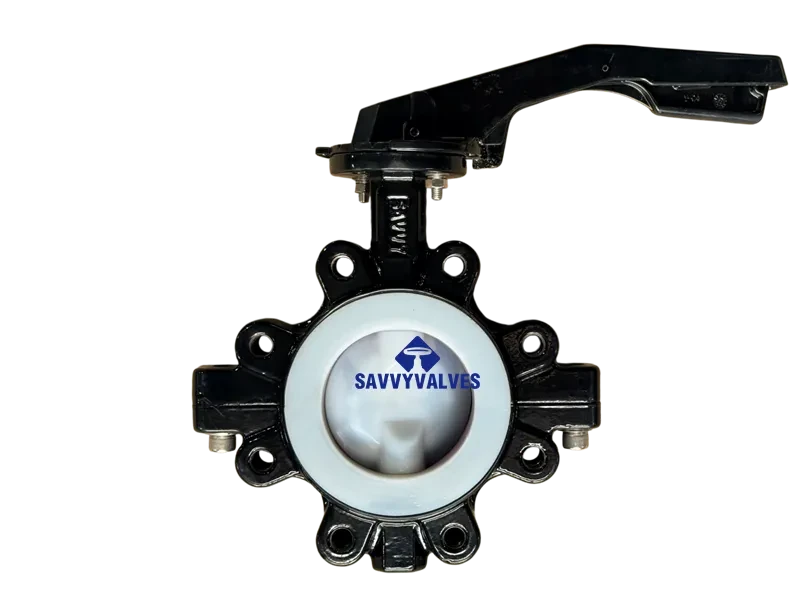
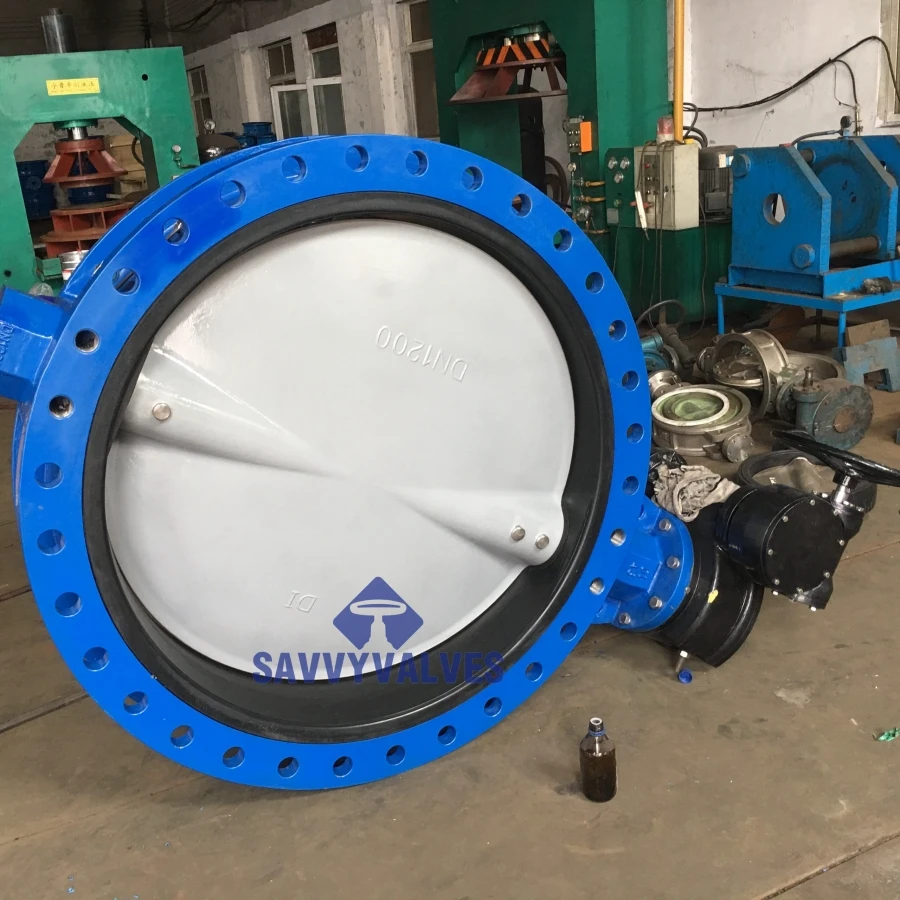
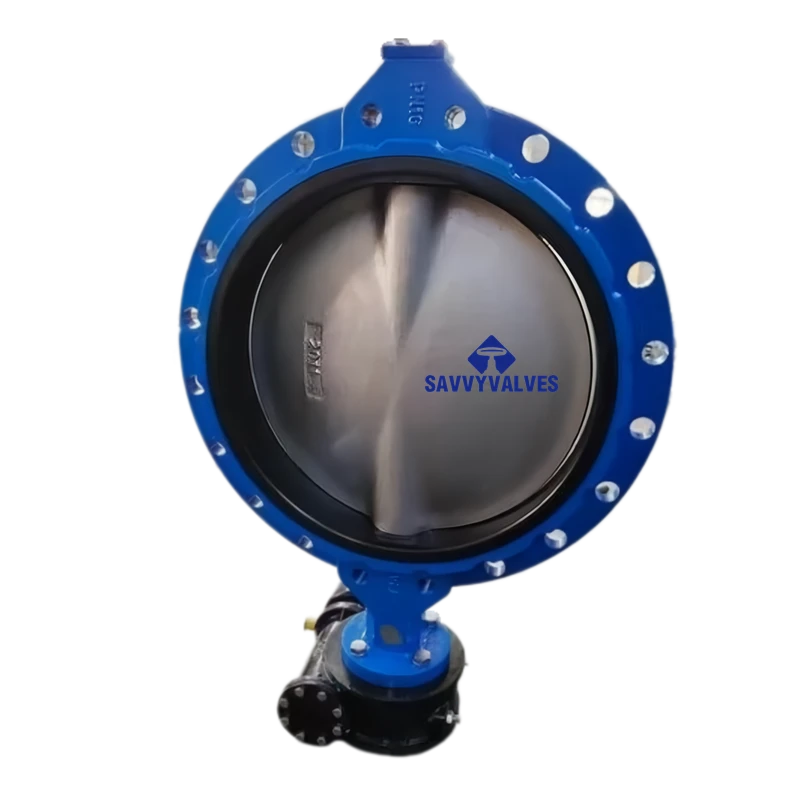
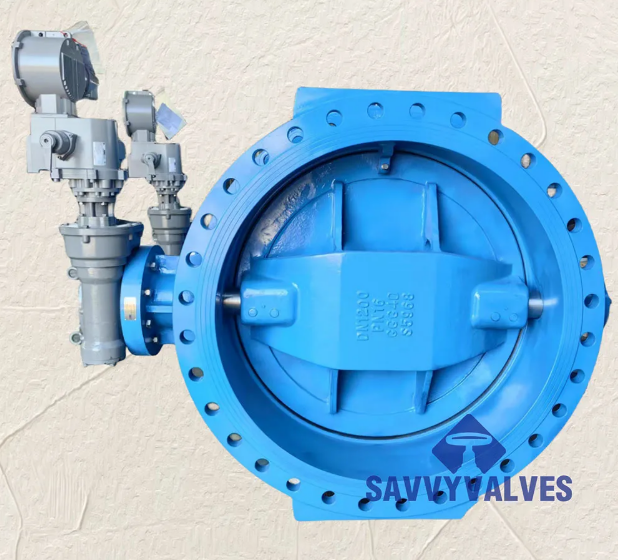
Simply put, a gear operated wafer type butterfly valve is a circular, disc-shaped valve installed between two pipe flanges (hence “wafer” type). Its disc rotates around a central shaft to regulate flow, and the gear operator enables smooth, reliable turning of the disc, allowing precise control without excessive manual effort. Compared to hand-operated valves, gear drives multiply torque, meaning larger valves or higher pressures can be handled easily.
In industries, these valves help maintain steady flow rates, prevent leakage, and enhance system safety. They’re essential in refining processes, water systems, HVAC, and even food-grade applications.
Mini takeaway: The gear operator makes controlling medium and large wafer type butterfly valves feasible and efficient — a simple yet ingenious design.Core Components & Key Factors
1. Durability and Material Selection
The valve body is commonly stainless steel or ductile iron for corrosion resistance. The disc typically includes resilient coatings or special alloys to endure abrasion and corrosive fluids.
2. Gear Mechanism and Torque Multiplication
The gear assembly, often made of hardened steel, multiplies the operator’s force, enabling controlled valve actuation even under high pressure. This reduces manual labor and improves safety.
3. Compact Wafer Design
This design installs snugly between pipe flanges without bulky additional parts, saving space and reducing complexity in pipe runs.
4. Sealing and Leakage Prevention
Reliability hinges on proper sealing. Rubber or elastomer seats ensure tight shutoff, preventing costly leaks and contamination.
5. Ease of Maintenance
Because the valve mechanism is accessible and modular, servicing or parts replacement rarely requires fully dismantling pipelines, minimizing downtime.
| Specification | Typical Values |
|---|---|
| Nominal Size | 2" to 48" |
| Pressure Rating | 150 to 300 PSI |
| Body Material | Ductile Iron, Stainless Steel |
| Seat Material | EPDM, PTFE, NBR |
| Gear Operator Material | Hardened Steel with Protective Coating |
Worldwide Applications and Use Cases
These valves are everywhere you might not think to look. In Europe and North America, municipal water and wastewater plants incorporate them extensively to manage water quality and flow. In oil-rich regions like the Middle East, their ability to handle high pressures and corrosive fluids makes them invaluable in refining and pipeline systems.
Oddly enough, in Southeast Asia’s remote industrial zones, these valves help maintain operational integrity despite challenging climates and irregular maintenance access. Humanitarian organizations even use them in field stations for clean water setups after natural disasters, where reliability and quick actuation are essential.
For a more direct dive learning how these valves integrate into broader system designs, check out gear operated wafer type butterfly valve resources.
Mini takeaway: From disaster zones to massive industrial plants, their versatility and robustness truly stand out globally.Advantages and Long-Term Value
- Cost Efficiency: Lower initial and maintenance costs relative to alternatives.
- Space-Saving: Compact wafer design fits easily in tight pipe runs.
- Reliability: Tight sealing reduces leaks and environmental risks.
- Safety: Reduces manual effort and improves control precision.
- Sustainability: Longer lifespan and leak prevention support environmental goals.
What strikes me most is the blend of emotional and logical benefits — safety for crews, dignity for communities relying on water systems, innovation for engineers pushing boundaries. It’s not just a valve; it’s a small hero in complex systems.
Emerging Trends and Innovations
The valve industry is embracing smarter tech. Expect future gear operated wafer type butterfly valves to integrate sensors for real-time flow monitoring, powered by IoT (Internet of Things) technology. This means predictive maintenance and quicker fault detection.
Material science breakthroughs are bringing lighter, stronger composites, improving corrosion resistance while cutting weight. In parallel, green energy initiatives drive demand for valves compatible with biogas and hydrogen pipelines.
Challenges and Practical Solutions
No technology is perfect. Challenges include occasional gear wear under extreme conditions and pressure limitations for some valve sizes. However, advances like self-lubricating bearings and reinforced gear teeth are mitigating these issues.
Proper installation remains critical. Teams trained in best practices drastically reduce failures. And frankly, selecting the right seat material for the fluid medium can be the difference between decades of smooth operation and premature replacement.
FAQ: Answers to Common Questions About Gear Operated Wafer Type Butterfly Valves
- What industries benefit most from gear operated wafer type butterfly valves?
- Water treatment, oil and gas, HVAC, chemical processing, and food production are top industries. Their versatility and reliability make them ideal for many fluid control needs.
- How does the gear operator improve valve performance?
- The gear mechanism multiplies force to open or close larger valves smoothly, enhancing safety and precision without the need for powerful actuators.
- Are wafer type butterfly valves easy to maintain?
- Yes. Their simple construction and accessibility mean routine servicing is straightforward, often without dismantling the pipeline.
- Can these valves handle corrosive fluids?
- With appropriate material selection, including stainless steel and special coatings, they can resist many corrosive environments effectively.
- Is it possible to automate these valves?
- Absolutely. Gear operators can be adapted for electric or pneumatic actuators, allowing integration into automated control systems.
Vendor Comparison: Leading Gear Operated Wafer Type Butterfly Valve Manufacturers
| Vendor | Material Options | Pressure Rating | Warranty | Notable Features |
|---|---|---|---|---|
| ValTech Industries | Stainless Steel, Ductile Iron | Up to 300 PSI | 5 Years | Eco-friendly coatings |
| FlowPro Solutions | Alloy Steel, PTFE-lined | Up to 250 PSI | 3 Years | Integrated sensor options |
| ValveSys Corp | Ductile Iron, Carbon Steel | Up to 350 PSI | 4 Years | Heavy-duty gearboxes |
In Conclusion: Why Invest in Gear Operated Wafer Type Butterfly Valves?
The long-term benefits of these valves are clear — efficient flow control, reduced operational costs, improved safety, and adaptability across industries. For companies aiming to optimize their systems, reduce downtime, or embrace smart technologies, investing in quality gear operated wafer type butterfly valves is a no-brainer.
If you're curious to explore detailed product lines and solutions tailored to your industry’s exact needs, visit our website at Savvy Valve Tech. They offer in-depth guides and expert consultation to help steer your next project toward success.
Oddly enough, taking a closer look at such a seemingly simple mechanical device opens a window into the future of sustainable, smart industry.
Keep this in mind: even the smallest components can be game changers in a complex system.



 English
  Arabic
  Azerbaijani
  Czech
Czech  Dutch
Dutch  French
  German
  Indonesian
  Italian
  Japanese
  Korean
  Malay
Malay  Persian
  Polish
  Portuguese
  Russian
  Spanish
  Thai
Thai  Vietnamese