
Filtr siatkowy
-
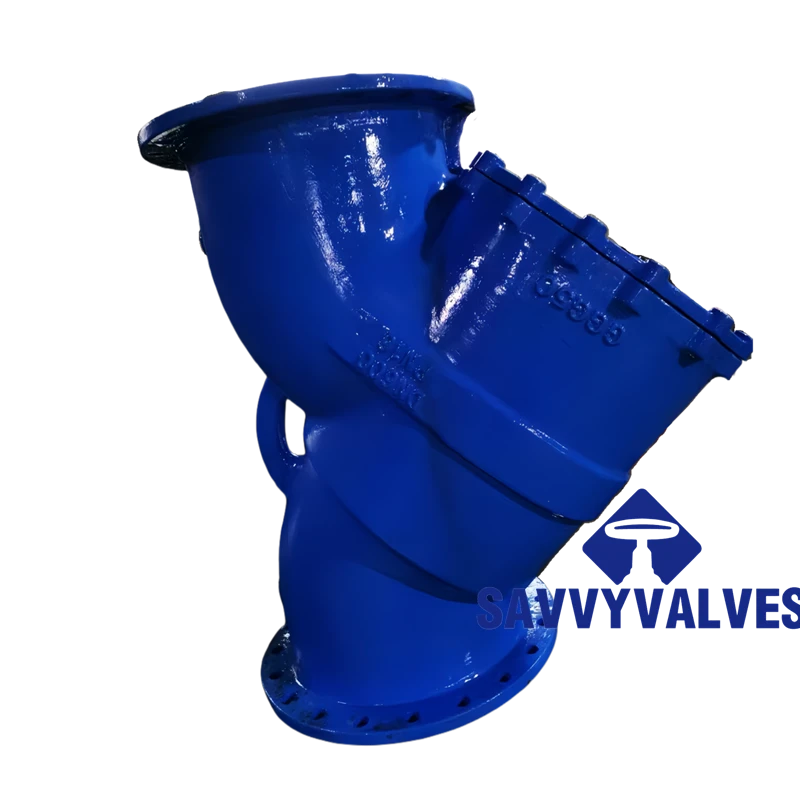 Parameter Specification
Product Type Y-Type Strainer
Pressure Rating PN 16
Body / Bonnet Material Ductile Iron GGG-50 (EN-GJS-500-7)
Screen Basket Material Stainless Steel AISI 316 / 1.4401
Size Range 2″ to 24″ (DN 50 to DN 600)
Flange Standard EN 1092-2 (PN16)
Test Pressure Shell Test: 25 Bar
Seat Test: 17.6 Bar
Operating Temperature -10°C to +120°C (Standard NBR Gasket)
Standard Perforation 0.5, 0.8, 1.0, 1.5, 2.0, 3.0 mm (Customizable)
Gasket Standard NBR (Options: EPDM, FKM/Viton)
Design & Manufacture EN 12516, ISO 5208
Compliance Pressure Equipment Directive (PED 2014/68/EU)
-
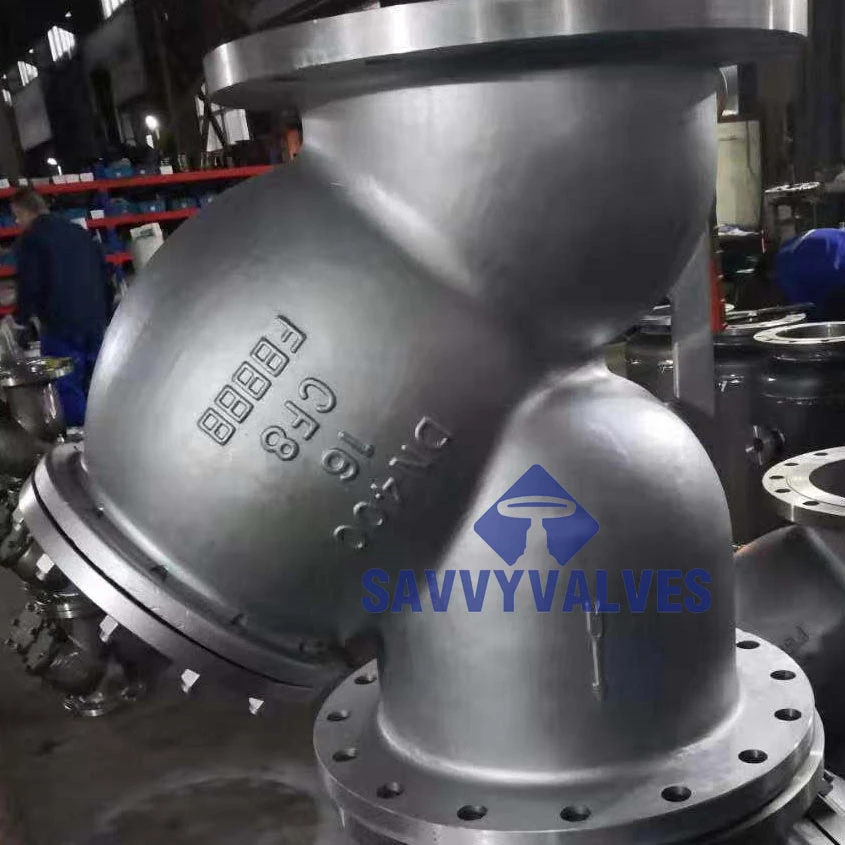 Krótki
Rozmiar: 2”~24”
Ocena: PN10,PN16,150LB
Głównie materiały:
Korpus: stal nierdzewna
Siatka: stal nierdzewna
Koniec: kołnierz
Struktura: wzór Y
Powierzchnia: farba epoksydowa
Odpowiednia temperatura: -29℃~400℃
-
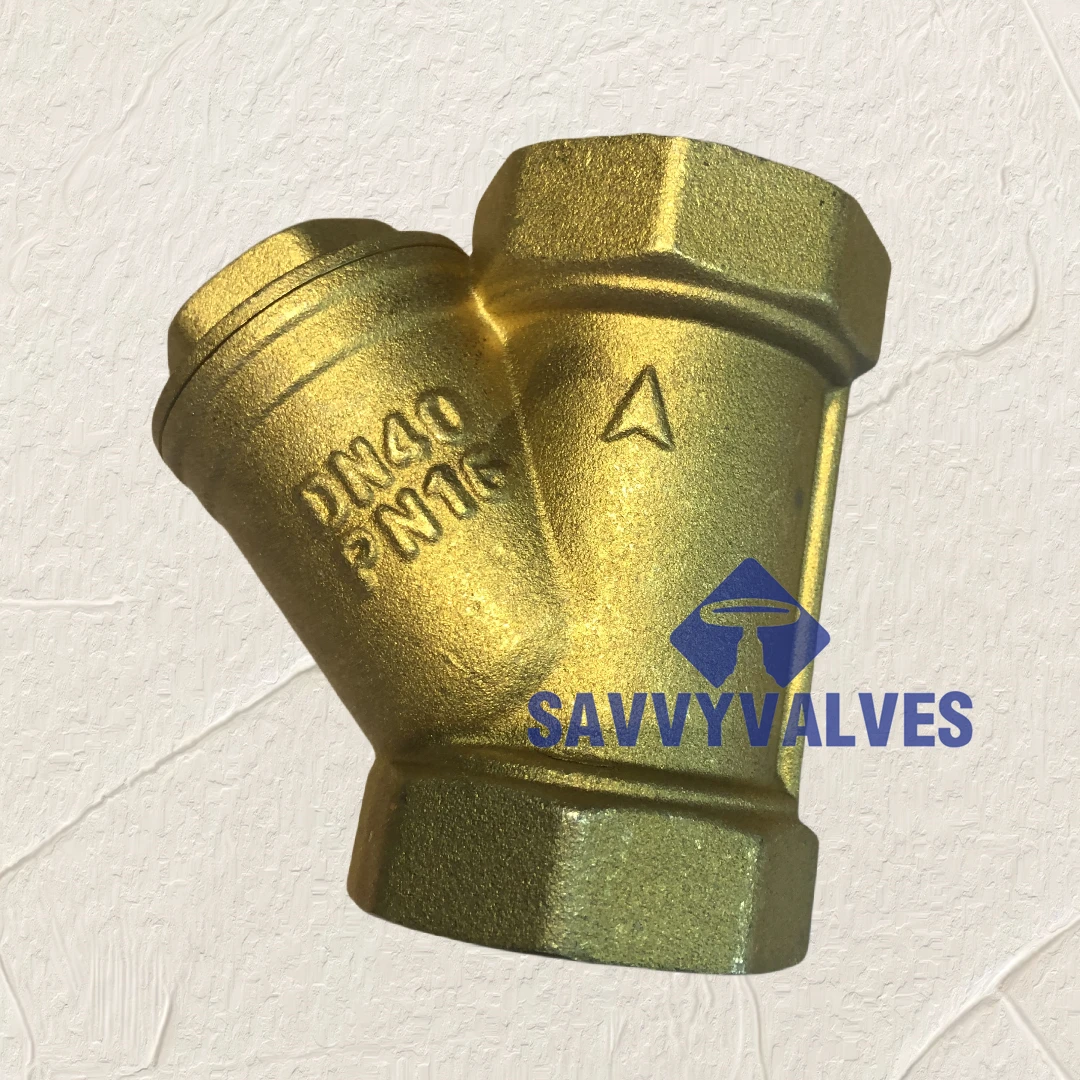 ZDJĘCIE PRZEDSTAWIA DANE TECHNICZNE PONIŻEJ
ROZMIAR:DN25
OCENA:PN16
KORPUS I MASKA: MOSIĄDZ
NETTO: SS304
-
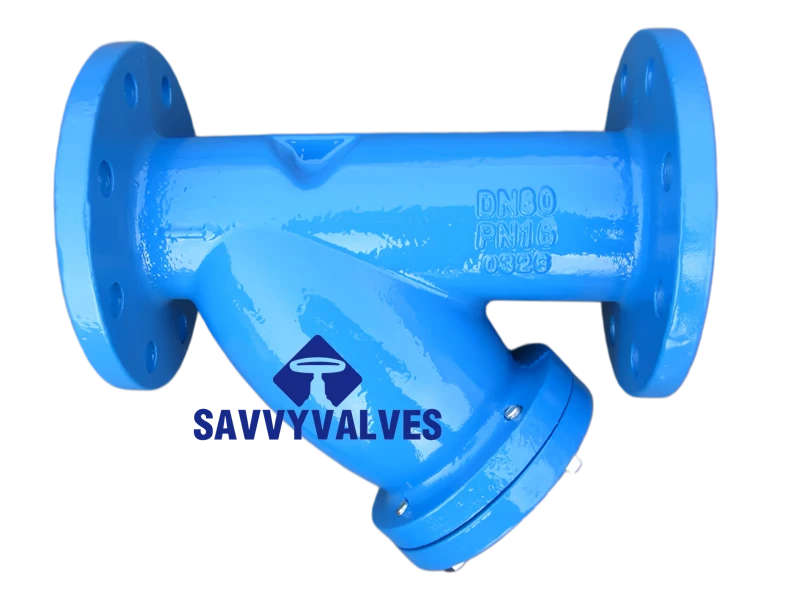 Product Type Y-Type Pipeline Strainer (T-Type / Angle Pattern)
Body Material Ductile Iron (ASTM A536, 65-45-12 / GGG-50)
Filter Element Material Stainless Steel (SS304 / SS316) Perforated or Wire Mesh
Connection Type Flanged Ends
Size Range DN50 ~ DN300 (2″ ~ 12″)
Pressure Rating PN10 / PN16 / Class 125 / Class 150
-
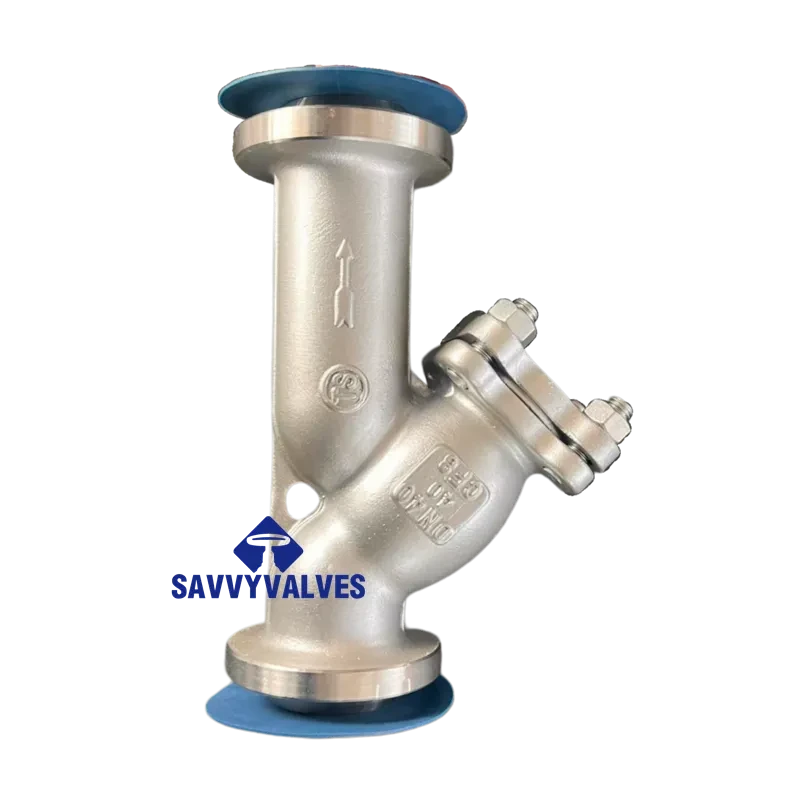 Nominal Size DN40 (1 1/2 inch)
Pressure Rating PN40
Working Pressure Up to 40 bar (Depending on Temperature)
Temperature Range -29°C to 300°C (-20°F to 572°F) * (Dependent on gasket/seal material)*
Connection Ends Butt Weld (BW) – Beveled ends for welding
Flow Direction As indicated by arrow on body (typically single direction)
Filtering Area Ratio 3:1 to 5:1 (Screen to pipe area)
-
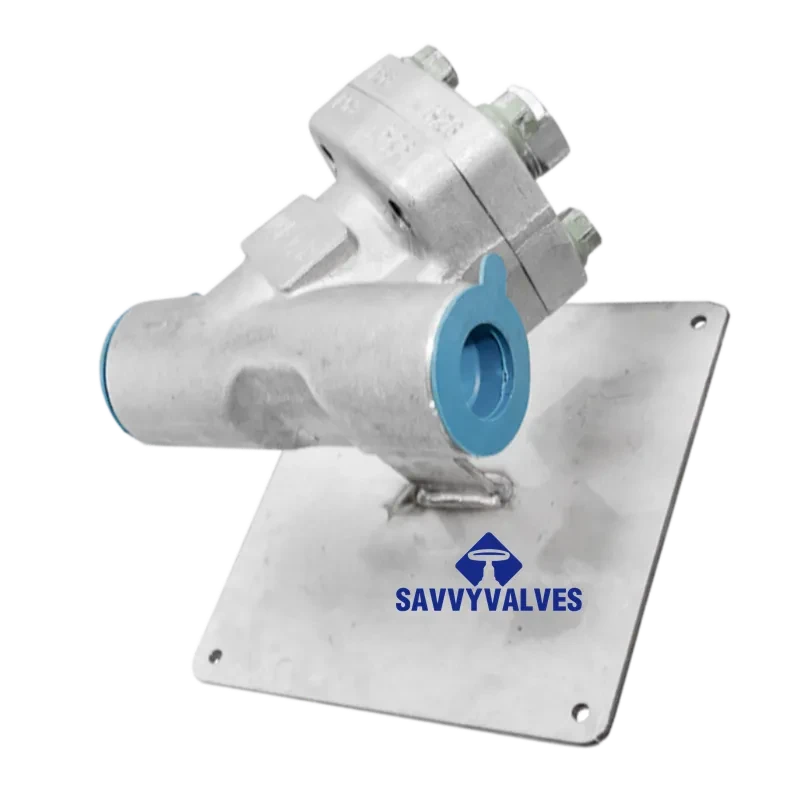 Size 3/4 inch (DN20)
Pressure Class Class 150 LB (PN20 / 290 PSI)
Body Material Super Duplex Stainless Steel – ASTM A182 F53 (UNS S32750)
Manufacturing Process Investment Casting / Close Die Forged Steel
Design Standard ASME B16.34 / BS 5352 / MSS SP-118
End Connection Standard ASME B1.20.1 (NPT Female)
Face to Face Standard Manufacturer Standard / MSS SP-118
-
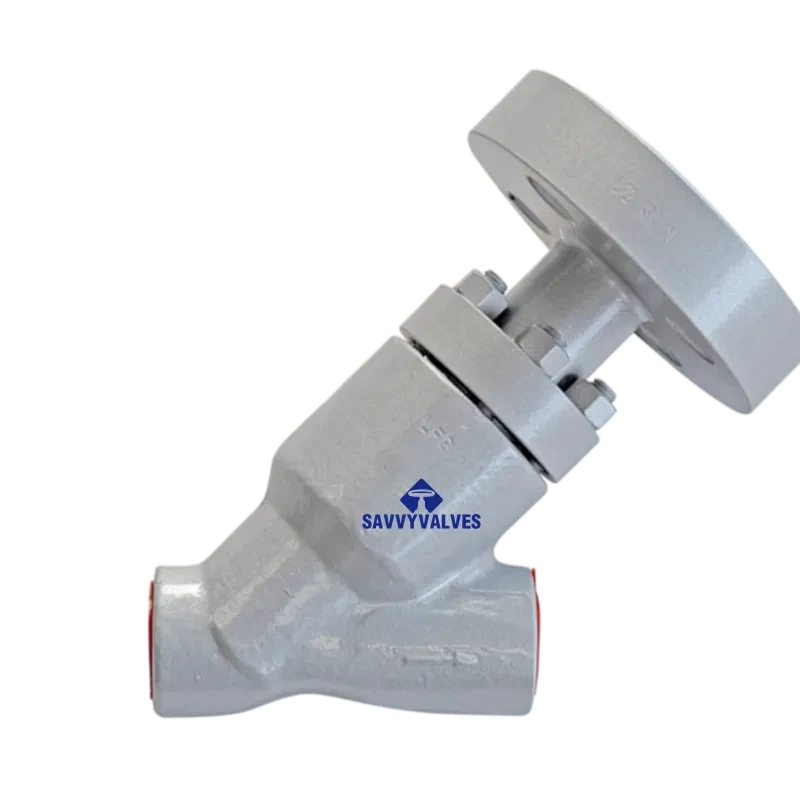 Size 1 inch (DN25)
Pressure Class Class 2500 LB (PN420 / 6000 PSI)
Body Material Low Temperature Carbon Steel – ASTM A350 LF2 Class 1
Manufacturing Process Forged Steel (Close Die Forged)
Design Standard BS 5352 / MSS SP-118 / ASME B16.34
-
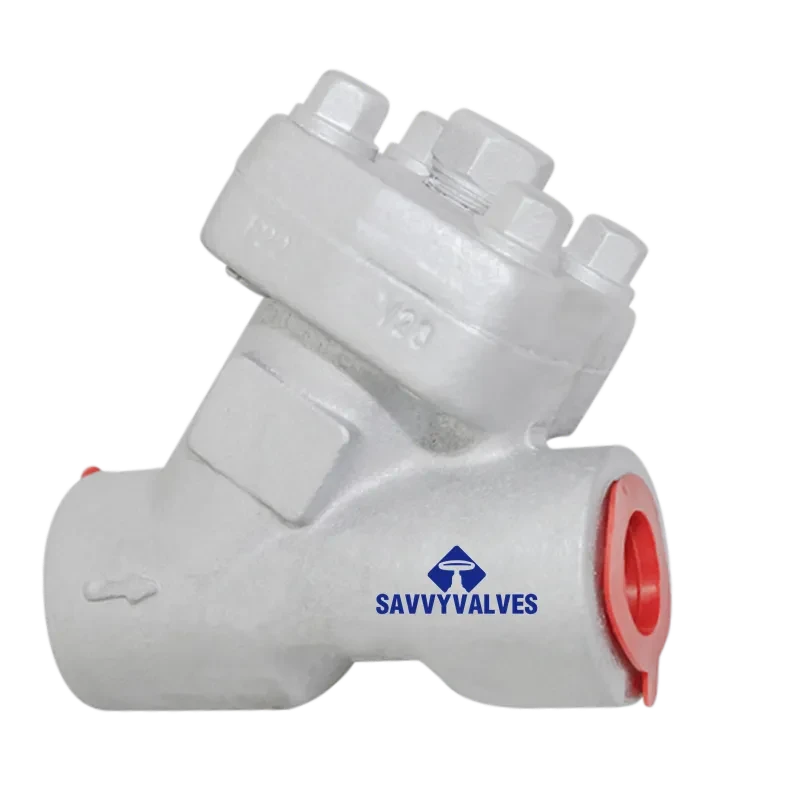 Size 1 inch (DN25)
Pressure Class Class 800 LB (PN130 / 2000 PSI)
Body Material Alloy Steel – ASTM A182 F22 (Cr-Mo Steel)
Manufacturing Process Forged Steel (Close Die Forged)
Design Standard API 602 / ASME B16.34 / BS 5352
-
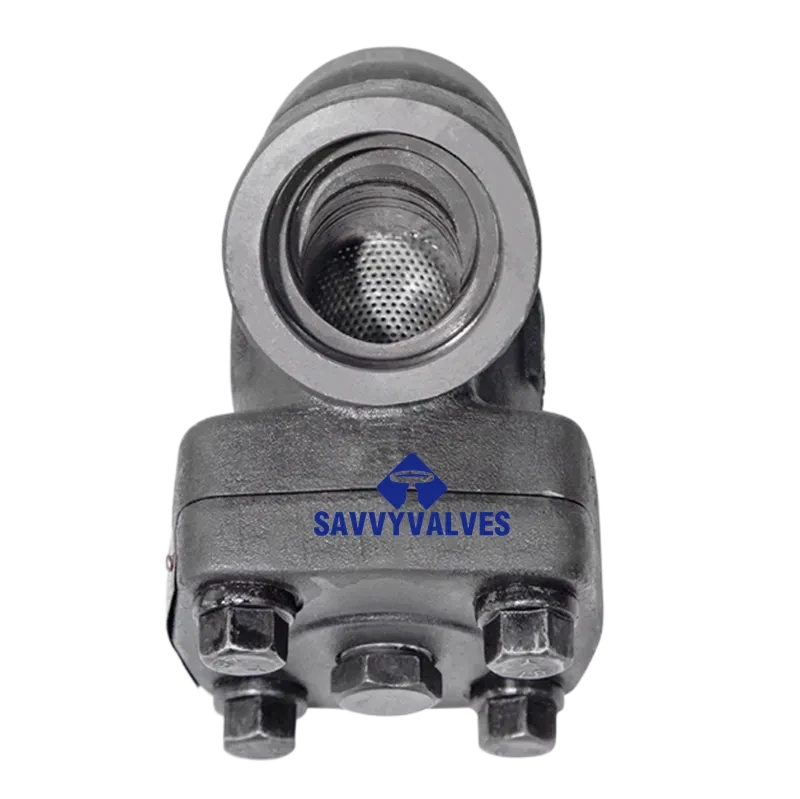 Size 1-1/2″ (DN40)
Pressure Rating Class 800 (ASME B16.34)
Design Type Y pattern, bolted cover
End Connections [e.g., Raised Face (RF) / Ring Type Joint (RTJ) flanges to ASME B16.5, or socket weld / NPT to ASME B16.11]
Screening Perforated basket or mesh screen (see options)
Filtration Rating [e.g., 0.5 mm – 3.0 mm perforation / 20 – 200 mesh]
Applicable Media Water, oil, gas, steam, condensate, non aggressive fluids
Temperature Range -29°C to +425°C (depending on gasket & screen material)
Flow Direction Arrow on body indicates flow (fluid enters cap side, exits opposite)
-
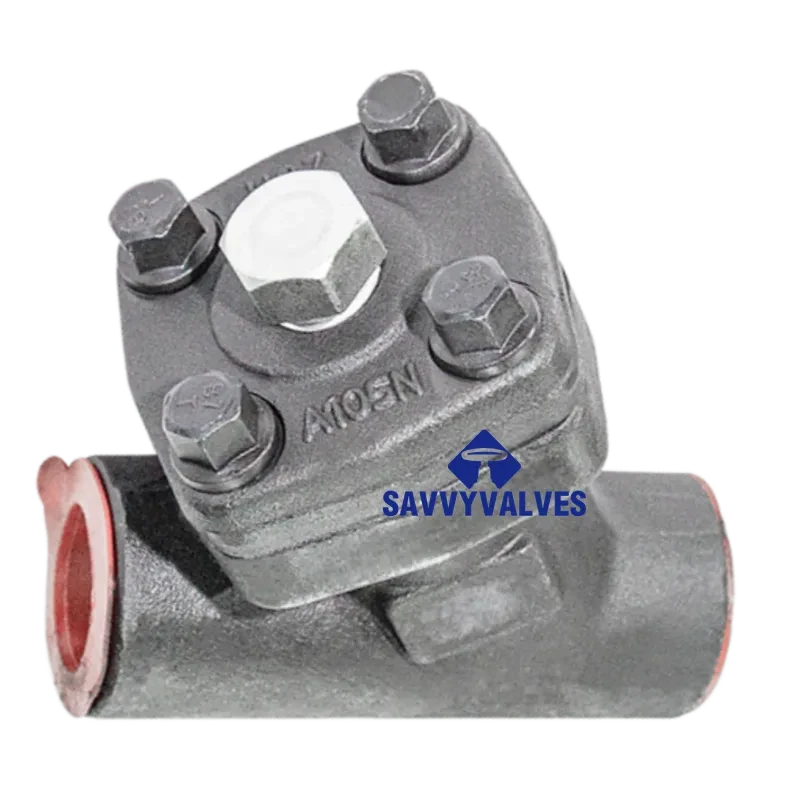 Size 1″ (DN25)
Pressure Rating Class 600 (ASME B16.34)
Design Type Y pattern, bolted cover
End Connections [e.g., Raised Face (RF) / Ring Type Joint (RTJ) flanges to ASME B16.5, or socket weld / NPT to ASME B16.11]
Screening Perforated basket or mesh screen (see options)
Filtration Rating [e.g., 0.5 mm – 3.0 mm perforation / 20 – 200 mesh]
Applicable Media Water, oil, gas, steam, condensate, non aggressive fluids
Temperature Range -29°C to +425°C (depending on gasket & screen material)
Flow Direction Arrow on body indicates flow (fluid enters cap side, exits opposite)
Filtr siatkowy to urządzenie stosowane w rurociągach do usuwania niepożądanych ciał stałych, zanieczyszczeń lub cząstek z cieczy lub gazów. Działa on jak filtr mechaniczny, wychwytując cząstki przez perforowane lub siatkowe sito, jednocześnie umożliwiając przepływ czystego medium. Filtry siatkowe są niezbędne do ochrony pomp, zaworów, wymienników ciepła i innych urządzeń znajdujących się dalej w rurociągu przed uszkodzeniem lub zatkaniem. Istnieje kilka rodzajów filtrów siatkowych, w tym filtry typu Y, filtry typu T i filtry koszowe. Filtry typu Y są kompaktowe i zazwyczaj stosowane w zastosowaniach o niskim poziomie zanieczyszczeń, natomiast filtry koszowe mają większą powierzchnię filtrowania i są odpowiednie do systemów o wysokim przepływie. Filtry siatkowe mogą być wykonane z różnych materiałów, takich jak stal nierdzewna, stal węglowa, brąz lub PVC, w zależności od zastosowania i medium. Regularne czyszczenie lub wymiana wkładu filtracyjnego jest wymagane do utrzymania wydajności. Usuwając zanieczyszczenia, filtry siatkowe zapewniają długowieczność urządzeń, obniżają koszty konserwacji i poprawiają ogólną wydajność systemu. Są powszechnie stosowane w uzdatnianiu wody, przetwórstwie chemicznym, przemyśle naftowym i gazowym, przemyśle spożywczym i napojowym oraz systemach HVAC, w których czystość płynów i niezawodność przepływu mają kluczowe znaczenie.


 Polish
  English
  Arabic
  Azerbaijani
  Czech
Czech  Dutch
Dutch  French
  German
  Indonesian
  Italian
  Japanese
  Korean
  Malay
Malay  Persian
  Portuguese
  Russian
  Spanish
  Thai
Thai  Vietnamese