
Filtre à tamis
-
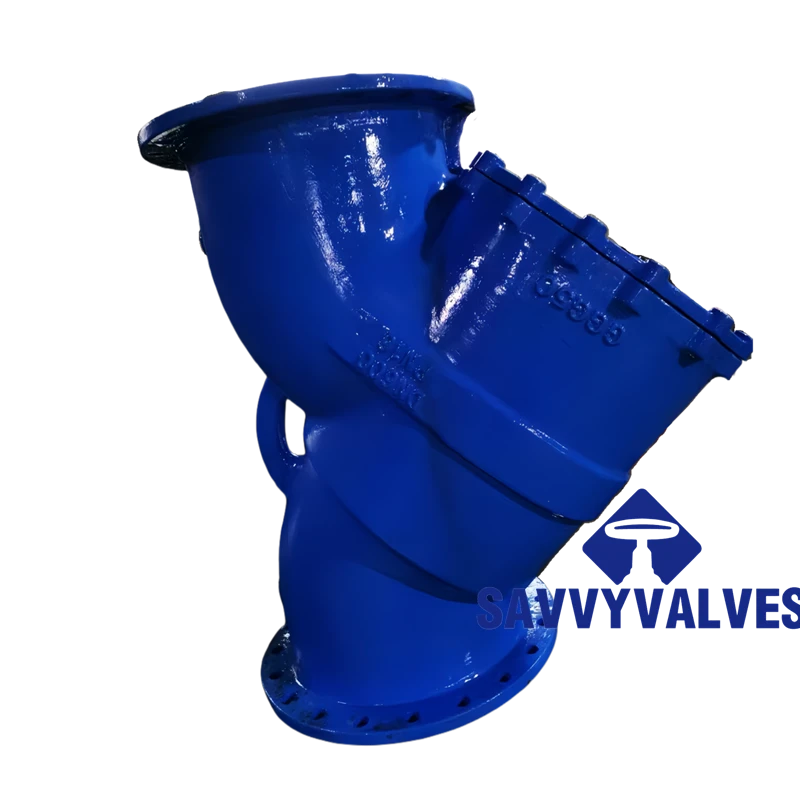 Parameter Specification
Product Type Y-Type Strainer
Pressure Rating PN 16
Body / Bonnet Material Ductile Iron GGG-50 (EN-GJS-500-7)
Screen Basket Material Stainless Steel AISI 316 / 1.4401
Size Range 2″ to 24″ (DN 50 to DN 600)
Flange Standard EN 1092-2 (PN16)
Test Pressure Shell Test: 25 Bar
Seat Test: 17.6 Bar
Operating Temperature -10°C to +120°C (Standard NBR Gasket)
Standard Perforation 0.5, 0.8, 1.0, 1.5, 2.0, 3.0 mm (Customizable)
Gasket Standard NBR (Options: EPDM, FKM/Viton)
Design & Manufacture EN 12516, ISO 5208
Compliance Pressure Equipment Directive (PED 2014/68/EU)
-
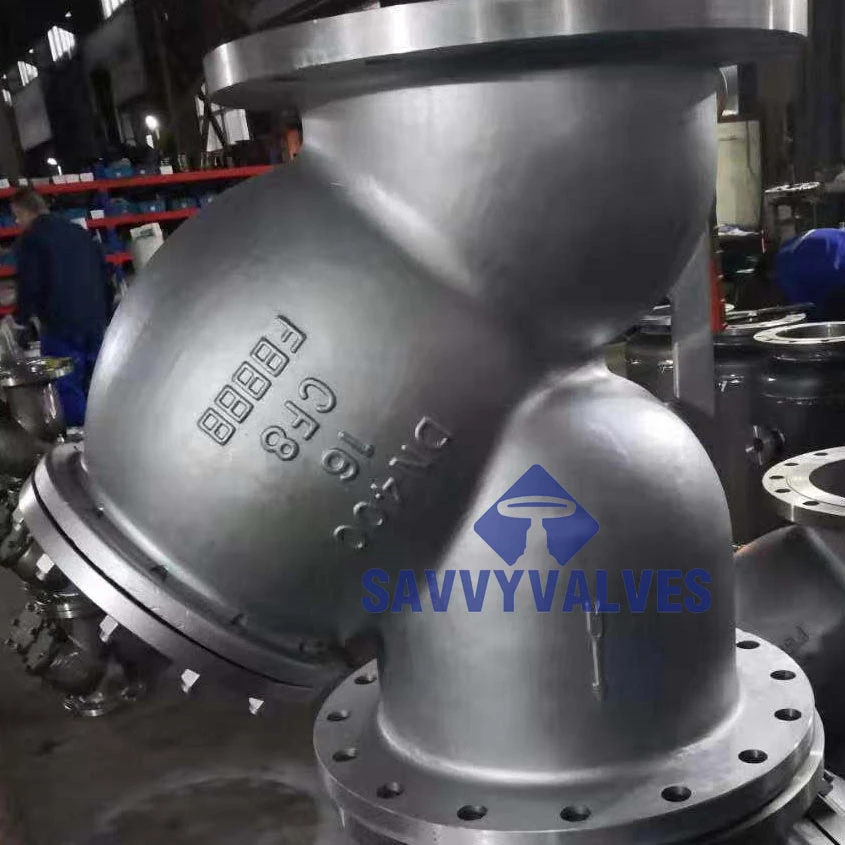 Bref
Bref
Taille : 2"~24"
Évaluation : PN10, PN16, 150LB
Principalement des matériaux :
Corps : acier inoxydable
Filet : acier inoxydable
Extrémité : bride
Structure : motif en Y
Surface : peinture époxy
Température appropriée : -29℃~400℃
-
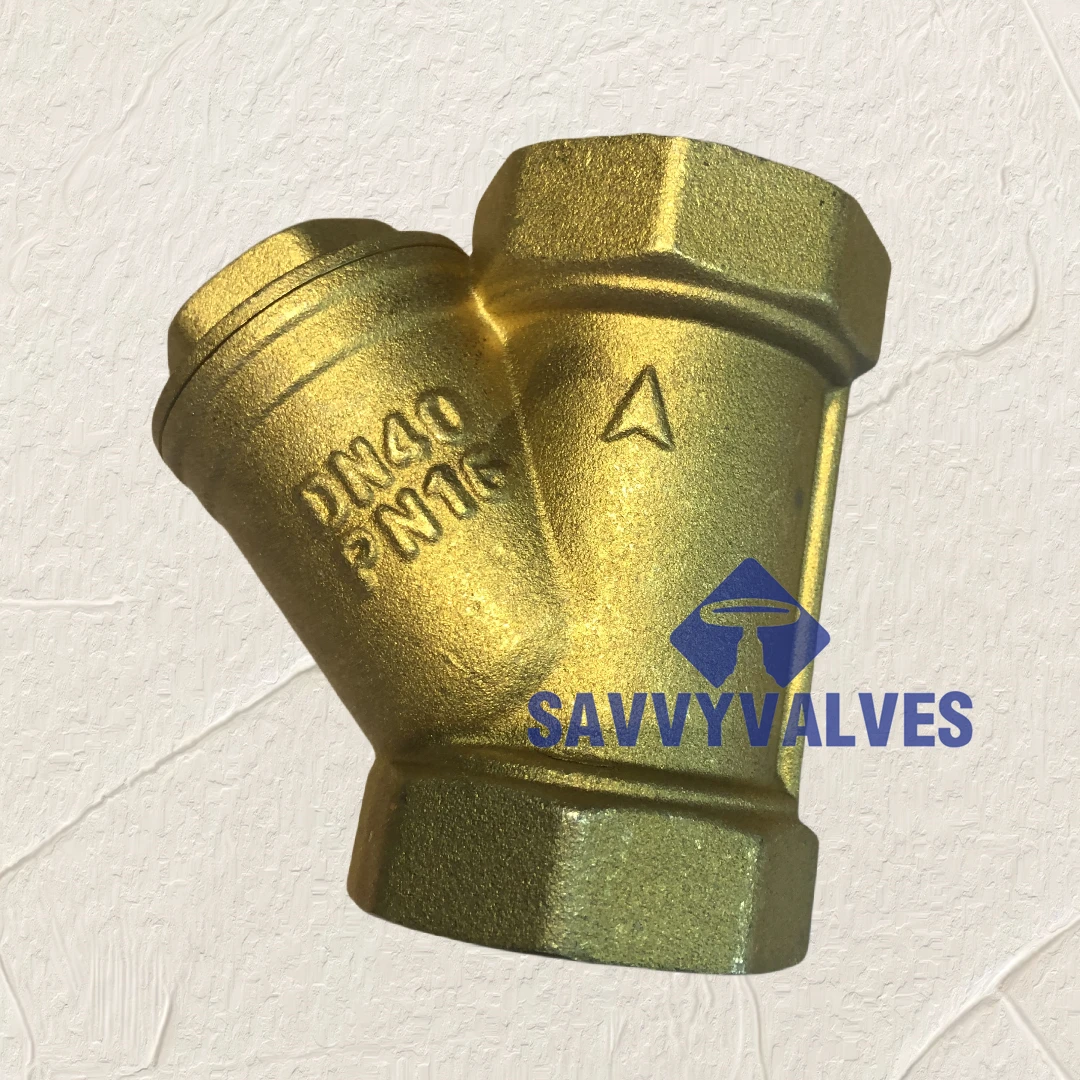 LA PHOTO MONTRE LES SPÉCIFICATIONS CI-DESSOUS
TAILLE : DN25
NOTE : PN16
CORPS ET CAPOT : LAITON
NET : SS304
-
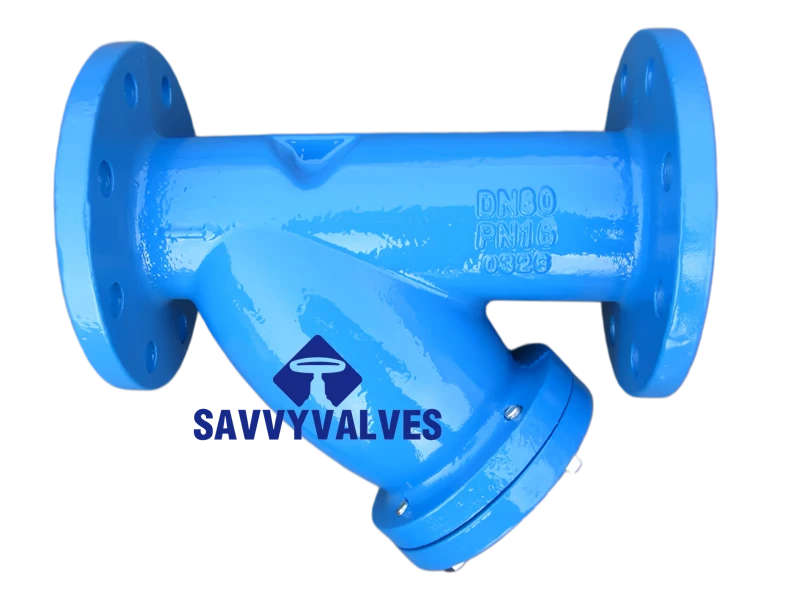 Product Type Y-Type Pipeline Strainer (T-Type / Angle Pattern)
Body Material Ductile Iron (ASTM A536, 65-45-12 / GGG-50)
Filter Element Material Stainless Steel (SS304 / SS316) Perforated or Wire Mesh
Connection Type Flanged Ends
Size Range DN50 ~ DN300 (2″ ~ 12″)
Pressure Rating PN10 / PN16 / Class 125 / Class 150
-
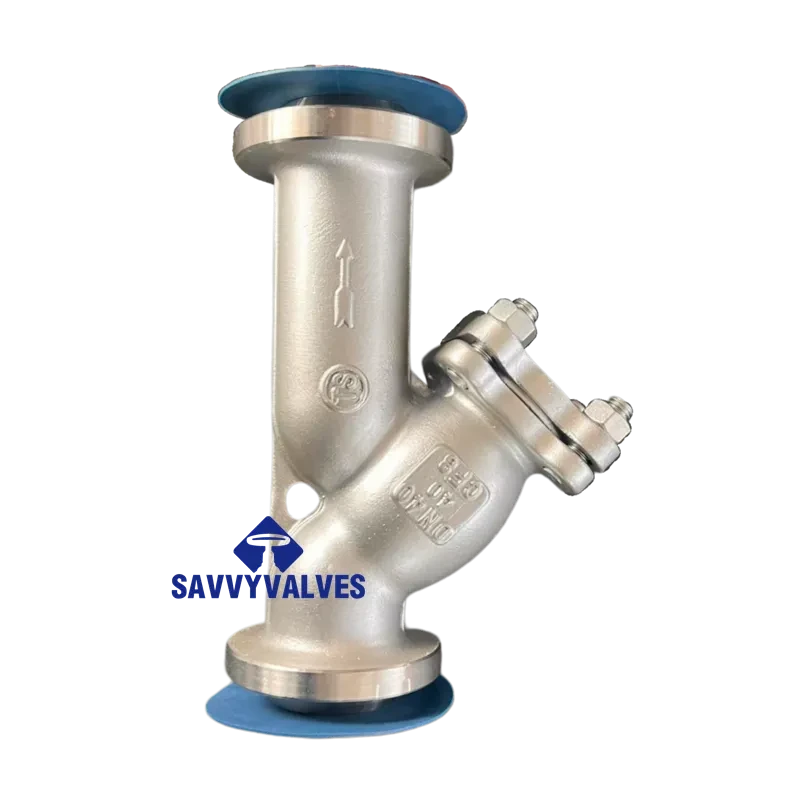 Nominal Size DN40 (1 1/2 inch)
Pressure Rating PN40
Working Pressure Up to 40 bar (Depending on Temperature)
Temperature Range -29°C to 300°C (-20°F to 572°F) * (Dependent on gasket/seal material)*
Connection Ends Butt Weld (BW) – Beveled ends for welding
Flow Direction As indicated by arrow on body (typically single direction)
Filtering Area Ratio 3:1 to 5:1 (Screen to pipe area)
-
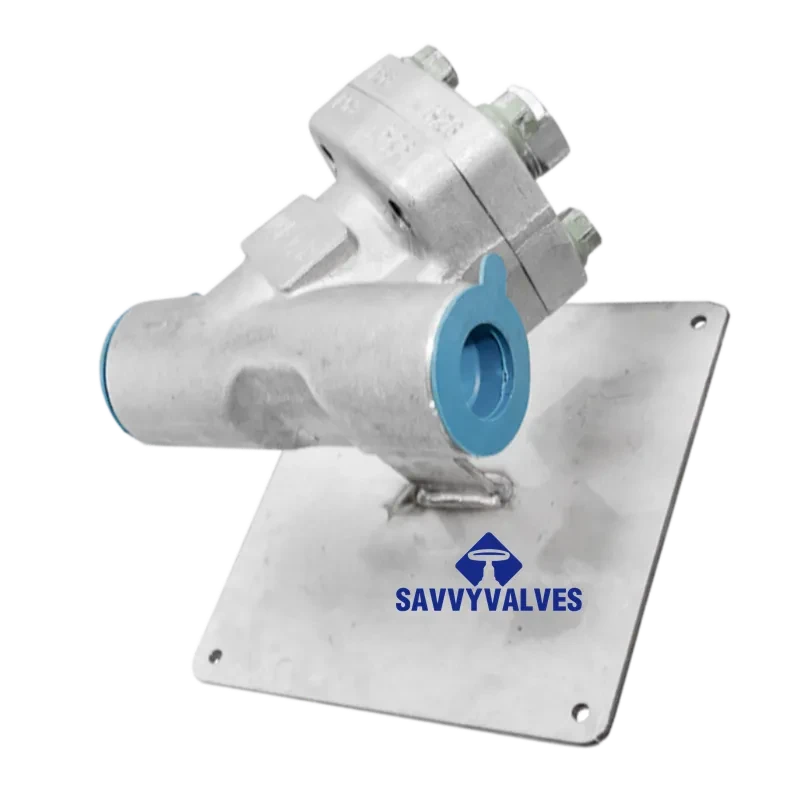 Size 3/4 inch (DN20)
Pressure Class Class 150 LB (PN20 / 290 PSI)
Body Material Super Duplex Stainless Steel – ASTM A182 F53 (UNS S32750)
Manufacturing Process Investment Casting / Close Die Forged Steel
Design Standard ASME B16.34 / BS 5352 / MSS SP-118
End Connection Standard ASME B1.20.1 (NPT Female)
Face to Face Standard Manufacturer Standard / MSS SP-118
-
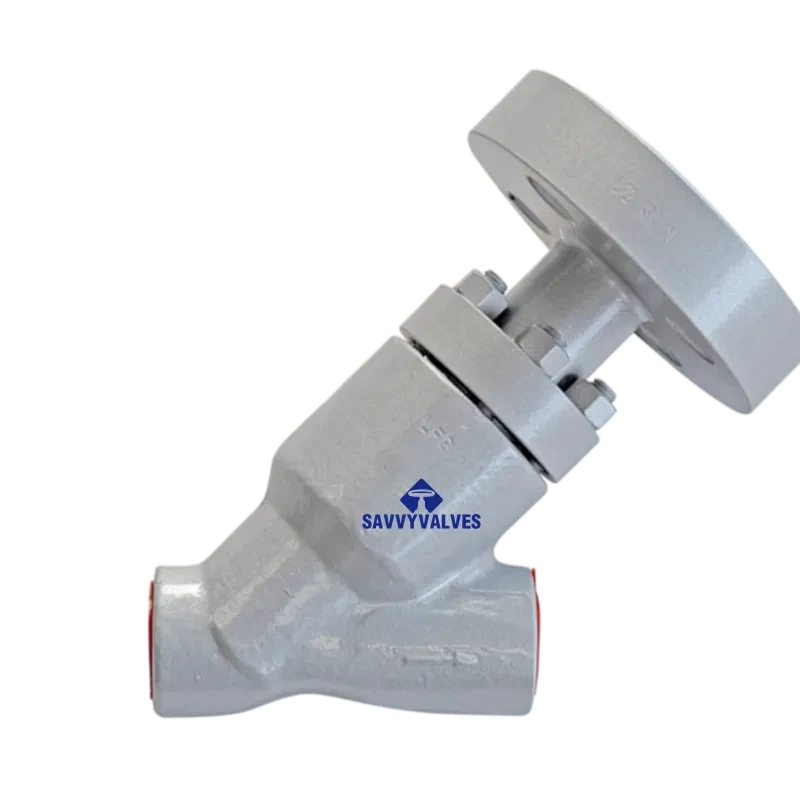 Size 1 inch (DN25)
Pressure Class Class 2500 LB (PN420 / 6000 PSI)
Body Material Low Temperature Carbon Steel – ASTM A350 LF2 Class 1
Manufacturing Process Forged Steel (Close Die Forged)
Design Standard BS 5352 / MSS SP-118 / ASME B16.34
-
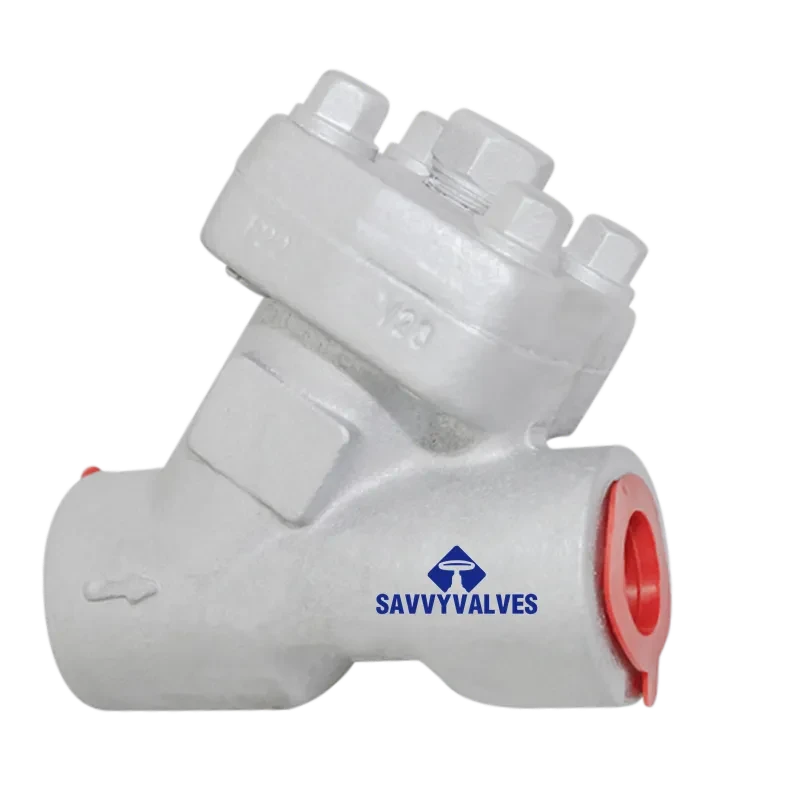 Size 1 inch (DN25)
Pressure Class Class 800 LB (PN130 / 2000 PSI)
Body Material Alloy Steel – ASTM A182 F22 (Cr-Mo Steel)
Manufacturing Process Forged Steel (Close Die Forged)
Design Standard API 602 / ASME B16.34 / BS 5352
-
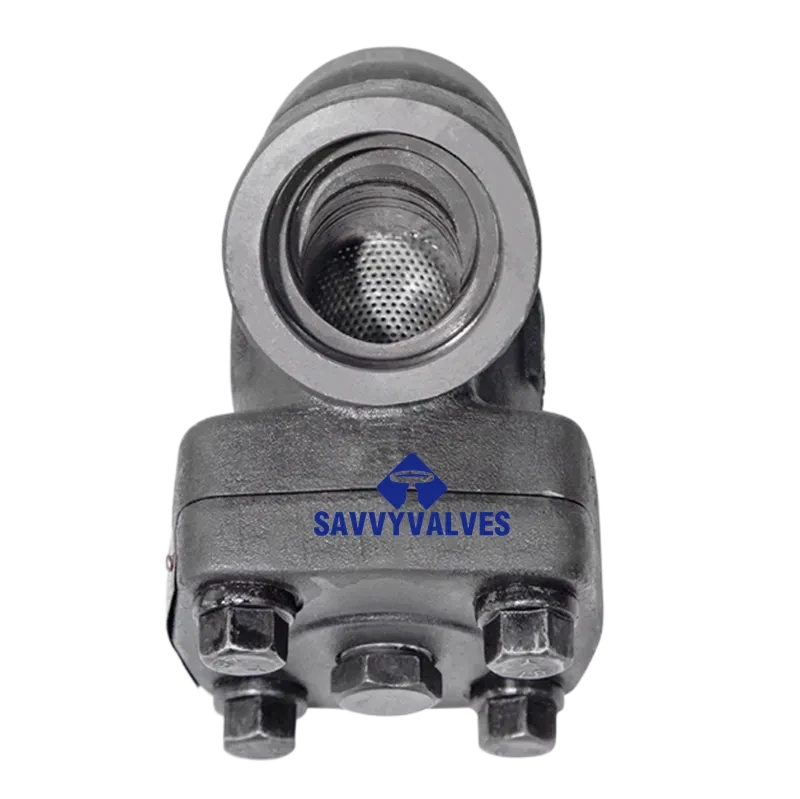 Size 1-1/2″ (DN40)
Pressure Rating Class 800 (ASME B16.34)
Design Type Y pattern, bolted cover
End Connections [e.g., Raised Face (RF) / Ring Type Joint (RTJ) flanges to ASME B16.5, or socket weld / NPT to ASME B16.11]
Screening Perforated basket or mesh screen (see options)
Filtration Rating [e.g., 0.5 mm – 3.0 mm perforation / 20 – 200 mesh]
Applicable Media Water, oil, gas, steam, condensate, non aggressive fluids
Temperature Range -29°C to +425°C (depending on gasket & screen material)
Flow Direction Arrow on body indicates flow (fluid enters cap side, exits opposite)
-
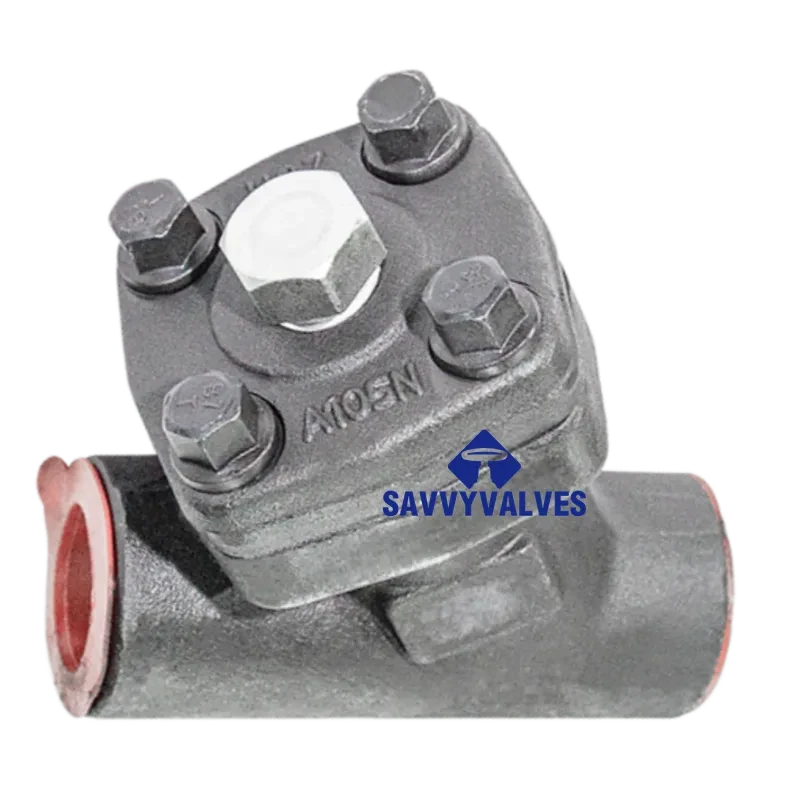 Size 1″ (DN25)
Pressure Rating Class 600 (ASME B16.34)
Design Type Y pattern, bolted cover
End Connections [e.g., Raised Face (RF) / Ring Type Joint (RTJ) flanges to ASME B16.5, or socket weld / NPT to ASME B16.11]
Screening Perforated basket or mesh screen (see options)
Filtration Rating [e.g., 0.5 mm – 3.0 mm perforation / 20 – 200 mesh]
Applicable Media Water, oil, gas, steam, condensate, non aggressive fluids
Temperature Range -29°C to +425°C (depending on gasket & screen material)
Flow Direction Arrow on body indicates flow (fluid enters cap side, exits opposite)
A filter strainer is a device used in pipelines to remove unwanted solids, debris, or particles from liquids or gases. It acts as a mechanical filter, capturing particles through a perforated or mesh screen while allowing the clean medium to pass through. Filter strainers are critical for protecting pumps, valves, heat exchangers, and other downstream equipment from damage or clogging. There are several types of strainers, including Y-strainers, T-strainers, and basket strainers. Y-strainers are compact and typically used in low debris applications, while basket strainers have a larger filtering area and are suitable for high-flow systems. Strainers can be made from various materials, such as stainless steel, carbon steel, bronze, or PVC, depending on the application and media. Regular cleaning or replacement of the strainer element is required to maintain efficiency. By removing impurities, filter strainers ensure the longevity of equipment, reduce maintenance costs, and improve overall system performance. They are commonly used in water treatment, chemical processing, oil and gas, food and beverage, and HVAC systems where fluid purity and flow reliability are essential.


 French
  English
  Arabic
  Azerbaijani
  Czech
Czech  Dutch
Dutch  German
  Indonesian
  Italian
  Japanese
  Korean
  Malay
Malay  Persian
  Polish
  Portuguese
  Russian
  Spanish
  Thai
Thai  Vietnamese