
Filtro Peneira
-
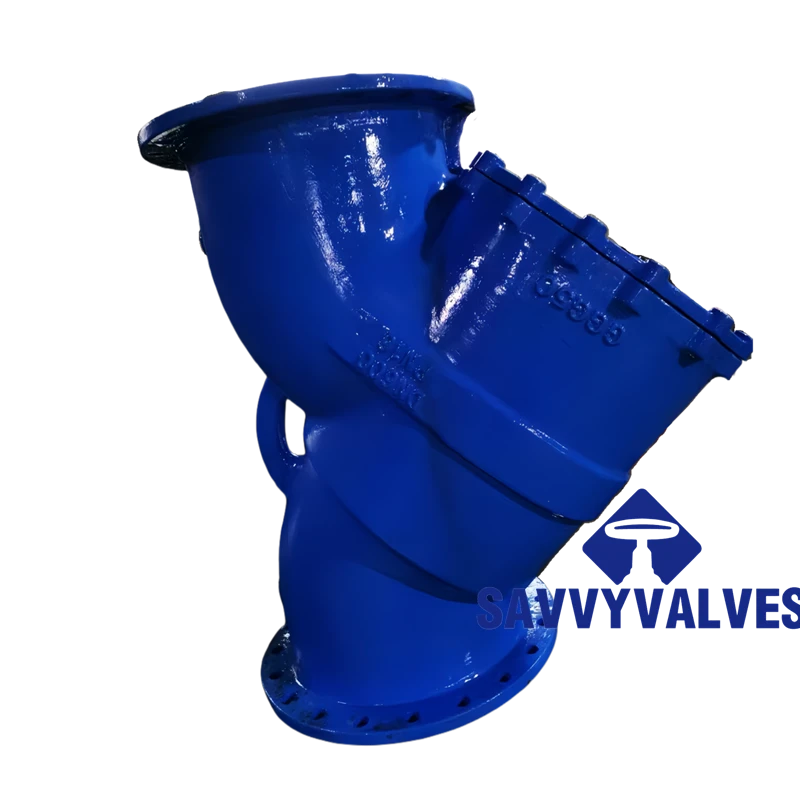 Parameter Specification
Product Type Y-Type Strainer
Pressure Rating PN 16
Body / Bonnet Material Ductile Iron GGG-50 (EN-GJS-500-7)
Screen Basket Material Stainless Steel AISI 316 / 1.4401
Size Range 2″ to 24″ (DN 50 to DN 600)
Flange Standard EN 1092-2 (PN16)
Test Pressure Shell Test: 25 Bar
Seat Test: 17.6 Bar
Operating Temperature -10°C to +120°C (Standard NBR Gasket)
Standard Perforation 0.5, 0.8, 1.0, 1.5, 2.0, 3.0 mm (Customizable)
Gasket Standard NBR (Options: EPDM, FKM/Viton)
Design & Manufacture EN 12516, ISO 5208
Compliance Pressure Equipment Directive (PED 2014/68/EU)
-
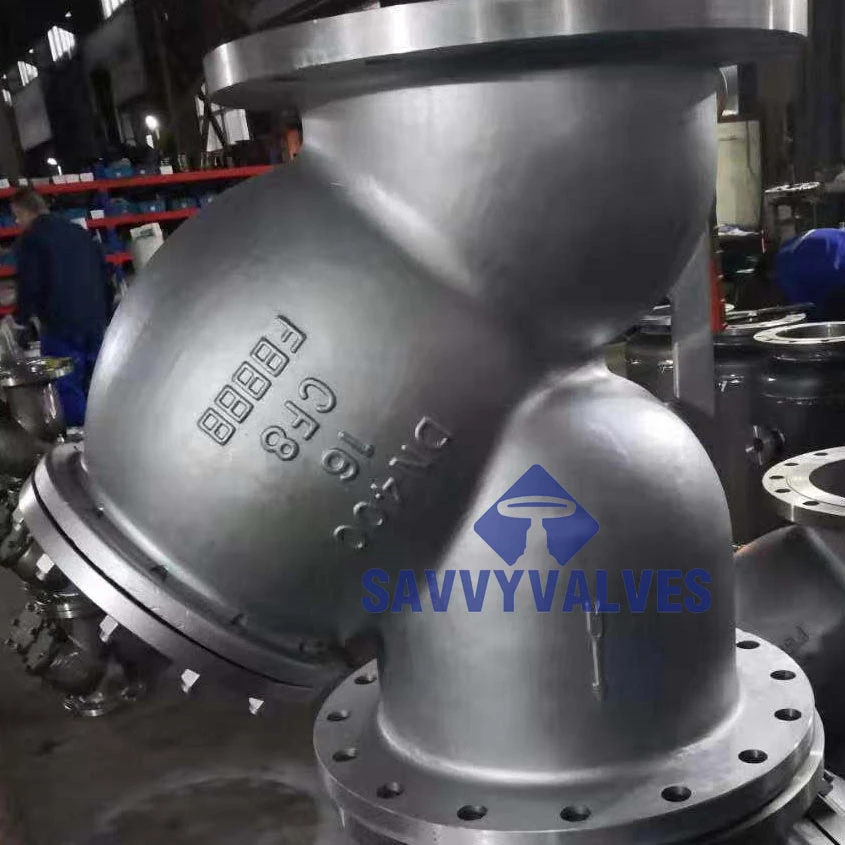 Apresentação
Tamanho: 2“~24”
Classificação: PN10,PN16,150LB
Principalmente materiais:
Corpo: aço inoxidável
Rede: aço inoxidável
Extremidade: flange
Estrutura: Padrão Y
Superfície: tinta epóxi
Temperatura adequada: -29℃~400℃
-
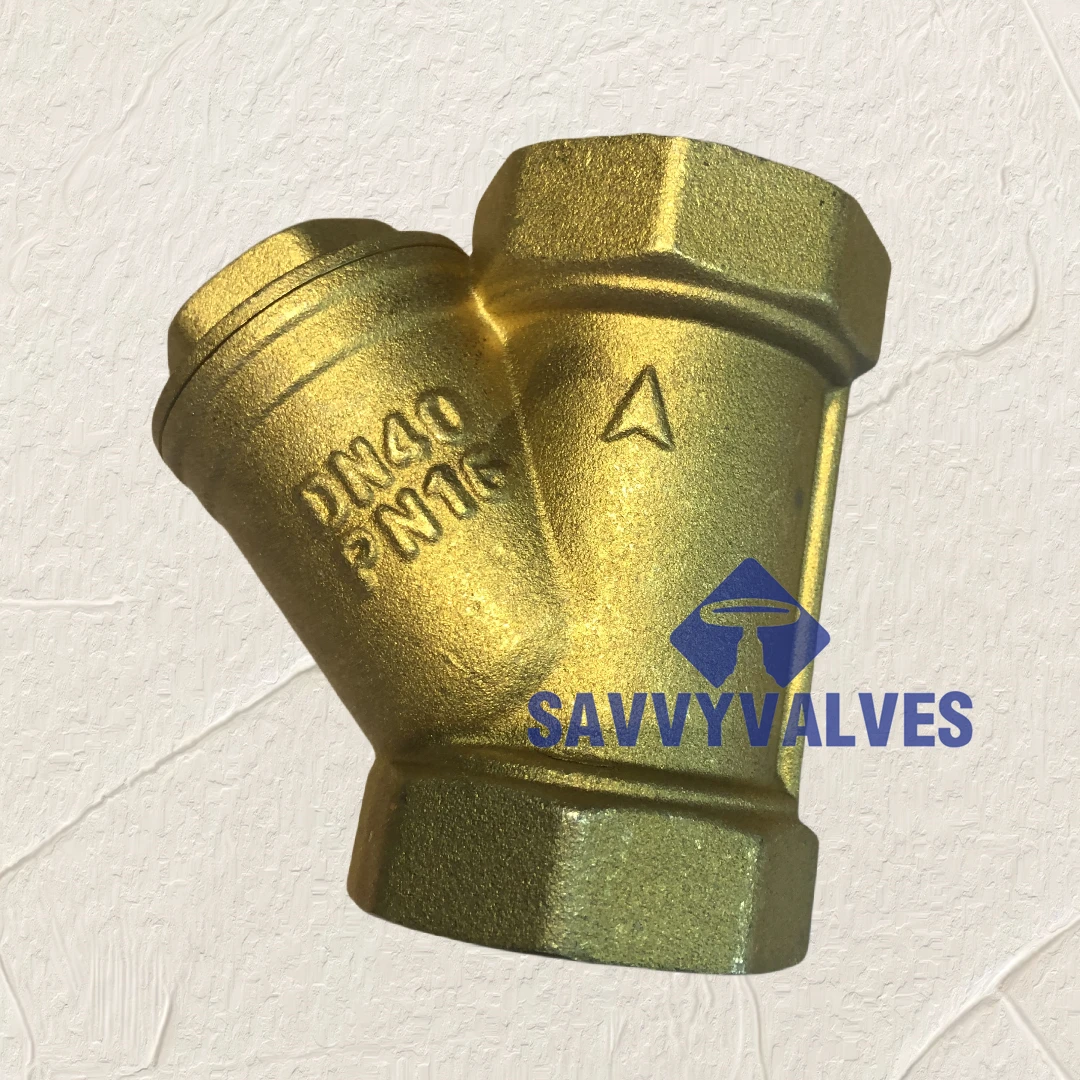 A FOTO MOSTRA AS ESPECIFICAÇÕES ABAIXO
TAMANHO: DN25
CLASSIFICAÇÃO: PN16
CORPO E CAPÔ: LATÃO
LÍQUIDO: SS304
-
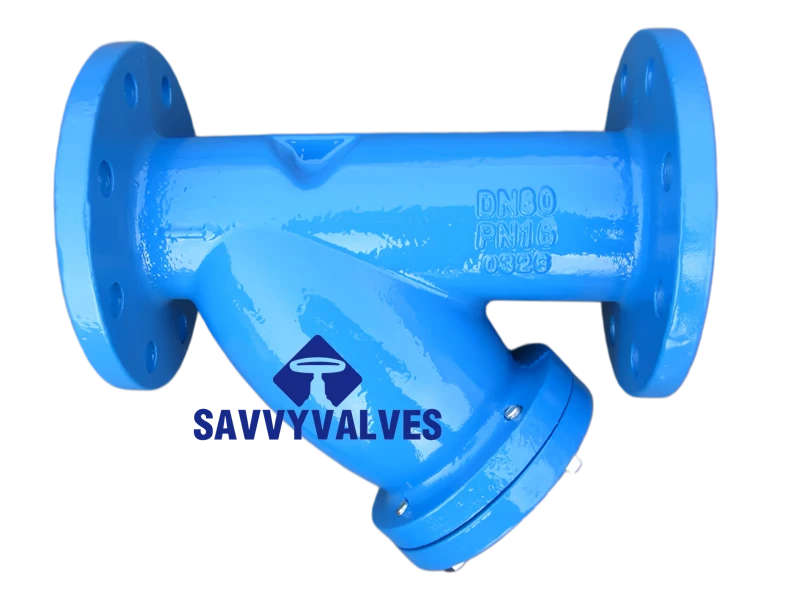 Product Type Y-Type Pipeline Strainer (T-Type / Angle Pattern)
Body Material Ductile Iron (ASTM A536, 65-45-12 / GGG-50)
Filter Element Material Stainless Steel (SS304 / SS316) Perforated or Wire Mesh
Connection Type Flanged Ends
Size Range DN50 ~ DN300 (2″ ~ 12″)
Pressure Rating PN10 / PN16 / Class 125 / Class 150
-
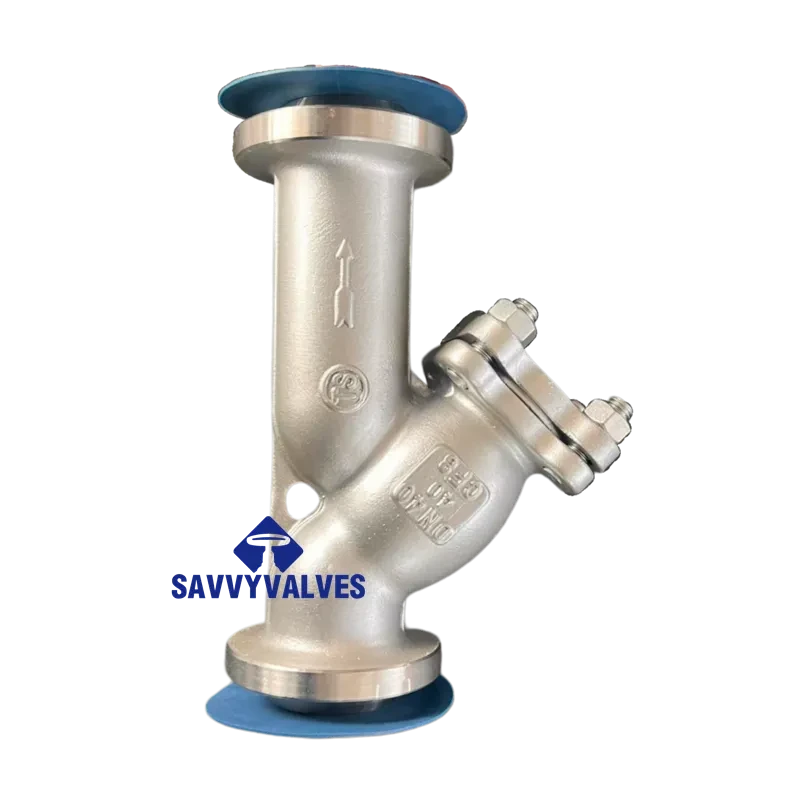 Nominal Size DN40 (1 1/2 inch)
Pressure Rating PN40
Working Pressure Up to 40 bar (Depending on Temperature)
Temperature Range -29°C to 300°C (-20°F to 572°F) * (Dependent on gasket/seal material)*
Connection Ends Butt Weld (BW) – Beveled ends for welding
Flow Direction As indicated by arrow on body (typically single direction)
Filtering Area Ratio 3:1 to 5:1 (Screen to pipe area)
-
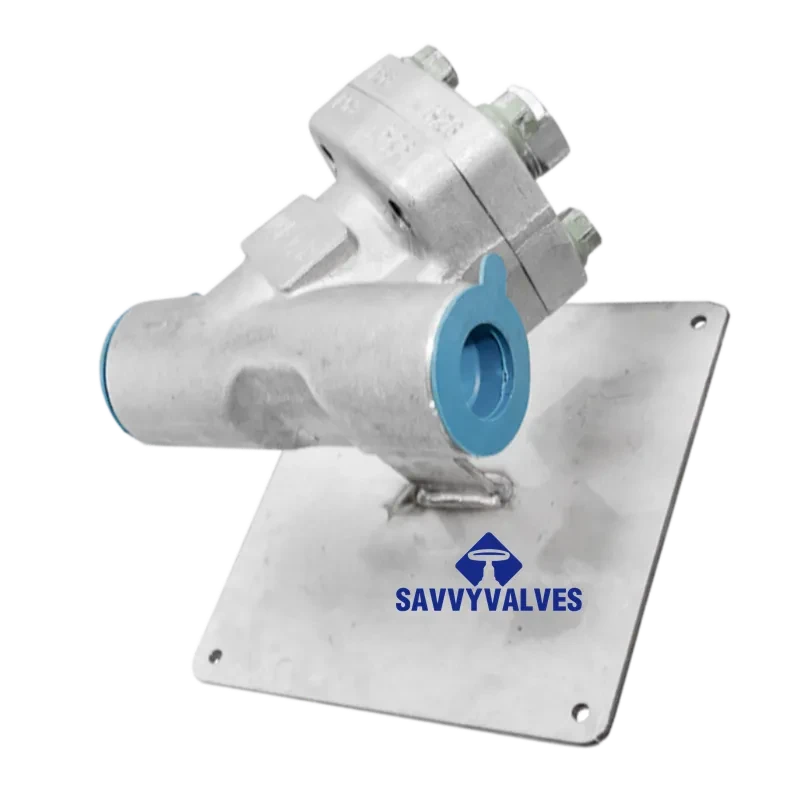 Size 3/4 inch (DN20)
Pressure Class Class 150 LB (PN20 / 290 PSI)
Body Material Super Duplex Stainless Steel – ASTM A182 F53 (UNS S32750)
Manufacturing Process Investment Casting / Close Die Forged Steel
Design Standard ASME B16.34 / BS 5352 / MSS SP-118
End Connection Standard ASME B1.20.1 (NPT Female)
Face to Face Standard Manufacturer Standard / MSS SP-118
-
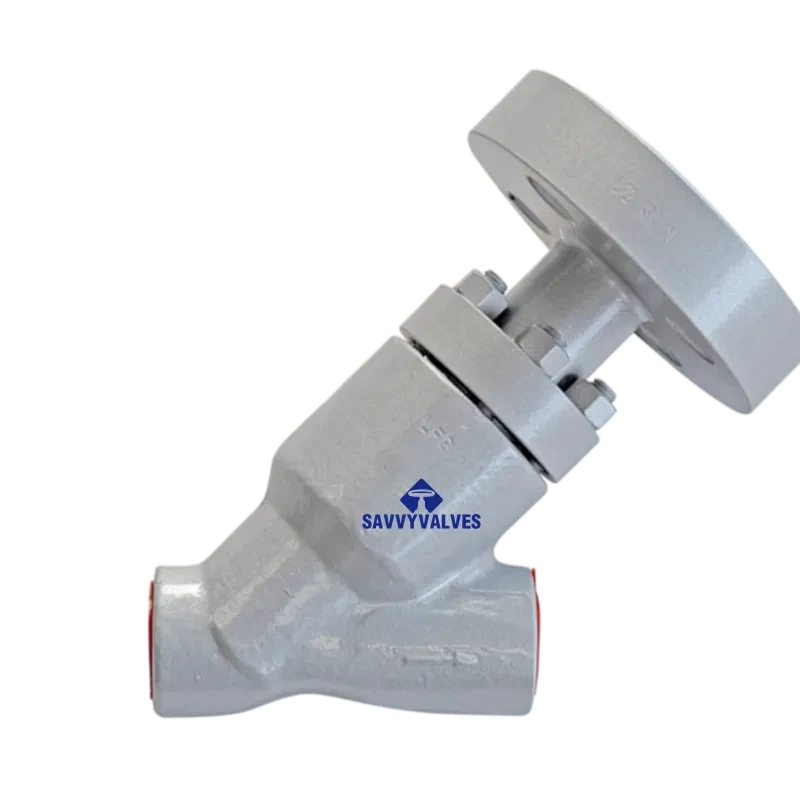 Size 1 inch (DN25)
Pressure Class Class 2500 LB (PN420 / 6000 PSI)
Body Material Low Temperature Carbon Steel – ASTM A350 LF2 Class 1
Manufacturing Process Forged Steel (Close Die Forged)
Design Standard BS 5352 / MSS SP-118 / ASME B16.34
-
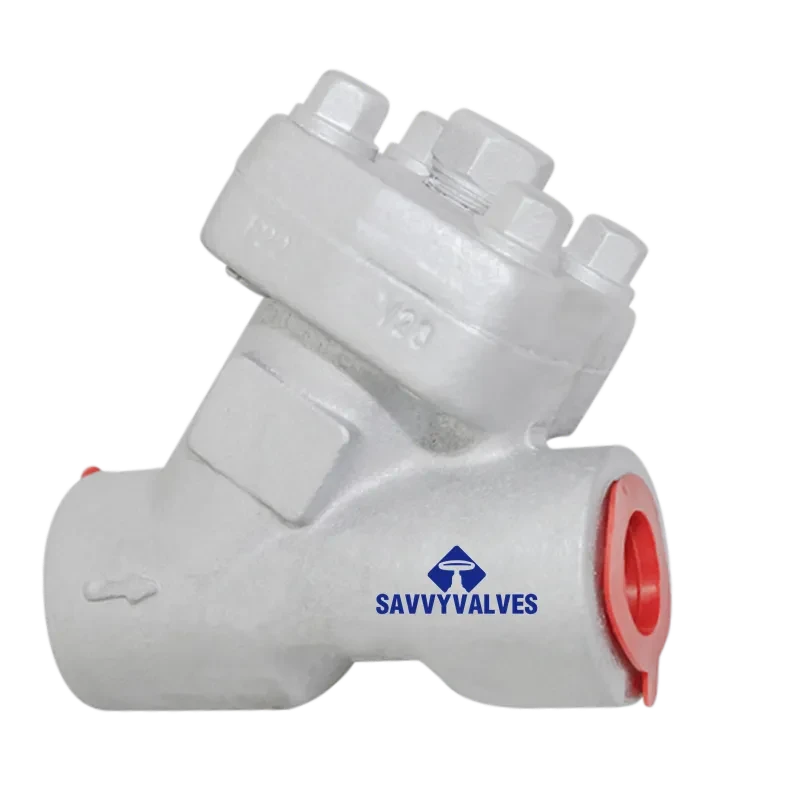 Size 1 inch (DN25)
Pressure Class Class 800 LB (PN130 / 2000 PSI)
Body Material Alloy Steel – ASTM A182 F22 (Cr-Mo Steel)
Manufacturing Process Forged Steel (Close Die Forged)
Design Standard API 602 / ASME B16.34 / BS 5352
-
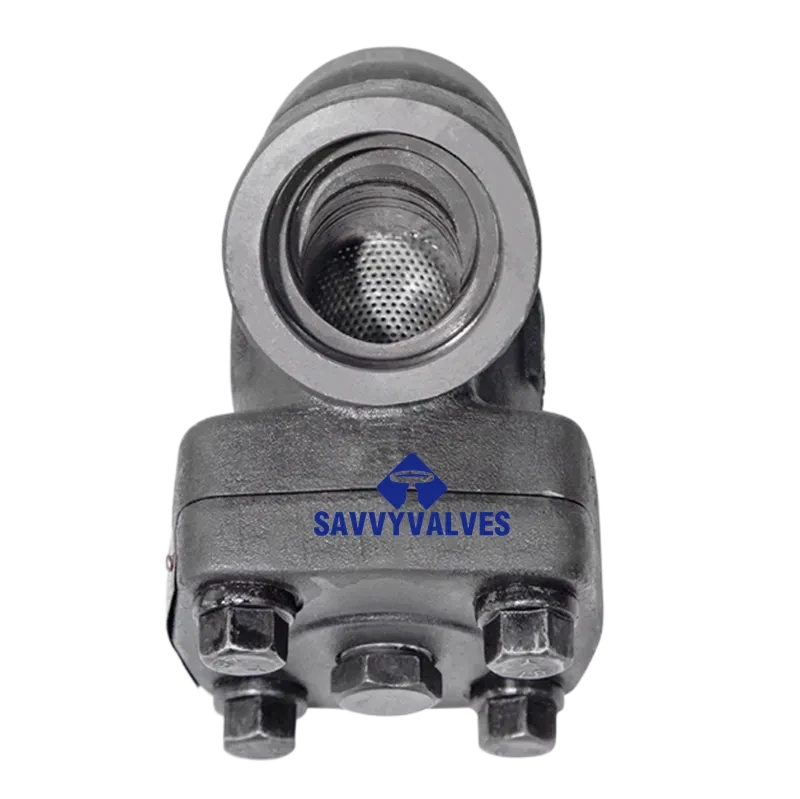 Size 1-1/2″ (DN40)
Pressure Rating Class 800 (ASME B16.34)
Design Type Y pattern, bolted cover
End Connections [e.g., Raised Face (RF) / Ring Type Joint (RTJ) flanges to ASME B16.5, or socket weld / NPT to ASME B16.11]
Screening Perforated basket or mesh screen (see options)
Filtration Rating [e.g., 0.5 mm – 3.0 mm perforation / 20 – 200 mesh]
Applicable Media Water, oil, gas, steam, condensate, non aggressive fluids
Temperature Range -29°C to +425°C (depending on gasket & screen material)
Flow Direction Arrow on body indicates flow (fluid enters cap side, exits opposite)
-
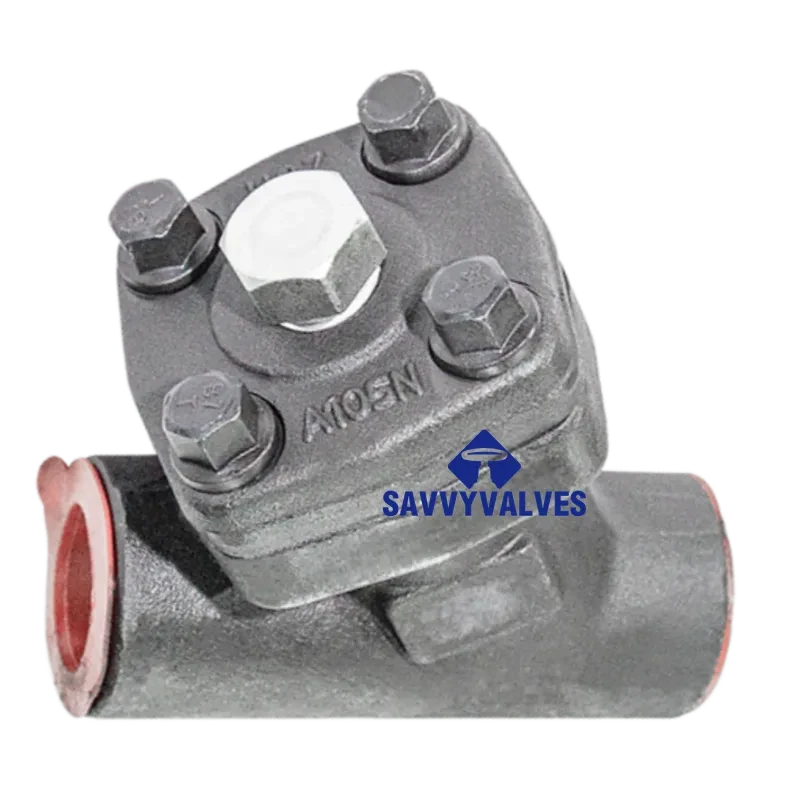 Size 1″ (DN25)
Pressure Rating Class 600 (ASME B16.34)
Design Type Y pattern, bolted cover
End Connections [e.g., Raised Face (RF) / Ring Type Joint (RTJ) flanges to ASME B16.5, or socket weld / NPT to ASME B16.11]
Screening Perforated basket or mesh screen (see options)
Filtration Rating [e.g., 0.5 mm – 3.0 mm perforation / 20 – 200 mesh]
Applicable Media Water, oil, gas, steam, condensate, non aggressive fluids
Temperature Range -29°C to +425°C (depending on gasket & screen material)
Flow Direction Arrow on body indicates flow (fluid enters cap side, exits opposite)
Um filtro-filtro é um dispositivo usado em tubulações para remover sólidos, detritos ou partículas indesejadas de líquidos ou gases. Ele atua como um filtro mecânico, capturando partículas através de uma tela perfurada ou de malha, permitindo a passagem do meio limpo. Os filtros-filtro são essenciais para proteger bombas, válvulas, trocadores de calor e outros equipamentos a jusante contra danos ou entupimentos. Existem vários tipos de filtros, incluindo filtros em Y, filtros em T e filtros de cesto. Os filtros em Y são compactos e normalmente usados em aplicações com baixo nível de detritos, enquanto os filtros de cesto têm uma área de filtragem maior e são adequados para sistemas de alto fluxo. Os filtros podem ser feitos de vários materiais, como aço inoxidável, aço carbono, bronze ou PVC, dependendo da aplicação e do meio. A limpeza ou substituição regular do elemento do filtro é necessária para manter a eficiência. Ao remover impurezas, os filtros-filtro garantem a longevidade do equipamento, reduzem os custos de manutenção e melhoram o desempenho geral do sistema. Eles são comumente usados em tratamento de água, processamento químico, petróleo e gás, alimentos e bebidas e sistemas HVAC, onde a pureza do fluido e a confiabilidade do fluxo são essenciais.


 Portuguese
  English
  Arabic
  Azerbaijani
  Czech
Czech  Dutch
Dutch  French
  German
  Indonesian
  Italian
  Japanese
  Korean
  Malay
Malay  Persian
  Polish
  Russian
  Spanish
  Thai
Thai  Vietnamese