
Injap Periksa
-
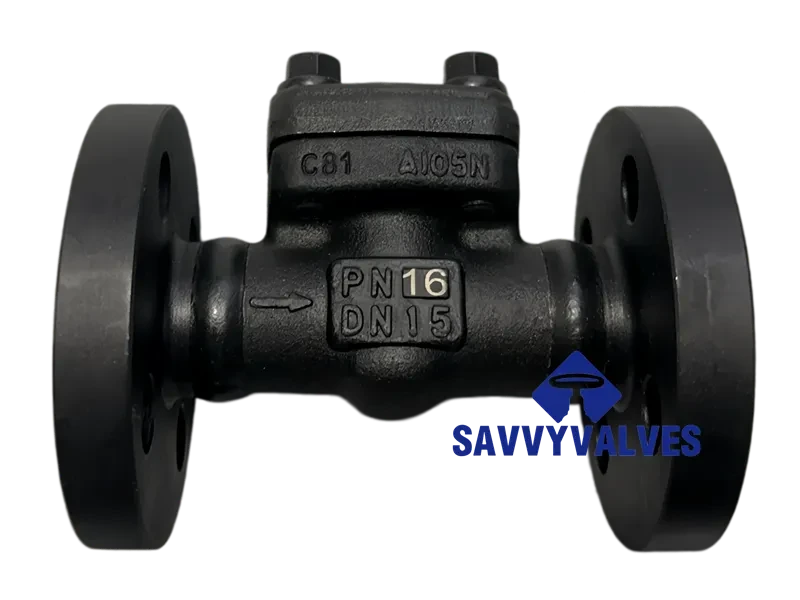 Design Standard DIN 3356
Nominal Size DN15
Pressure Class PN16
Structure Type Lift Type, Bolted Bonnet
Connection Type Welded Flange
Installation Horizontal Piping
Body Material ASTM A105 (Forged Carbon Steel)
-
 Design Standard API 594 / API 6D / ASME B16.34 / ISO 5752
Face-to-Face API 594 Short Pattern / ISO 5752 Series 20
Flange Drilling ASME B16.5 / ASME B16.47 / EN 1092-2
Inspection & Test API 598 / ISO 5208 / EN 12266-1
Pressure Rating Class 150 / 300 / 600 / 900 / 1500 / 2500
Size Range 2″ – 60″ (DN50 – DN1500)
-
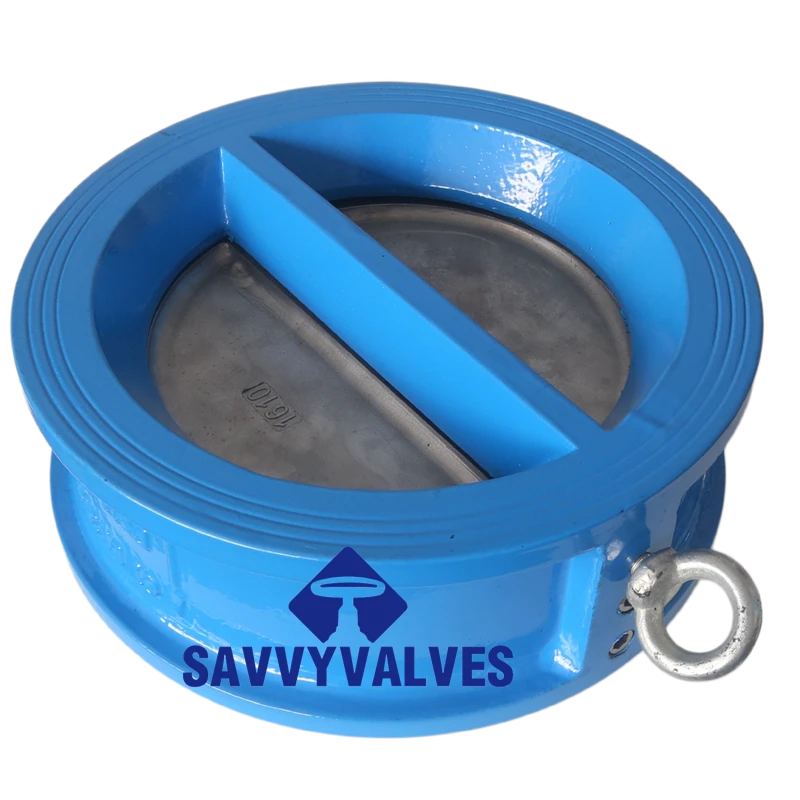
 Valve Type Double Plate Wafer Check Valve (Dual Plate Check Valve)
Nominal Size DN300 (12 inch)
Pressure Rating 150 LB (Class 150)
End Connection Wafer Type (Fits between ASME B16.5 Flanges)
Design Structure Dual Plate / Non-Slam
Medium Water, Oil, Gas, and Mild corrosive media
-
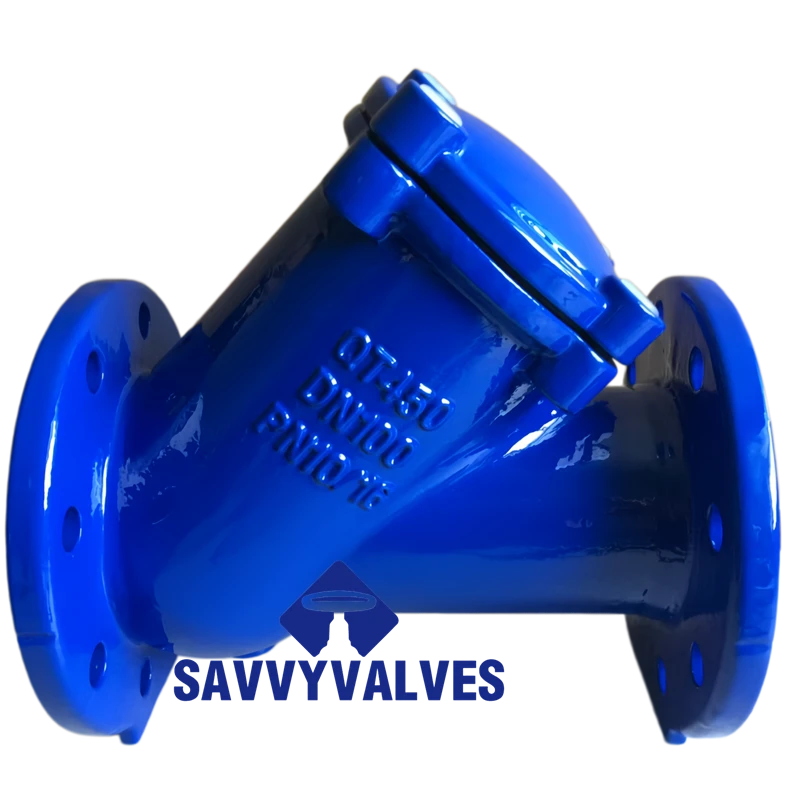 Valve Type Ball Check Valve (Free Floating Ball Design)
Body Material Ductile Iron (ASTM A536 Grade 65-45-12 / GGG-50)
Ball Material Carbon Steel + Fully Lined EPDM
Nominal Size 2″ – 12″ (DN50 – DN300)
Pressure Rating Class 125 / Class 150 / PN10 / PN16
End Connection Flanged (FF / RF) / Threaded (NPT / BSP)
Design Standard API 594 / Manufacturer Standard
-
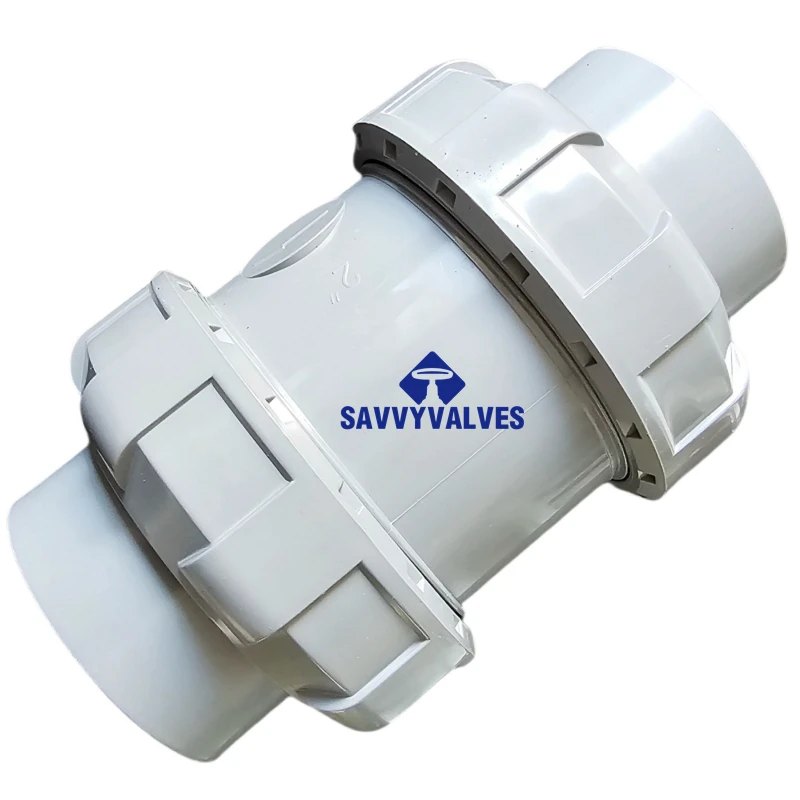 Jenis: 2-Way, True Union, Injap Semak Bola Terapung
Operasi: Bertindak Sendiri (Tiada Penggerak Luar Diperlukan)
Piawaian Reka Bentuk: ASTM D1784 (Piawaian Bahan CPVC)
Sambungan Tamat: Soket (Simen Pelarut untuk Paip CPVC)
Saiz: 2” (DN50)
Penilaian Tekanan: 150 LB (Sesuai untuk Sistem Paip CPVC)
Julat Suhu: -20°C hingga +120°C
-
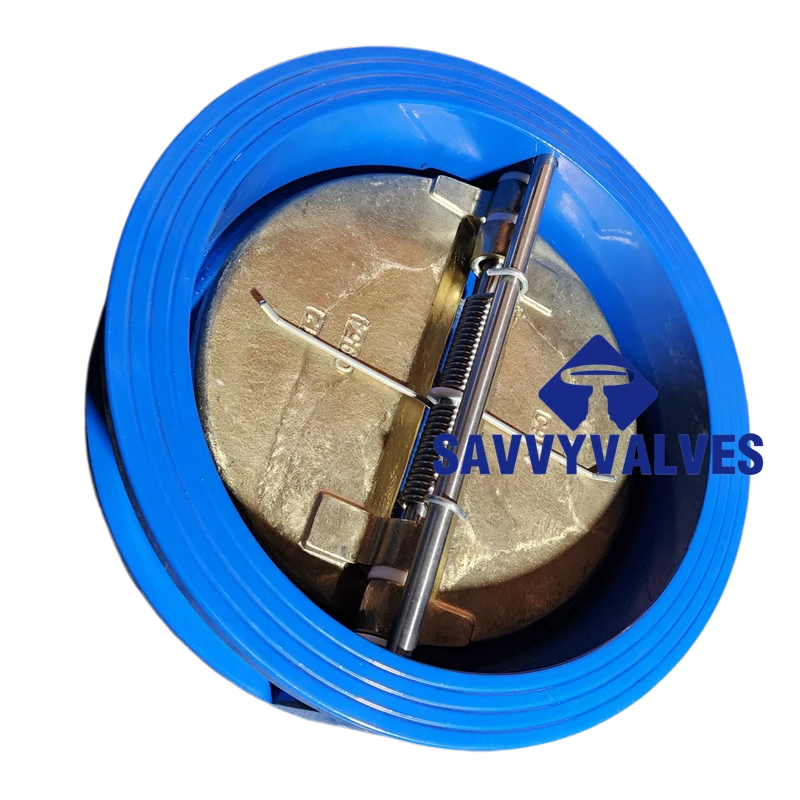
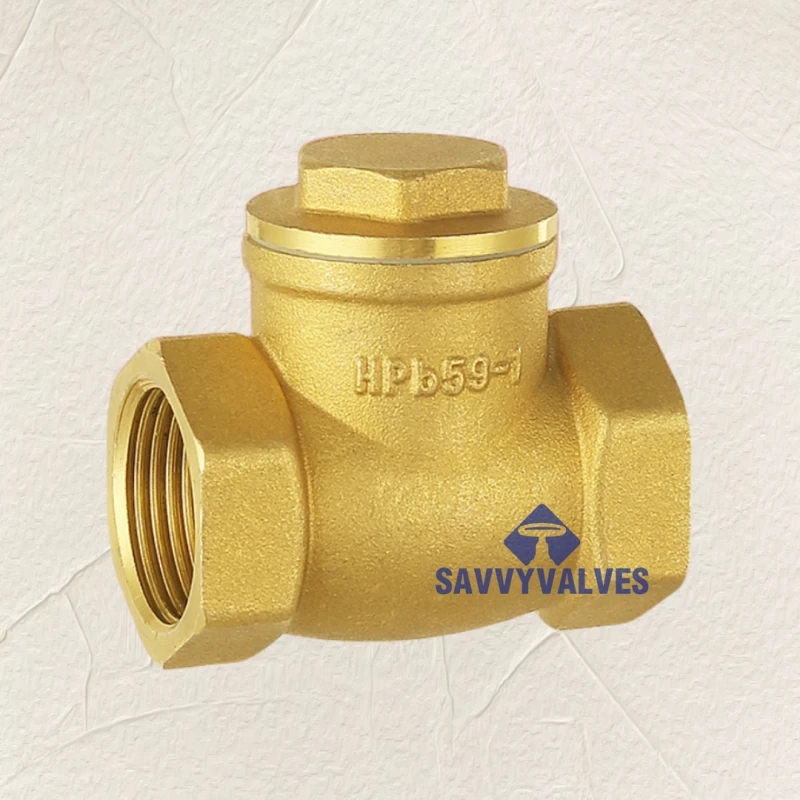 GAMBAR MENUNJUKKAN SPESIFIKASI SEPERTI DI BAWAH
SAIZ:DN25
PENILAIAN:PN16
BADAN DAN BONNET : BRASS
CAKERA: BRASS
BATANG: LOMBENG
TEMPAT DUDUK: LOMBENG
-
 Valve Type Dual Plate Wafer Check Valve
Design Type Wafer, Dual Plate (Spring-loaded tilting disc)
Nominal Size (DN) DN50 ~ DN600 (2″ ~ 24″)
Pressure Rating PN10 / PN16 / PN25; Class 125LB / 150LB
End Connection Wafer Type (clamped between flanges)
Face-to-Face Standard API 594 / ISO 5752 / EN 558
Design Standard API 594 / JB/T 8937 / DIN 3356
Testing Standard API 598 / GB/T 13927 / ISO 5208
Certification CE, WRAS, ACS and other certifications available
-
 Available Size Range 2″ – 48″ (DN50 – DN1200)
Pressure Class ASME Class 150 / PN 10, PN 16 (standard); Class 300 on request
Body Type Wafer, Dual Plate
Body Base Material CF8M (ASTM A351 Gr. CF8M) — Cast equivalent of AISI 316 Stainless Steel
Internal Lining Material EPDM Rubber (Ethylene Propylene Diene Monomer)
Lining Coverage Full internal coverage: body bore, disc surfaces, hinge pin, spring housings, and seal faces
Lining Thickness 3 mm – 5 mm (uniform, non-porous, vulcanized / bonded)
Disc Base Material CF8M (ASTM A351 Gr. CF8M), fully encapsulated in EPDM
-
 Size Range DN50 – DN600 (2″ – 24″)
Pressure Ratings PN10 / PN16 / Class 125 / Class 150 / Class 300
Design Standards API 594, ASME B16.34, ISO 5752
Face-to-Face Dimensions ASME B16.10, EN 558, API 609, BS 5155, DIN 3202
Flange Accommodation ASME B16.42, DIN PN10/PN16, BS 4504, ISO 7005
End Connections Wafer type, flanged (RF, FF), plain face
A check valve, also known as a non-return valve, is a type of valve that allows fluid or gas to flow in one direction only, preventing backflow that could damage equipment or disrupt system performance. It operates automatically and doesn’t require manual or external control. Inside the valve, a disc or similar mechanism opens when fluid flows in the intended direction and closes if the flow reverses. There are several types of check valves, such as swing, lift, ball, and diaphragm types, each designed for specific applications or media. For instance, swing check valves are commonly used in water and wastewater systems, while lift check valves are more suitable for high-pressure lines. Check valves are critical in protecting pumps, compressors, and pipelines from backflow damage, maintaining pressure, and preventing contamination. Their simple, self-operating design makes them ideal for both industrial and domestic use, especially in systems where reliability and safety are essential.


 Malay
 English
 Arabic
 Azerbaijani
 Czech
 Dutch
 French
 German
 Indonesian
 Italian
 Japanese
 Korean
 Persian
 Polish
 Portuguese
 Russian
 Spanish
 Thai
 Vietnamese