
Zpětné ventily
-
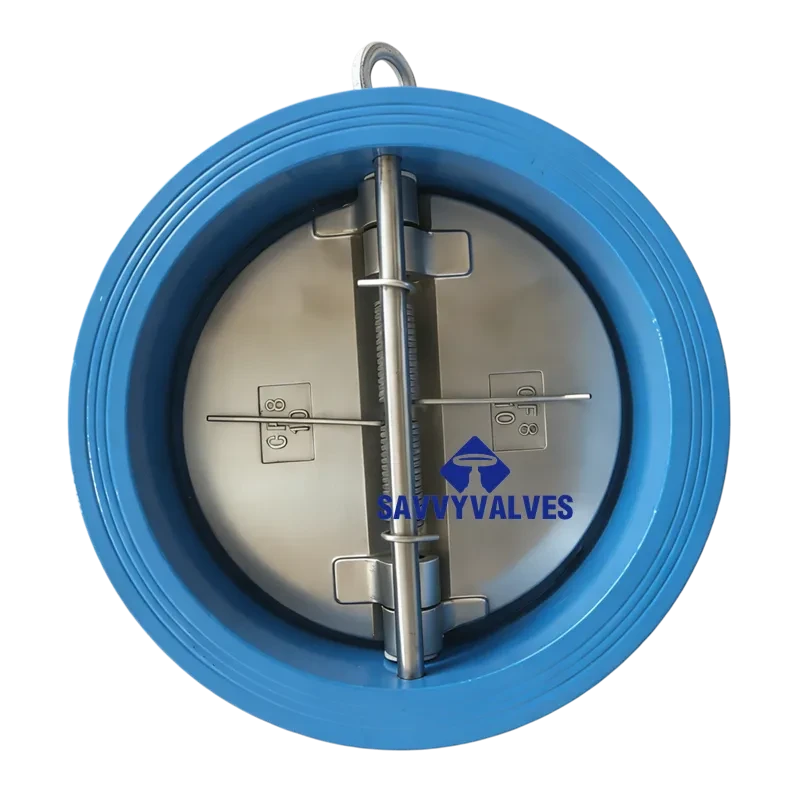 Product Name Wafer Dual Plate Check Valve / Wafer Double Door Check Valve
Type/Series General Purpose (e.g., Series equivalent to Pegler V909, Oventrop, Honeywell Impact)
Nominal Diameter DN250 (10 inches)
Nominal Pressure PN16
End Connection Wafer Type Design, designed for installation between PN16 flanges (According to EN 1092-2, ISO 7005-2, or ASME B16.5 Class 150)
Design Structure Dual Plate / Double Door with Spring-Loaded Hinge
-
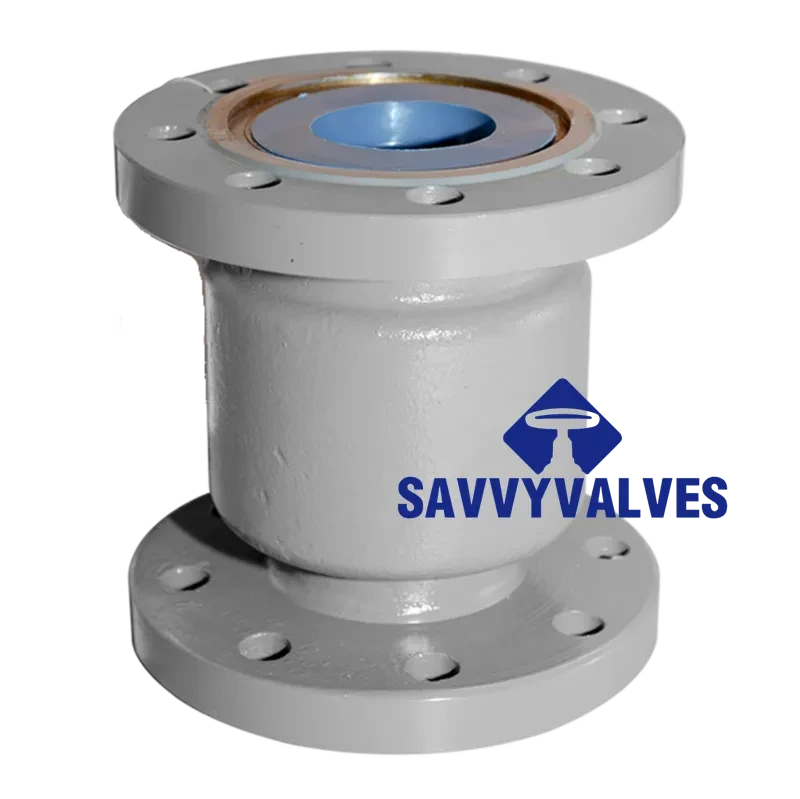 Nominal Size DN80
Pressure Rating PN40 (4.0 MPa / 40 bar / 580 psi)
Connection Type Flanged, Raised Face (RF)
Flange Standard EN 1092 1 (Type B1 or B2) / ASME B16.5 optional
Design Standard API 594 (Type B – wafer or lug) or manufacturer specific
Face to Face Dimension Wafer type: per API 594 / EN 558 Series 48 (approx. 60 – 70 mm)
Construction Axial flow – streamlined body, centre guided disc, spring assisted closure
Body Material WCB (Carbon Steel) / CF8M (316 SS) / Ductile Iron
Disc / Trim Stainless steel (CF8M) with optional Stellite hardfacing
-
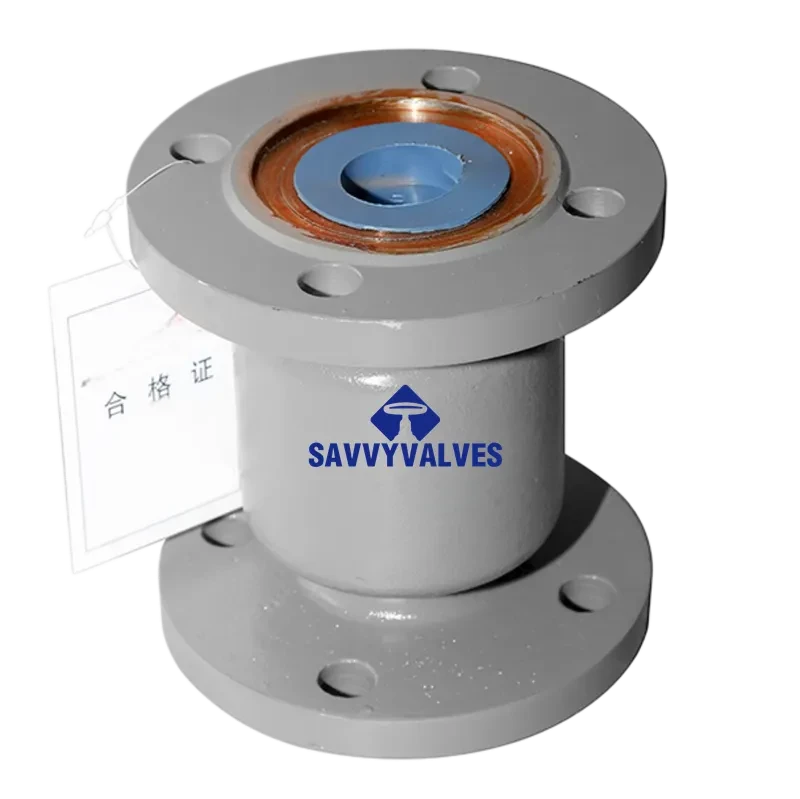 Nominal Diameter (DN) 50 mm
Nominal Pressure (PN) 40 bar
Connection Type RF (Raised Face Flange)
Design Type Axial, Spring-Assisted
Applicable Media Water, Oil, Steam, Gas, etc.
Media Temperature Range -20°C ~ +200°C
Body Material Carbon Steel WCB / Stainless Steel 304 / 316
Disc Material SS 304/316 + Stellite hard-faced sealing
Seat Seal Metal Hard Seal / Soft Seal (PTFE)
Spring Material SS 316 / Inconel X-750
Flange Standard EN 1092-1 (PN40) / ASME B16.5 (Class 300)
Cracking Pressure ≤ 0.1 bar
Full Flow Pressure Drop ≤ 0.02 bar
-
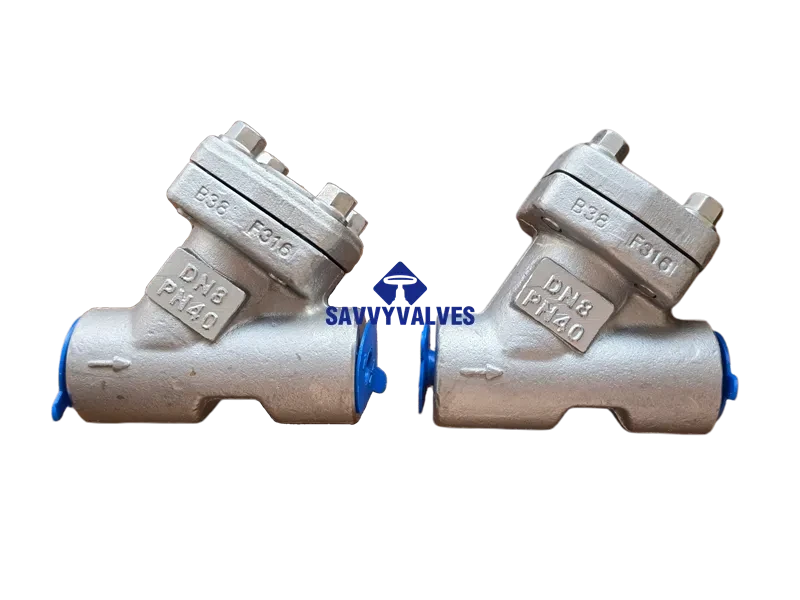 Nominal Diameter (DN) DN8
Nominal Pressure (PN) PN40 (40 bar)
Body Configuration Y Pattern
Valve Type Lift Check (Spring-loaded)
Applicable Media Water, oil, gas, non-corrosive or mildly corrosive media
Temperature Range -20°C to +180°C (depending on sealing material)
End Connections Threaded / Socket Weld / Butt Weld (optional)
Flow Direction Unidirectional, arrow marked on body
-
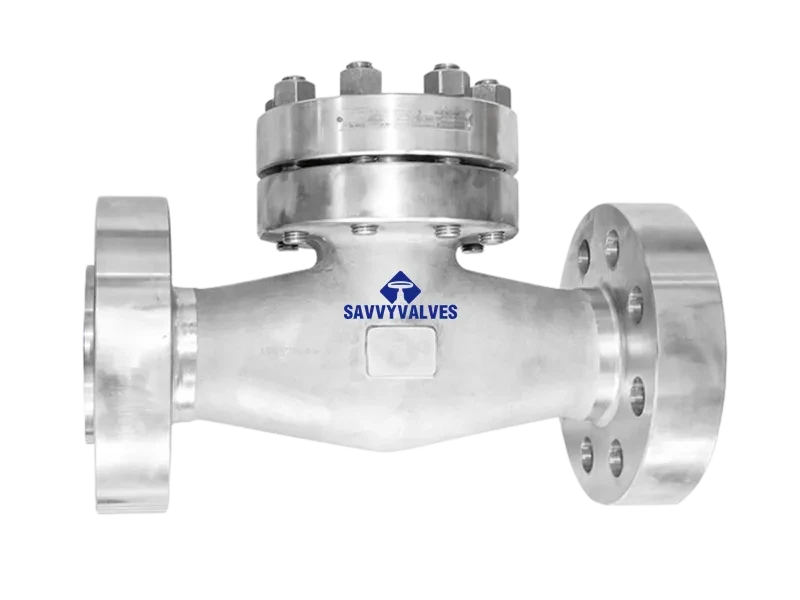 Nominal Size 2″ (DN50)
Pressure Rating Class 2500 (PN 420)
Valve Type Lift Check Valve – Automatic Non Return
Body Construction Pressure Seal Bonnet (recommended for Class 2500)
End Connections Flanged – ASME B16.5 Class 2500, Ring Type Joint (RTJ) facing standard
Temperature Range –196°C ~ +650°C (depending on trim)
Suitable Media Sour gas, seawater, high pressure steam, superheated water, corrosive chemicals, acidic environments
Flow Direction Horizontal (preferred) or vertical with upward flow
-
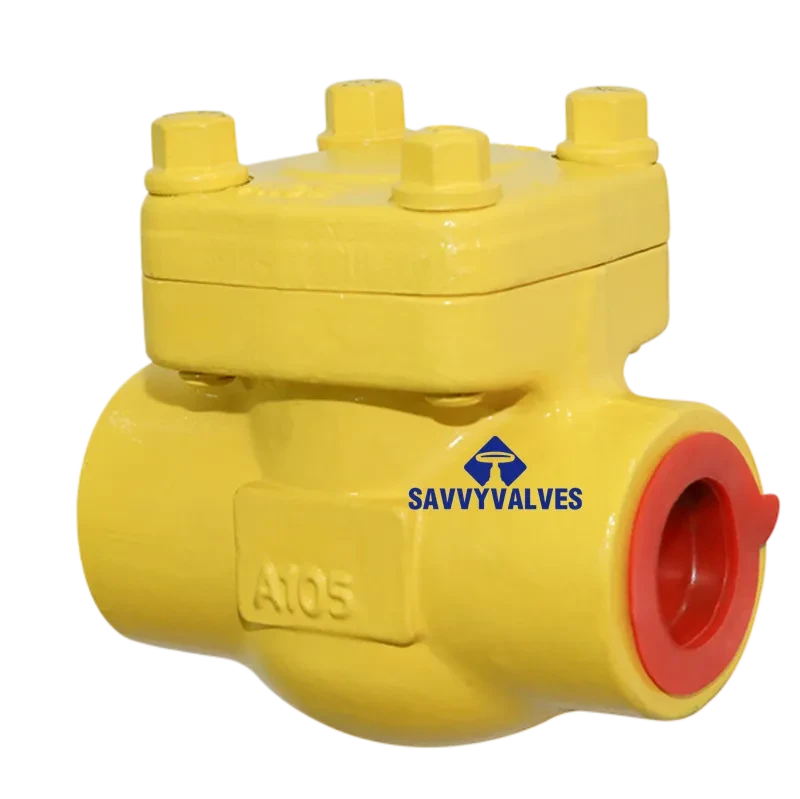 Valve Type Lifting Check Valve (Piston / Disc Type)
Nominal Size 1 inch (DN25)
Pressure Rating Class 600
Connection Type Socket Weld (SW) Ends
Body / Bonnet Material ASTM A105 (Carbon Steel) or ASTM A182 F316 (Stainless Steel)
Operation Automatic (Flow-dependent)
A check valve, also known as a non-return valve, is a type of valve that allows fluid or gas to flow in one direction only, preventing backflow that could damage equipment or disrupt system performance. It operates automatically and doesn’t require manual or external control. Inside the valve, a disc or similar mechanism opens when fluid flows in the intended direction and closes if the flow reverses. There are several types of check valves, such as swing, lift, ball, and diaphragm types, each designed for specific applications or media. For instance, swing check valves are commonly used in water and wastewater systems, while lift check valves are more suitable for high-pressure lines. Check valves are critical in protecting pumps, compressors, and pipelines from backflow damage, maintaining pressure, and preventing contamination. Their simple, self-operating design makes them ideal for both industrial and domestic use, especially in systems where reliability and safety are essential.


 Czech
Czech  English
  Arabic
  Azerbaijani
  Dutch
Dutch  French
  German
  Indonesian
  Italian
  Japanese
  Korean
  Malay
Malay  Persian
  Polish
  Portuguese
  Russian
  Spanish
  Thai
Thai  Vietnamese