
버터플라이 밸브
-
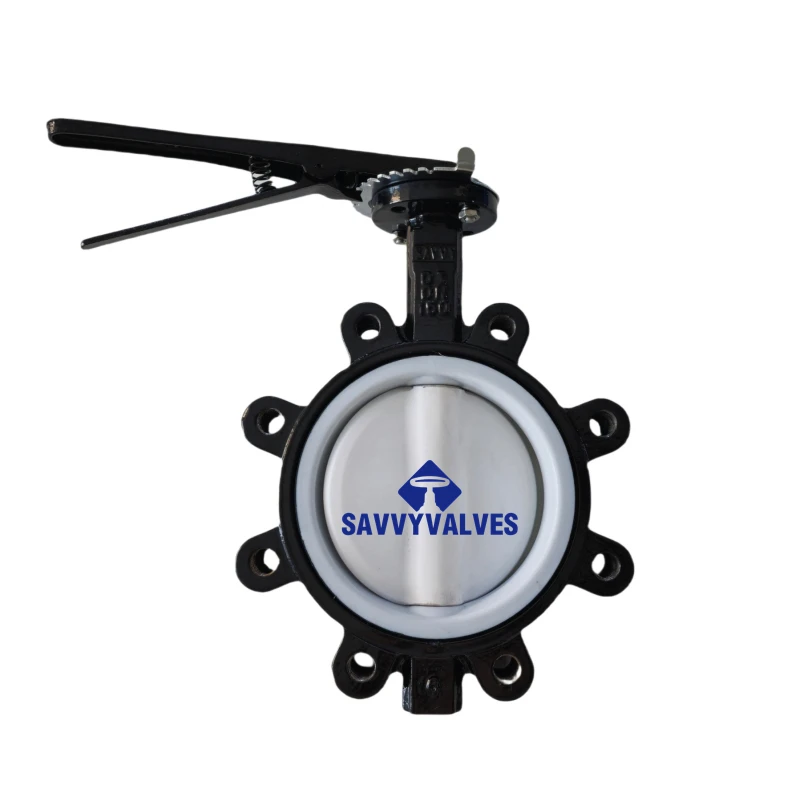 크기: 6인치(DN150)
압력 등급: 150 LB(ASME B16.5)
주요 자료:
본체: ASTM A395(연성주철)
디스크: PTFE 코팅이 된 ASTM A351 CF8M(스테인리스 스틸 316)
스템: AISI 316 스테인리스 스틸
시트: 강화 PTFE(폴리테트라플루오로에틸렌)
작동 방식: 레버 작동
연결부: 나사식 러그식(ASME B16.5 준수)
-
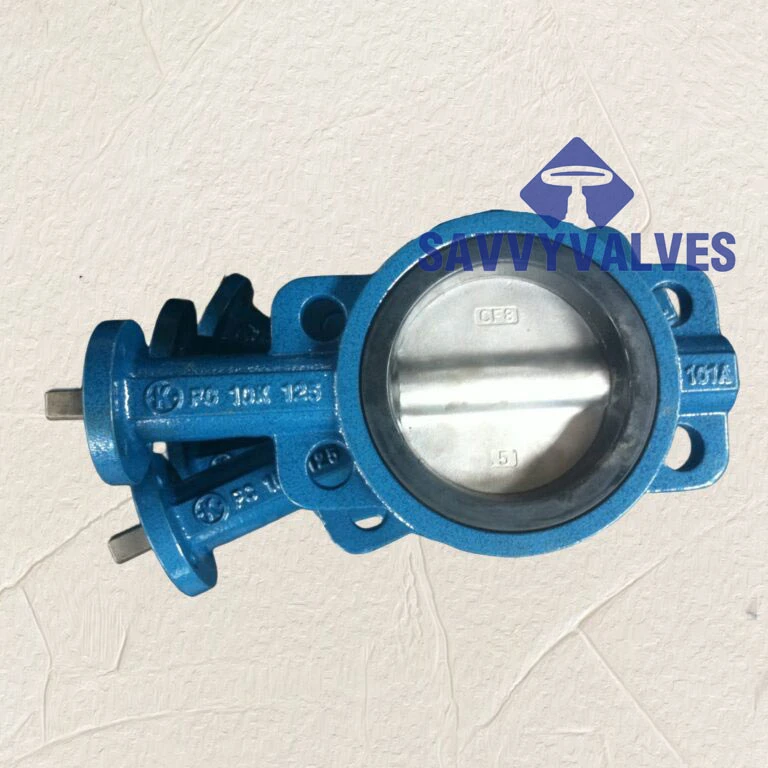 사진은 아래와 같은 사양을 보여줍니다.
크기: 2.5인치
정격: 125파운드
본체: ASTM A536 연성 주철
디스크: ASTM A536 연성 주철 65-45-12
스템: SS416 핀리스
시트: EPDM
작동 방식: 레버 핸들
-
 Design & Manufacturing API 609, ISO 17292, ASME B16.34, EN 593
Pressure-Temperature Ratings ASME B16.34 or EN 12516
Inspection & Testing API 598, ISO 5208, EN 12266
End Connections (Wafer/Lug) ASME B16.5 / B16.47; Double Flanged: ASME B16.5 (short pattern)
Face-to-Face Dimensions API 609 Table 2 (or ISO 5752 Short Pattern)
Fire-Safe API 607 / API 6FA
Sour Service Materials NACE MR0175 / ISO 15156
Fugitive Emissions ISO 15848-1 or TA-Luft
Top Flange / Actuator Mounting ISO 5211
-
 Valve Type Triple Offset Butterfly Valve
Nominal Size DN200 (8 Inch) or as specified
Pressure Rating Class 150 (PN20) or Class 300 / PN optional
End Connection Double Flange (to ASME B16.5 or EN 1092-1)
Operation Motorized Actuator
-
 Nominal Size 3″ (DN80)
Pressure Class Class 150LB (PN10/PN16)
Valve Type Concentric / Resilient Seated Butterfly Valve
Structure Fully Internal Lined
Connection Type Wafer or Lug
Design Standard API 609, MSS SP-67, ISO 5752
Face-to-Face API 609 Table 2 / ISO 5752 Series 20
Flange Standard ASME B16.5 Class 150
Testing Standard API 598 / ISO 5208 Rate A
Operation Lever / Gearbox / Pneumatic / Electric
-
 Pressure Rating Class 600LB (PN100)
Design Standard API 609 (Category B), ASME B16.34, BS EN 593
Face-to-Face Dimensions API 609 / ASME B16.10 / ISO 5752 Series 13 & 20
Flange Connection ASME B16.5 (RF or RTJ)
End Connections Double flanged (long pattern)
Top Flange ISO 5211
-
 Connection Type Wafer-type / flangeless design for installation between flanges
Flow Direction Bi-directional
Disc Design Concentric disc rotates on central axis, minimizing pressure drop and turbulence
Sealing Elastomer seat provides bubble-tight shut-off (zero leakage) and compensates for minor disc misalignment
Stem Design Anti-blowout square-driven stem with lower thrust bearing to reduce friction and prevent galling
Actuator Mounting ISO 5211 compliant top flange for direct actuator mounting
Maintenance Compact, lightweight design with reduced maintenance requirements
-
 Connection Type Wafer type (flangeless) for mounting between standard flanges
Flow Direction Bi directional
Disc Design Concentric disc with central stem, reducing turbulence and pressure drop
Sealing One piece moulded EPDM seat provides drop tight shut off (zero leakage) and compensates for minor disc misalignment
Stem Design Anti blowout stem with square drive top; lower stem bearing reduces friction and wear
Actuator Mounting ISO 5211 top flange for direct mounting of manual levers, gear operators, or actuators
Maintenance Simple, low maintenance design with field replaceable seat
-
 • Valve Design: API 609 Category B (Double Flanged, Double Offset)
• Pressure/Temperature Rating: ASME B16.34 Class 150
• Flange Drilling: ASME B16.47 Series A (MSS SP-44) / ASME B16.5 compatible
• Face-to-Face: Manufacturer’s standard for buried service, based on API 609
• Testing & Inspection: API 598 (Zero Leakage)
• Buried Service Extension: Designed per AWWA M44
A butterfly valve is a type of quarter-turn valve used to regulate, isolate, or start and stop fluid flow in a piping system. It consists of a circular disc or plate mounted on a rotating shaft. When the handle or actuator turns the shaft 90 degrees, the disc moves from a fully closed to a fully open position, allowing flow through the valve. The disc remains in the flow path even when open, which means there is always a slight pressure drop. Butterfly valves are known for their compact design, fast operation, and cost-effectiveness, especially in large-diameter pipelines. They come in various types, such as wafer, lug, and double or triple offset styles, depending on the pressure and sealing requirements. These valves are widely used in industries such as water treatment, HVAC, chemical processing, oil and gas, and food and beverage, due to their reliability, low maintenance, and easy installation.


 Korean
 English
 Arabic
 Azerbaijani
 Czech
 Dutch
 French
 German
 Indonesian
 Italian
 Japanese
 Malay
 Persian
 Polish
 Portuguese
 Russian
 Spanish
 Thai
 Vietnamese