
vannes à boisseau sphérique
-
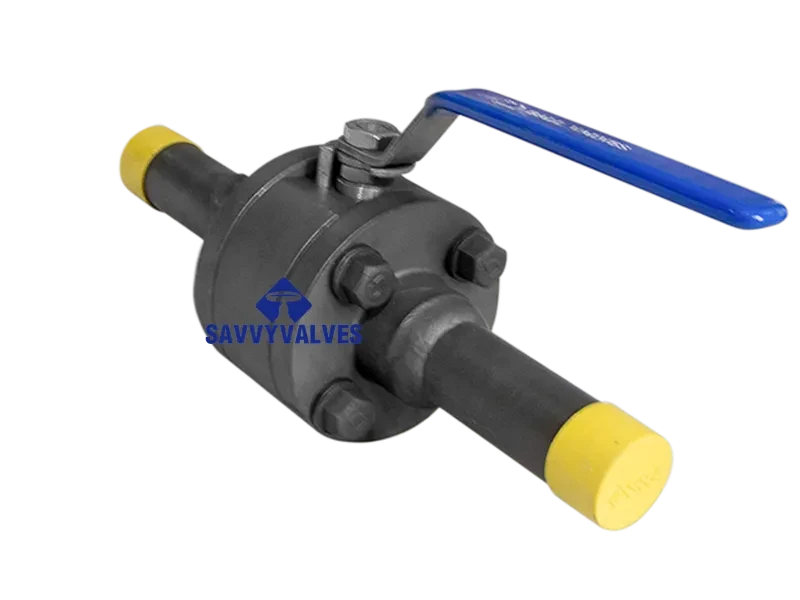 Product Name 1″ Class 800 3-Piece Floating Ball Valve
Model 1″-800LB-FLOATING-BALL-3PC
Nominal Size 1 inch (DN25)
Pressure Class Class 800 LB (PN130 / approx. 2000 PSI)
Construction 3-Piece Body / Floating Ball
End Connection Nipples (NPT male thread)
Body Material To be specified (Options: A105 carbon steel / F304/F316 stainless steel / others)
Service Condition Industrial gases, liquids, oils, water, etc.
-
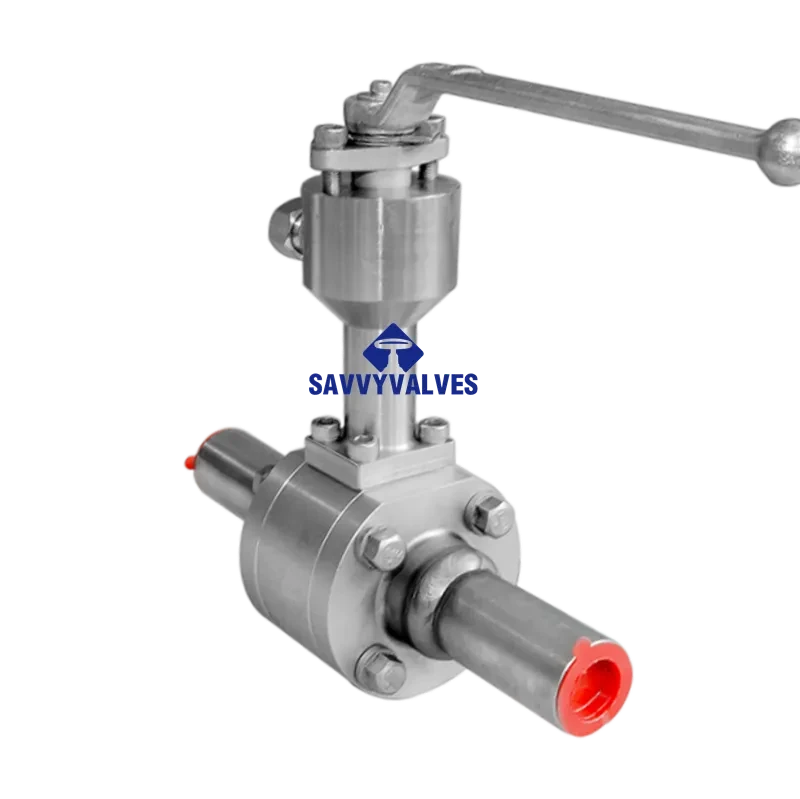 Nominal Size 1 inch (DN 25)
Pressure Class Class 800LB (equivalent to PN 140 bar)
End Connections Integral Nipples (Socket Weld or Butt Weld) – per ASME B16.11 or ASME B16.25
Body Construction 3-Piece (center body with two end caps)
Valve Type Floating ball, full port or reduced port (as specified)
Stem Sealing Live-loaded packing or PTFE/stainless steel bellows (for vacuum service)
Operation Lever handle (standard), gear operator, or actuator (optional)
Vacuum Rating Suitable for high vacuum (1×10⁻⁶ Torr and above)
-
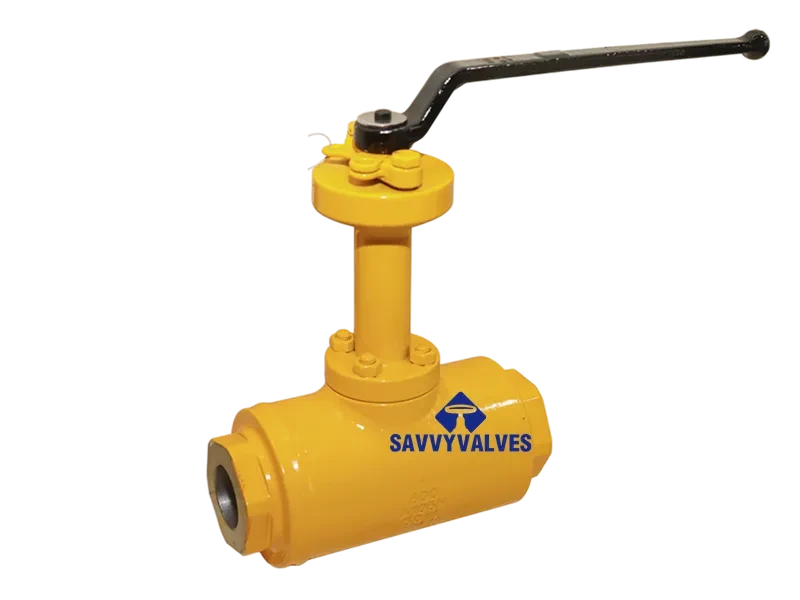 Nominal Size 1″ (DN25)
Pressure Class Class 600 (PN100 / 10.0 MPa – 15.0 MPa depending on standard)
End Connection Socket Weld (SW) – ASME B16.11
Body Construction Full welded – one piece body shell, no bolted bonnet or body flanges
Temperature Range –29°C ~ +300°C (depending on seat/packing materials)
Applicable Media Steam, thermal oil, high temperature water, gases, and corrosive fluids within material limits
Face to Face ASME B16.10 (Class 600)
-
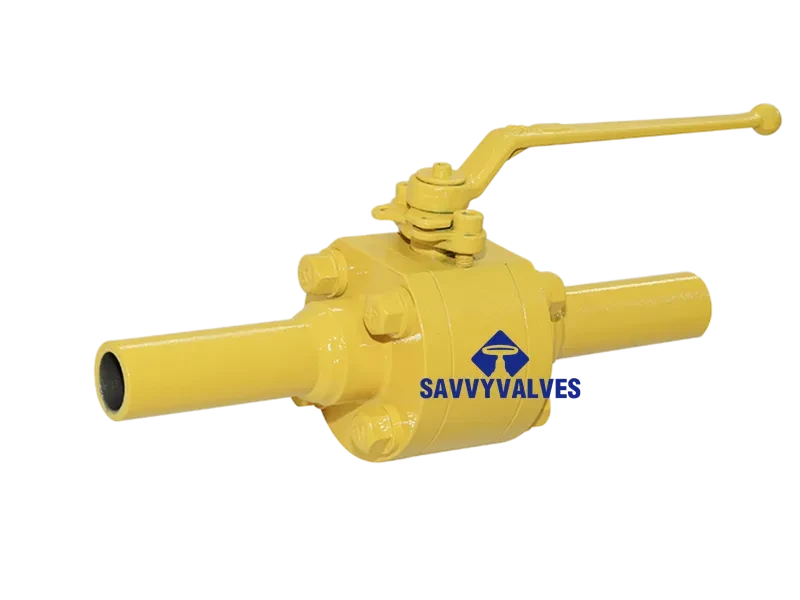 Valve Type Floating Ball Valve (3-Piece Construction)
Nominal Size 1 inch (DN25)
Pressure Rating Class 600
Connection Type Nipples End (Integral NPT male threads or socket weld nipples for direct piping connection)
Seat Type Metal Seated (Hard-faced, typically Stellite, Tungsten Carbide, or Hard Chrome)
Ball Type Floating Ball (pressure-assisted sealing)
Body Construction 3-Piece Bolted Body (Swing-out design for easy maintenance)
Operation Lever Handle (or gearbox, lockable option available)
-
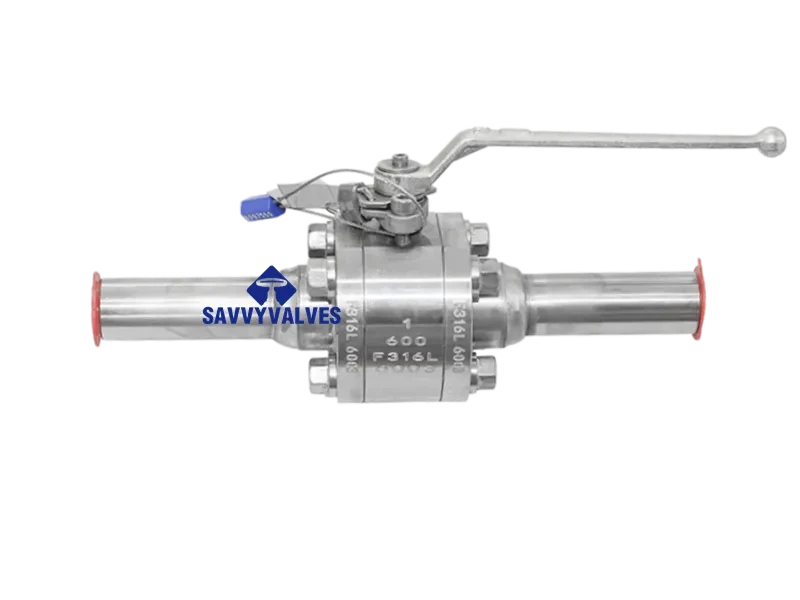 Valve Type Floating Ball Valve (3-Piece Construction)
Nominal Size 1 inch (DN25)
Pressure Rating Class 600
Connection Type Nipples End (Integral or welded NPT / Socket Weld nipples for direct piping connection)
Ball Type Floating Ball (trunnion-less, pressure-assisted sealing)
Operation Lockable Lever Handle (with locking device to prevent unauthorized operation)
Body Construction 3-Piece Bolted Body (Easy maintenance, no special tools required)
-
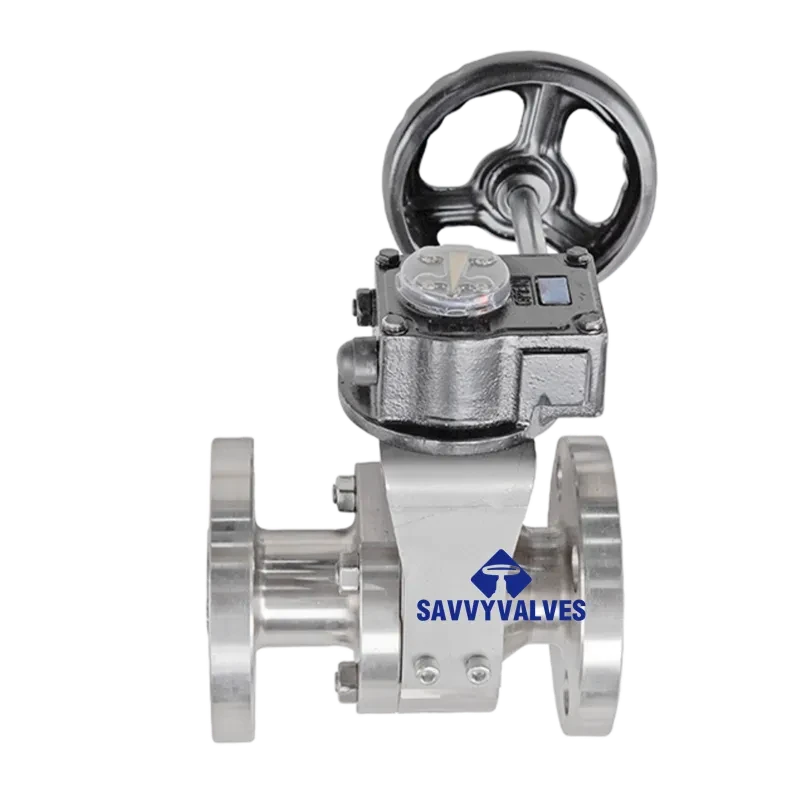 Size 1″ (DN25)
Pressure Rating Class 300 (ASME B16.34)
Design Type Floating ball, two-piece or three-piece body
End Connections [e.g., Raised Face (RF) / Ring Type Joint (RTJ) / Socket Weld / NPT to ASME B16.5 / ASME B16.11]
Applicable Media Seawater, brine, hydrofluoric acid, sulfuric acid, alkaline solutions, chlorinated hydrocarbons, reducing acids
Temperature Range -29°C to +150°C (depending on seat material)
Shut-off Rating Zero leakage (bubble-tight)
-
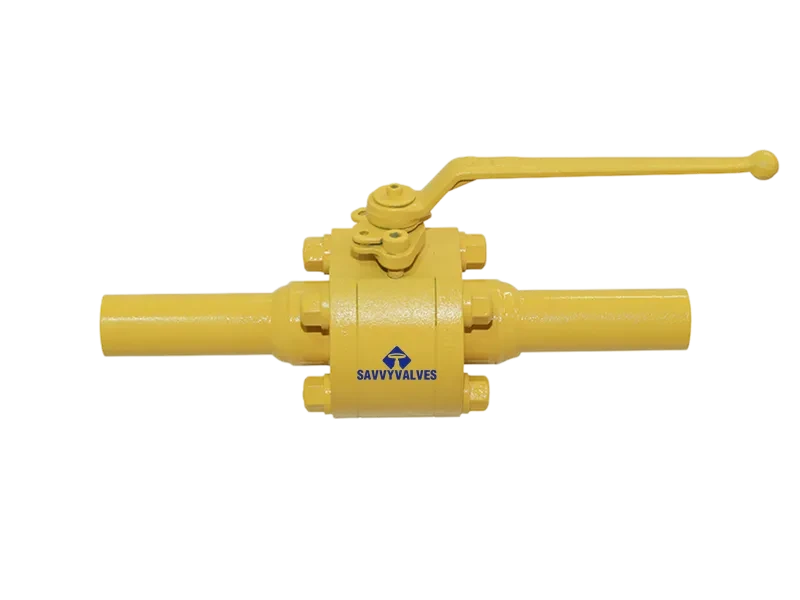 Nominal Size 1 inch (DN25)
Pressure Rating Class 600 LB
Working Pressure Up to 1480 PSI @ 100°F (approx. 102 bar @ 38°C) *Refer to ASME B16.34 pressure-temperature chart*
Temperature Range -29°C to 538°C (-20°F to 1000°F) (Depending on seat and trim materials)
Bore Type Reduced Bore (Standard) / Full Bore (Optional)
Body Type 3-Piece (Three-piece construction)
-
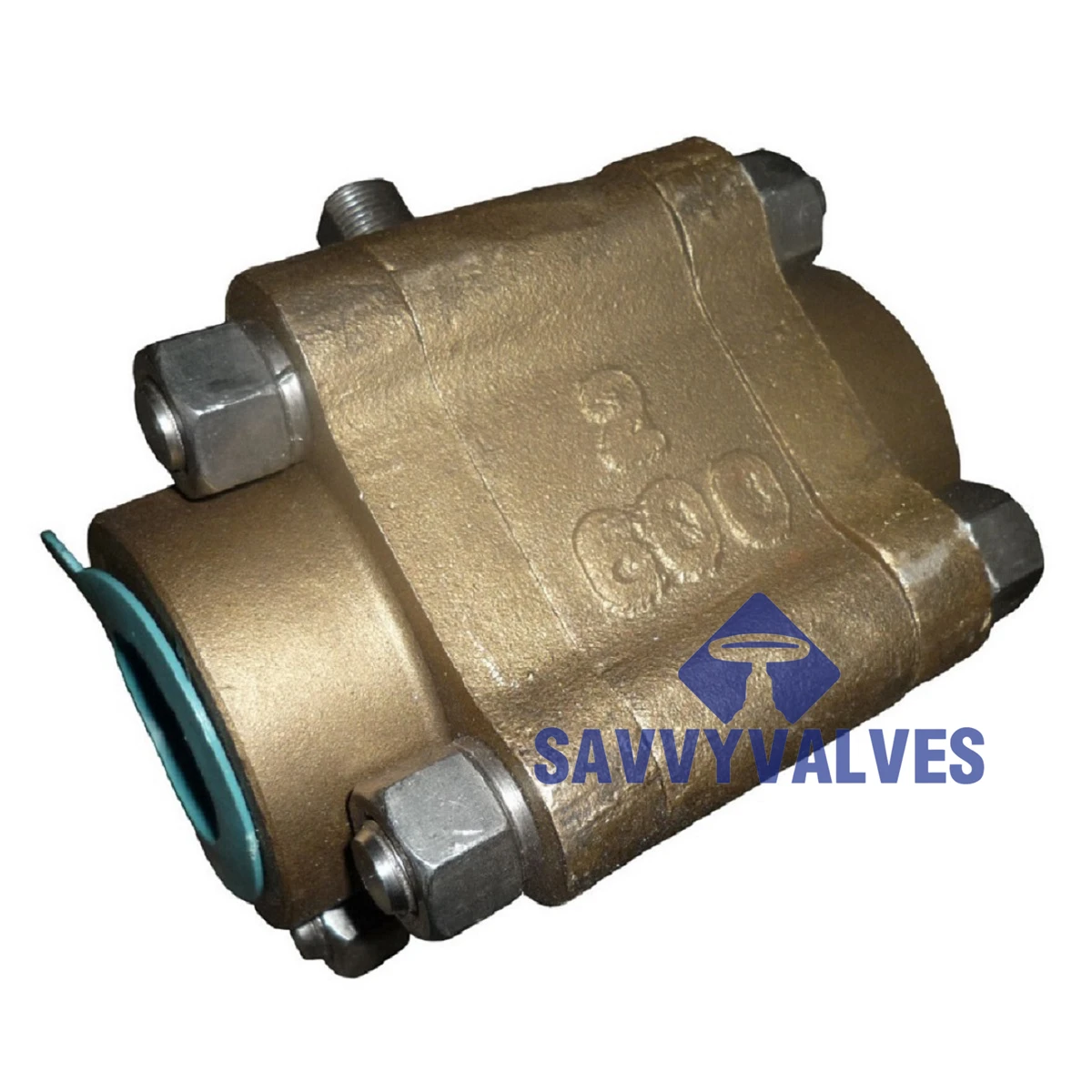 SPÉCIFICATIONS DE L'ÉCHANTILLON
TAILLE : 2″
VALEUR : 600 LB
CARROSSERIE ET CAPOT : B62
BILLE : ASTM A182 F316
TIGE : ASTM A182 F316
SIÈGE : PTFE
ACTIONNEMENT : ROUE
-
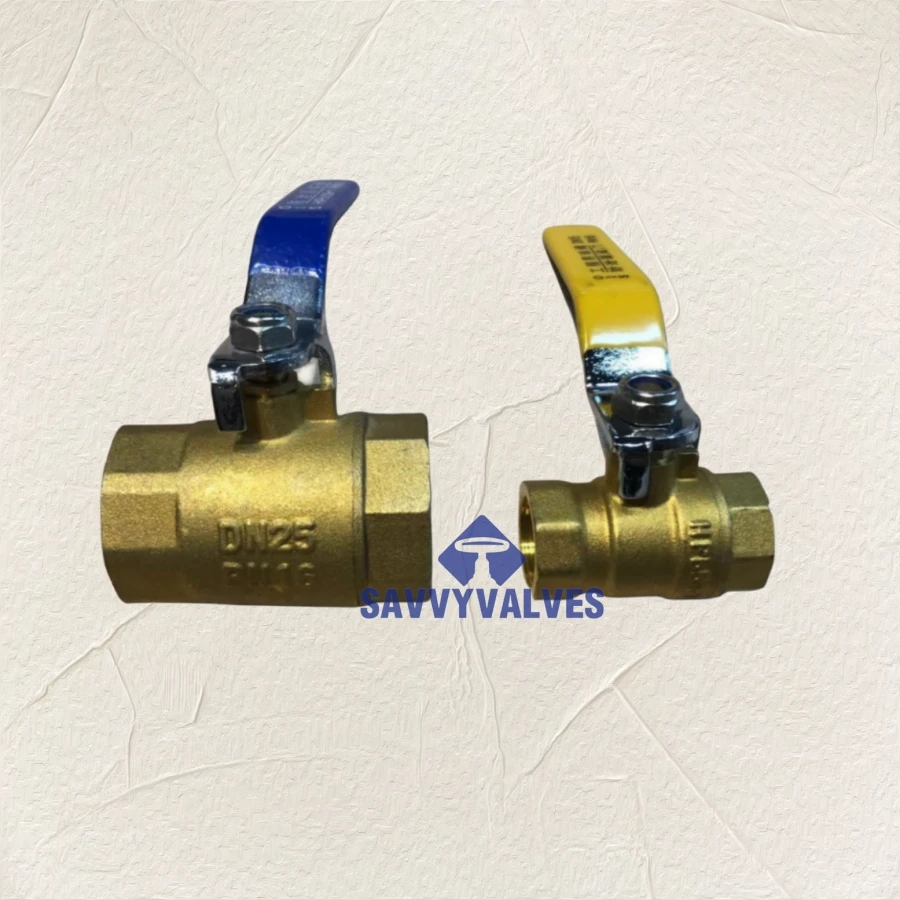 LA PHOTO MONTRE LES SPÉCIFICATIONS CI-DESSOUS
TAILLE : DN25
NOTE : PN16
CORPS ET CAPOT : LAITON
DISQUE : CUIVRES
TIGE : LAITON
SIÈGE : LAITON
ACTIONNEMENT : LEVIER
-
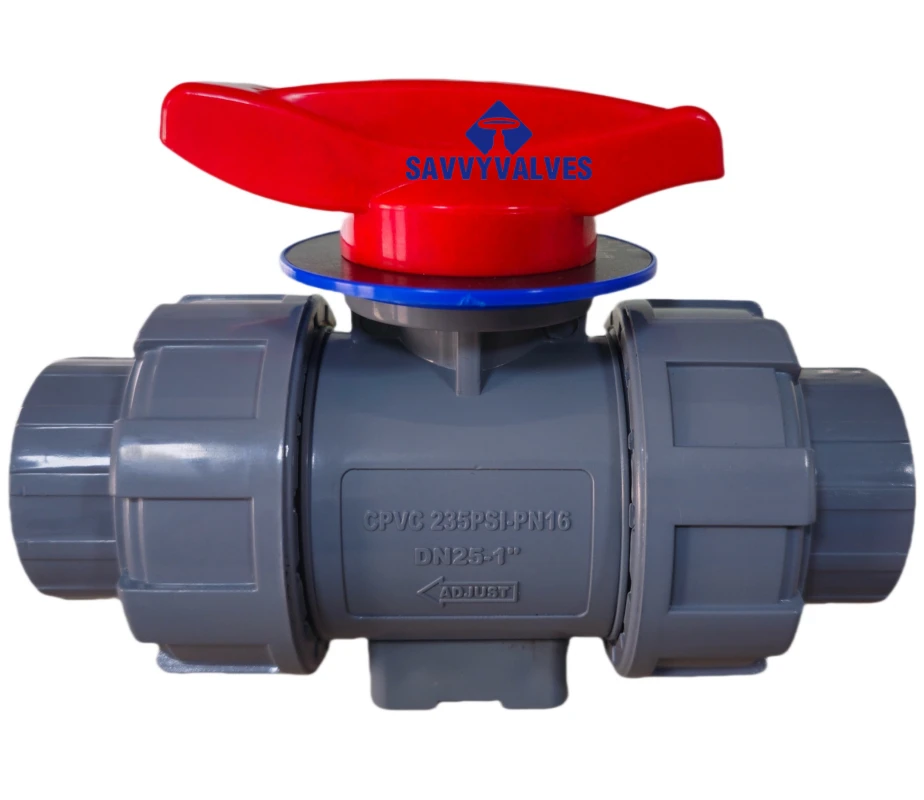 Taille : 1"
Capacité nominale : 150 lb
Principalement des matériaux :
Corps : CPVC
Ballon : CPVC
Tige : CPVC
Siège : PTFE
Joint de corps : PTFE
Opérateur : Levier
Fin : NPT
Structure : bille flottante, tige anti-éclatement, passage complet.
Surface:
Température appropriée : -20℃~120℃
-
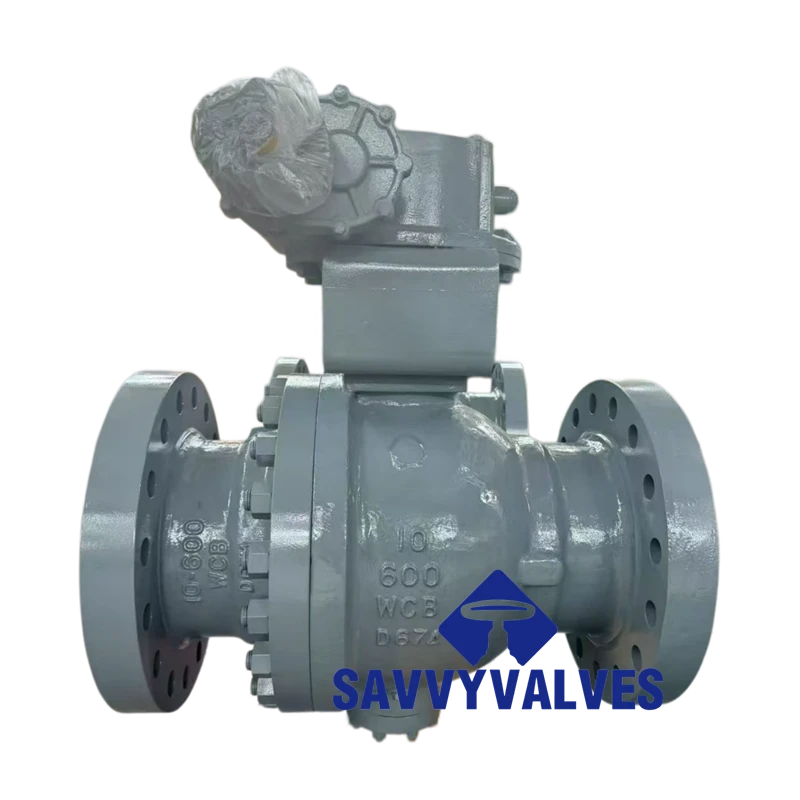 Two-Piece Forged/ Cast Steel Trunnion Mounted Ball Valve
Models: Flanged / Butt Weld, Reduced Bore / Full Bore
-
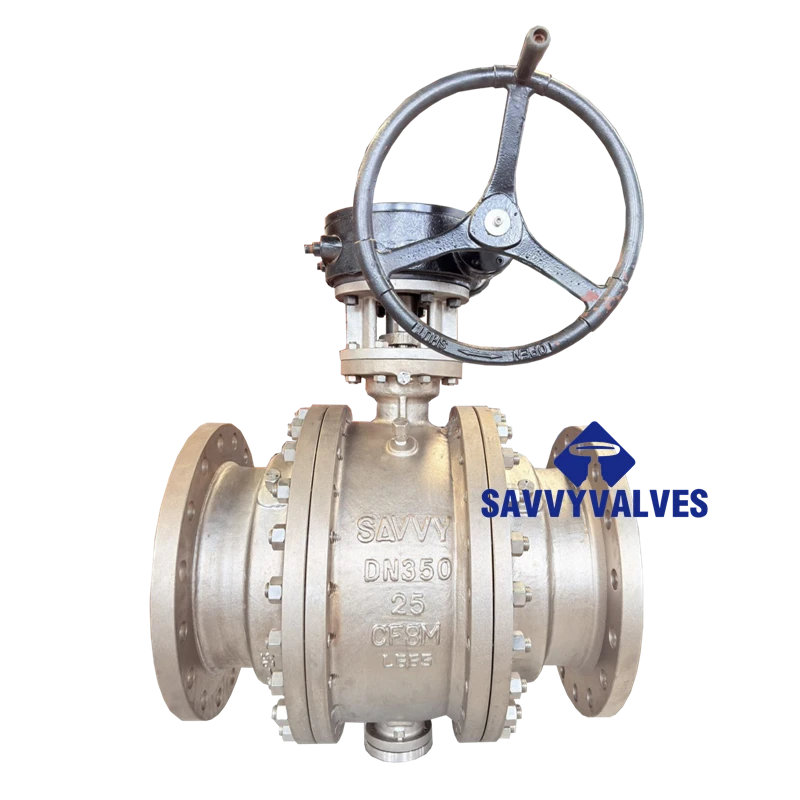 Design & Manufacture GB/T 12237, API 6D, BS 5351
Valve Type Three-Piece, Trunnion Mounted Ball
Body Material CF8M (AISI 316)
Ball Material 316 Stainless Steel (Hard Chrome Plated or Coated)
Stem Material 316 Stainless Steel (Anti-Blowout Design)
Seat Material 316 Stainless Steel + PTFE (Politetrafluoroethylene)
Stem Seal / Packing Flexible Graphite + PTFE
Operation Worm Gear Operator
Flange Connection GB/T 9113, HG/T 20592, ASME B16.5, BS EN1092-1
Pressure Rating PN25 / Class150
A ball valve is a type of quarter-turn valve that controls flow using a hollow, perforated, and pivoting ball inside the valve body. When the ball’s hole is aligned with the pipeline, fluid flows freely; when rotated 90 degrees, the flow is completely blocked. This simple mechanism makes ball valves highly reliable for shutoff and control applications. Ball valves are known for their tight sealing performance, durability, and ease of operation. They can handle high pressure and temperature conditions, and are suitable for gas, liquid, or even corrosive media, depending on the materials used. With minimal pressure drop and fast on-off control, ball valves are widely used in industries like oil and gas, water treatment, chemical processing, and general plumbing. They come in various types such as two-way, three-way, floating, and trunnion-mounted, and can be operated manually, pneumatically, or electrically.


 French
  English
  Arabic
  Azerbaijani
  Czech
Czech  Dutch
Dutch  German
  Indonesian
  Italian
  Japanese
  Korean
  Malay
Malay  Persian
  Polish
  Portuguese
  Russian
  Spanish
  Thai
Thai  Vietnamese