
Van bướm
-
 ẢNH HIỂN THỊ THÔNG SỐ KỸ THUẬT NHƯ DƯỚI ĐÂY
KÍCH THƯỚC: 30″
ĐÁNH GIÁ: 150LB
THÂN: ASTM A216 WCB
ĐĨA: ASTM A351 CF8M
KHOA HỌC: SS316
GHẾ: EPDM
TRUYỀN ĐỘNG: BỘ TRUYỀN ĐỘNG ĐIỆN
-
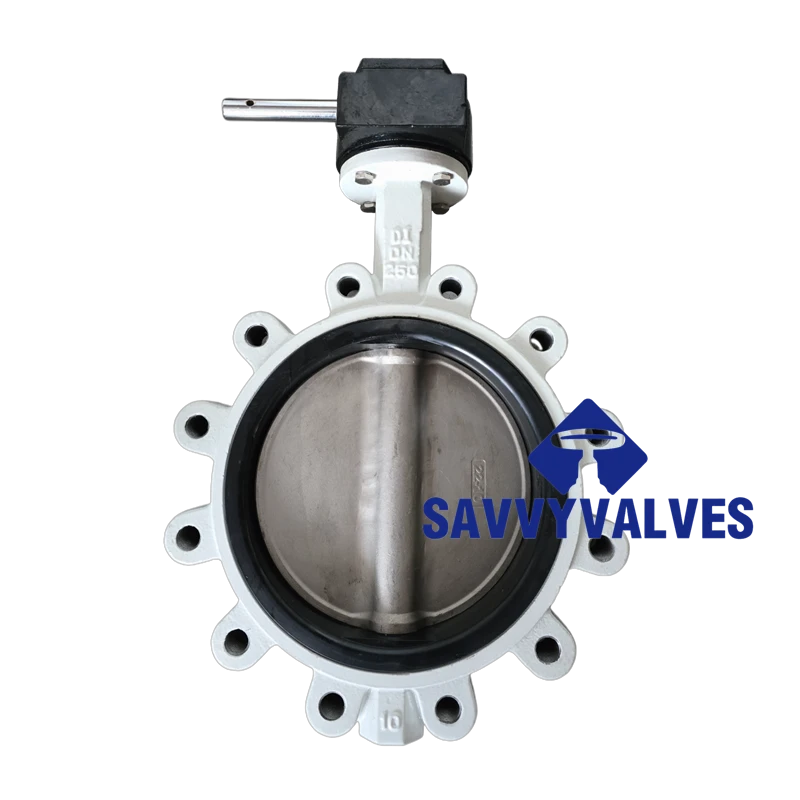 Nominal Diameter (DN) DN50 ~ DN600 (Optional)
Nominal Pressure (PN) PN10/16 (Class 150), JIS 10K/16K
Temperature Range -20°C to +120°C (EPDM Seat)
-10°C to +180°C (PTFE Seat)
Applicable Media Water, Air, Oil, Weakly Corrosive Liquids
Connection Type Wafer-Type (ASME B16.5 / EN 1092-1/JIS B2220)
Actuation Lever, Gear, Pneumatic, Electric
-
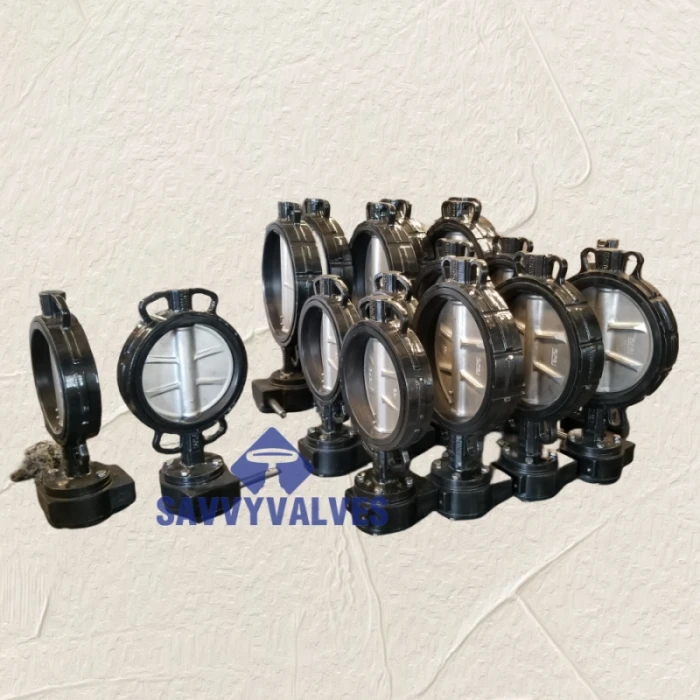 ẢNH HIỂN THỊ THÔNG SỐ KỸ THUẬT NHƯ DƯỚI ĐÂY
KÍCH THƯỚC: 8″~14″
ĐÁNH GIÁ: 200WOG
THÂN: ASTM A216 WCB
ĐĨA: ASTM A351 CF8
GỐC: SS416 KHÔNG CÓ KIM
GHẾ: NBR
TRUYỀN ĐỘNG: BỘ SỐ
-
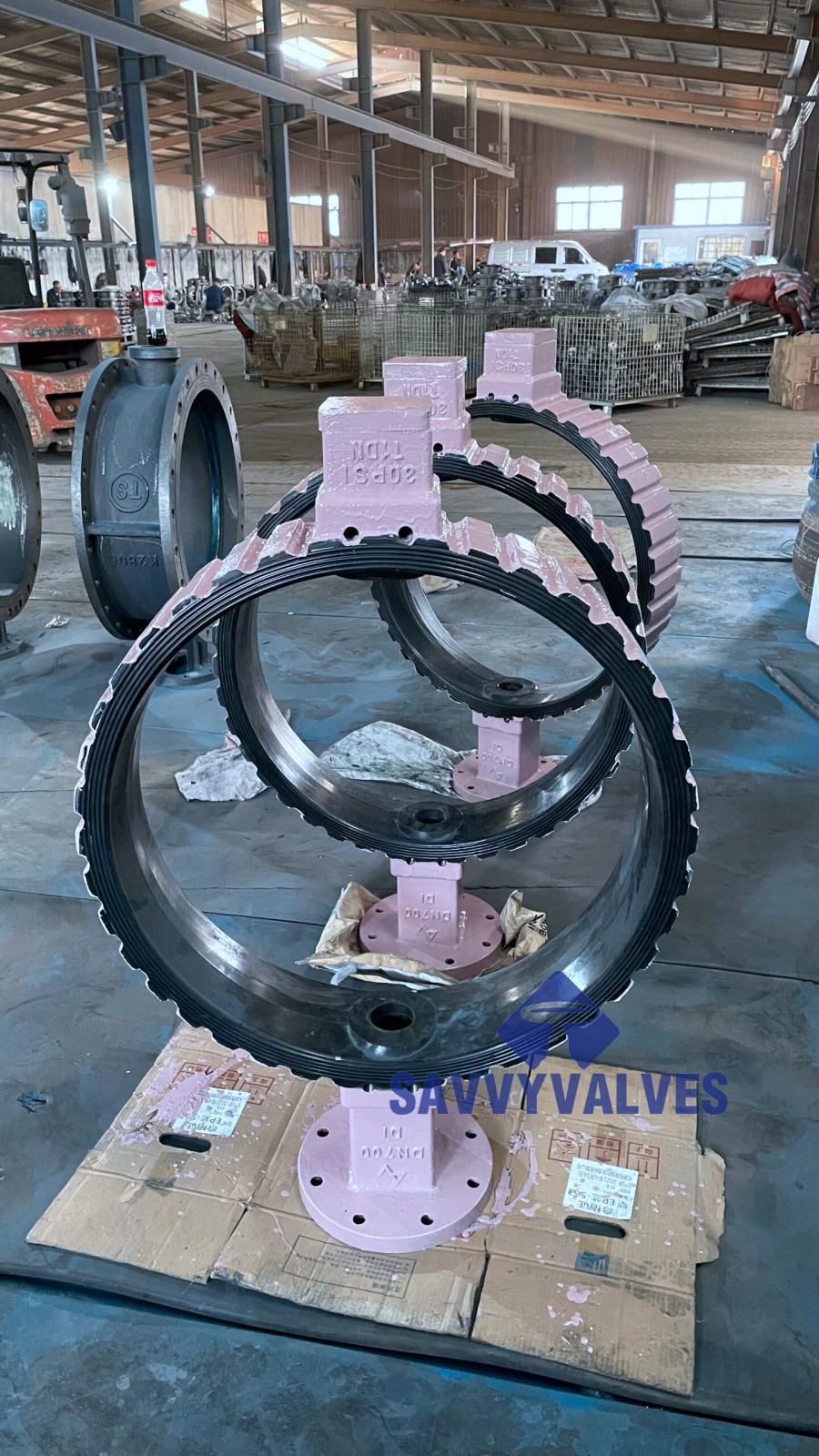 KÍCH THƯỚC: DN700
ĐÁNH GIÁ: PN6
THÂN: ASTM A536 65-45-12
ĐĨA: ASTM A351 CF8M
GỐC: SS416 KHÔNG CÓ KIM
GHẾ: NBR
SƠN: FLUORINE CARBON, C5-I
TRUYỀN ĐỘNG: BỘ SỐ
-
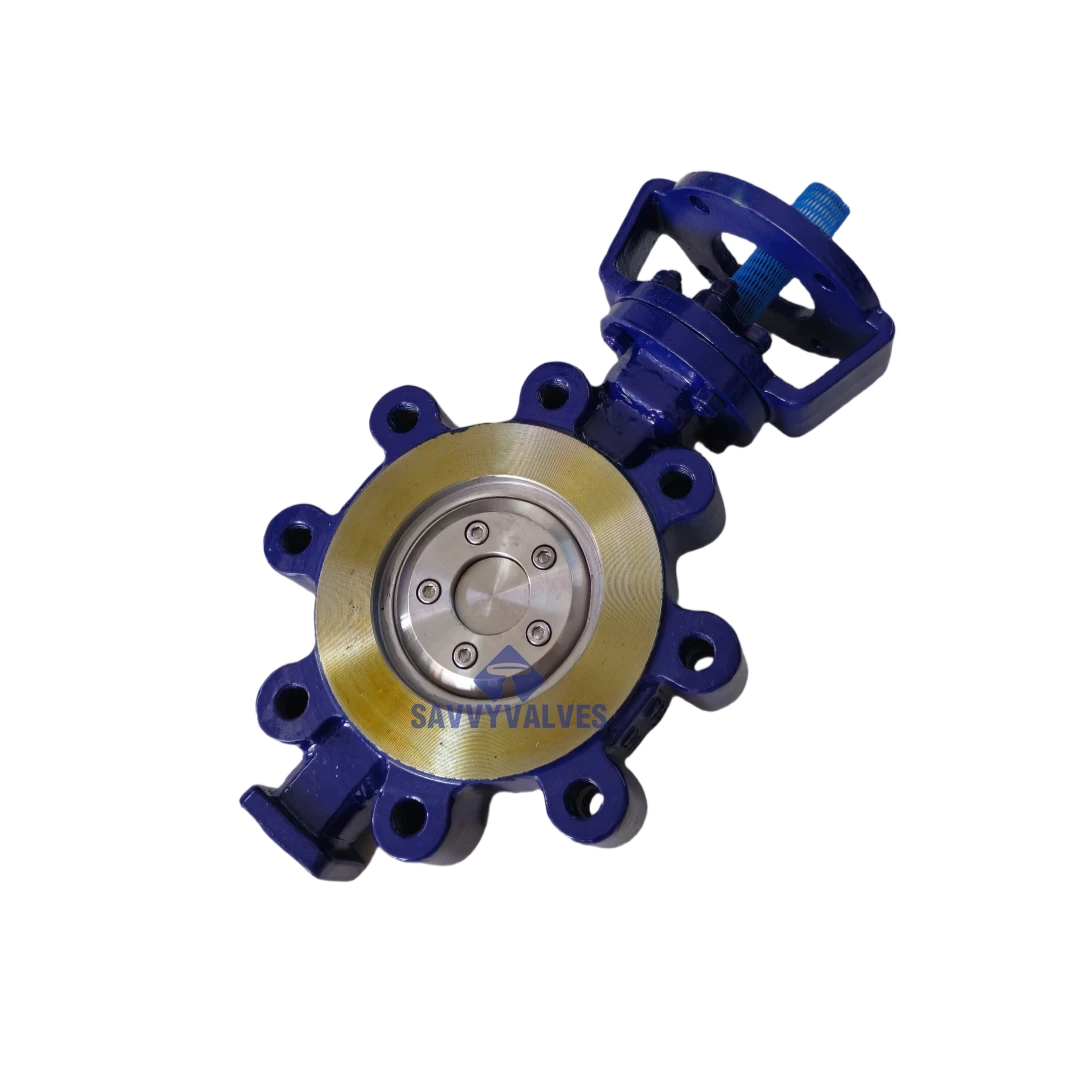 Kích thước: 4″
Xếp hạng: 150LB
Đầu: Được nối theo tiêu chuẩn ANSI B16.5
Nguyên vật liệu:
Thân WCB ASTM A216
Viền ASTM A182 F316L
Người vận hành: Tấm đệm gắn ISO5211 cho bộ truyền động
-
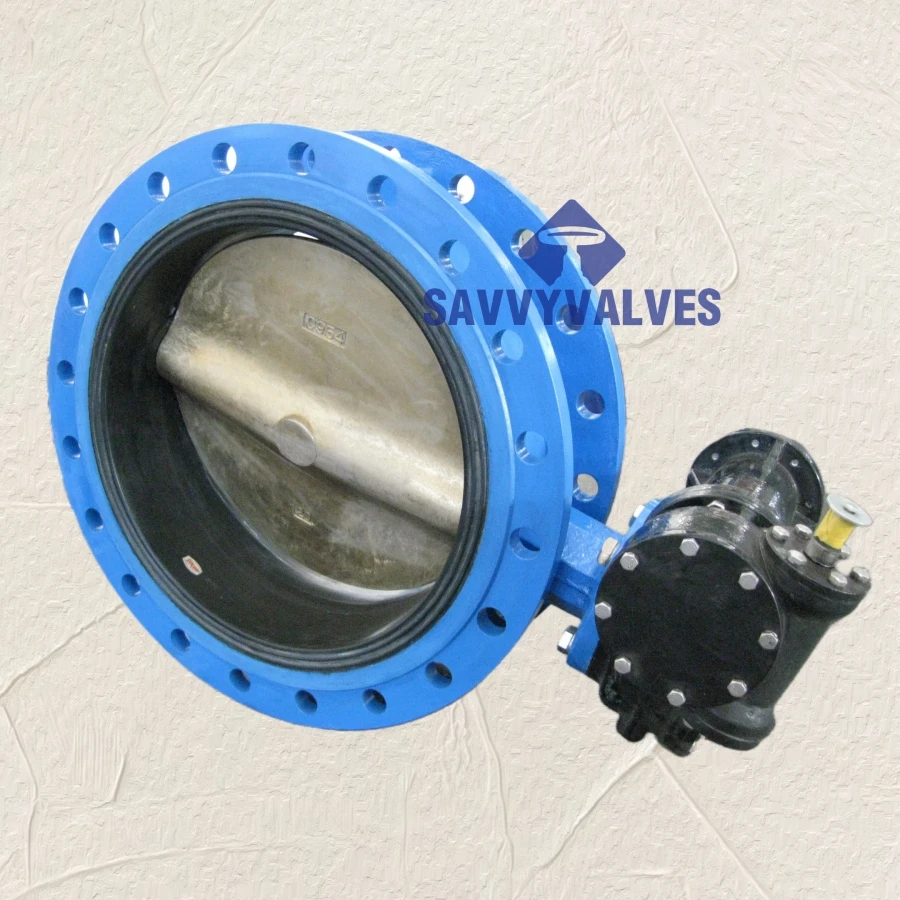 ẢNH HIỂN THỊ THÔNG SỐ KỸ THUẬT NHƯ DƯỚI ĐÂY
KÍCH THƯỚC: DN450
ĐÁNH GIÁ: PN16
THÂN: ASTM 536 SẮT DẺO 65-45-12
ĐĨA: ASTM A536 SẮT DẺO 65-45-12+ENP
GỐC: SS416 KHÔNG CÓ KIM
GHẾ: EPDM
TRUYỀN ĐỘNG: BỘ SỐ
-
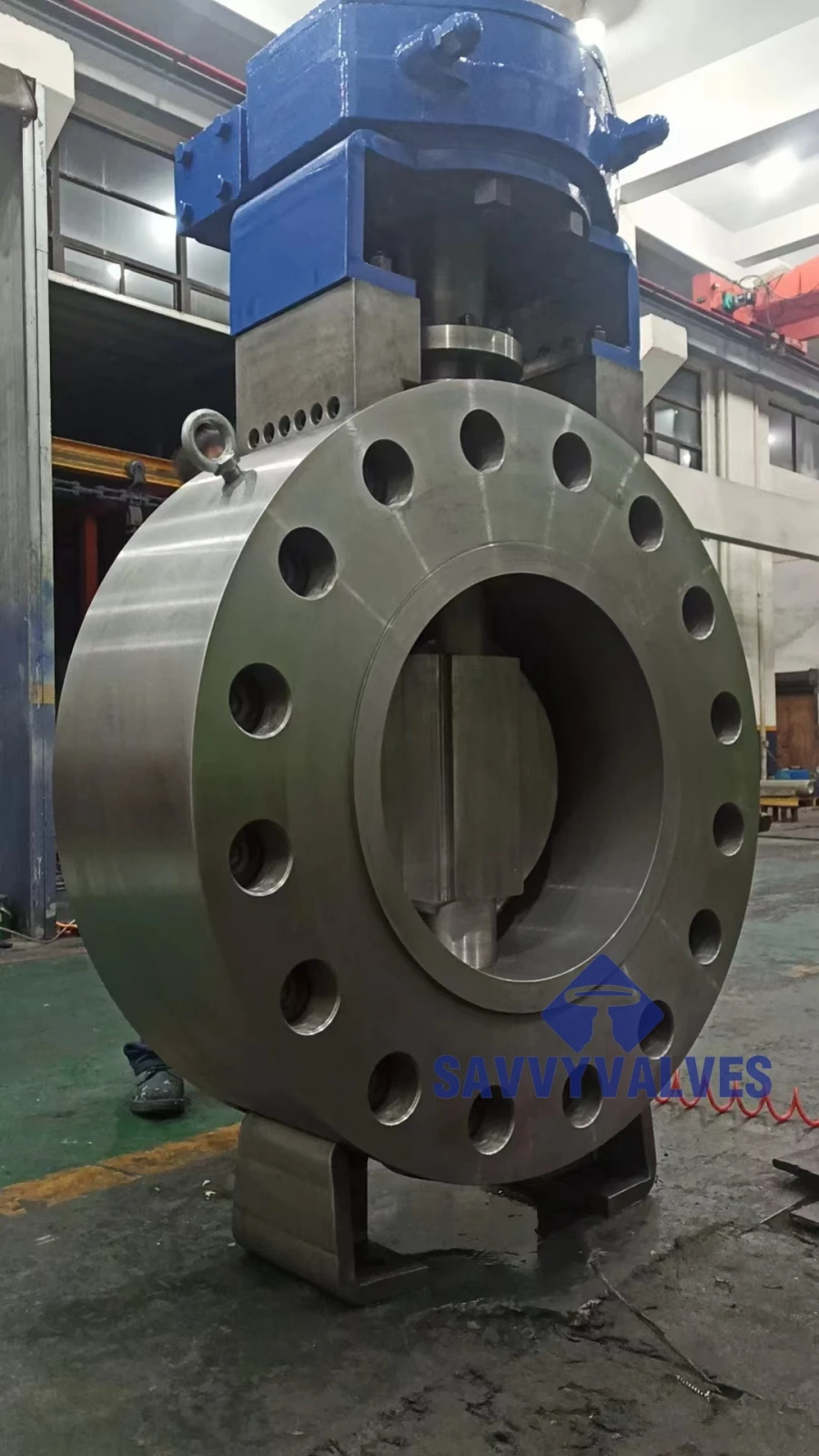 THÔNG SỐ KỸ THUẬT MẪU
KÍCH THƯỚC: 26″
ĐÁNH GIÁ: 1500LB
THÂN: ASTM A105N
ĐĨA: ASTM A182 F316
YOKE MỞ RỘNG: ASTM A182 F5
STEM: SS416
GHẾ: ASTM A182 F316
PHỦ: SS316+GRAPHITE LAMINATED
TRUYỀN ĐỘNG: BỘ SỐ
-
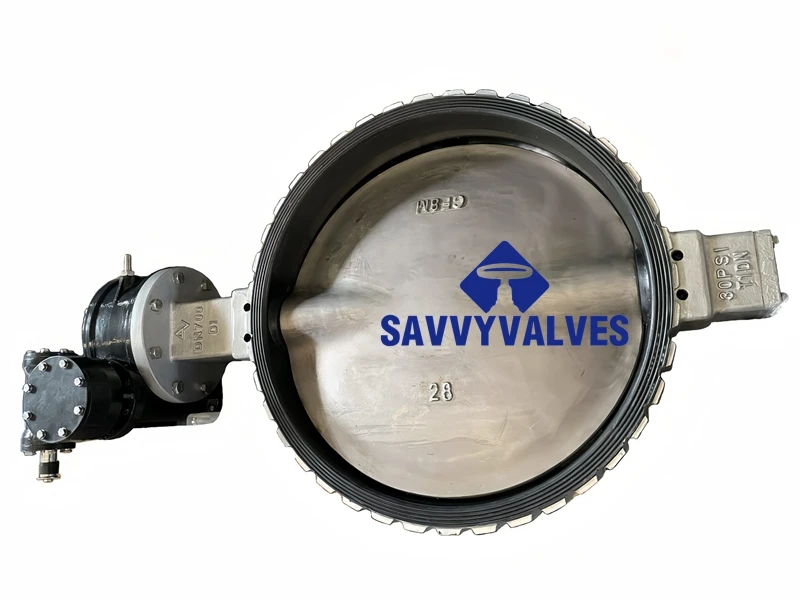 Valve Type Centric Wafer Butterfly Valve
Nominal Size 28″ (DN700)
Pressure Rating 150LB (PN20)
Face-to-Face Length EN558 Series 20 (165 mm)
End Connection Wafer per ASME B16.47 B Drilling
Design Standard API 609, EN 593
Leakage Class EN 12266-1 Class A (Zero Leakage), API 598
-
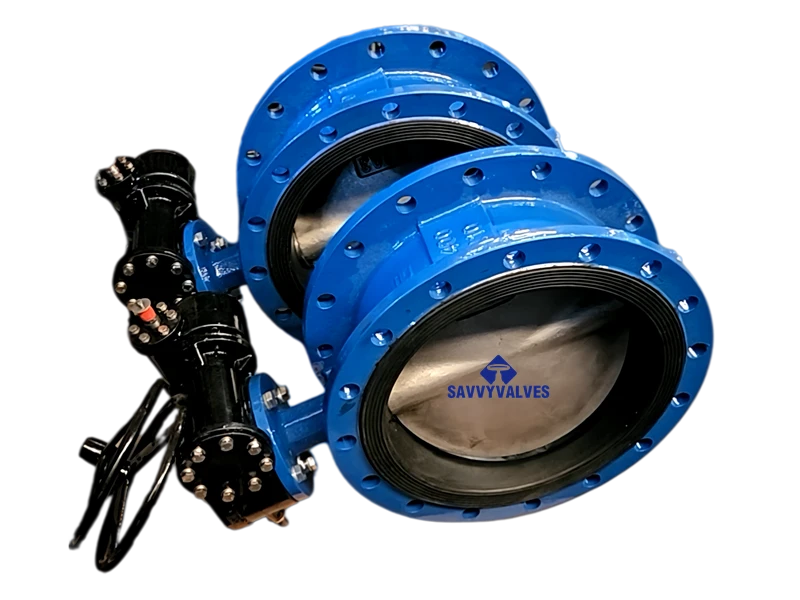 Nominal Diameter DN50 ~ DN600
Pressure Rating PN10/16 (Class 150) · PN25 (Optional)
Temperature Range -30°C to +120°C (EPDM Seat)
Leakage Class ANSI Class VI (ISO 5208 Grade A)
Connection Type Double Flanged (RF Facing per ASME B16.5)
Actuator Mounting ISO 5211 F05-F14
-
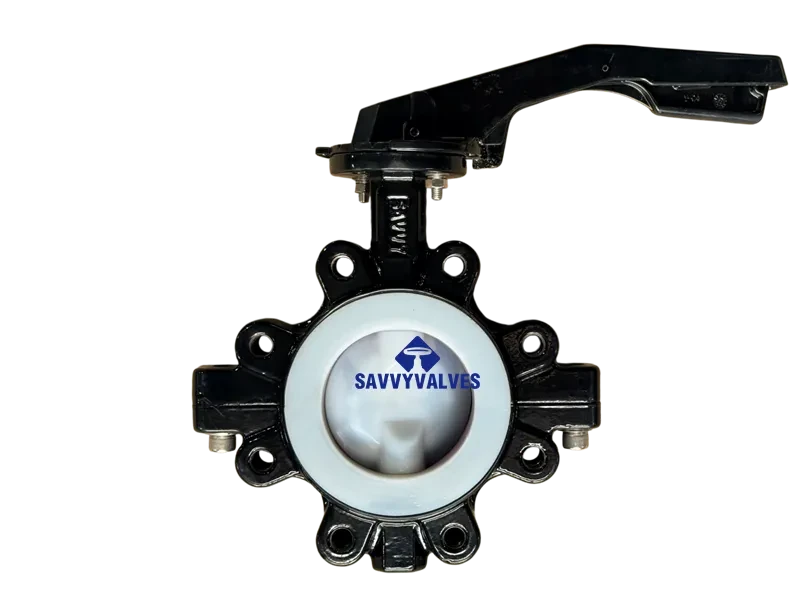 Nominal size (NPS) 4″ (DN100)
Pressure rating Class 150LB (PN10 / PN16)
Valve type Lugged, concentric (center line)
Temperature range -29°C ~ +160°C (standard PFA); -20°C ~ +200°C (high performance PFA/TFM)
Vacuum capability Suitable from -10°C to +160°C, down to 0.0002 psia
Leakage rating Bidirectional zero leakage, ISO 5208 Rate A / ANSI Class VI
Flow direction Bidirectional
Mounting orientation Any angle
-
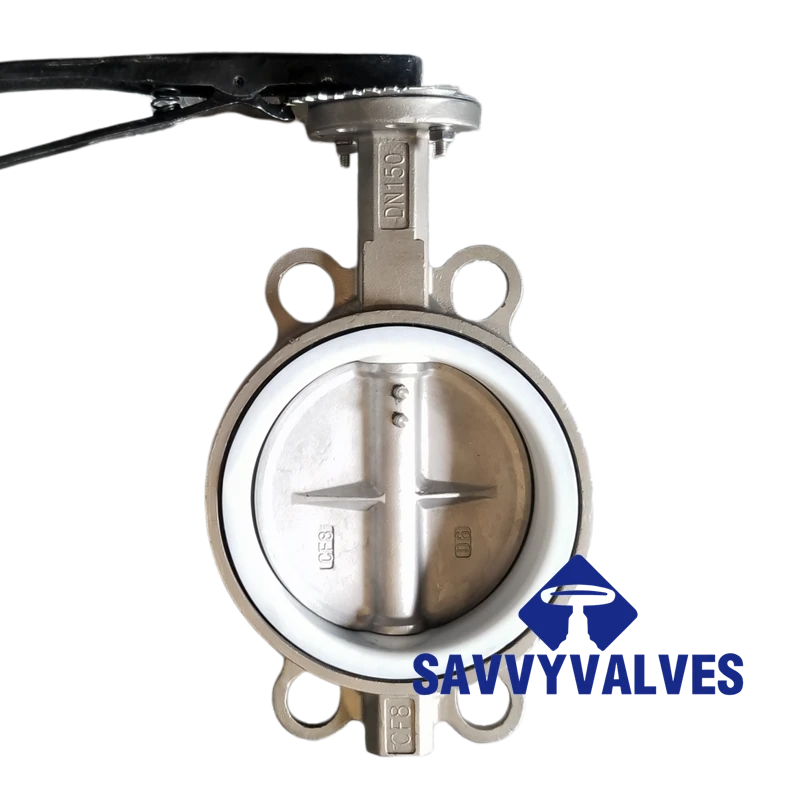 Valve Type Wafer Type, Concentric (Centric) Butterfly Valve
Nominal Size (DN) DN50 ~ DN600 (2″ ~ 24″)
Nominal Pressure (PN) PN10 / PN16 / Class 150LB
Structure Style Concentric (Center line) Design
Connection Type Wafer-Type (Fits between EN 1092-2, ASME B16.5, or JIS flanges)
Temperature Range -29°C ~ +180°C (-20°F ~ +356°F)
Applicable Media Acids, Alkalis, Chemical solutions, Potable Water, Food products, Pharmaceutical fluids
Design Standard GB/T 12238 / API 609 / EN 593
Face-to-Face Dimension ISO 5752 Series 20 (Short pattern) / API 609 Category A
Pressure Testing ISO 5208 / API 598
Operation Lever Handle (DN50-150), Worm Gear (DN200-600), Electric Actuator, Pneumatic Actuator
-
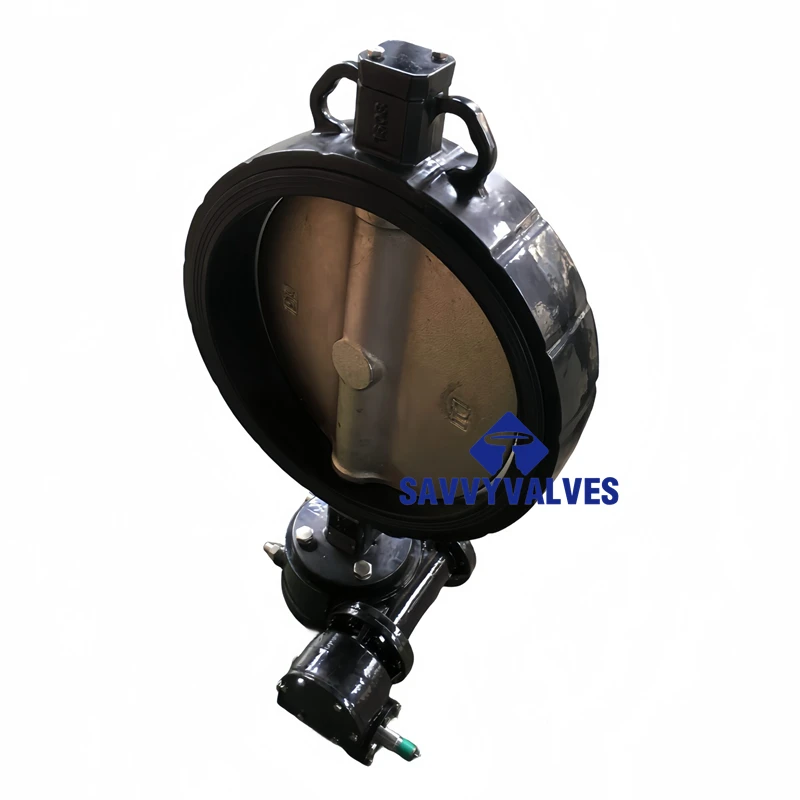 Valve Type Wafer Type Butterfly Valve (Center Line / Concentric Design)
Body Material Ductile Iron (ASTM A536 Grade 65-45-12 / GGG-50)
Disc Material Ductile Iron + Nickel Plated (Electroless Nickel Plating – ENP)
Stem Material Stainless Steel (AISI 410 / 304 / 316)
Seat Material Replaceable Soft Seat – EPDM / Buna-N / Viton / PTFE (Specify)
Nominal Size 2″ – 24″ (DN50 – DN600)
Pressure Rating Class 125 / Class 150 / PN10 / PN16
Design Standard API 609 / MSS SP-67 / ISO 5752
Face-to-Face API 609 Short Pattern / ISO 5752 Series 20
A butterfly valve is a type of quarter-turn valve used to regulate, isolate, or start and stop fluid flow in a piping system. It consists of a circular disc or plate mounted on a rotating shaft. When the handle or actuator turns the shaft 90 degrees, the disc moves from a fully closed to a fully open position, allowing flow through the valve. The disc remains in the flow path even when open, which means there is always a slight pressure drop. Butterfly valves are known for their compact design, fast operation, and cost-effectiveness, especially in large-diameter pipelines. They come in various types, such as wafer, lug, and double or triple offset styles, depending on the pressure and sealing requirements. These valves are widely used in industries such as water treatment, HVAC, chemical processing, oil and gas, and food and beverage, due to their reliability, low maintenance, and easy installation.


 Vietnamese
  English
  Arabic
  Azerbaijani
  Czech
Czech  Dutch
Dutch  French
  German
  Indonesian
  Italian
  Japanese
  Korean
  Malay
Malay  Persian
  Polish
  Portuguese
  Russian
  Spanish
  Thai
Thai