
Van màng ngăn
-
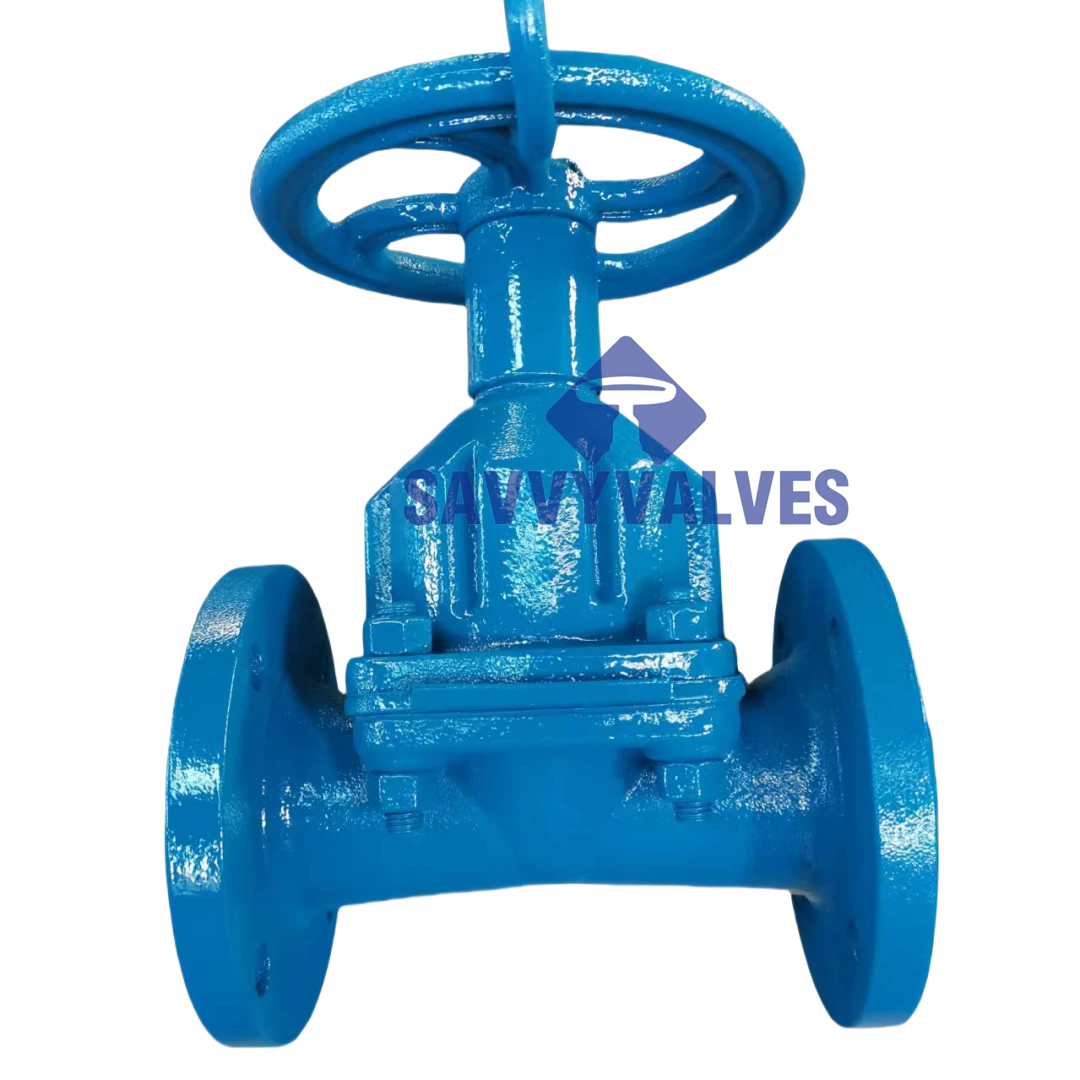 Ngắn gọn:
Kích thước: 3″
Xếp hạng: 150LB
Nguyên vật liệu:
ASTM A536 65-45-12 thân và nắp ca-pô được lót hoàn toàn bằng cao su
Viền ASTM A182 F316L
Màng cao su
Người vận hành: tay quay
-
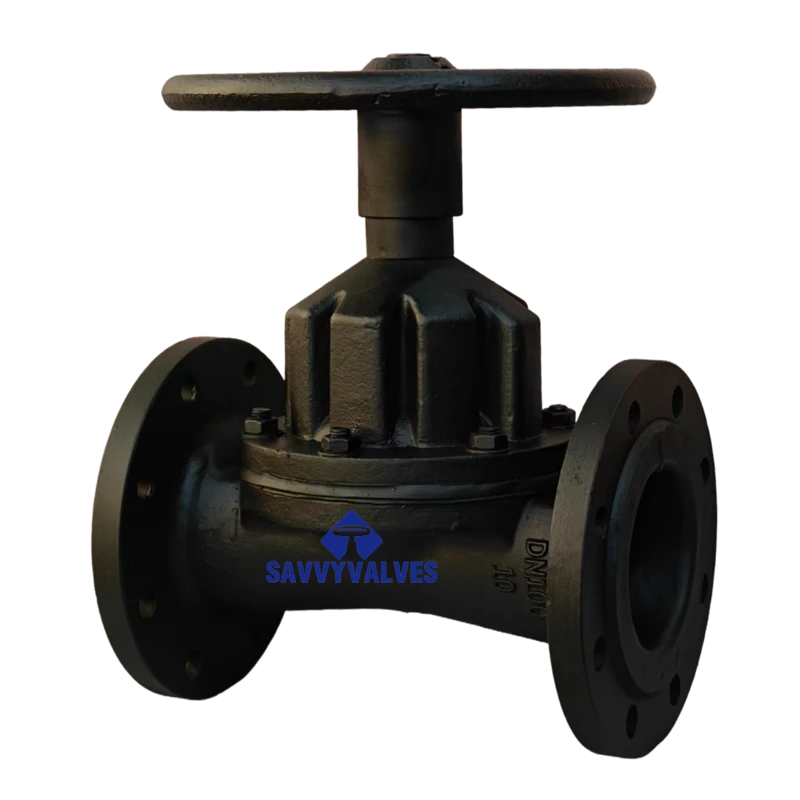 Flow Path Design Straight-Through (Non-Weir) ∙ Bore: 85–90% of nominal pipe ID
Size Range DN50 to DN200 (2″ to 8″)
End Connections • Flanged (EN 1092-1 Type A) ∙ ANSI Class 150
• Optional: Lug/Wafer
Flow Coefficient DN100 (4″): Cv ≈ 120 (vs. 180 for full-bore)
Pressure Drop ΔP ≈ 0.3–0.8 bar (water, 2 m/s flow)
Actuation Manual Handwheel ∙ Pneumatic (Spring-Return) ∙ Electric (On/Off)
Certifications PED 2014/68/EU (Cat. II) ∙ ISO 9001 ∙ EN 10204 3.1
A diaphragm valve is a type of valve that controls the flow of liquids or gases using a flexible diaphragm, which moves up or down to open or close the valve seat. Unlike traditional valves with internal sliding or rotating parts, diaphragm valves rely on the pressure applied by an actuator or handwheel to push the diaphragm onto a weir or seat, effectively sealing off the flow path. This design ensures a tight seal and isolates the process fluid from moving parts, making it ideal for handling corrosive, abrasive, or ultra-pure fluids. Diaphragm valves are available in both weir-type and straight-through designs, with materials like EPDM, PTFE, or rubber used for the diaphragm to suit different media. They are particularly suited for hygienic applications since they have a smooth internal body, minimal dead space, and easy-to-clean surfaces, reducing the risk of contamination or buildup. The lack of packing glands and reduced potential for leakage make diaphragm valves highly reliable in industries requiring strict cleanliness or chemical compatibility.


 Vietnamese
  English
  Arabic
  Azerbaijani
  Czech
Czech  Dutch
Dutch  French
  German
  Indonesian
  Italian
  Japanese
  Korean
  Malay
Malay  Persian
  Polish
  Portuguese
  Russian
  Spanish
  Thai
Thai