
válvulas de mariposa
-
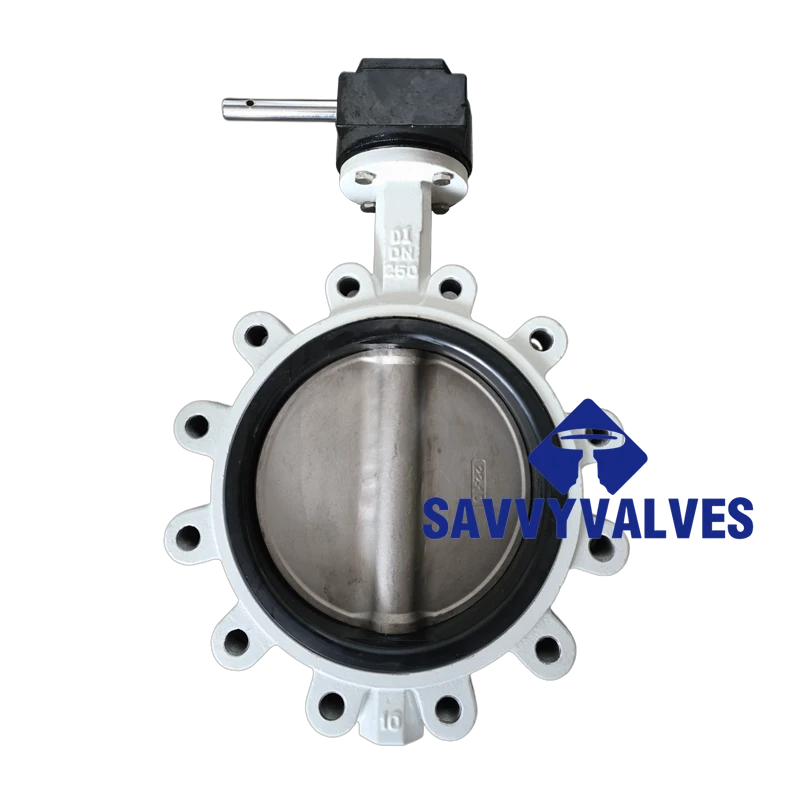
 LA FOTO MUESTRA LAS ESPECIFICACIONES A CONTINUACIÓN
TAMAÑO: 30″
RATING: 150LB
CUERPO: ASTM A216 WCB
DISCO: ASTM A351 CF8M
TALLO: SS316
ASIENTO: EPDM
ACTUACIÓN: ACTUADOR ELÉCTRICO
-
 Nominal Diameter (DN) DN50 ~ DN600 (Optional)
Nominal Pressure (PN) PN10/16 (Class 150), JIS 10K/16K
Temperature Range -20°C to +120°C (EPDM Seat)
-10°C to +180°C (PTFE Seat)
Applicable Media Water, Air, Oil, Weakly Corrosive Liquids
Connection Type Wafer-Type (ASME B16.5 / EN 1092-1/JIS B2220)
Actuation Lever, Gear, Pneumatic, Electric
-
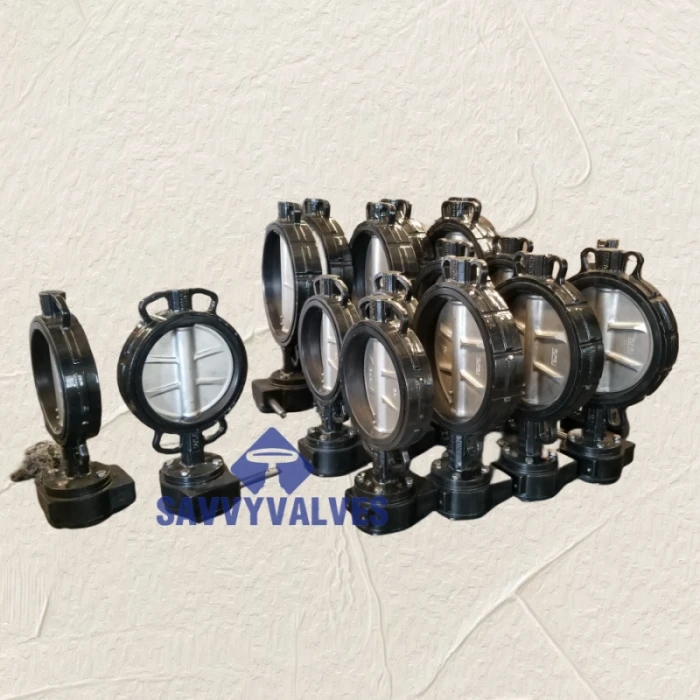 LA FOTO MUESTRA LAS ESPECIFICACIONES A CONTINUACIÓN
TAMAÑO: 8″~14″
CALIFICACIÓN: 200WOG
CUERPO: ASTM A216 WCB
DISCO: ASTM A351 CF8
VÁSTAGO: SS416 SIN PIN
ASIENTO: NBR
ACCIONAMIENTO: UNIDAD DE REDUCCIÓN
-
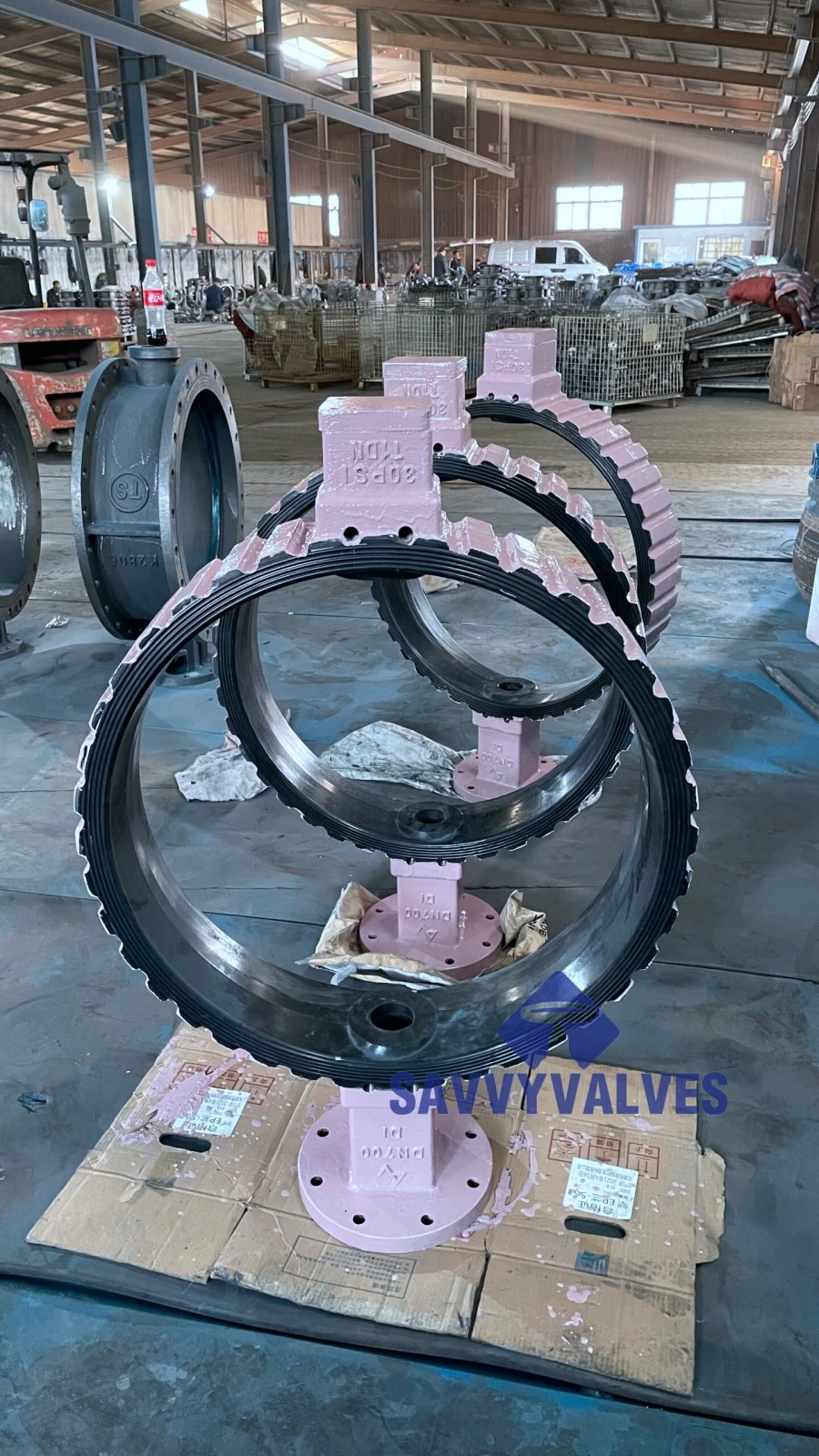 TAMAÑO: DN700
CLASIFICACIÓN: PN6
CUERPO: ASTM A536 65-45-12
DISCO: ASTM A351 CF8M
VÁSTAGO: SS416 SIN PIN
ASIENTO: NBR
PINTURA: FLÚOR CARBONO, C5-I
ACCIONAMIENTO: UNIDAD DE REDUCCIÓN
-
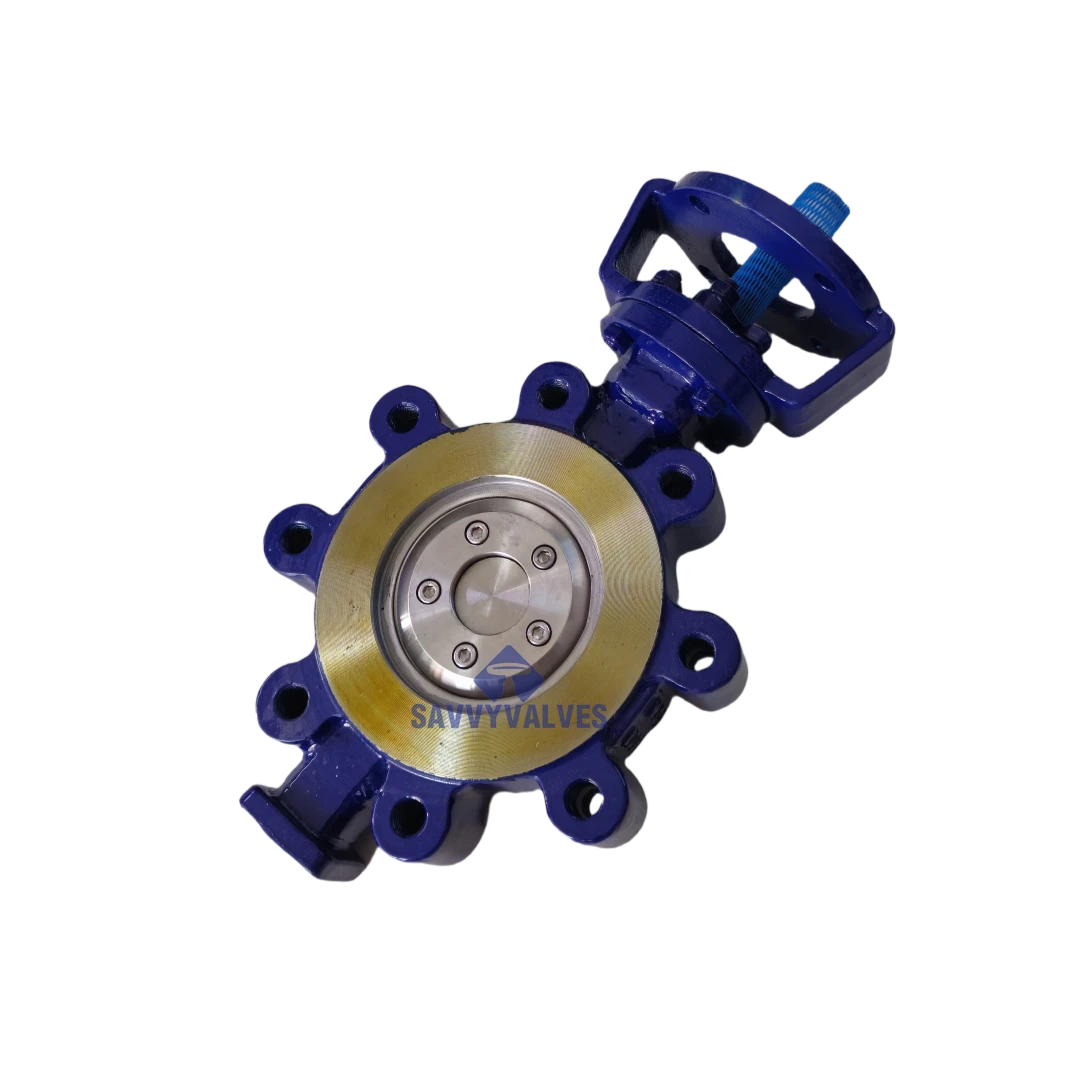 Tamaño: 4″
Clasificación: 150 libras
Extremos: Con orejetas según ANSI B16.5
Materiales:
Cuerpo WCB ASTM A216
Molduras ASTM A182 F316L
Operador: Almohadilla de montaje ISO5211 para actuador
-
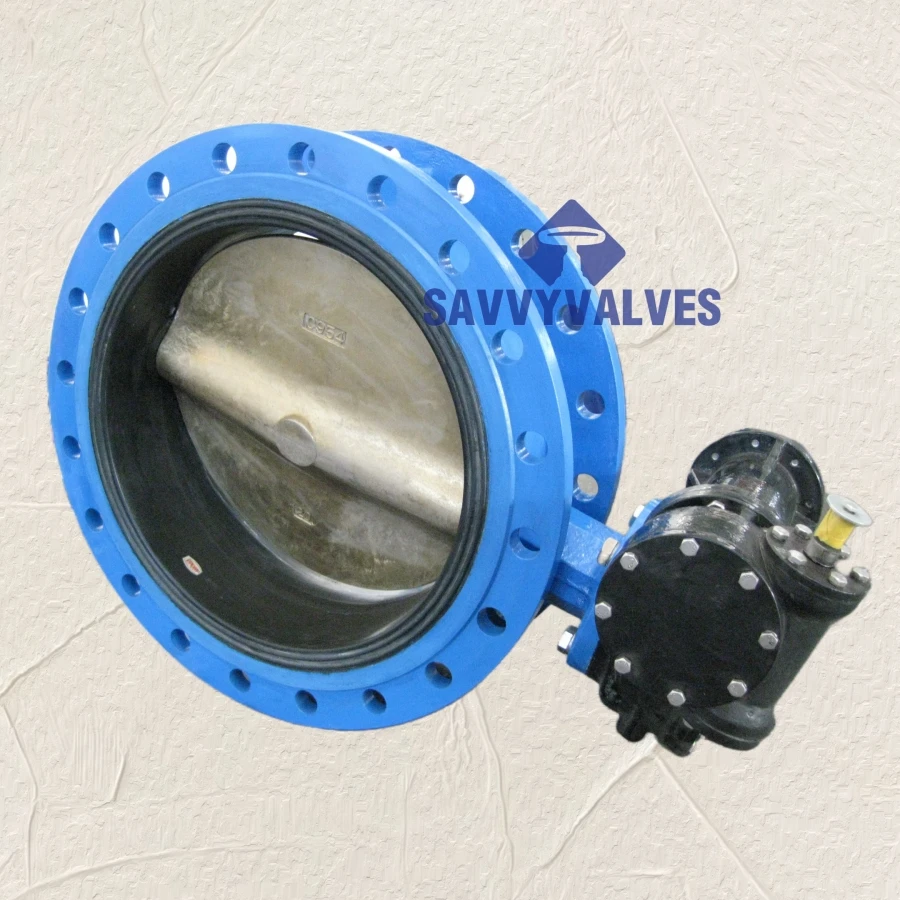 LAS FOTOS MUESTRAN LAS ESPECIFICACIONES A CONTINUACIÓN
TAMAÑO: DN450
CLASIFICACIÓN: PN16
CUERPO: ASTM 536 HIERRO DÚCTIL 65-45-12
DISCO: ASTM A536 HIERRO DÚCTIL 65-45-12+ENP
VÁSTAGO: SS416 SIN PIN
ASIENTO: EPDM
ACCIONAMIENTO: UNIDAD DE REDUCCIÓN
-
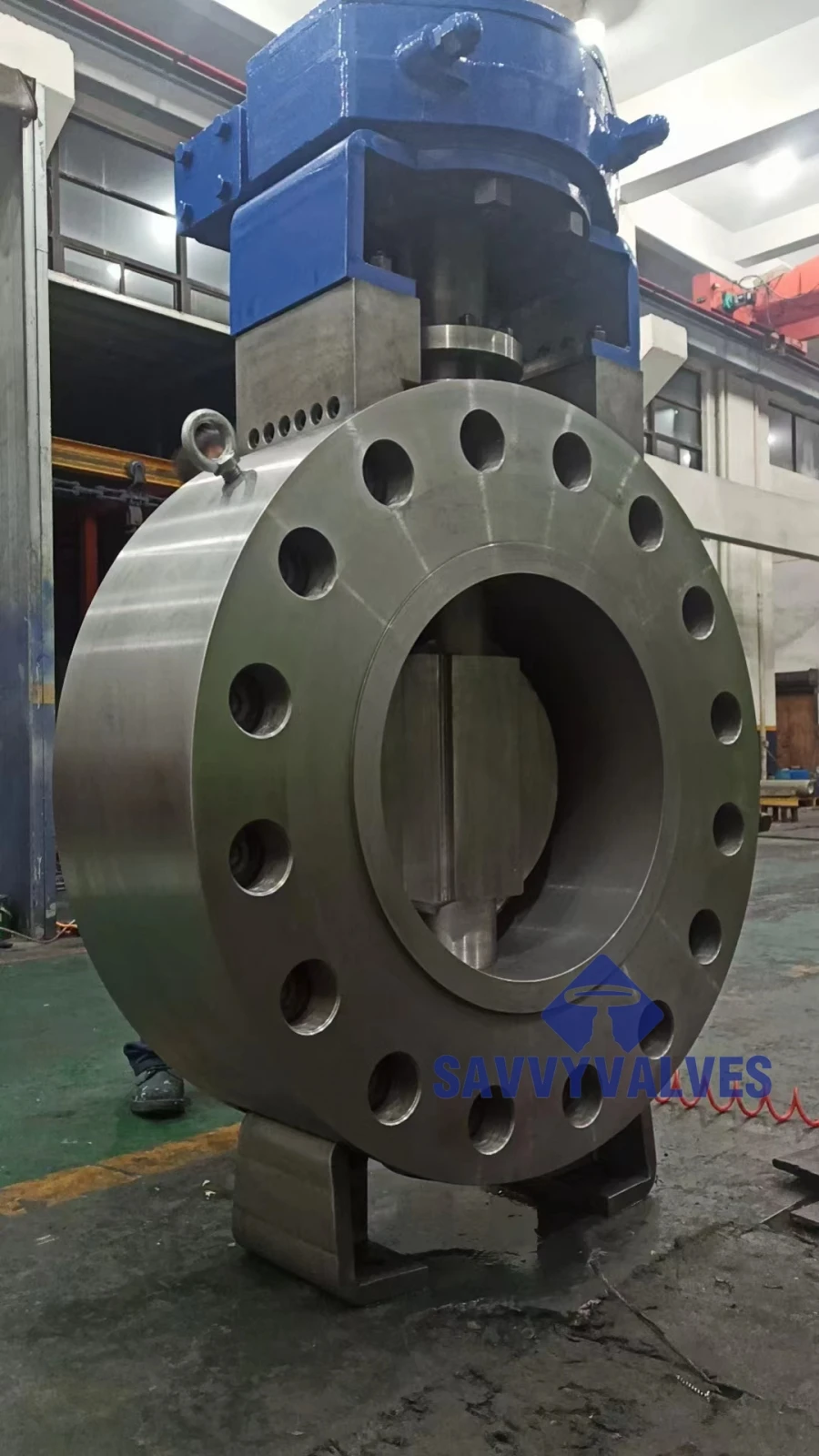 ESPECIFICACIONES DE MUESTRA
TAMAÑO: 26″
CLASIFICACIÓN: 1500LB
CUERPO: ASTM A105N
DISCO: ASTM A182 F316
YUGO EXTENDIDO: ASTM A182 F5
STEM: SS416
ASIENTO: ASTM A182 F316
SEAL: SS316+GRAPHITE LAMINATED
ACCIONAMIENTO: UNIDAD DE REDUCCIÓN
-
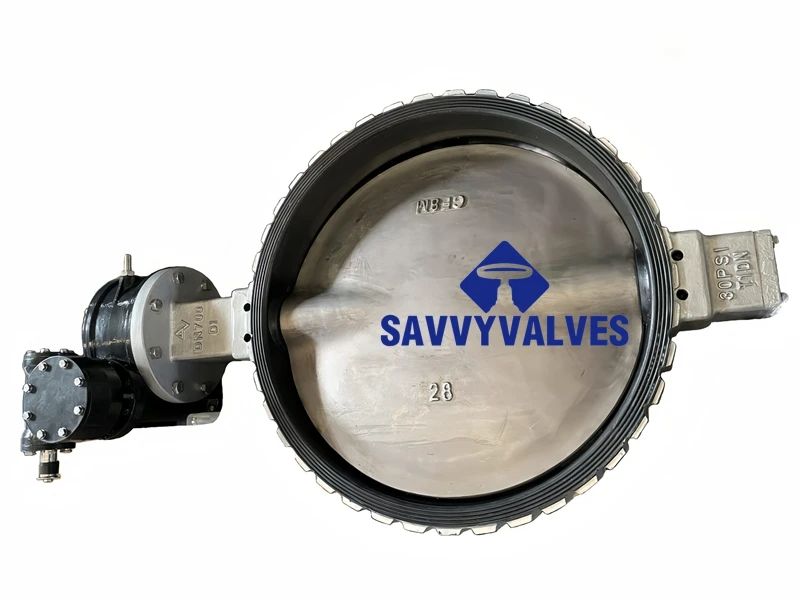 Valve Type Centric Wafer Butterfly Valve
Nominal Size 28″ (DN700)
Pressure Rating 150LB (PN20)
Face-to-Face Length EN558 Series 20 (165 mm)
End Connection Wafer per ASME B16.47 B Drilling
Design Standard API 609, EN 593
Leakage Class EN 12266-1 Class A (Zero Leakage), API 598
-
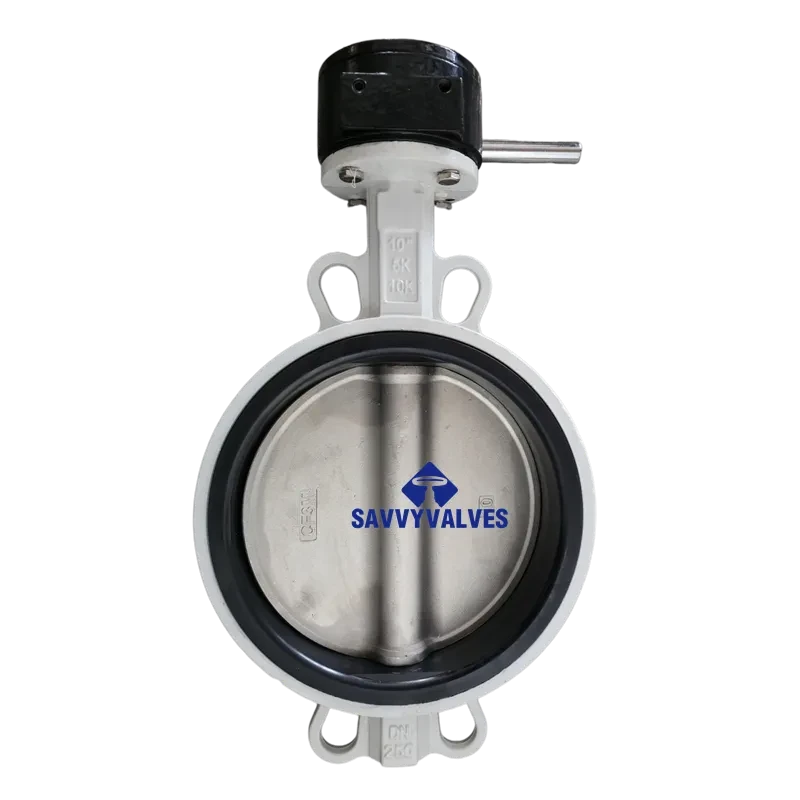 • Product Type: Concentric Butterfly Valve, Wafer Type
• Seat Design: Cartridge Seat (Replaceable, Metal-Reinforced Resilient Seat)
• Operation: Lever, Gearbox, Pneumatic Actuator, or Electric Actuator (ISO 5211 mounting pad)
• Design Standard: EN 593 / API 609 / ISO 10631 / MSS SP-67
• Face-to-Face: EN 558 Series 20 / API 609 Table 1
• Flange Drilling: EN 1092-2 PN10/16, ASME B16.5 Class 150, JIS B2220
• Test Standard: EN 12266-1 / API 598 / ISO 5208
• Temperature Range: -40°C to +180°C (depending on seat material and pressure)
• Pressure Rating: PN10/16, Class 150
-
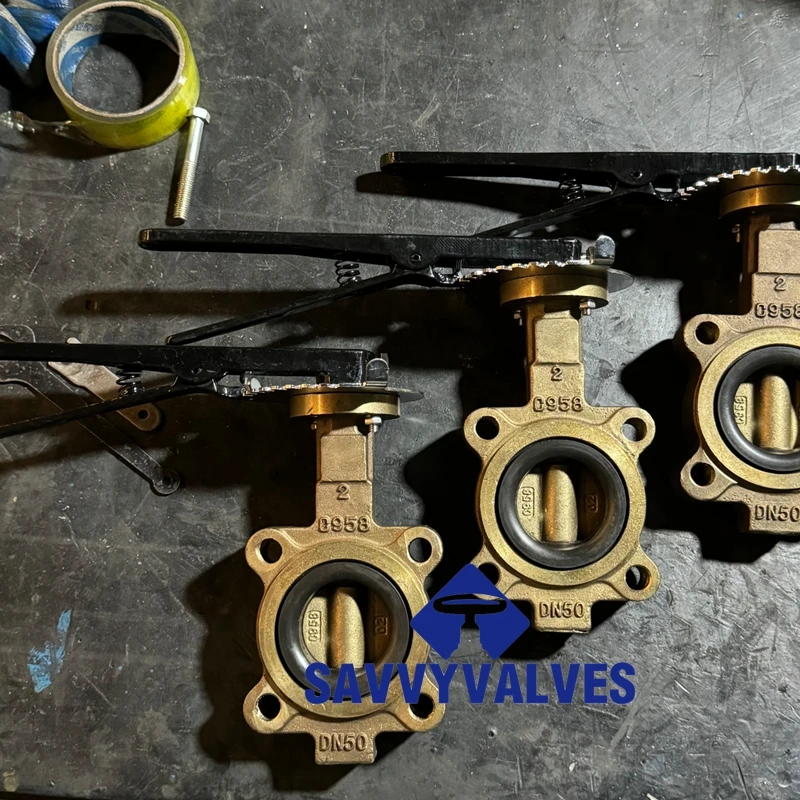 • Body & Disc: C95800 Aluminum Bronze (superior seawater/corrosion resistance)
• Stem: Monel K500 (exceptional strength & chloride stress corrosion cracking resistance)
• Seat: Viton® (excellent chemical/weather resistance, -20°C to 120°C)
• Operation: Lever or Gear Actuator (selectable for manual/process control)
-
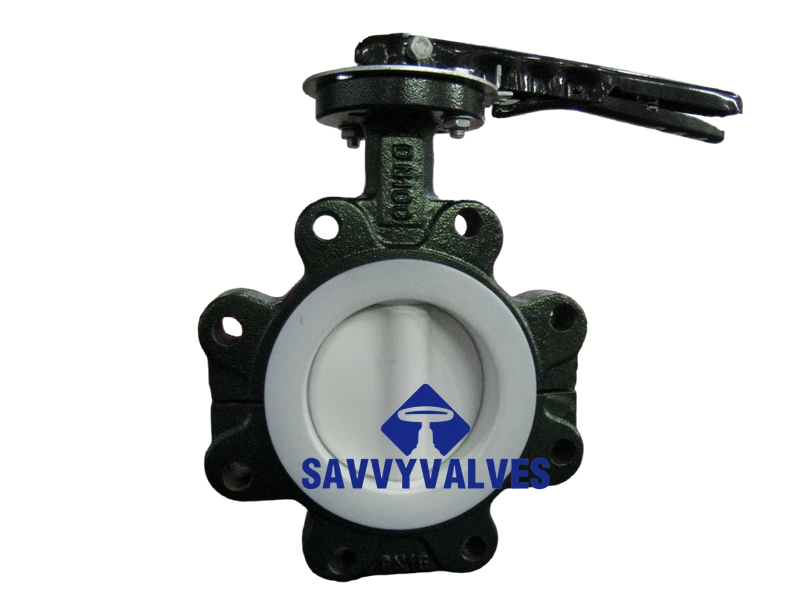 Valve Type Concentric Butterfly Valve, Fully Lined with FEP (Fluorinated Ethylene Propylene)
Body Design Split Body (Two-piece body, suitable for lug mounting, facilitates liner replacement)
Connection Type Lug Type (Tapped lug holes for dead-end service), conforming to ISO 5752 / GB/T 12238
Nominal Size DN50 ~ DN600 (2″ ~ 24″)
Pressure Rating PN10 / PN16 / Class 150LB
-
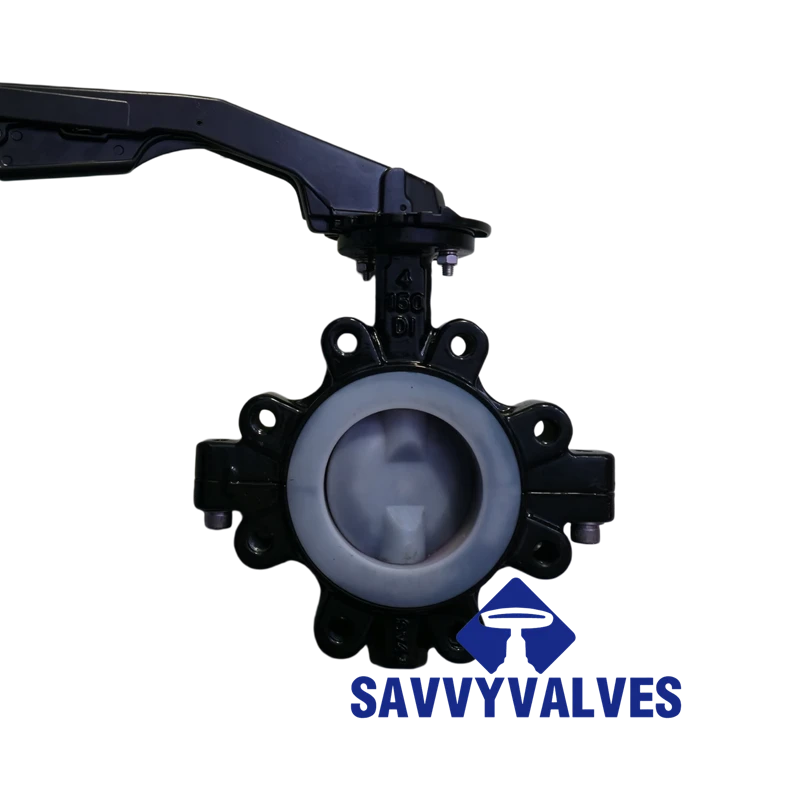 Design Standard MSS SP-67, MSS SP-115, API 609, ISO 5752
Face-to-Face Dimension ISO 5752 Series 20, EN 558 Series 20, API 609 Table 1, ASME B16.10
Flange Drilling ASME B16.5 Class 150, ASME B16.1 Class 125, JIS 10K, PN10, PN16, DIN 2501, HG/T 20592
A butterfly valve is a type of quarter-turn valve used to regulate, isolate, or start and stop fluid flow in a piping system. It consists of a circular disc or plate mounted on a rotating shaft. When the handle or actuator turns the shaft 90 degrees, the disc moves from a fully closed to a fully open position, allowing flow through the valve. The disc remains in the flow path even when open, which means there is always a slight pressure drop. Butterfly valves are known for their compact design, fast operation, and cost-effectiveness, especially in large-diameter pipelines. They come in various types, such as wafer, lug, and double or triple offset styles, depending on the pressure and sealing requirements. These valves are widely used in industries such as water treatment, HVAC, chemical processing, oil and gas, and food and beverage, due to their reliability, low maintenance, and easy installation.


 Spanish
 English
 Arabic
 Azerbaijani
 Czech
 Dutch
 French
 German
 Indonesian
 Italian
 Japanese
 Korean
 Malay
 Persian
 Polish
 Portuguese
 Russian
 Thai
 Vietnamese