Descripción
Technical Data Sheet
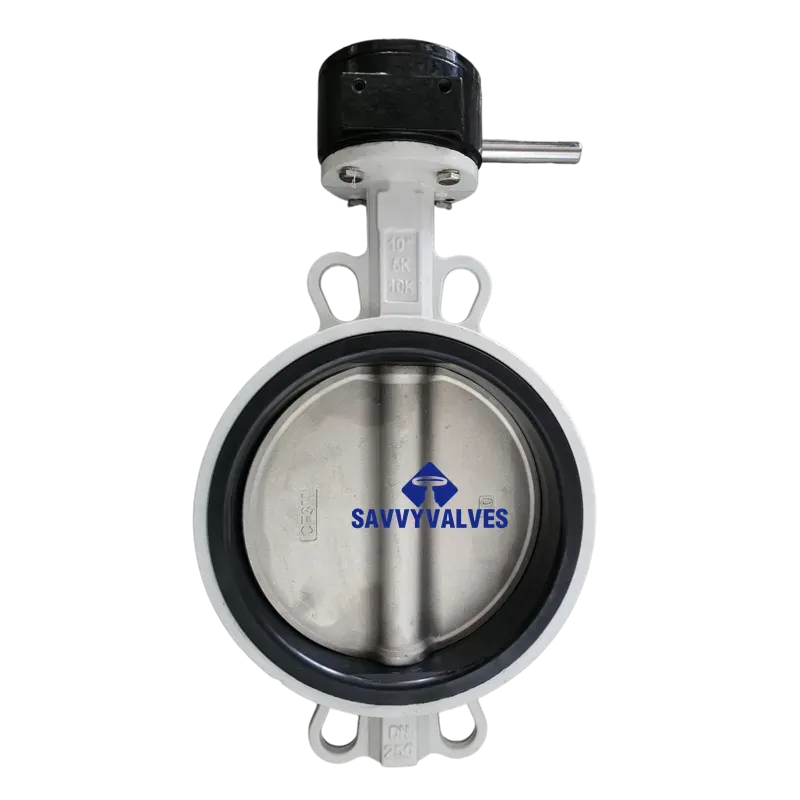
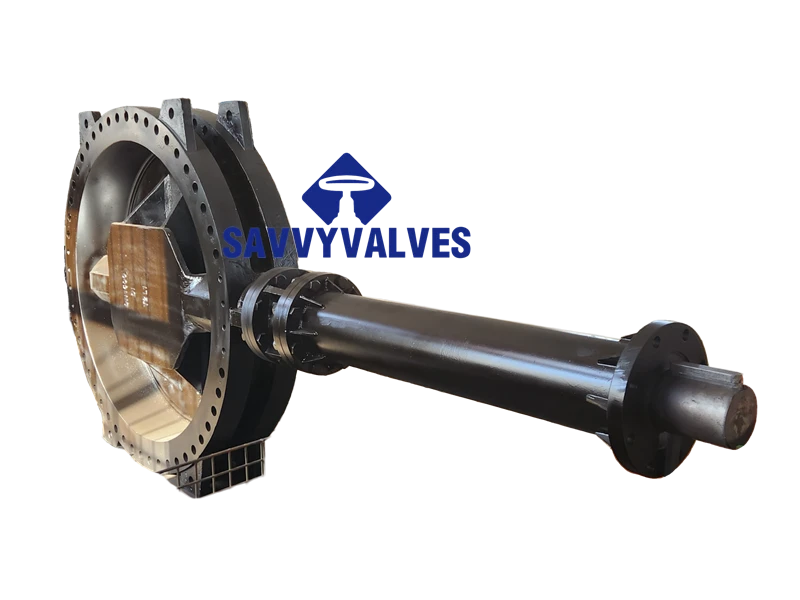
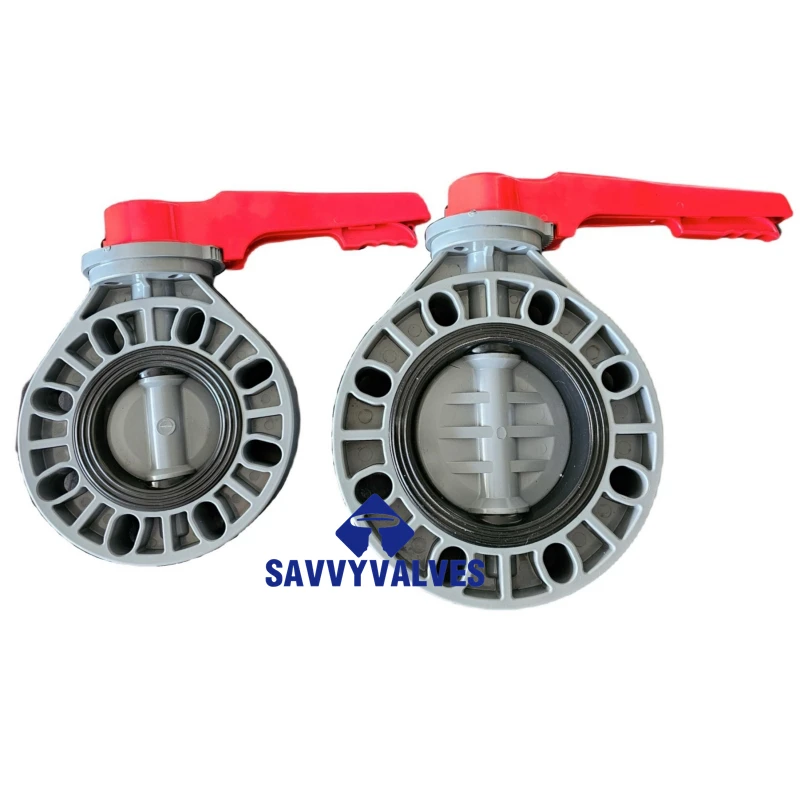
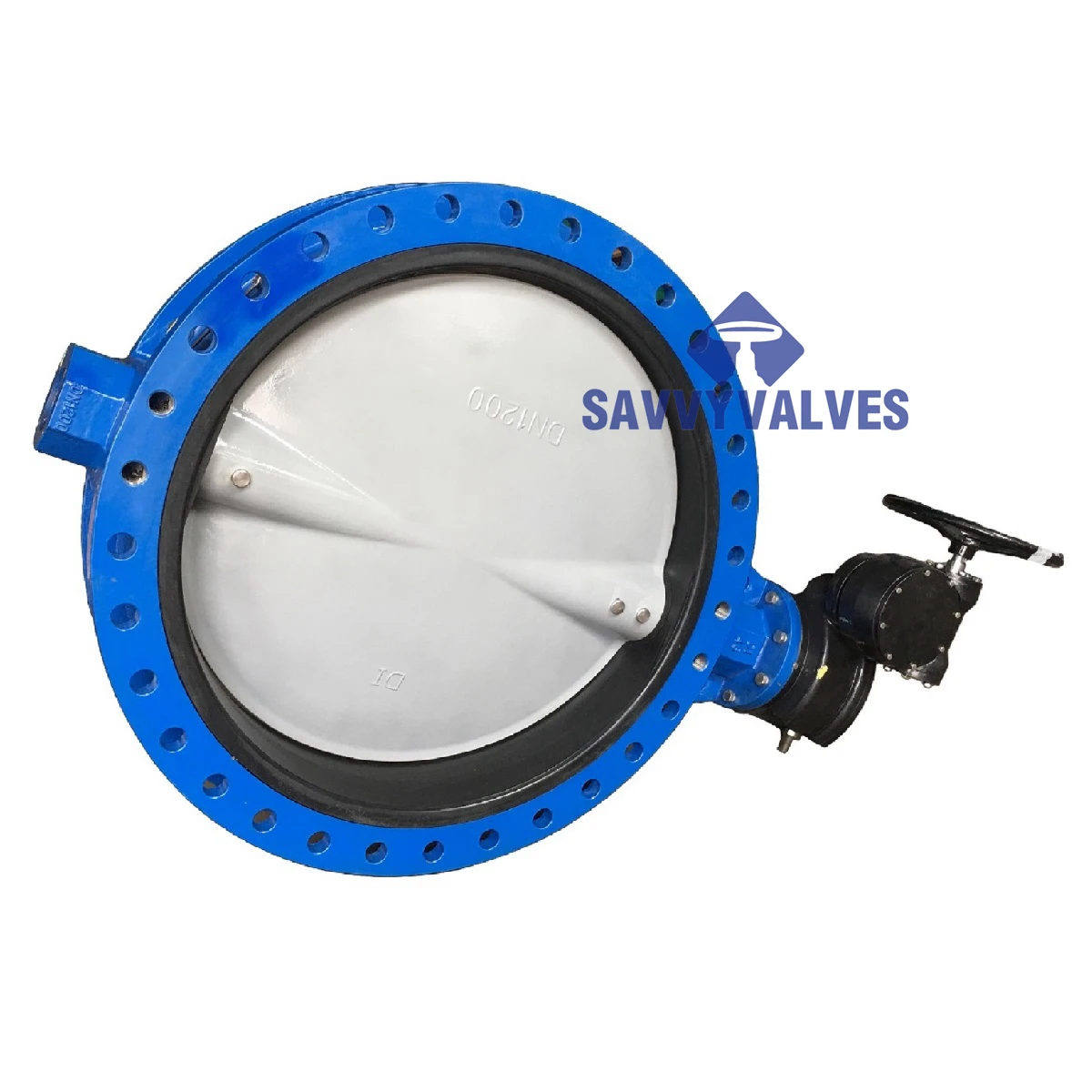
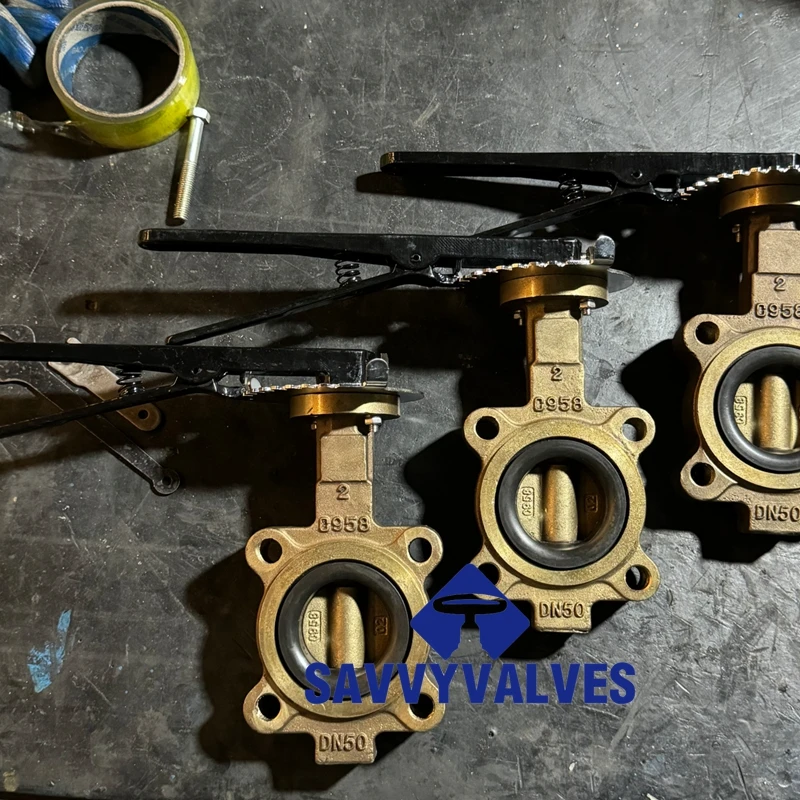
Cartridge Seat Wafer Concentric Butterfly Valve
- General Description
- Product Type: Concentric Butterfly Valve, Wafer Type
- Diseño del asiento: Cartridge Seat (Replaceable, Metal-Reinforced Resilient Seat)
- Operación: Lever, Gearbox, Pneumatic Actuator, or Electric Actuator (ISO 5211 mounting pad)
- Estándar de diseño: EN 593 / API 609 / ISO 10631 / MSS SP-67
- Cara a cara: EN 558 Series 20 / API 609 Table 1
- Flange Drilling: EN 1092-2 PN10/16, ASME B16.5 Class 150, JIS B2220
- Test Standard: EN 12266-1 / API 598 / ISO 5208
- Rango de temperatura: -40°C to +180°C (depending on seat material and pressure)
- Clasificación de presión: PN10/16, Class 150
- Solicitud
- Suitable Media: Water, air, oils, gases, weak corrosive liquids, vacuum services
- Typical Industries: Water treatment, HVAC, chemical processing, marine, food and beverage, pulp and paper
- Installation: Must be clamped between two pipe flanges (wafer design does not have threaded inserts for dead-end service)
- Technical Parameters (Typical Range)
|
Parámetro
|
Especificación
|
|
Nominal Diameter (DN)
|
DN50 – DN600 (larger sizes available up to DN2000)
|
|
Clasificación de presión
|
PN10 / PN16 / Class 150
|
|
Shell Test Pressure
|
1.5 x PN (e.g., 24 bar for PN16)
|
|
Seat Test Pressure
|
1.1 x PN (e.g., 17.6 bar for PN16)
|
|
Leakage Rate
|
Zero Leakage (Bubble Tight) – ISO 5208 Rate A / ANSI Class VI
|
|
Operating Temperature
|
-40°C to +180°C (dependent on seat elastomer)
|
|
Vacuum Service
|
Suitable for full industrial vacuum
|
|
Flow Characteristic
|
Approximately linear, low pressure drop
|
|
Direction of Flow
|
Bi-directional
|
|
Mounting Flange
|
ISO 5211 top flange for direct actuator mounting
|
- Materials of Construction
|
Componente
|
Material Options
|
Notas
|
|
Cuerpo
|
Ductile Iron (GGG40/GGG50) / Cast Iron / Carbon Steel (WCB) / Stainless Steel (CF8/CF8M)
|
Wafer design – shorter body length, centering lugs for alignment
|
|
Desct
|
Stainless Steel (CF8/CF8M/316) / Ductile Iron with Nylon Coating / Bronze
|
Streamlined design for high Cv
|
|
Provenir
|
Stainless Steel (416/304/316/420) / 17-4PH
|
One-piece thru-shaft design, anti-blowout
|
|
Seat (Cartridge Type)
|
Composite Construction:
|
Modular design with metal reinforcement ring
|
| |
– Sealing Material: EPDM / NBR / Viton / PTFE
|
Encapsulated rubber or PTFE
|
| |
– Support Ring: Stainless Steel / Phenolic
|
Prevents extrusion and deformation
|
|
Bushings / Bearings
|
PTFE / Bronze / Reinforced PTFE
|
Low friction, absorbs side thrust
|
|
Stem Seals
|
O-Rings (EPDM/NBR) + Dirt Wiper
|
Multiple sealing, prevents external contamination
|
- Cartridge Seat Features & Benefits
El Cartridge Seat design is a key feature of this valve, offering significant advantages over conventional lined or booted seats.
|
Feature
|
Benefit
|
|
Modular / Pre-Assembled Design
|
Seat is a self-contained unit (sealing material bonded to a rigid metal/phenolic ring).
|
|
Field Replaceable
|
Seat can be replaced without removing the valve body from the pipeline. Only the disc and stem need to be removed.
|
|
Metal-Reinforced Construction
|
Stainless steel or rigid backing ring prevents seat distortion, deformation, and blowout under high pressure, vacuum, or thermal cycling.
|
|
Consistent Low Torque
|
Seat dynamics are not dependent on flange compression. Provides uniform, low operating torque throughout valve life.
|
|
Extrusion Resistance
|
Rigid support ring eliminates seat extrusion into the flow path, extending service life (up to 10x longer than standard seats).
|
|
Isolation of Body/Stem
|
The cartridge seat completely isolates the valve body and stem from the line media, preventing corrosion of metal parts.
|
- Sealing Mechanism
- Primary Seal: Formed by preloaded contact between the precision-machined disc hub and the flatted sealing surfaces of the cartridge seat.
- Secondary Seal: Achieved by an engineered interference fit of the stem through the seat, providing additional sealing integrity around the shaft.
- Dimensions & Weights (Reference Values – Wafer Type, PN16)
*Note: Dimensions vary by manufacturer. The following are based on industry standards (EN 558 Series 20). Wafer bodies are shorter than lugged bodies. Request certified drawing for exact dimensions. *
|
DN (mm)
|
L (Face-to-Face) mm
|
D (Flange Dia.) mm
|
H (approx. open) mm
|
Body Length (L1) mm
|
Weight (approx.) kg
|
|
50
|
43
|
165
|
150
|
32
|
2.5
|
|
65
|
46
|
185
|
165
|
32
|
3.2
|
|
80
|
46
|
200
|
180
|
32
|
4.5
|
|
100
|
52
|
220
|
210
|
37
|
6.0
|
|
125
|
56
|
250
|
235
|
41
|
8.0
|
|
150
|
56
|
285
|
260
|
41
|
9.0
|
|
200
|
60
|
340
|
310
|
46
|
15.0
|
|
250
|
68
|
405
|
360
|
51
|
24.0
|
|
300
|
78
|
460
|
420
|
56
|
35.0
|
|
350
|
78
|
520
|
470
|
56
|
48.0
|
|
400
|
102
|
580
|
520
|
60
|
72.0
|
|
450
|
114
|
640
|
570
|
67
|
98.0
|
|
500
|
127
|
715
|
620
|
70
|
125.0
|
|
600
|
154
|
840
|
740
|
80
|
195.0
|
*(Note: Body length (L1) is shorter for wafer style; weight is typically 10-15% less than lugged version due to absence of threaded inserts and shorter body.)*
- Pruebas
- Shell Test: 1.5 x rated pressure – No visible leakage.
- Seat Test: 1.1 x rated pressure (bi-directional) – Bubble tight shut-off (Rate A).
- Vacuum Test: Suitable for full vacuum service (e.g., 0.08 MPa).
- Options & Accessories
- Operación: Hand lever (with infinite positioning), Worm Gearbox (with handwheel), Pneumatic Actuator (double-acting or spring return), Electric Actuator.
- Position Indication: Mechanical visual indicator, limit switch boxes, positioners.
- Stem Extension: For buried or insulated lines.
- Anti-Static Device: Per ISO 5211.
- Fire-Safe Design: Optionally available to API 607.
- Standards & Certifications
|
Categoría
|
Estándar
|
|
Diseño de válvulas
|
ISO 10631 / EN 593 / API 609 / MSS SP-67
|
|
Cara a cara
|
EN 558 / API 609 / ISO 5752
|
|
Flange Connection
|
EN 1092-2, ASME B16.5, JIS B2220
|
|
Top Flange
|
ISO 5211
|
|
Pruebas
|
EN 12266-1, API 598, ISO 5208
|
|
Potable Water
|
WRAS / KTW (for EPDM seats)
|
|
Fire Safety
|
API 607 (Optional)
|
- Installation Notes (Wafer Type)
- Centering: Wafer valves rely on the pipe flanges for centering. Ensure valve is centered between flanges before tightening bolts.
- Gaskets: Cartridge seat acts as the gasket between flanges; no additional gaskets are required.
- Dead-End Service: Not suitable for dead-end service. Wafer valves must be installed between two flanges.
- Bolt Length: Use longer bolts to pass through both flanges and the valve body.
- Ordering Information
To ensure correct selection, please specify:
- Tipo de válvula: Wafer Concentric Butterfly Valve with Cartridge Seat
- Size (DN / Inch)
- Pressure Rating (PN / Class)
- Seat Material (EPDM, NBR, Viton, PTFE)
- Disc Material (SS304, SS316, etc.)
- Body Material (Ductile Iron, Carbon Steel, etc.)
- Operation Required (Lever, Gearbox, Actuator)
- Flange Standard (EN 1092-2, ASME B16.5, etc.)
- Any Special Requirements (Fire-safe, Anti-static, etc.)
This data sheet is a guideline based on standard industry practice for cartridge seat wafer concentric butterfly valves. Always refer to the manufacturer’s certified drawings for exact dimensions and ratings.
GARANTÍA:
SAVVY VALVES se compromete a ofrecer una calidad de producto excepcional y un servicio posventa sin complicaciones. Nuestras válvulas tienen una vida útil mínima garantizada de 12 meses, durante los cuales suministraremos todos los repuestos necesarios e instrucciones detalladas de mantenimiento de forma gratuita. Durante el período de garantía, si se produce algún daño no provocado por el hombre, reemplazaremos los componentes sin coste alguno y ofreceremos soporte técnico profesional. Una vez vencida la garantía, los clientes solo deberán pagar el coste de los repuestos y seguirán beneficiándose de descuentos en los servicios de mantenimiento. Nuestro objetivo es ayudar a los clientes a reducir los costes operativos y mejorar la eficiencia de la producción mediante una calidad fiable y un soporte posventa integral. Ya sea para consultas técnicas o necesidades de mantenimiento, nuestro equipo de expertos responderá con prontitud para garantizar que su sistema de válvulas mantenga un rendimiento óptimo en todo momento.




 Spanish
  English
  Arabic
  Azerbaijani
  Czech
Czech  Dutch
Dutch  French
  German
  Indonesian
  Italian
  Japanese
  Korean
  Malay
Malay  Persian
  Polish
  Portuguese
  Russian
  Thai
Thai  Vietnamese