TECHNICAL DATA SHEET
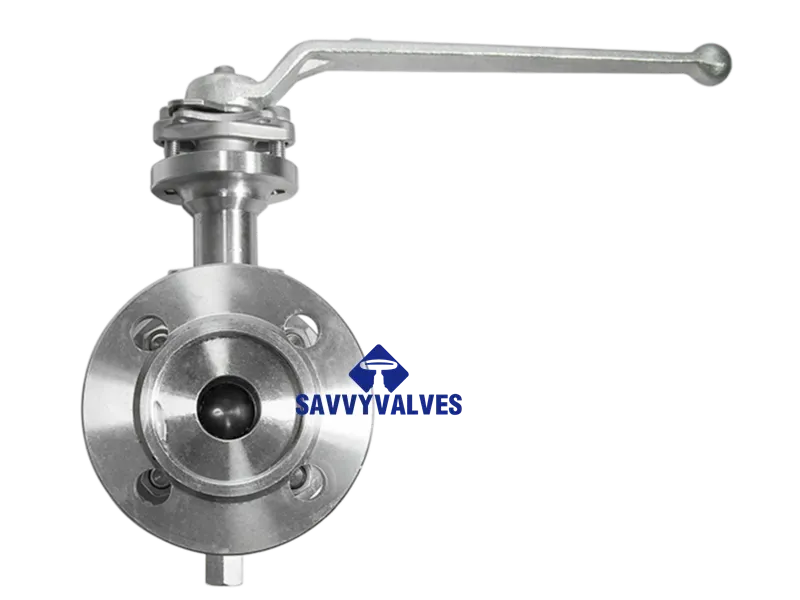
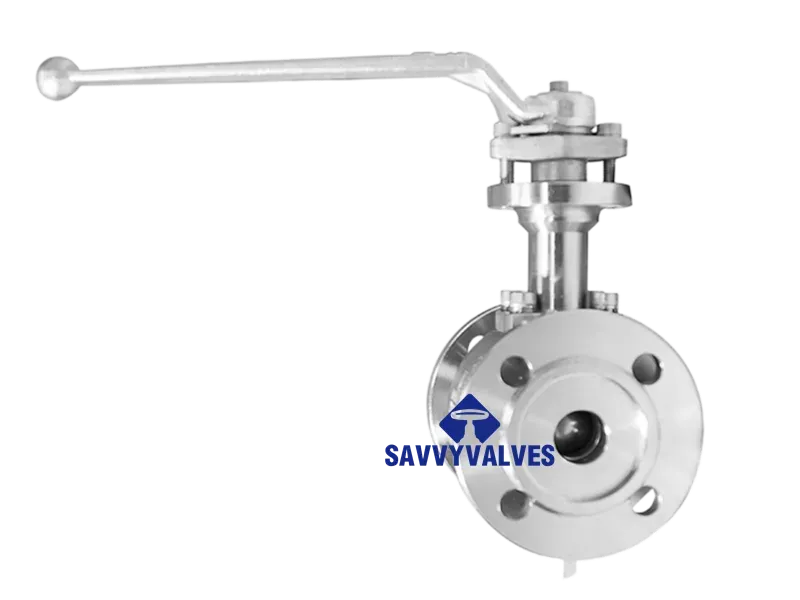
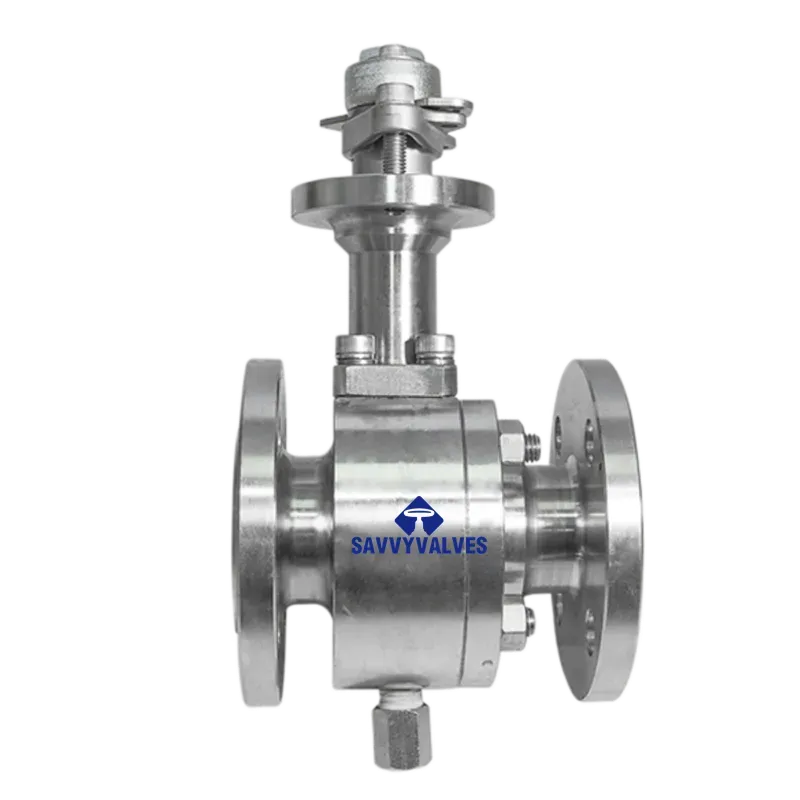
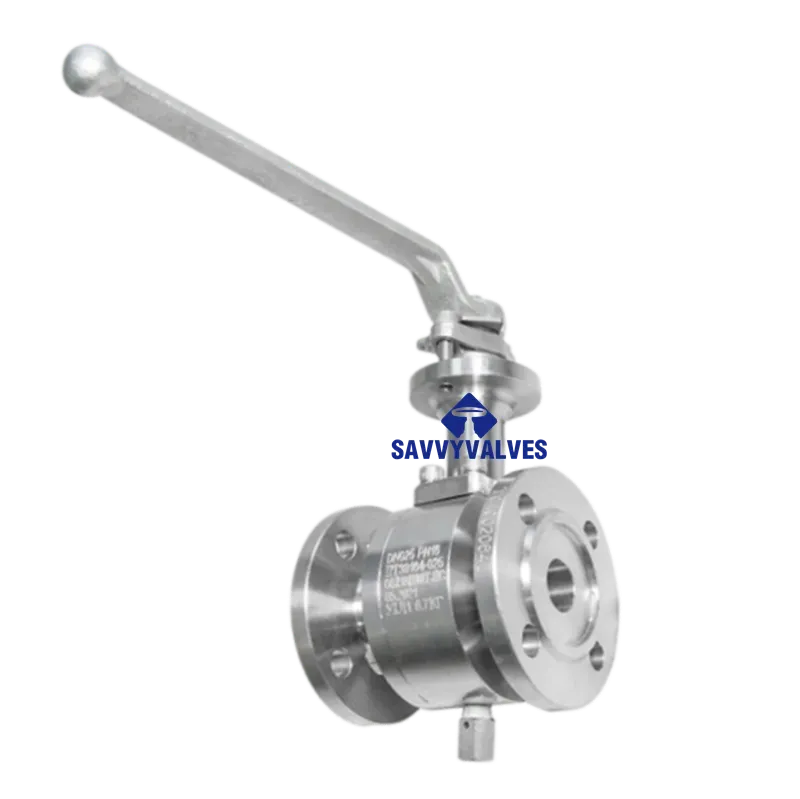
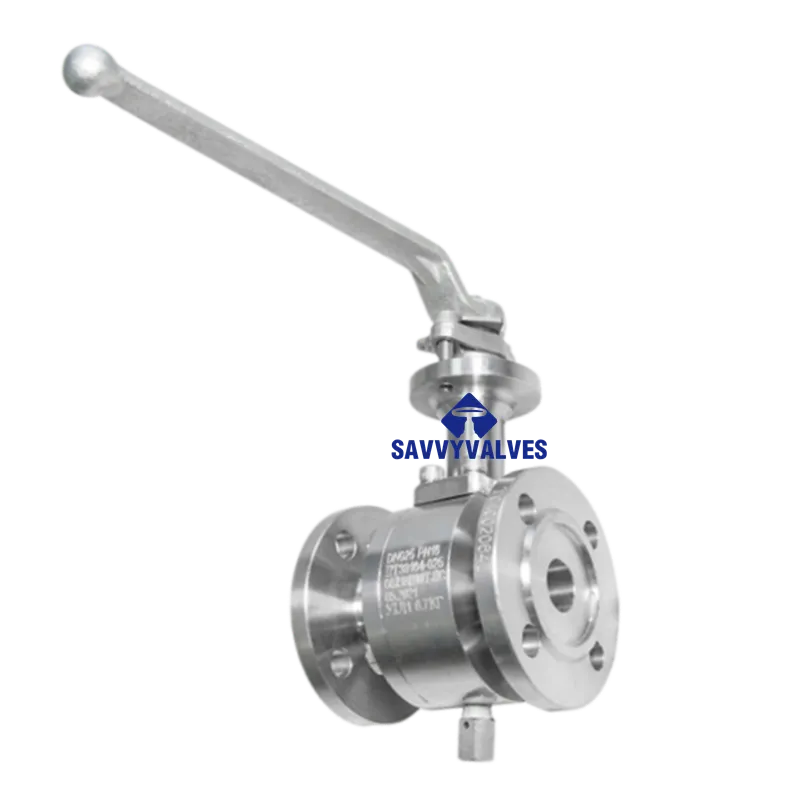
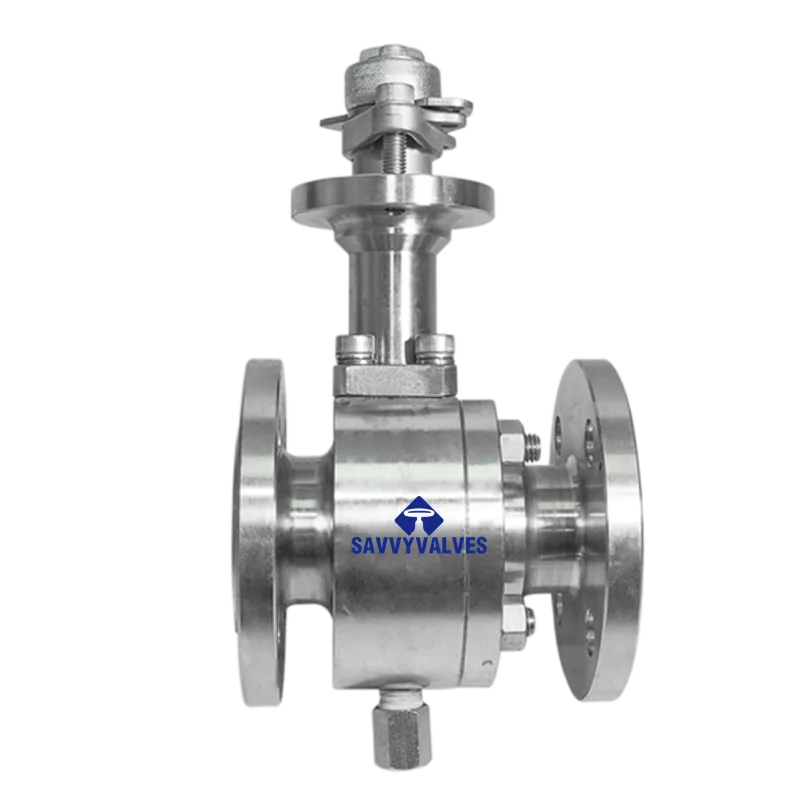
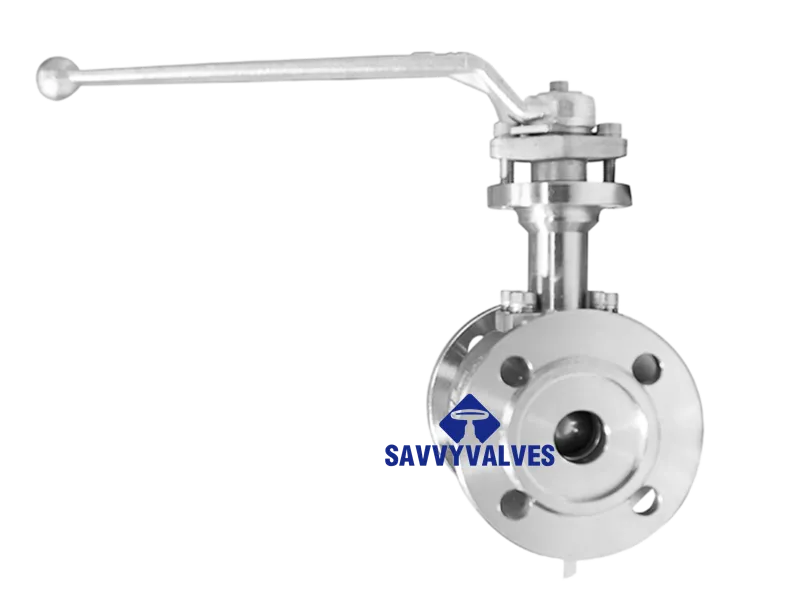
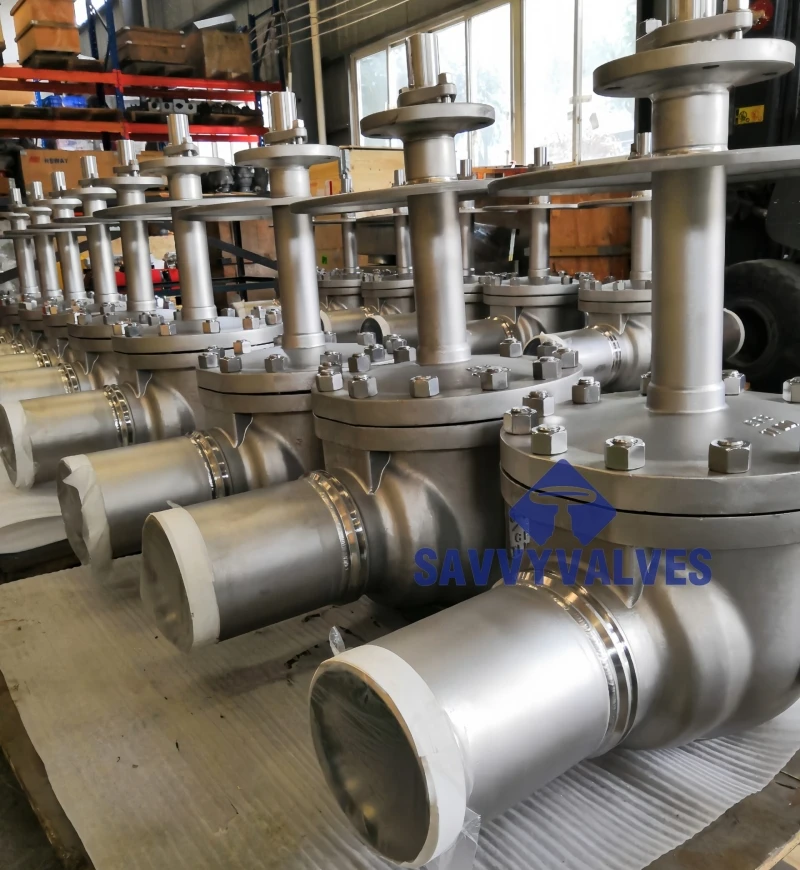
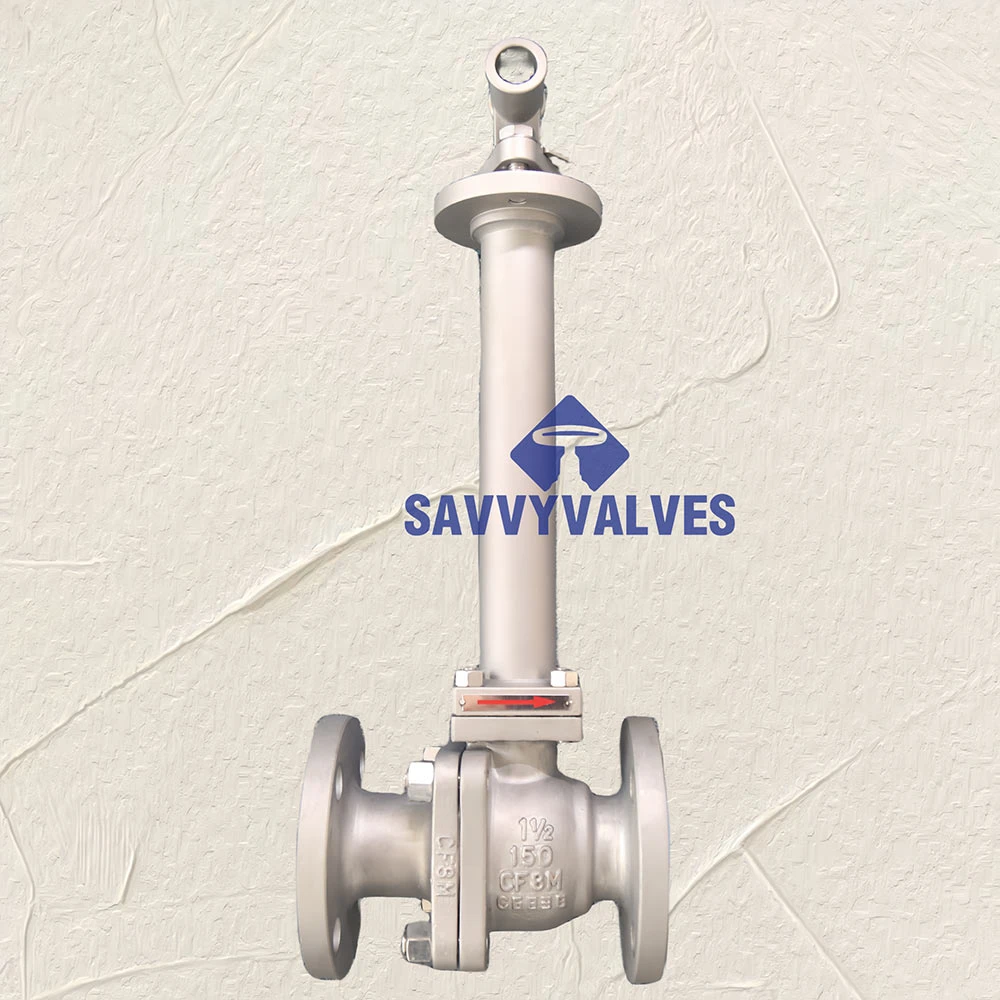
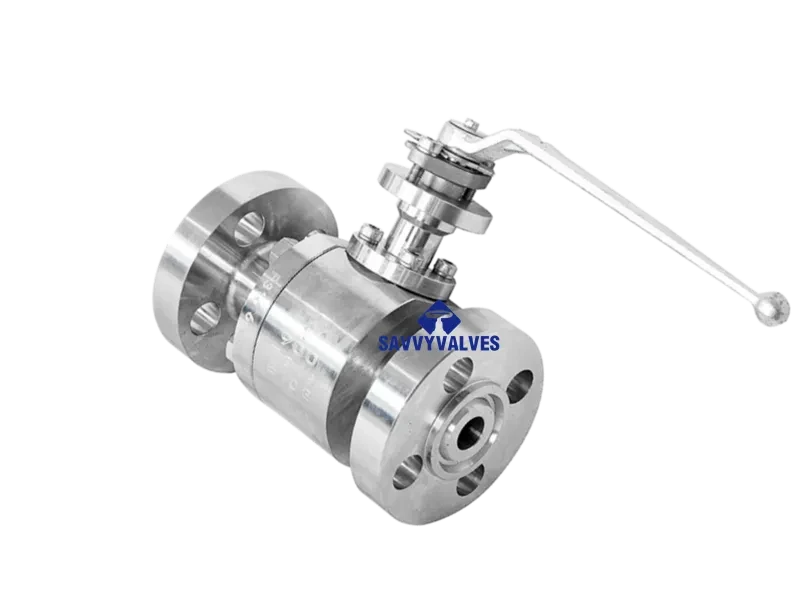
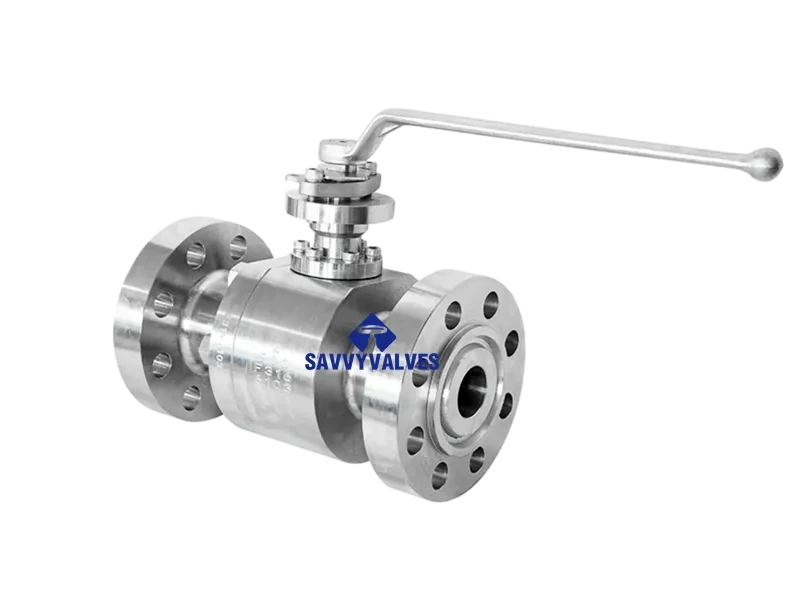
Product: 2-Piece Cryogenic Ball Valve
Tamaño: DN25 (1 inch)
Clasificación de presión: PN16 (Class 150)
Material del cuerpo: F304 Stainless Steel (ASTM A182 F304)
Body Construction: 2-Piece, Floating Ball
Seat Type: Soft Seated (PCTFE / PEEK)
Parámetro | Value |
Tamaño nominal | DN25 (1″) |
Clasificación de presión | PN16 (Class 150) |
Tipo de válvula | 2-Piece Floating Ball Valve |
Construcción de la carrocería | 2-Piece (Body + End Cap) |
End Connections | Flanged (EN 1092‑1 PN16) / Threaded (ISO 7‑1 / NPT) / Socket Weld |
Temperature Range | –196°C ~ +80°C (for cryogenic service) |
Suitable Media | LNG (Liquefied Natural Gas), LPG, liquid nitrogen, liquid oxygen, liquid argon, ethylene, and other cryogenic fluids |
Fire Safe Design | API 607 / ISO 10497 (optional) |
Item | Part | Standard Material |
1 | Cuerpo | F304 (ASTM A182 F304) |
2 | End Cap | F304 |
3 | Pelota | F304 + Chromium Plating / Chromium Carbide Coating (optional) |
4 | Seat Rings | PCTFE (Polychlorotrifluoroethylene) or PEEK(Polyetheretherketone) |
5 | Provenir | F304 / 17-4PH |
6 | Stem Packing | PCTFE / PTFE (low‑temperature grade) or Flexible Graphite |
7 | Body Gasket | Spiral Wound, F304 + PCTFE / PTFE / Graphite |
8 | Bolting | A193 B8 / A194 B8 (304 stainless steel) |
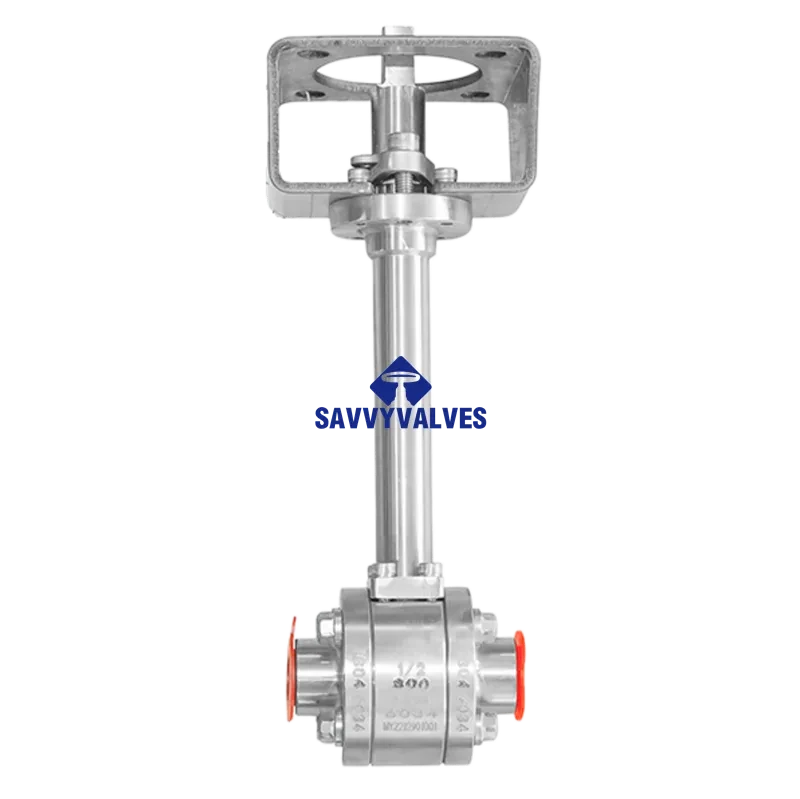
9 | Extended Bonnet | F304 (provides thermal isolation) |
10 | Handle / Operator | Stainless Steel or Carbon Steel with insulation (optional) |
*Note: PCTFE is preferred for cryogenic applications down to –196°C due to its excellent low-temperature sealing properties; PEEK is suitable for higher-pressure cryogenic applications with good wear resistance.*
Seat Material | Temperature Range | Characteristics | Typical Application |
PCTFE | –196°C ~ +80°C | Excellent low-temperature sealing, low permeability, good dimensional stability | LNG, liquid oxygen, liquid nitrogen |
PEEK | –196°C ~ +250°C | Higher mechanical strength, wear resistance, suitable for higher pressures | High-pressure cryogenic, cycling service |
PTFE (Not Recommended) | –196°C ~ +80°C | Prone to cold flow and deformation at cryogenic temperatures; not preferred for critical cryogenic service | General purpose only |
Parámetro | Value |
Face‑to‑Face Length (L) | ~120 mm (flanged per EN 558) / ~80 mm (threaded) |
Extended Bonnet Height | ~100 – 150 mm (to ensure proper thermal gradient) |
End Connections | Flanged – EN 1092‑1 PN16 (RF / FF) / Threaded (ISO 7‑1 / NPT) |
Flange Facing (if flanged) | Raised Face (RF) or Flat Face (FF) |
Top Height (H) | ~160 – 200 mm (with handle) |
Operating Torque | ~10 – 25 N·m (soft seated, floating ball) |
Approx. Weight | ~3 – 5 kg (flanged version) / ~1.5 – 2.5 kg (threaded version) |
Note: Final dimensions to be confirmed by manufacturing drawings.
Item | Estándar |
Design & Manufacture | ASME B16.34 / EN 12516 / API 608 |
Flanged End Connections | EN 1092‑1 / ASME B16.5 |
Threaded End Connections | ISO 7‑1 (BSP) / ASME B1.20.1 (NPT) |
Pressure‑Temperature Rating | ASME B16.34 / EN 1092‑1 |
Fire Safe Test | API 607 / ISO 10497 (optional) |
Cryogenic Testing | BS 6364 (or customer specification) |
Pressure Testing | API 598 or ISO 5208 |
Low‑Pressure Air Test | 0.6 MPa (6 bar) – bubble‑tight (zero leakage) |
High‑Pressure Hydrostatic Test | 1.5 × rated pressure (body), 1.1 × rated pressure (seat) |
Consideration | Requirement |
Material Toughness | Materials must pass Charpy impact tests at service temperature (e.g., –196°C for F304) |
Extended Bonnet | Minimum height ensures packing temperature remains above freezing point of moisture in the air |
Seat Material | PCTFE or PEEK required for reliable low-temperature sealing; PTFE is not recommended due to cold flow |
Leakage Rate | Cryogenic valves typically require bubble‑tight shut‑off (helium leak testing often specified) |
Thermal Cycling | Valve design must accommodate thermal contraction and expansion without loss of sealing |
Packing | Low‑temperature packing (e.g., PCTFE or PTFE) must be used to maintain seal flexibility |
Antiestático | Essential to prevent static discharge in flammable cryogenic services |
When ordering, please specify:
This data sheet reflects the DN25 – PN16 2-Piece Cryogenic Ball Valve with F304 material and PCTFE / PEEK seats. For specific dimensions, torque curves, or actuator sizing support, please contact us with your detailed requirements.
GARANTÍA:
SAVVY VALVES se compromete a ofrecer una calidad de producto excepcional y un servicio posventa sin complicaciones. Nuestras válvulas tienen una vida útil mínima garantizada de 12 meses, durante los cuales suministraremos todos los repuestos necesarios e instrucciones detalladas de mantenimiento de forma gratuita. Durante el período de garantía, si se produce algún daño no provocado por el hombre, reemplazaremos los componentes sin coste alguno y ofreceremos soporte técnico profesional. Una vez vencida la garantía, los clientes solo deberán pagar el coste de los repuestos y seguirán beneficiándose de descuentos en los servicios de mantenimiento. Nuestro objetivo es ayudar a los clientes a reducir los costes operativos y mejorar la eficiencia de la producción mediante una calidad fiable y un soporte posventa integral. Ya sea para consultas técnicas o necesidades de mantenimiento, nuestro equipo de expertos responderá con prontitud para garantizar que su sistema de válvulas mantenga un rendimiento óptimo en todo momento.



 Spanish
  English
  Arabic
  Azerbaijani
  Czech
Czech  Dutch
Dutch  French
  German
  Indonesian
  Italian
  Japanese
  Korean
  Malay
Malay  Persian
  Polish
  Portuguese
  Russian
  Thai
Thai  Vietnamese