
válvulas de bola
-
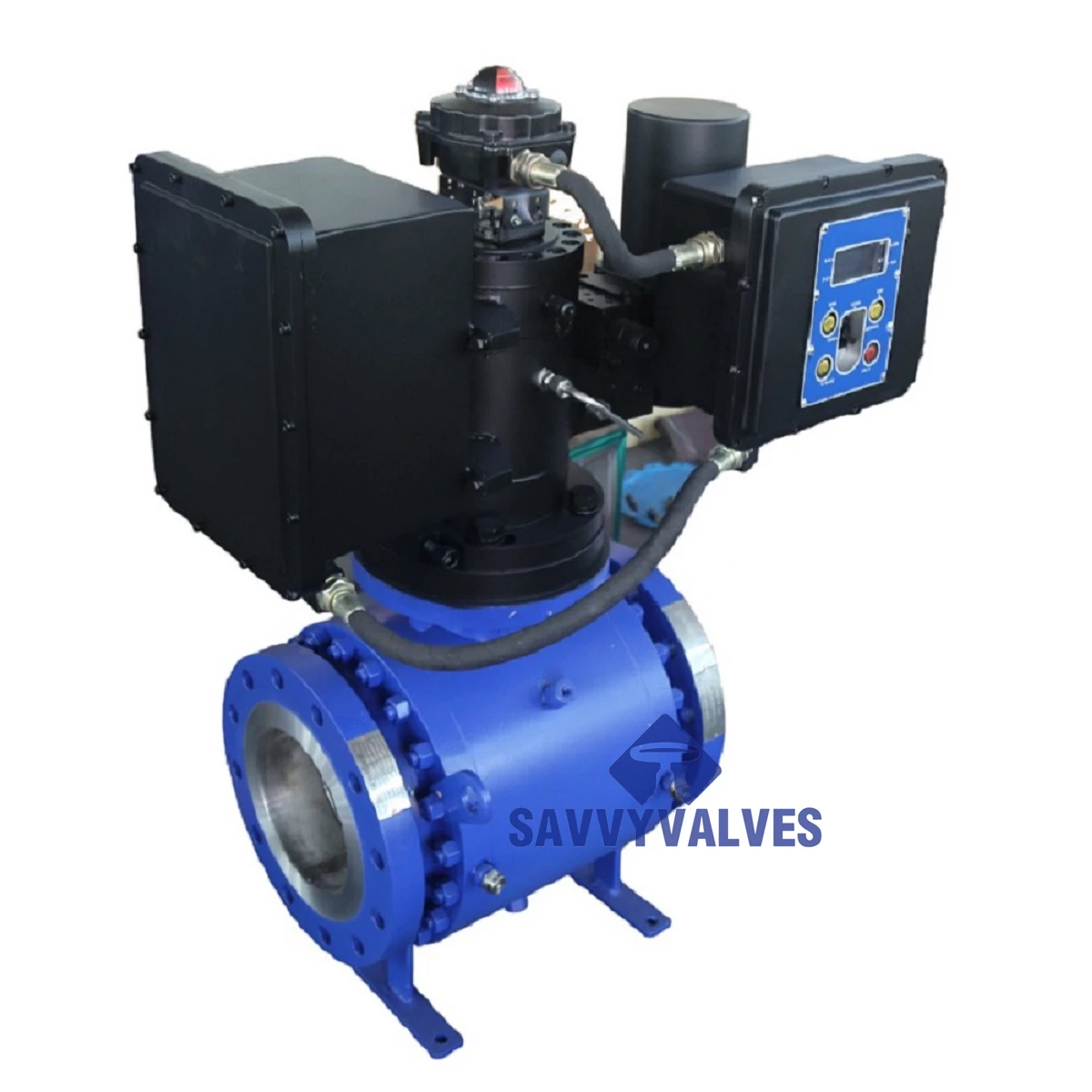 ESPECIFICACIONES DE MUESTRA
TAMAÑO: 8″
CLASIFICACIÓN: 300 LB
CUERPO Y BONETE: ASTM A350 LF2
Bola con muesca en V: ASTM A182 F316+TCC Muesca de 90 °C
VÁSTAGO: ASTM A564 17-4PH
ASIENTO: ASTM A182 F316+TCC
RESORTE: INCONEL X-750
ACTUACIÓN: ACTUADOR ELÉCTRICO HIDRÁULICO
-
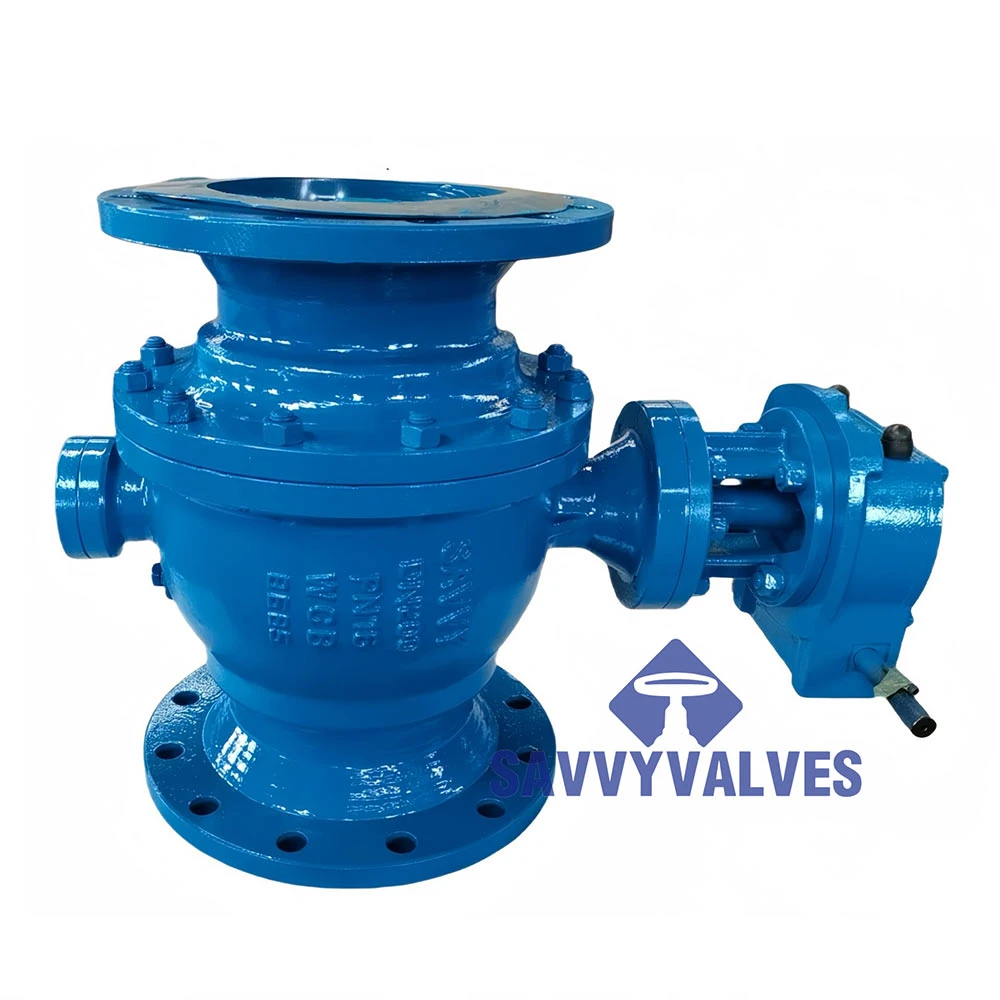 La imagen muestra una válvula de bola montada en muñón API 608, de paso reducido, de 2 piezas.
TAMAÑO: 10″*8″
CLASIFICACIÓN: 150 LB
CUERPO Y BONETE: ASTM A216 WCB
BOLA: ASTM A182 F316
VÁSTAGO: ASTM A182 F316
ASIENTO: COLLAR ASTM A182 F316 CON INSERTO DEVLON
RESORTE: INCONEL X-750
ACCIONAMIENTO: UNIDAD DE REDUCCIÓN
-
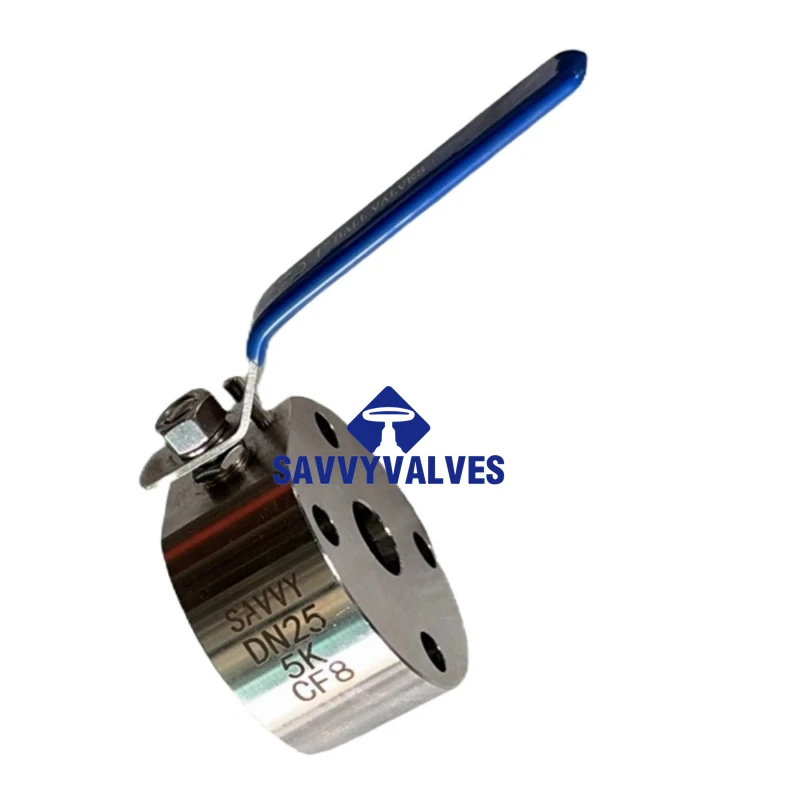 Tamaño: 25A
Clasificación de presión: JIS 5K
Materiales clave:
Cuerpo: ASTM A182 F304
Bola: ASTM A182 F304 + Cromado duro (HCR)
Vástago: ASTM A182 F304
Asiento: PTFE (politetrafluoroetileno)
Operador: Palanca
Extremo de conexión: Tipo wafer, perforado según el estándar JIS B2220 5K
Configuración: Cuerpo único y compacto tipo oblea
Acabado superficial: Arenado y desengrasado.
Rango de temperatura: –29 °C a 425 °C
-
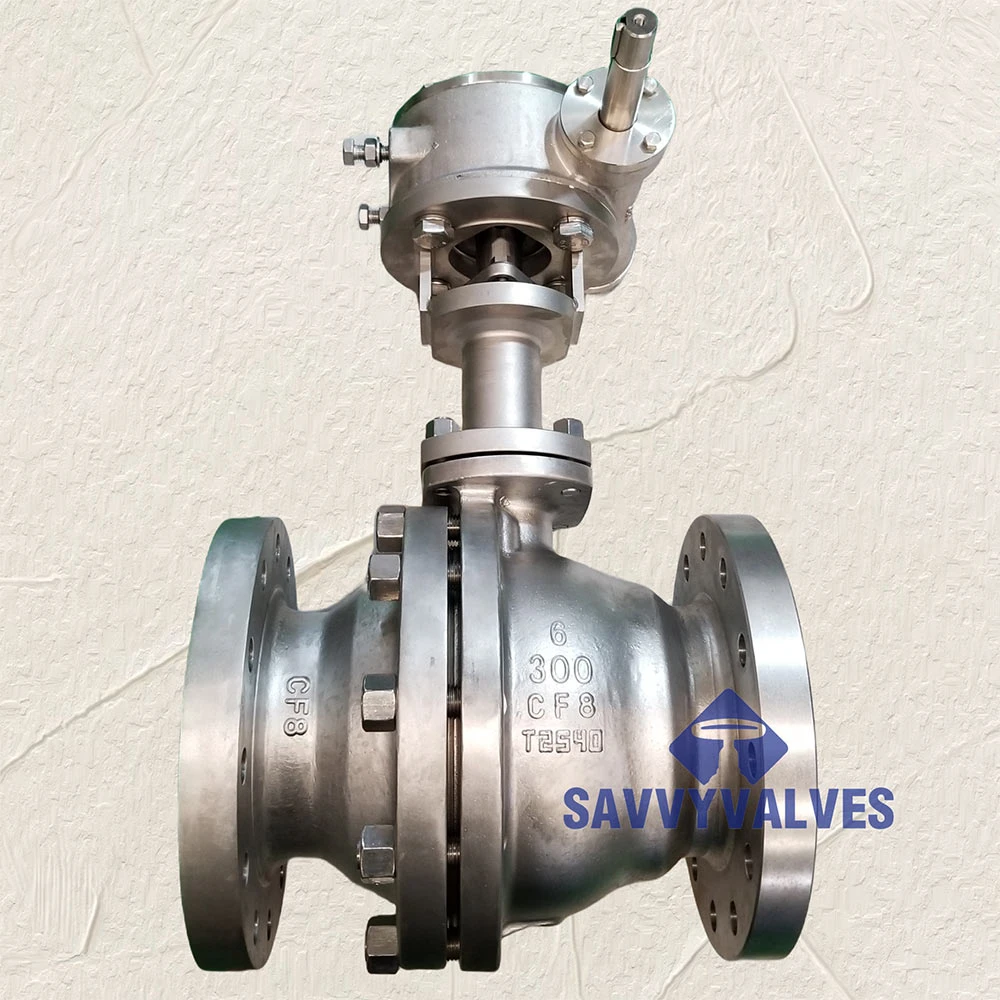 LA FOTO MUESTRA LAS ESPECIFICACIONES A CONTINUACIÓN
TAMAÑO: 6″
CLASIFICACIÓN: 300 LB
EXTREMO: BRIDADO SEGÚN ASME B16.5 300LB
TEMPERATURA: -70 ℃
CUERPO Y BONETE: ASTM A351 CF8
BOLA: ASTM A182 F304
VÁSTAGO: ASTM A182 F304
ASIENTO: PCTFE ENERGIZADO POR RESORTE
ACTUACIÓN: ACTUADOR NEUMÁTICO
-
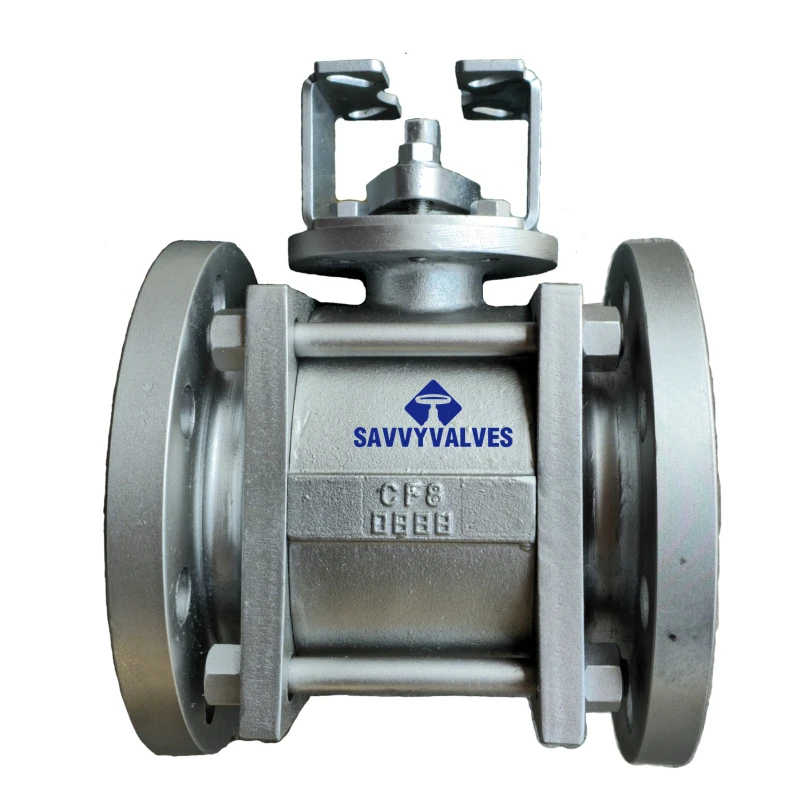 Tamaño: 4" × 3" (DN100 × DN80)
Clasificación de presión: 150 LB (ASME B16.5)
Materiales clave:
Cuerpo y capó: ASTM A351 CF8 (acero inoxidable 304)
Bola: Cerámica estructural de alto rendimiento (Al₂O₃/ZrO₂)
Vástago: AISI F304 (Acero inoxidable 304)
Asiento: Cerámica avanzada (resistente al desgaste y la corrosión)
Operación: Eje desnudo (compatible con actuadores neumáticos, hidráulicos o eléctricos)
Conexión final: Brida de cara elevada (RF)
-
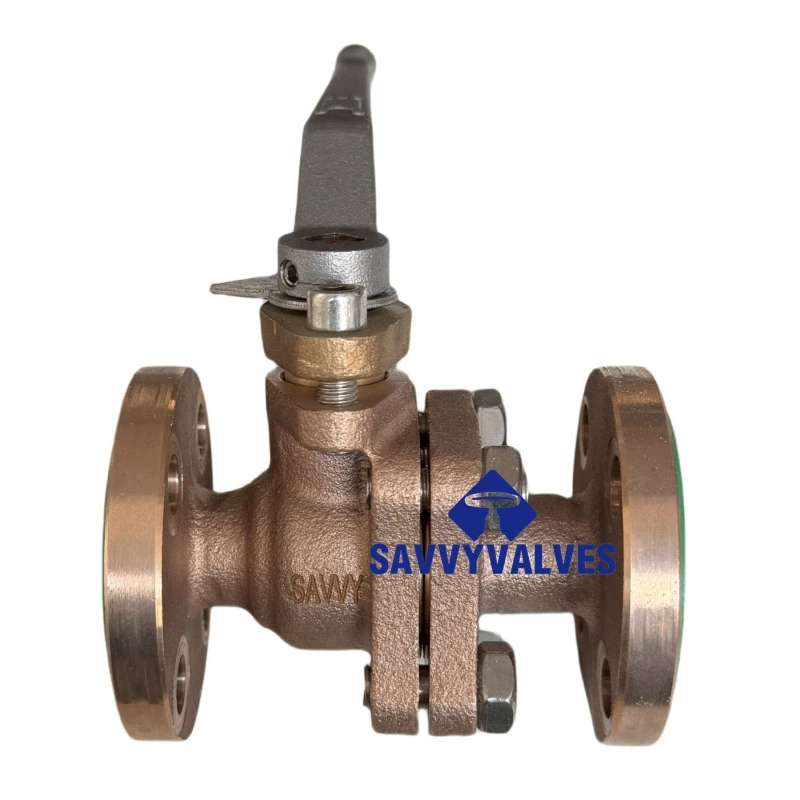 Tamaño: 15A, 25A
Clasificación de presión: JIS 5K
Materiales clave:
Cuerpo/Capó: ASTM B62 C83600 (bronce fundido)
Pelota: Monel K500
Vástago: Monel K500
Asiento: RPTFE (PTFE reforzado)
Operador: Palanca manual
Extremo de conexión: JIS B2220 5K Cara bridada (FF)
Acabado de la superficie: Arenado y desengrasado
Rango de temperatura: -29°C a 120°C
-
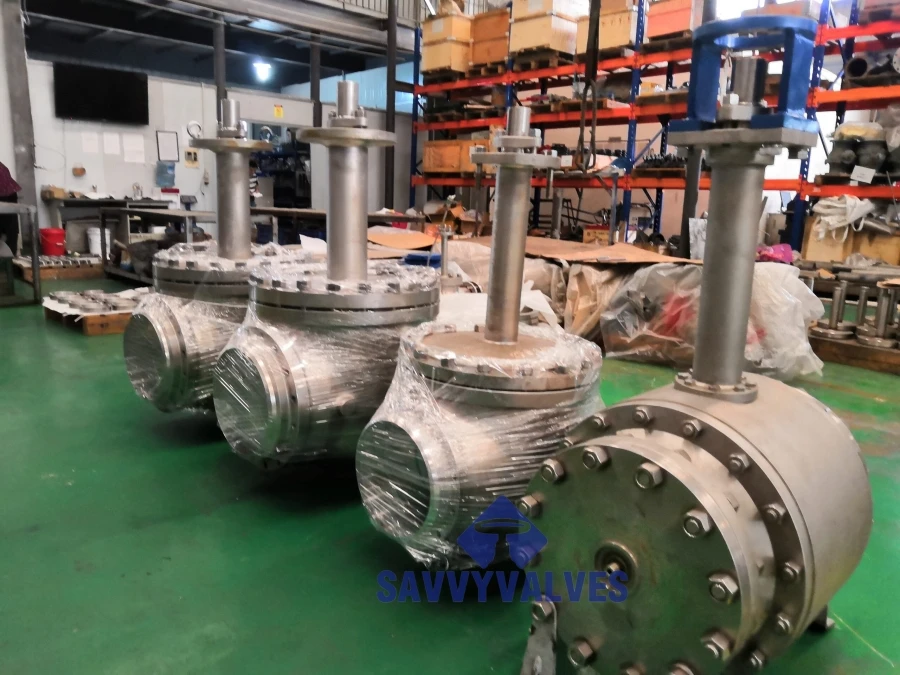 LAS FOTOS MUESTRAN LAS ESPECIFICACIONES A CONTINUACIÓN:
TAMAÑO: 6″
CLASIFICACIÓN: 300 LB
EXTREMO: BRIDA SEGÚN ASME B16.5
TEMPERATURA: -196 ℃
CUERPO Y BONETE: ASTM A182 F304
BOLA: ASTM A182 F304+HF
ASIENTO: PCTFE O METAL HF
ACCIONAMIENTO: MANUAL Y ENGRANAJE
-
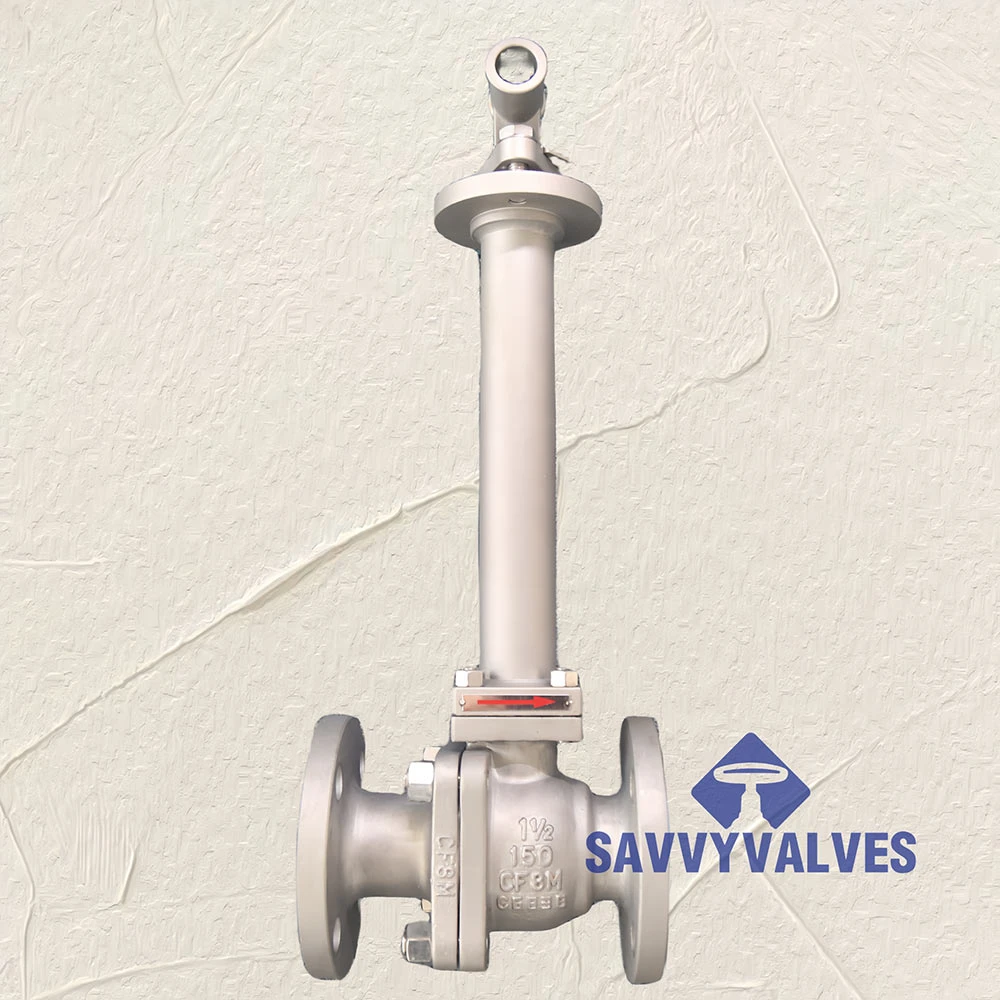 LA FOTO MUESTRA LAS ESPECIFICACIONES A CONTINUACIÓN
TAMAÑO: 1-1/2″
RATING: 150LB
EXTREMO: BRIDADO SEGÚN ASME B16.5 300LB
TEMPERATURA: -196 ℃
CUERPO Y BONETE: ASTM A351 CF8M
BOLA: ASTM A182 F316+HCR
VÁSTAGO: ASTM A182 F316
ASIENTO: PCTFE ENERGIZADO POR RESORTE
ACCIONAMIENTO: PALANCA
-
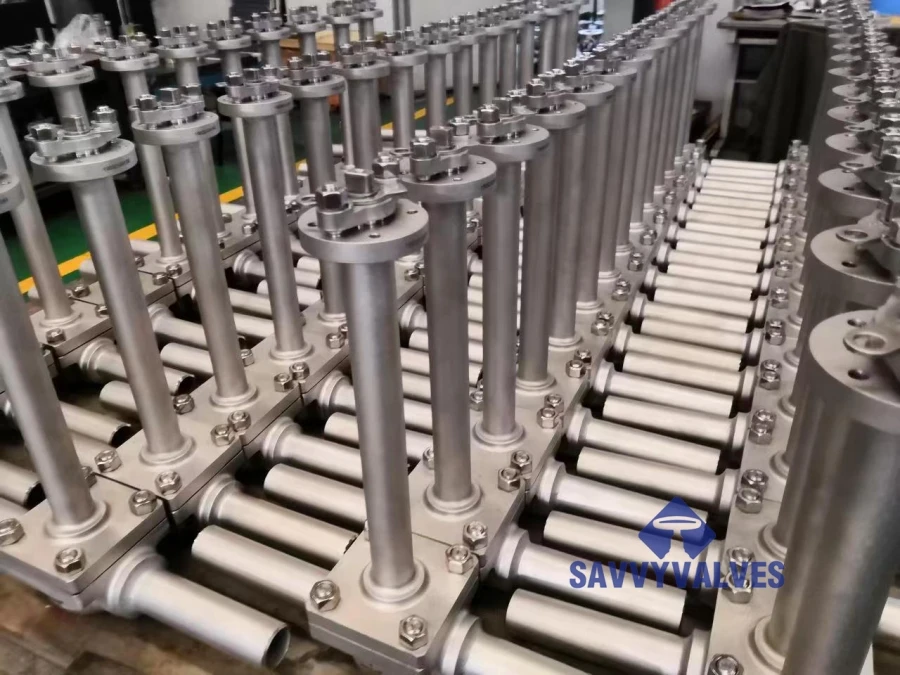 LAS FOTOS MUESTRAN LAS ESPECIFICACIONES A CONTINUACIÓN:
TAMAÑO: 1″
RATING: 150LB
FINAL: BW SEGÚN ASME B16.25
TEMPERATURA: -196 ℃
CARROCERÍA Y CAPÓ: A182 F316
BOLA: ASTM A182 F316+HF
VÁSTAGO: ASTM A182 F316
ASIENTO: METAL PEEK O HF
ACCIONAMIENTO: MANUAL Y ENGRANAJE
-
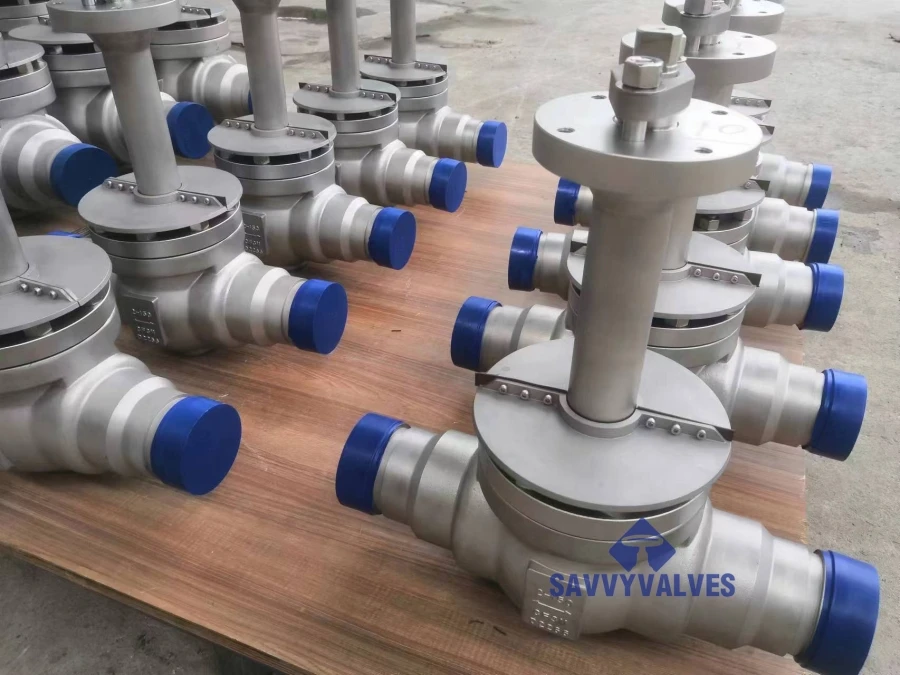 LAS FOTOS MUESTRAN LAS ESPECIFICACIONES A CONTINUACIÓN:
TAMAÑO: 8″
RATING: 150LB
EXTREMO: BRIDA SEGÚN ASME B16.5
TEMPERATURA: -196 ℃
CARROCERÍA Y CAPÓ: A351 CF8M
BOLA: ASTM A182 F316+HF
VÁSTAGO: ASTM A182 F316
ASIENTO: PCTFE O METAL HF
ACCIONAMIENTO: MANUAL Y ENGRANAJE
-
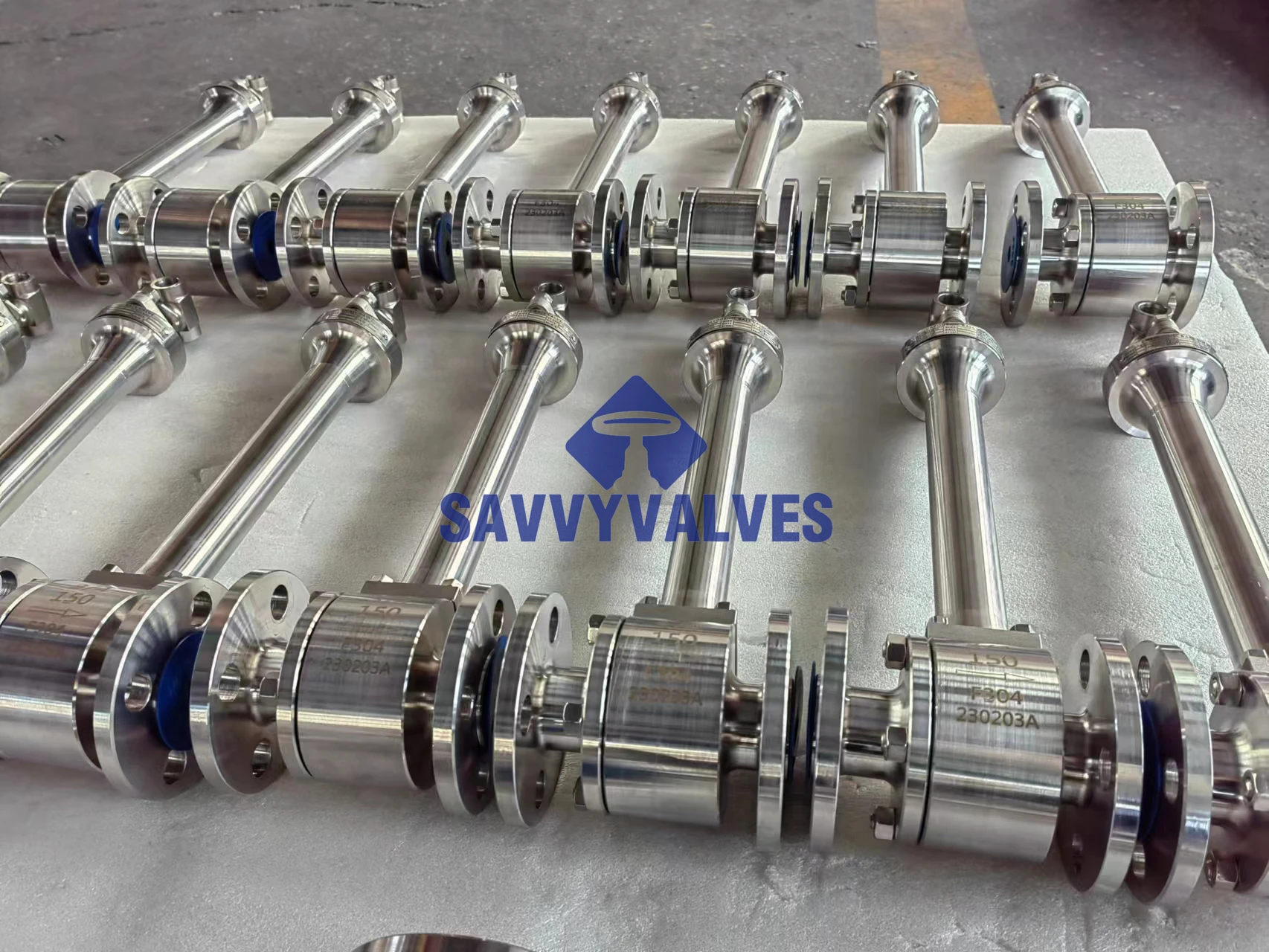 LAS FOTOS MUESTRAN LAS ESPECIFICACIONES A CONTINUACIÓN:
TAMAÑO: 3/4″ 6″
CLASIFICACIÓN: 150LB 300LB
EXTREMO: BRIDA SEGÚN ASME B16.5
TEMPERATURA: -196 ℃
CUERPO Y BONETE: ASTM A182 F304
BOLA: ASTM A182 F304+HF
ASIENTO: PCTFE O METAL HF
ACCIONAMIENTO: MANUAL Y ENGRANAJE
-
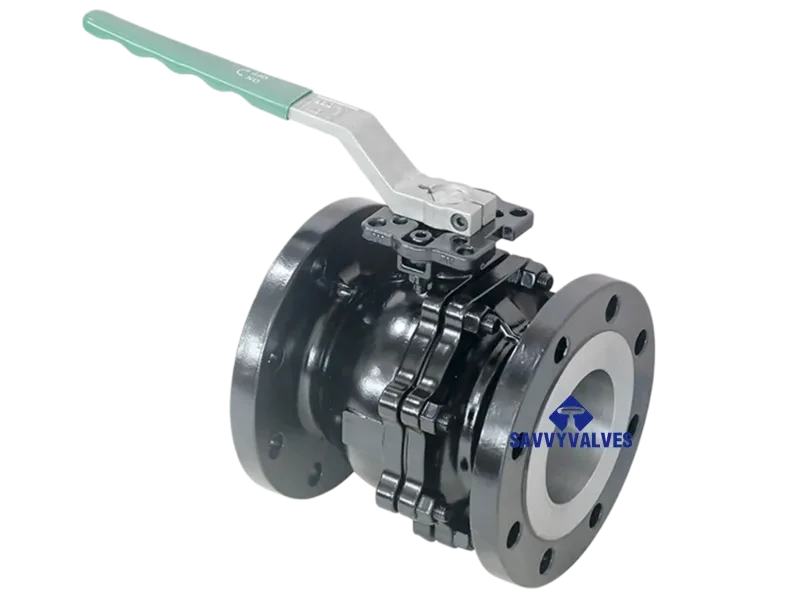 Product Name Floating Ball Valve, Soft Seated
Nominal Size 4″ (DN100)
Pressure Rating Class 150 (PN20)
Connection Flanged, Raised Face (RF)
Flange Standard ASME B16.5
Design Standard ASME B16.34 / API 608
Face-to-Face ASME B16.10
A ball valve is a type of quarter-turn valve that controls flow using a hollow, perforated, and pivoting ball inside the valve body. When the ball’s hole is aligned with the pipeline, fluid flows freely; when rotated 90 degrees, the flow is completely blocked. This simple mechanism makes ball valves highly reliable for shutoff and control applications. Ball valves are known for their tight sealing performance, durability, and ease of operation. They can handle high pressure and temperature conditions, and are suitable for gas, liquid, or even corrosive media, depending on the materials used. With minimal pressure drop and fast on-off control, ball valves are widely used in industries like oil and gas, water treatment, chemical processing, and general plumbing. They come in various types such as two-way, three-way, floating, and trunnion-mounted, and can be operated manually, pneumatically, or electrically.


 Spanish
  English
  Arabic
  Azerbaijani
  Czech
Czech  Dutch
Dutch  French
  German
  Indonesian
  Italian
  Japanese
  Korean
  Malay
Malay  Persian
  Polish
  Portuguese
  Russian
  Thai
Thai  Vietnamese