
Kugelhähne
-
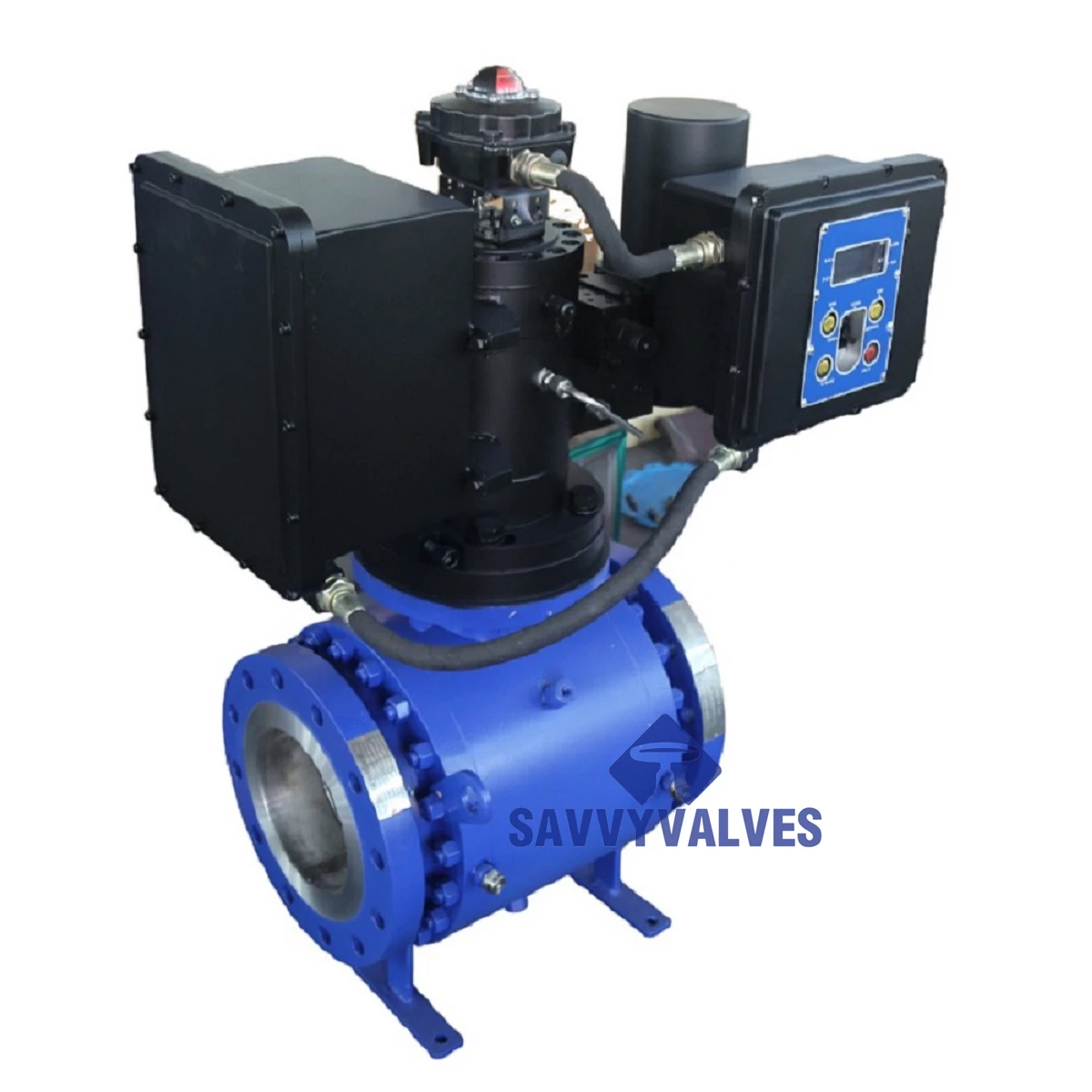 BEISPIELSPEZIFIKATIONEN
GRÖSSE: 8″
Bewertung: 300lb
KAROSSERIE UND MOTORHAUBE: ASTM A350 LF2
V-KERBKUGEL: ASTM A182 F316+TCC 90℃ KERBE
STAMM: ASTM A564 17-4PH
SITZ: ASTM A182 F316+TCC
FEDER: INCONEL X-750
BETÄTIGUNG: ELEKTRO-HYDRAULISCHER AKTUATOR
-
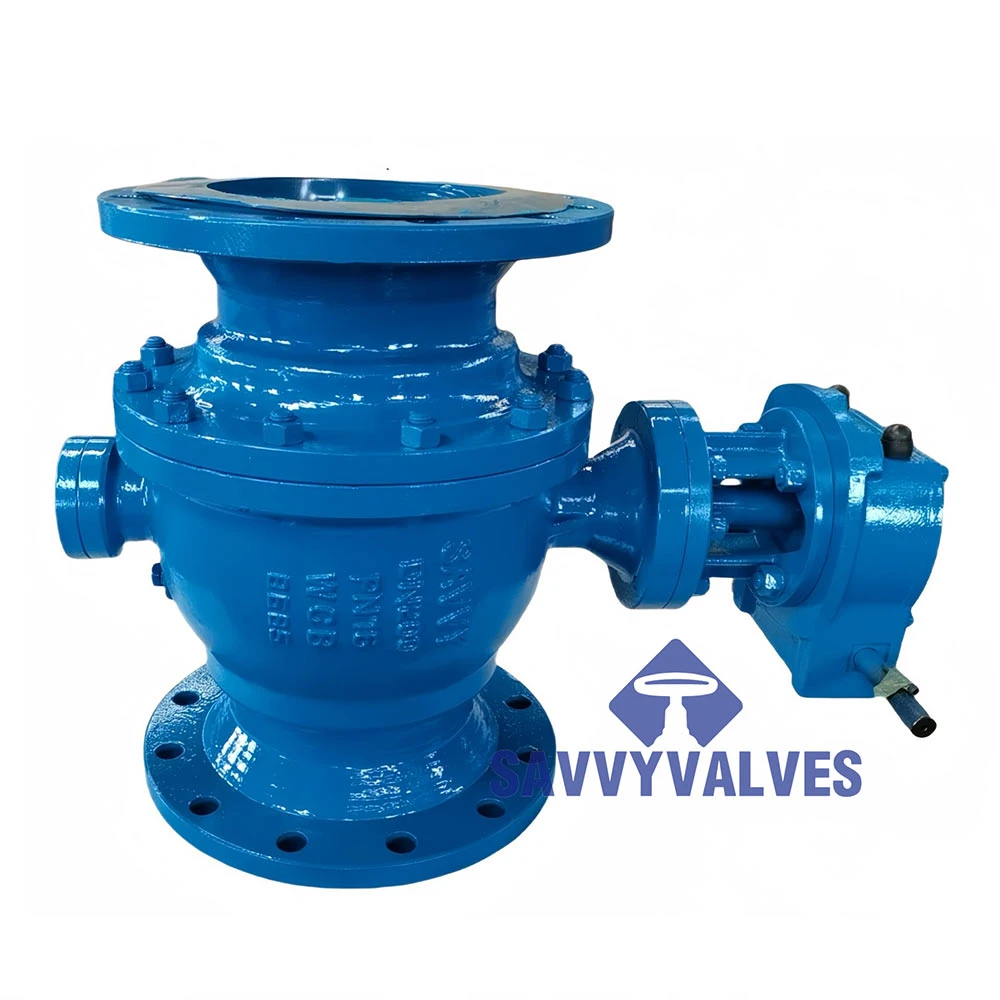 Das Bild zeigt einen API 608 Zapfenkugelhahn mit reduzierter Bohrung, 2-teilig
GRÖSSE: 10″*8″
Bewertung: 150lb
GEHÄUSE UND HAUBE: ASTM A216 WCB
KUGEL: ASTM A182 F316
STAMM: ASTM A182 F316
SITZ: ASTM A182 F316 KRAGEN MIT DEVLON-EINSATZ
FEDER: INCONEL X-750
BETÄTIGUNG: GETRIEBE
-
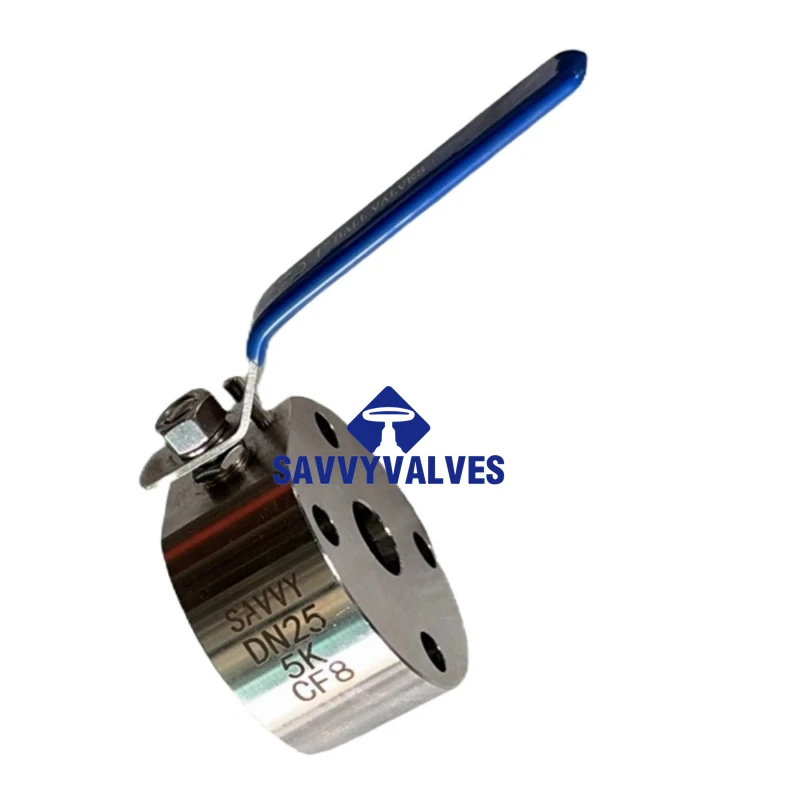 Größe: 25A
Druckbewertung: JIS 5K
Wichtige Materialien:
Körper: ASTM A182 F304
Kugel: ASTM A182 F304 + Hartverchromt (HCR)
Schaft: ASTM A182 F304
Sitz: PTFE (Polytetrafluorethylen)
Bediener: Hebel
Anschlussende: Wafertyp, gebohrt gemäß JIS B2220 5K-Standard
Konfiguration: Einzigartiges kompaktes Gehäuse im Wafer-Stil
Oberflächenbeschaffenheit: Sandgestrahlt und entfettet
Temperaturbereich: –29 °C bis 425 °C
-
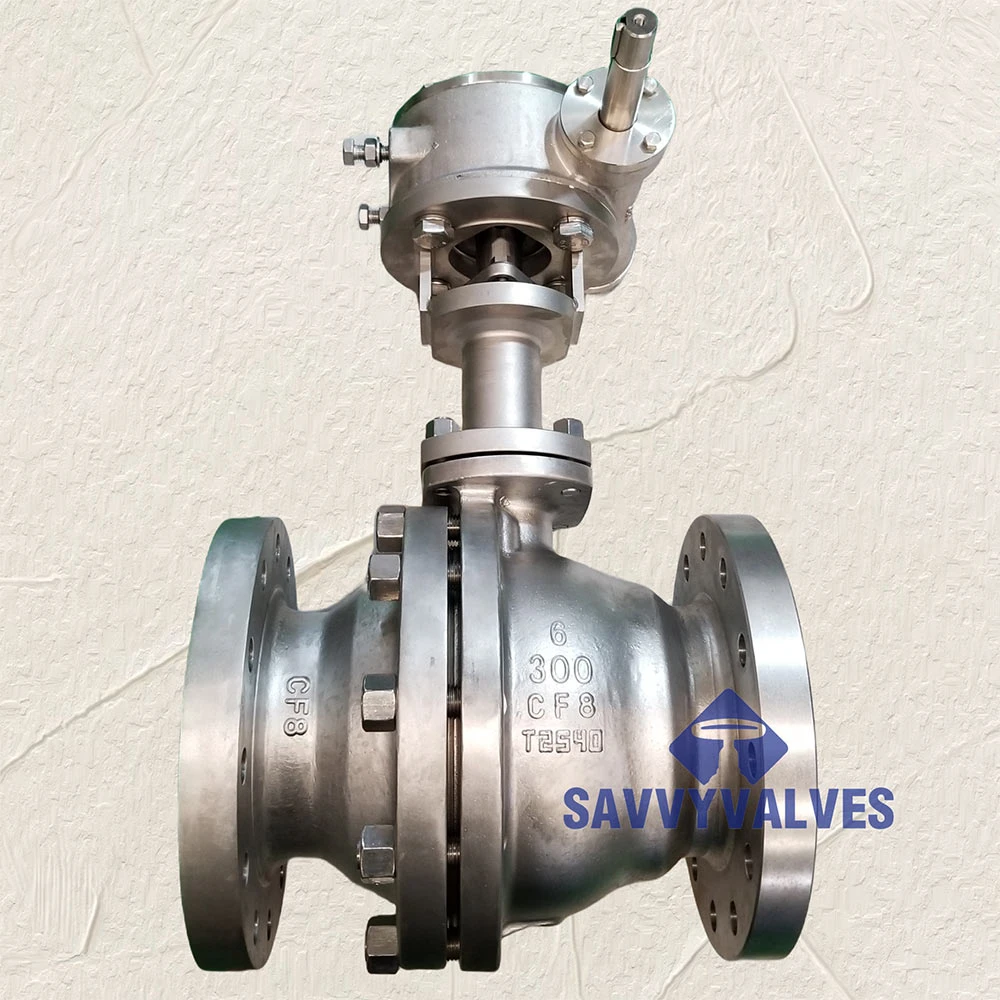 FOTO ZEIGT SPEZIFIKATIONEN WIE UNTEN
GRÖSSE: 6″
Bewertung: 300lb
ENDE: GEFLANSCHT GEMÄSS ASME B16.5 300LB
TEMPERATUR: -70 ℃
GEHÄUSE UND MOTORHAUBE: ASTM A351 CF8
KUGEL: ASTM A182 F304
STAMM: ASTM A182 F304
SITZ: FEDERUNTERSTÜTZTES PCTFE
BETÄTIGUNG: PNEUMATISCHER ANTRIEBSART
-
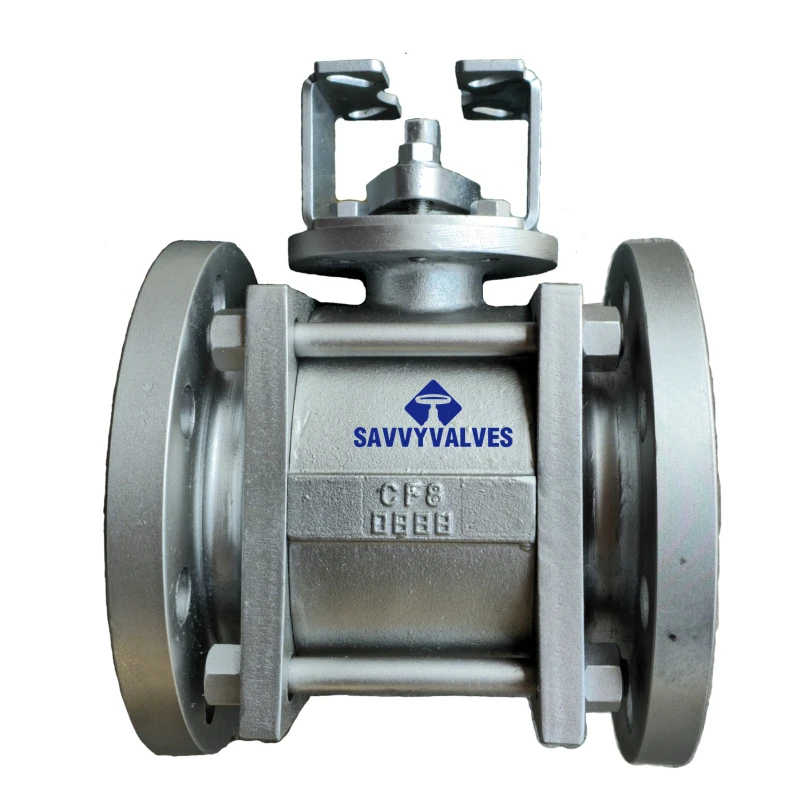 Größe: 4" × 3" (DN100 × DN80)
Druckbewertung: 150 LB (ASME B16.5)
Wichtige Materialien:
Gehäuse und Haube: ASTM A351 CF8 (Edelstahl 304)
Kugel: Hochleistungs-Strukturkeramik (Al₂O₃/ZrO₂)
Schaft: AISI F304 (Edelstahl 304)
Sitz: Hochleistungskeramik (verschleiß- und korrosionsbeständig)
Betrieb: Nackte Welle (kompatibel mit pneumatischen, hydraulischen oder elektrischen Antrieben)
Endanschluss: Flansch mit erhöhter Dichtfläche (RF)
-
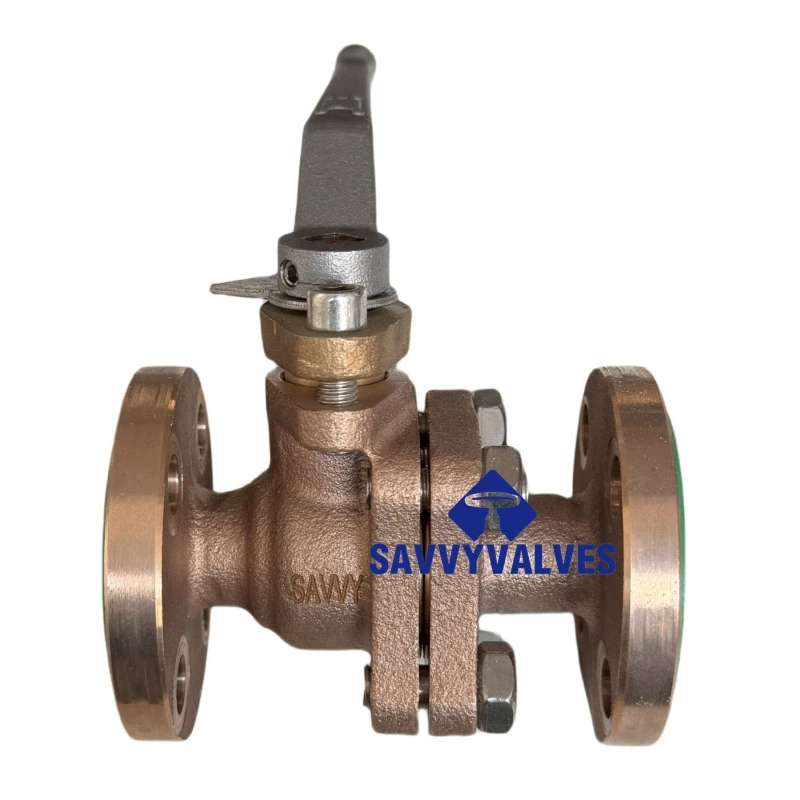 Größe: 15A, 25A
Druckbewertung: JIS 5K
Wichtige Materialien:
Gehäuse/Oberteil: ASTM B62 C83600 (Gussbronze)
Kugel: Monel K500
Vorbau: Monel K500
Sitz: RPTFE (verstärktes PTFE)
Bedienung: Manueller Hebel
Anschlussende: JIS B2220 5K Flanschfläche (FF)
Oberflächenbeschaffenheit: Sandgestrahlt und entfettet
Temperaturbereich: -29 °C bis 120 °C
-
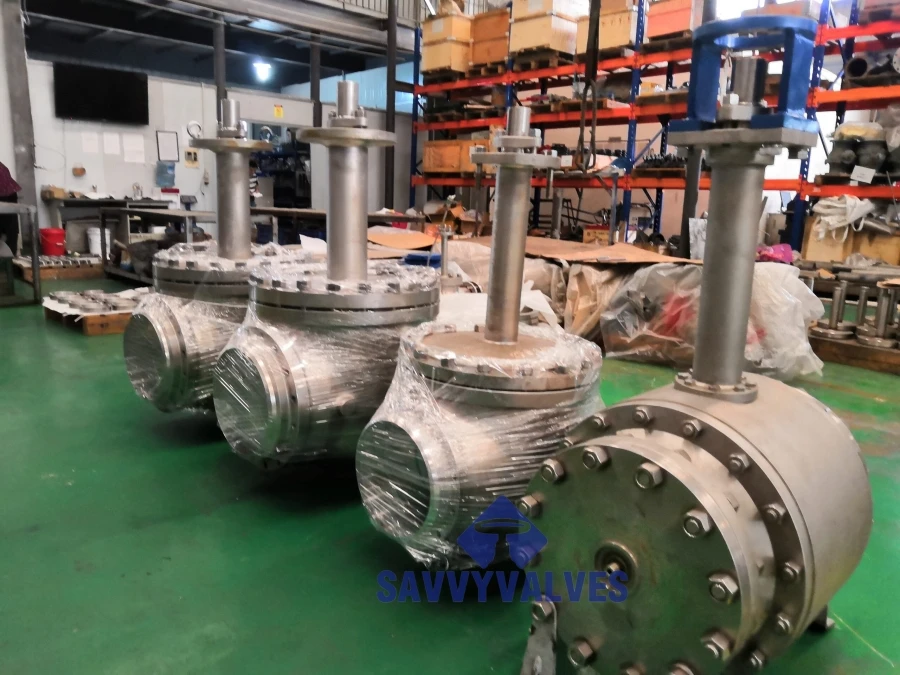 FOTOS ZEIGEN DIE FOLGENDEN SPEZIFIKATIONEN:
GRÖSSE: 6″
Bewertung: 300lb
ENDE: FLANSCH GEMÄSS ASME B16.5
TEMPERATUR: -196 ℃
KAROSSERIE UND MOTORHAUBE: ASTM A182 F304
KUGEL: ASTM A182 F304+HF
SITZ: PCTFE ODER HF-METALL
BETÄTIGUNG: HAND- UND GETRIEBEBETÄTIGUNG
-
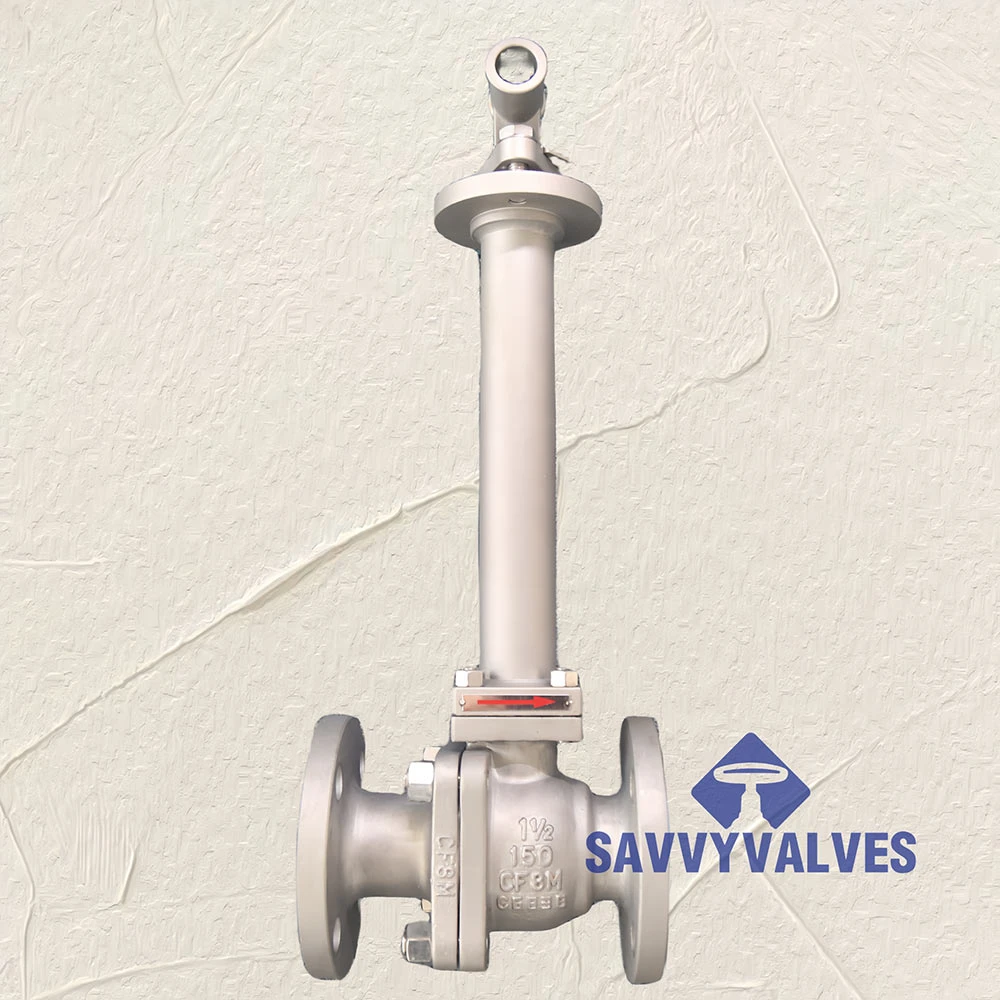 FOTO ZEIGT SPEZIFIKATIONEN WIE UNTEN
GRÖSSE: 1-1/2″
Bewertung: 150lb
ENDE: GEFLANSCHT GEMÄSS ASME B16.5 300LB
TEMPERATUR: -196 ℃
GEHÄUSE UND MOTORHAUBE: ASTM A351 CF8M
KUGEL: ASTM A182 F316+HCR
STAMM: ASTM A182 F316
SITZ: FEDERUNTERSTÜTZTES PCTFE
BETÄTIGUNG: HEBEL
-
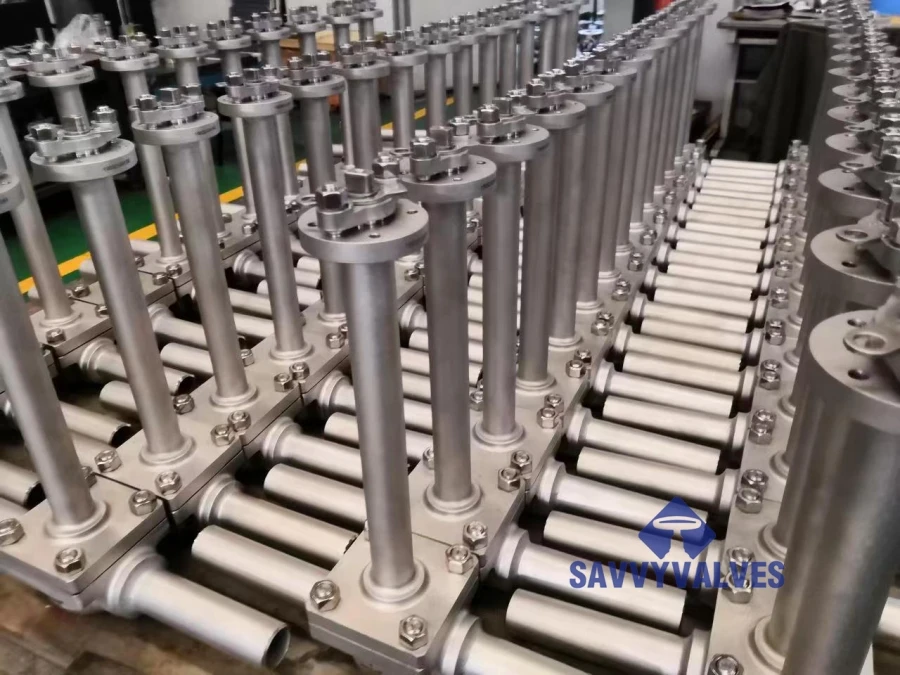 FOTOS ZEIGEN DIE FOLGENDEN SPEZIFIKATIONEN:
GRÖSSE: 1″
Bewertung: 150lb
ENDE: BW GEMÄSS ASME B16.25
TEMPERATUR: -196 ℃
KAROSSERIE UND MOTORHAUBE: A182 F316
KUGEL: ASTM A182 F316+HF
STAMM: ASTM A182 F316
SITZ: PEEK ODER HF-METALL
BETÄTIGUNG: HAND- UND GETRIEBEBETÄTIGUNG
-
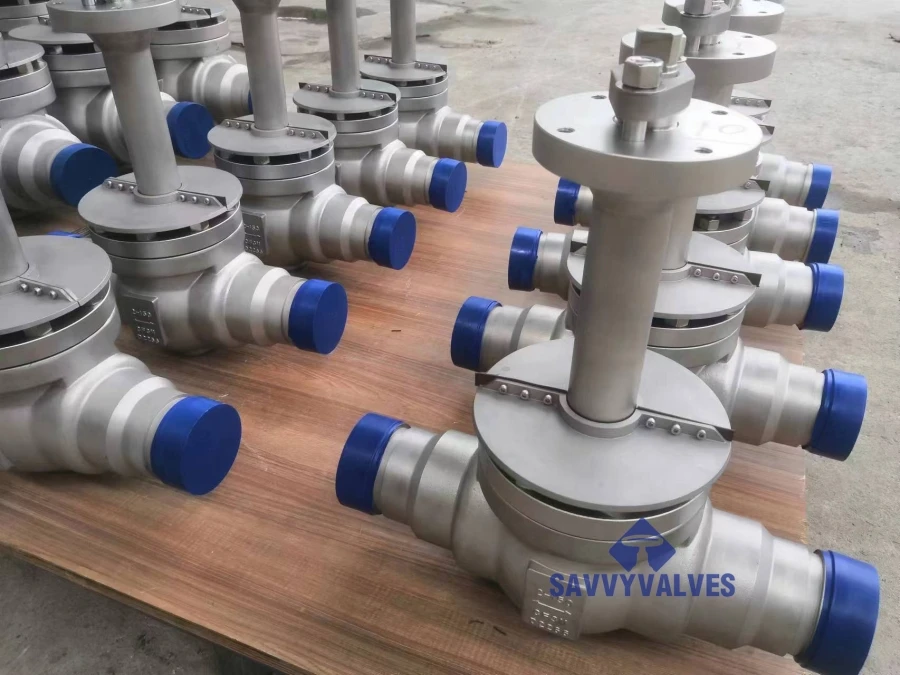 FOTOS ZEIGEN DIE FOLGENDEN SPEZIFIKATIONEN:
GRÖSSE: 8″
Bewertung: 150lb
ENDE: FLANSCH GEMÄSS ASME B16.5
TEMPERATUR: -196 ℃
KAROSSERIE UND MOTORHAUBE: A351 CF8M
KUGEL: ASTM A182 F316+HF
STAMM: ASTM A182 F316
SITZ: PCTFE ODER HF-METALL
BETÄTIGUNG: HAND- UND GETRIEBEBETÄTIGUNG
-
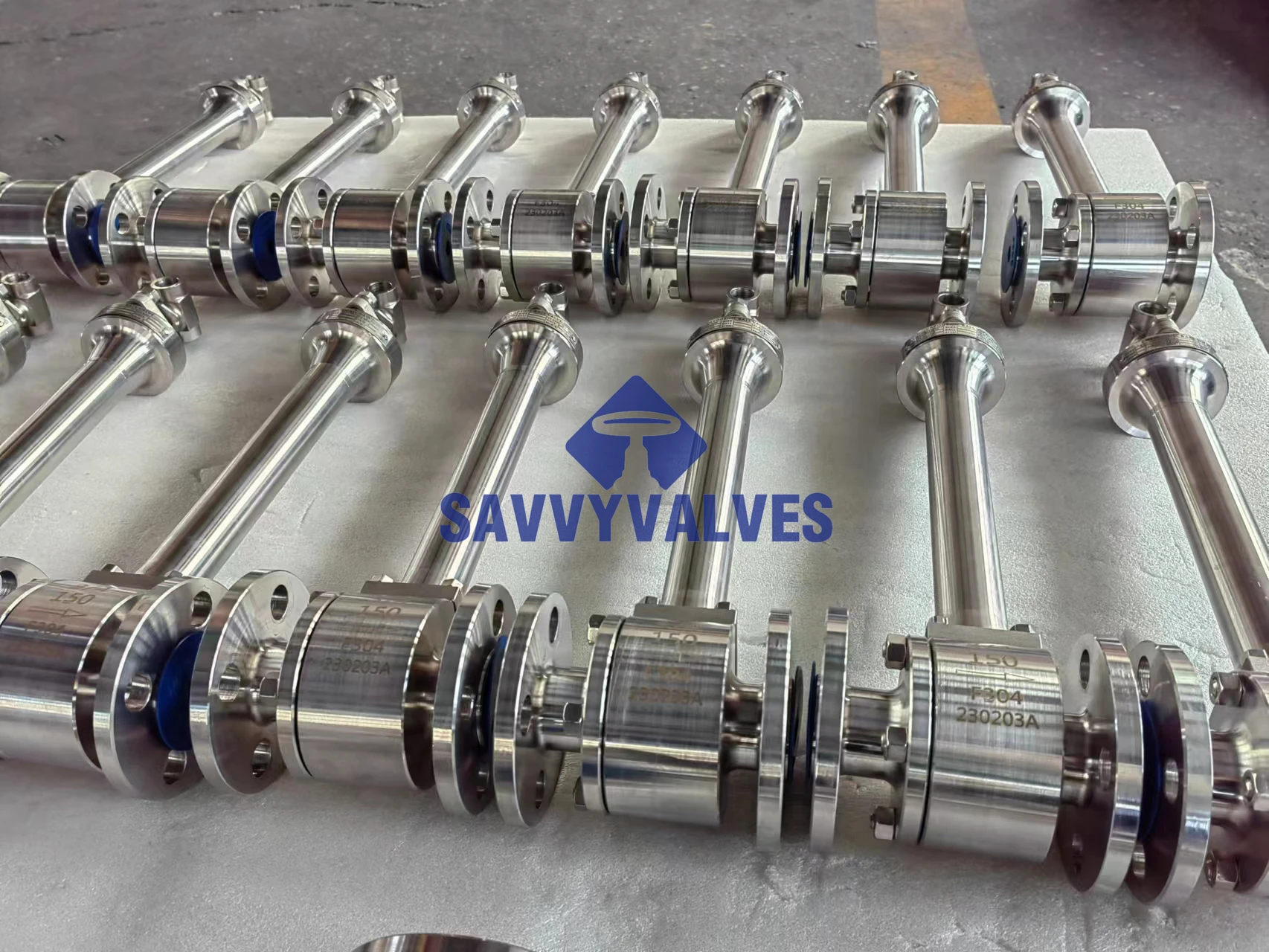 FOTOS ZEIGEN DIE FOLGENDEN SPEZIFIKATIONEN:
GRÖSSE: 3/4″ 6″
Bewertung: 150LB 300LB
ENDE: FLANSCH GEMÄSS ASME B16.5
TEMPERATUR: -196 ℃
KAROSSERIE UND MOTORHAUBE: ASTM A182 F304
KUGEL: ASTM A182 F304+HF
SITZ: PCTFE ODER HF-METALL
BETÄTIGUNG: HAND- UND GETRIEBEBETÄTIGUNG
-
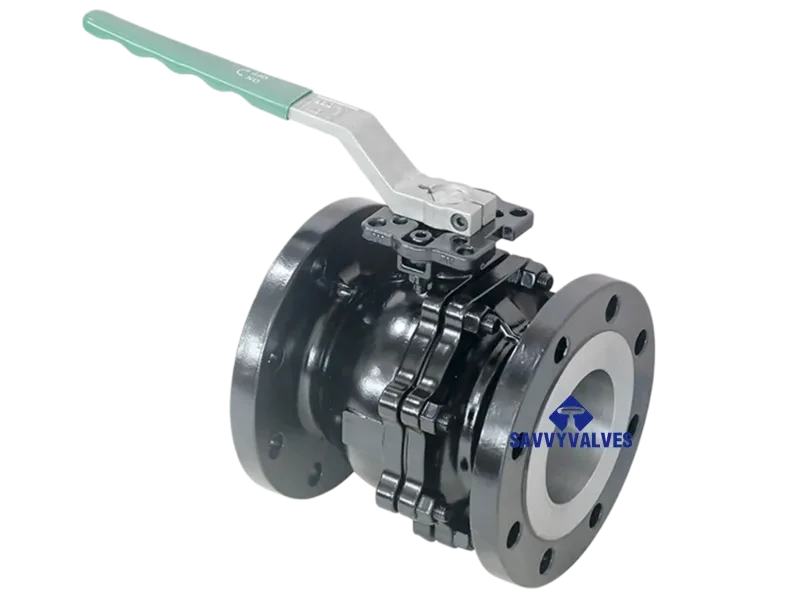 Product Name Floating Ball Valve, Soft Seated
Nominal Size 4″ (DN100)
Pressure Rating Class 150 (PN20)
Connection Flanged, Raised Face (RF)
Flange Standard ASME B16.5
Design Standard ASME B16.34 / API 608
Face-to-Face ASME B16.10
A ball valve is a type of quarter-turn valve that controls flow using a hollow, perforated, and pivoting ball inside the valve body. When the ball’s hole is aligned with the pipeline, fluid flows freely; when rotated 90 degrees, the flow is completely blocked. This simple mechanism makes ball valves highly reliable for shutoff and control applications. Ball valves are known for their tight sealing performance, durability, and ease of operation. They can handle high pressure and temperature conditions, and are suitable for gas, liquid, or even corrosive media, depending on the materials used. With minimal pressure drop and fast on-off control, ball valves are widely used in industries like oil and gas, water treatment, chemical processing, and general plumbing. They come in various types such as two-way, three-way, floating, and trunnion-mounted, and can be operated manually, pneumatically, or electrically.


 German
  English
  Arabic
  Azerbaijani
  Czech
Czech  Dutch
Dutch  French
  Indonesian
  Italian
  Japanese
  Korean
  Malay
Malay  Persian
  Polish
  Portuguese
  Russian
  Spanish
  Thai
Thai  Vietnamese