
Valvole a sfera
-
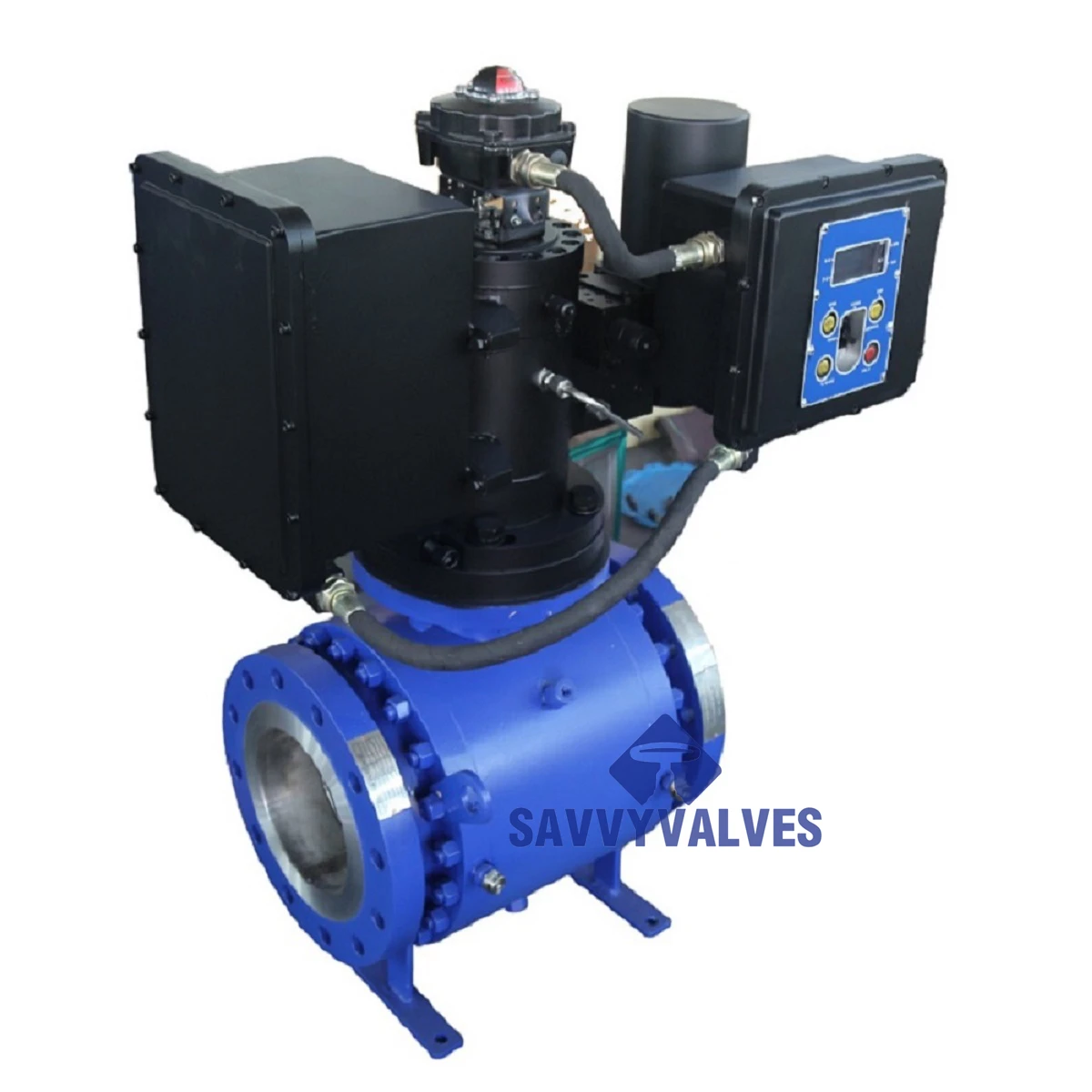 SPECIFICHE DEL CAMPIONE
DIMENSIONE: 8"
VALUTAZIONE: 300 LB
CARROZZERIA E COFANO: ASTM A350 LF2
SFERA CON INTAGLIO A V: ASTM A182 F316+TCC 90℃ INTAGLIO
STEM: ASTM A564 17-4PH
SEDILE: ASTM A182 F316+TCC
PRIMAVERA: INCONEL X-750
ATTUAZIONE: ATTUATORE ELETTRICO-IDRAULICO
-
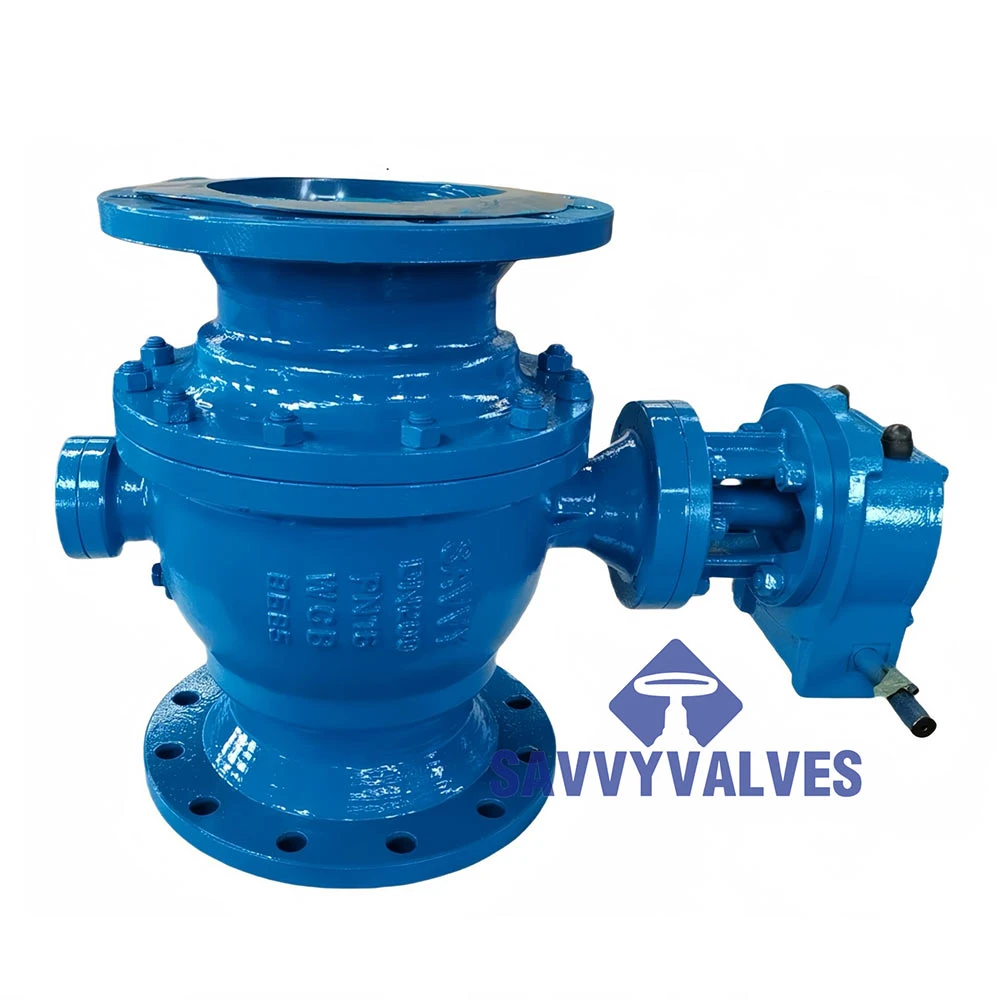 L'immagine mostra una valvola a sfera montata su trunnion API 608, passaggio ridotto, 2 pezzi
DIMENSIONE: 10″*8″
VALUTAZIONE: 150 LB
CARROZZERIA E COFANO: ASTM A216 WCB
SFERA: ASTM A182 F316
STEM: ASTM A182 F316
SEDILE: COLLARE ASTM A182 F316 CON INSERTO DEVLON
PRIMAVERA: INCONEL X-750
ATTUAZIONE: RIDUTTORE
-
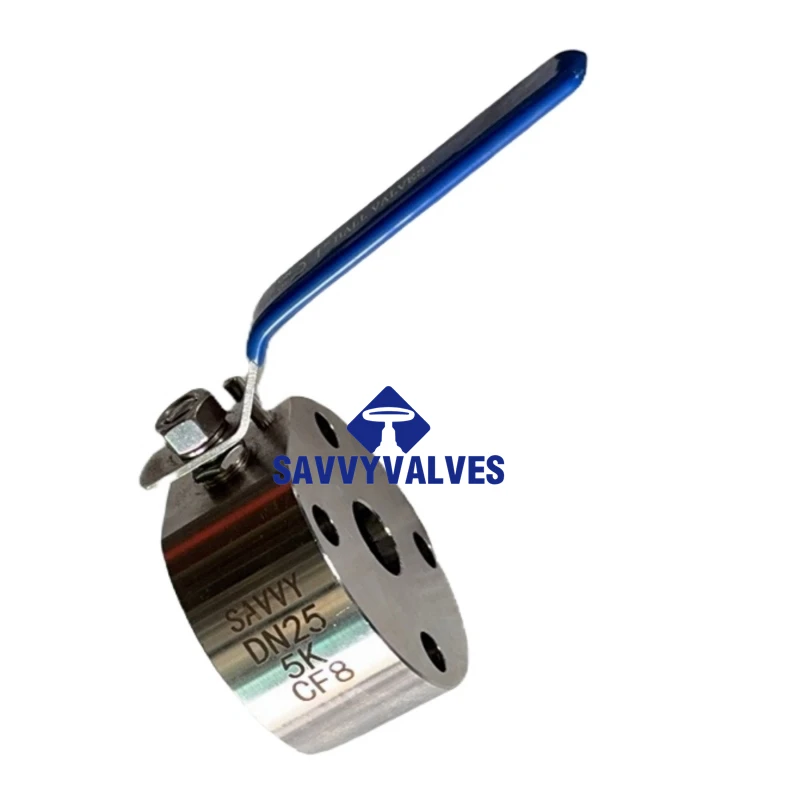 Taglia: 25A
Pressione nominale: JIS 5K
Materiali chiave:
Corpo: ASTM A182 F304
Sfera: ASTM A182 F304 + Cromatura dura (HCR)
Stelo: ASTM A182 F304
Sede: PTFE (politetrafluoroetilene)
Operatore: Leva
Estremità di connessione: tipo wafer, forata secondo lo standard JIS B2220 5K
Configurazione: corpo unico compatto in stile wafer
Finitura superficiale: sabbiata e sgrassata
Intervallo di temperatura: da -29°C a 425°C
-
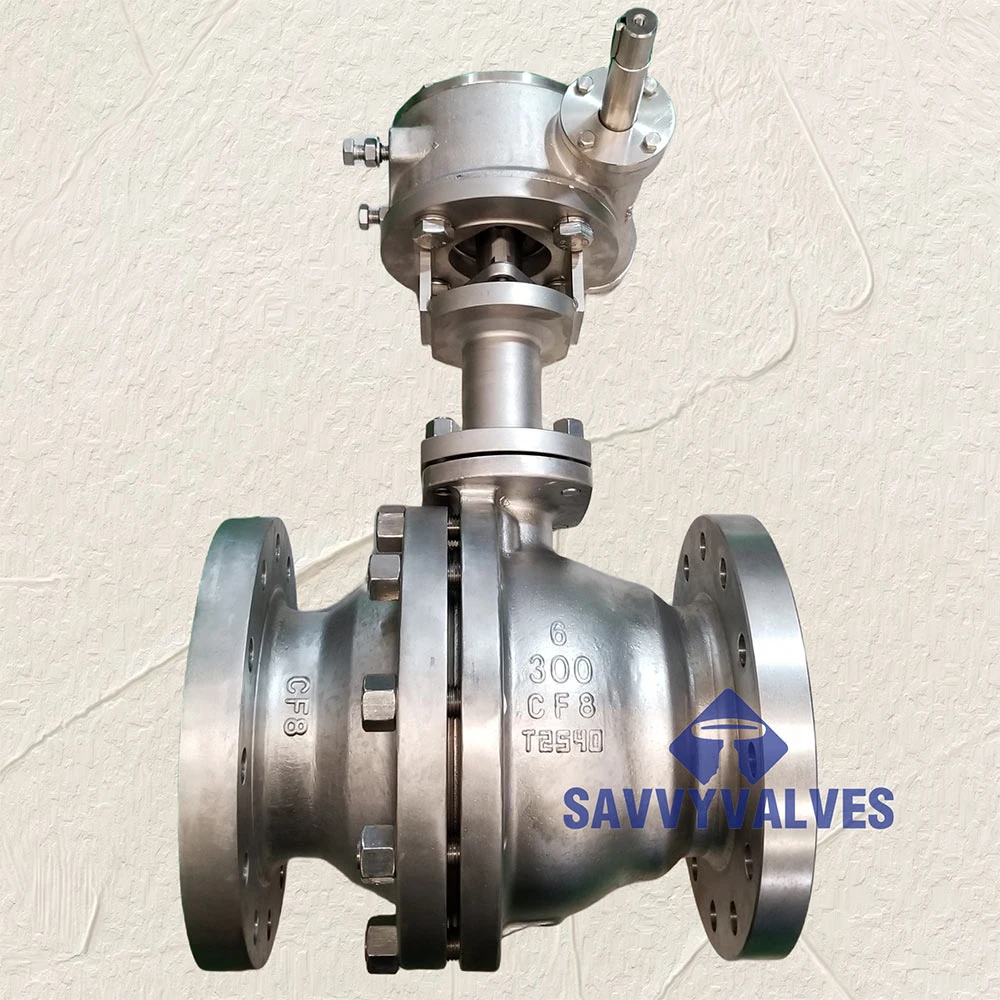 LA FOTO MOSTRA LE SPECIFICHE COME SOTTO
DIMENSIONE: 6″
VALUTAZIONE: 300 LB
ESTREMITÀ: FLANGIATA SECONDO ASME B16.5 300 LB
TEMPERATURA: -70 ℃
CARROZZERIA E COFANO: ASTM A351 CF8
SFERA: ASTM A182 F304
STEM: ASTM A182 F304
SEDILE: PCTFE A MOLLA
ATTUAZIONE: ATTUATORE PNEUMATICO
-
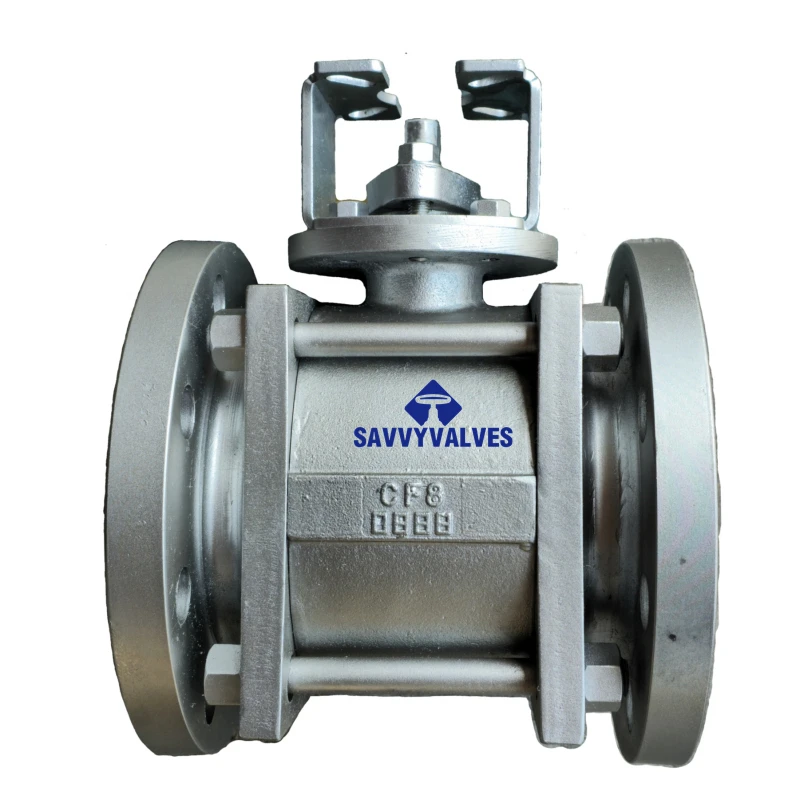 Dimensioni: 4" × 3" (DN100 × DN80)
Pressione nominale: 150 libbre (ASME B16.5)
Materiali chiave:
Corpo e cofano: ASTM A351 CF8 (acciaio inossidabile 304)
Sfera: Ceramica strutturale ad alte prestazioni (Al₂O₃/ZrO₂)
Stelo: AISI F304 (Acciaio inossidabile 304)
Sedile: ceramica avanzata (resistente all'usura e alla corrosione)
Funzionamento: albero nudo (compatibile con attuatori pneumatici, idraulici o elettrici)
Collegamento terminale: flangia a faccia rialzata (RF)
-
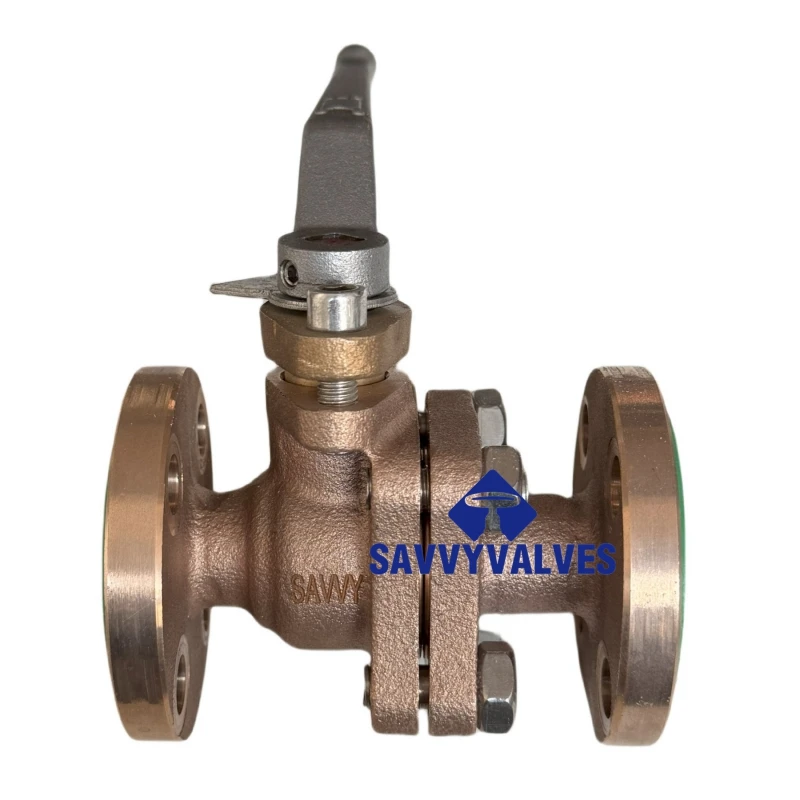 Dimensioni: 15A, 25A
Pressione nominale: JIS 5K
Materiali chiave:
Corpo/cofano: ASTM B62 C83600 (bronzo fuso)
Pallina: Monel K500
Attacco: Monel K500
Seduta: RPTFE (PTFE rinforzato)
Operatore: leva manuale
Estremità di connessione: JIS B2220 5K flangiata (FF)
Finitura superficiale: sabbiata e sgrassata
Intervallo di temperatura: da -29°C a 120°C
-
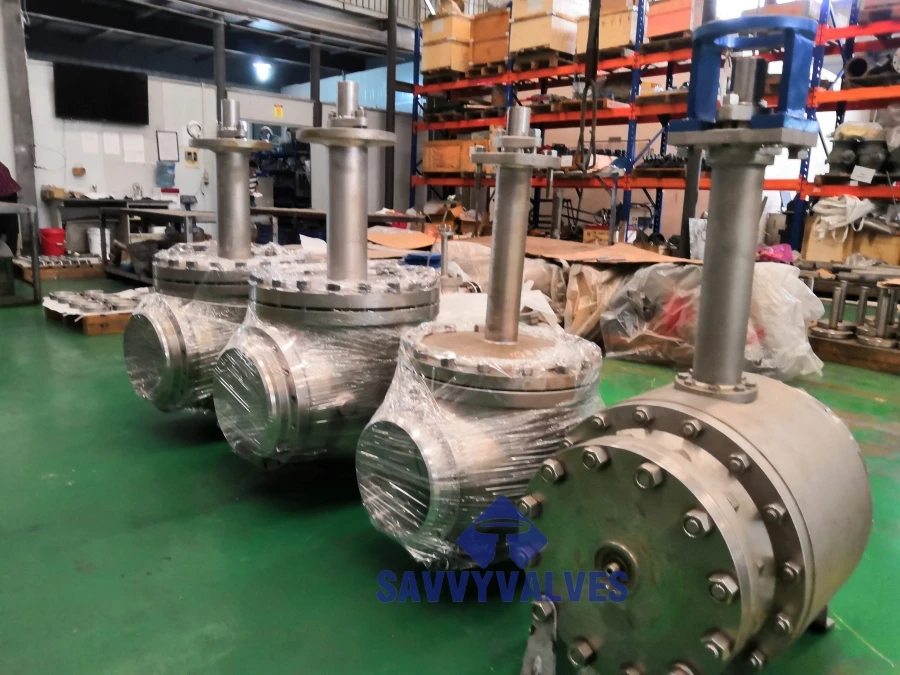 LE FOTO MOSTRANO LE SPECIFICHE COME SOTTO:
DIMENSIONE: 6″
VALUTAZIONE: 300 LB
ESTREMITÀ: FLANGIA SECONDO ASME B16.5
TEMPERATURA: -196 ℃
CARROZZERIA E COFANO: ASTM A182 F304
SFERA: ASTM A182 F304+HF
SEDILE: PCTFE O METALLO HF
ATTUAZIONE: MANUALE E CAMBIO
-
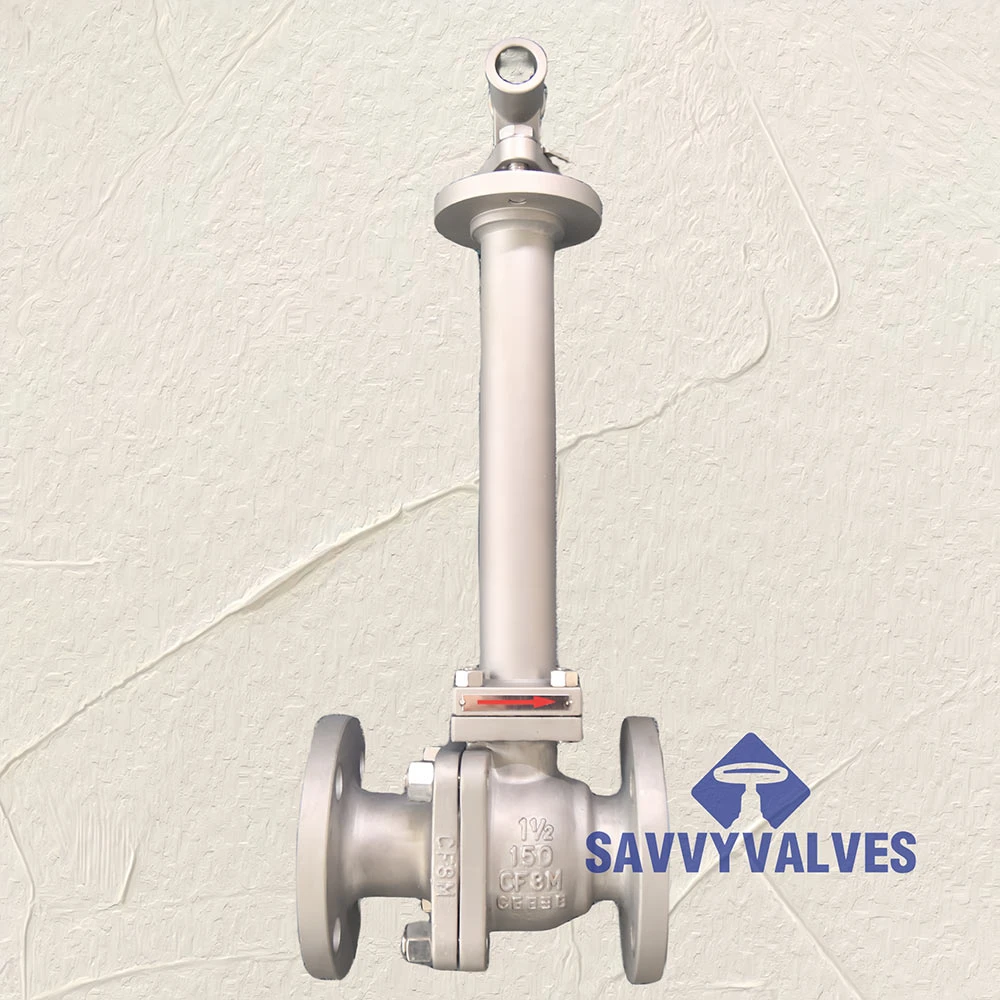 LA FOTO MOSTRA LE SPECIFICHE COME SOTTO
DIMENSIONE: 1-1/2″
VALUTAZIONE: 150 LB
ESTREMITÀ: FLANGIATA SECONDO ASME B16.5 300 LB
TEMPERATURA: -196 ℃
CARROZZERIA E COFANO: ASTM A351 CF8M
SFERA: ASTM A182 F316+HCR
STEM: ASTM A182 F316
SEDILE: PCTFE A MOLLA
AZIONAMENTO: LEVA
-
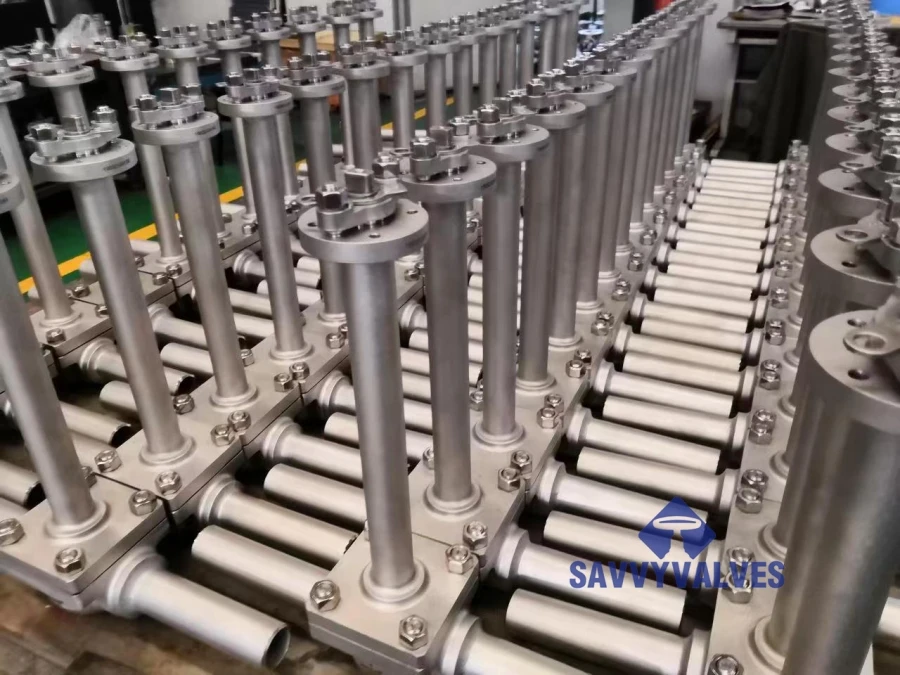 LE FOTO MOSTRANO LE SPECIFICHE COME SOTTO:
DIMENSIONE: 1″
VALUTAZIONE: 150 LB
FINE: BW SECONDO ASME B16.25
TEMPERATURA: -196 ℃
CARROZZERIA E COFANO: A182 F316
SFERA: ASTM A182 F316+HF
STEM: ASTM A182 F316
SEDILE: PEEK O METALLO HF
ATTUAZIONE: MANUALE E CAMBIO
-
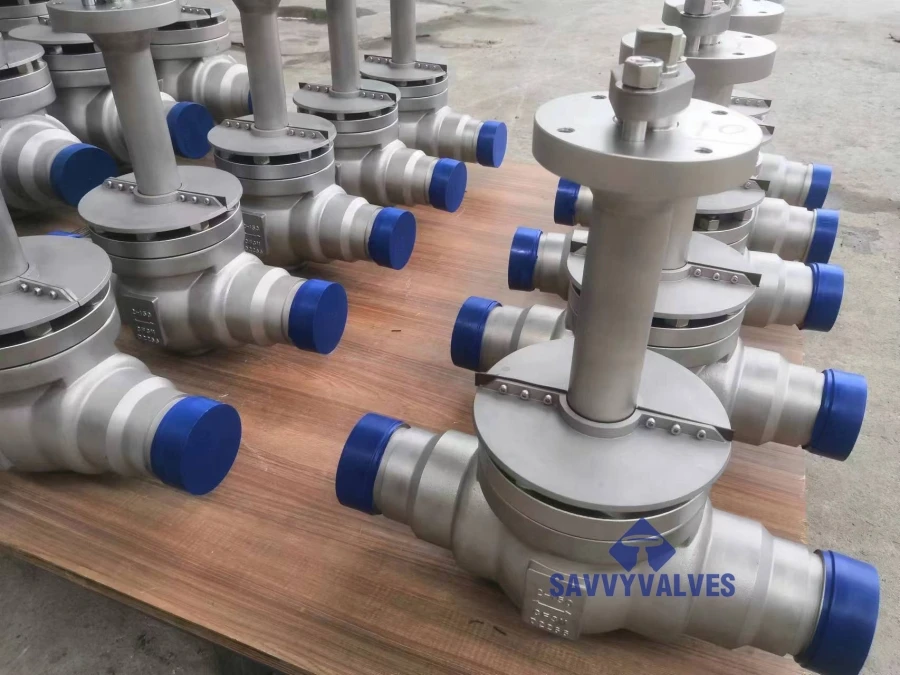 LE FOTO MOSTRANO LE SPECIFICHE COME SOTTO:
DIMENSIONE: 8″
VALUTAZIONE: 150 LB
ESTREMITÀ: FLANGIA SECONDO ASME B16.5
TEMPERATURA: -196 ℃
CARROZZERIA E COFANO: A351 CF8M
SFERA: ASTM A182 F316+HF
STEM: ASTM A182 F316
SEDILE: PCTFE O METALLO HF
ATTUAZIONE: MANUALE E CAMBIO
-
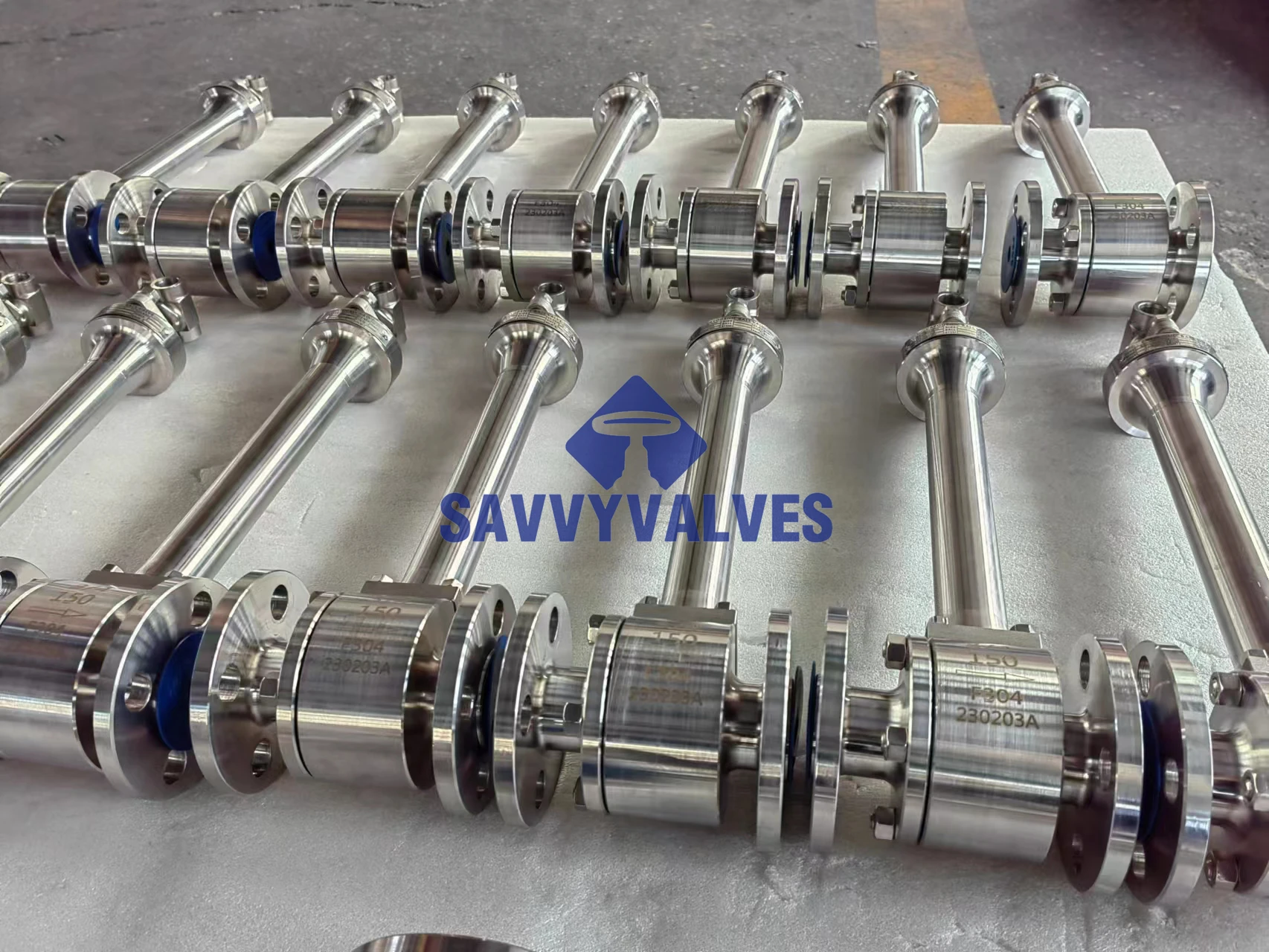 LE FOTO MOSTRANO LE SPECIFICHE COME SOTTO:
DIMENSIONE: 3/4″ 6″
VALUTAZIONE: 150 LB 300 LB
ESTREMITÀ: FLANGIA SECONDO ASME B16.5
TEMPERATURA: -196 ℃
CARROZZERIA E COFANO: ASTM A182 F304
SFERA: ASTM A182 F304+HF
SEDILE: PCTFE O METALLO HF
ATTUAZIONE: MANUALE E CAMBIO
-
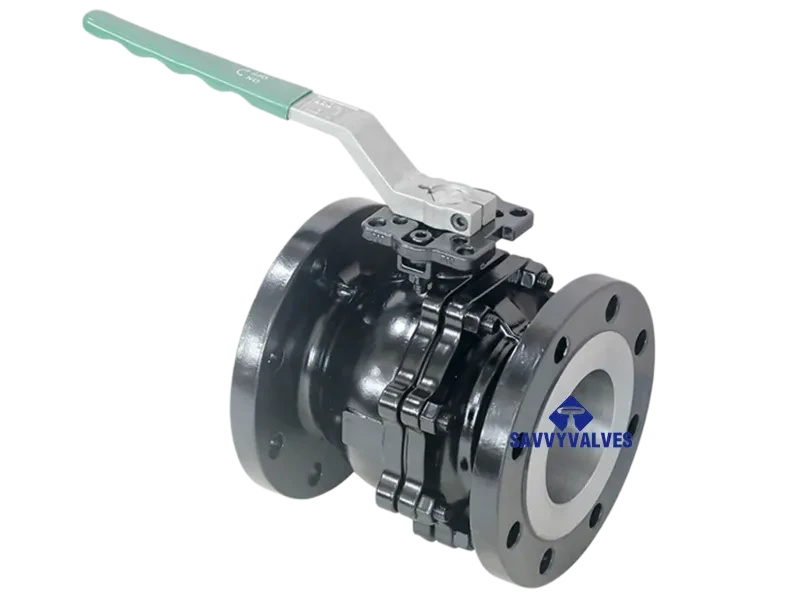 Product Name Floating Ball Valve, Soft Seated
Nominal Size 4″ (DN100)
Pressure Rating Class 150 (PN20)
Connection Flanged, Raised Face (RF)
Flange Standard ASME B16.5
Design Standard ASME B16.34 / API 608
Face-to-Face ASME B16.10
A ball valve is a type of quarter-turn valve that controls flow using a hollow, perforated, and pivoting ball inside the valve body. When the ball’s hole is aligned with the pipeline, fluid flows freely; when rotated 90 degrees, the flow is completely blocked. This simple mechanism makes ball valves highly reliable for shutoff and control applications. Ball valves are known for their tight sealing performance, durability, and ease of operation. They can handle high pressure and temperature conditions, and are suitable for gas, liquid, or even corrosive media, depending on the materials used. With minimal pressure drop and fast on-off control, ball valves are widely used in industries like oil and gas, water treatment, chemical processing, and general plumbing. They come in various types such as two-way, three-way, floating, and trunnion-mounted, and can be operated manually, pneumatically, or electrically.


 Italian
 English
 Arabic
 Azerbaijani
 Czech
 Dutch
 French
 German
 Indonesian
 Japanese
 Korean
 Malay
 Persian
 Polish
 Portuguese
 Russian
 Spanish
 Thai
 Vietnamese